Car suspension problems – what you need to know
When dealing with car suspension problems, issues that affect a vehicle's ride quality, handling and tire wear. Also known as suspension issues, they often arise from worn components, broken springs or poor alignment. Car suspension problems encompass noisy rides, uneven tyre wear, and a sluggish feel when you steer. Understanding these symptoms helps you decide whether a simple adjustment or a full part replacement is needed.
Key related concepts
The first thing to grasp is the range of suspension types, different designs that control wheel movement and absorb road shocks. Common types include solid axles, MacPherson struts, double wishbones and multi‑link setups. Each type influences ride comfort, handling precision and part longevity. Knowing which type your car uses tells you which parts are most likely to wear out and which upgrades will give you the biggest benefit.
Next up are shock absorbers, damping devices that control spring oscillation and keep the wheels in contact with the road. When shocks are fresh they turn bumps into smooth motion; when they leak fluid or break, the car starts to bounce, dive or sway. Shock absorbers are a primary factor in how a vehicle handles potholes and high‑speed corners, so their condition directly affects safety and comfort.
Closely related are struts, structural components that combine a shock absorber with a support lever for the wheel hub. Struts not only dampen motion but also bear the weight of the car, making them critical for steering response. A worn strut can cause a vague “soft” feeling in the steering wheel and increase tyre wear on one side.
All these parts work together, so a problem in one often shows up as a symptom in another. For example, a bad strut can overload the shock absorber, leading to early failure. Likewise, the wrong suspension type for your driving conditions can stress shocks and struts beyond their design limits. Recognising these connections lets you pinpoint the root cause faster, saving time and money.
Below you’ll find practical guides that walk you through the most common signs – clunking noises, sagging corners, uneven tyre wear – and show how to test each component at home. Whether you’re a DIY enthusiast or just want to know what to ask a mechanic, the collection of articles ahead gives you the tools to keep your ride smooth and safe.

How to Tell If Your Car Shocks Are Damaged
Jan 22 2026 / Suspension PartsLearn how to spot damaged shocks before they cause dangerous handling, uneven tire wear, or longer braking distances. Key signs include bouncing, nose dive, oil leaks, and clunking noises.
VIEW MORE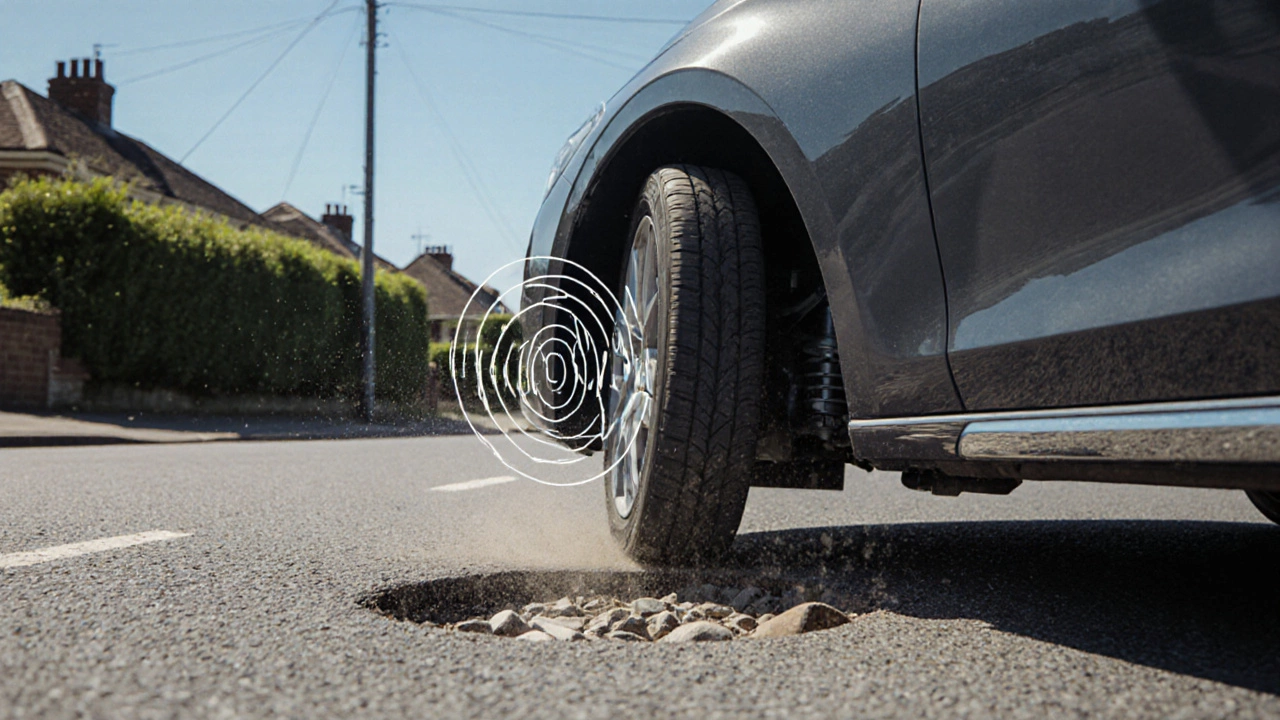
How to Identify a Bad Suspension Sound and Fix It
Oct 14 2025 / Suspension PartsLearn to recognize the sounds of a failing suspension, link each noise to its component, and get step‑by‑step tips for diagnosing and fixing bad suspension sounds.
VIEW MORE