Clutch Disc – What It Is and Why It Matters
When talking about Clutch Disc, the friction component that transfers engine power to the transmission. Also known as clutch plate, it engages and disengages the drivetrain to allow smooth gear changes, you’re dealing with a part that directly affects every shift you make. In the same breath, the Clutch Kit, the assembly that bundles the disc, pressure plate and release bearing becomes the full system you need to think about. Clutch Wear, the gradual loss of friction material on the disc drives the decision to replace, while Clutch Lifespan, the typical mileage range a disc can survive under normal use helps you plan maintenance. In short, the clutch disc is the heart of the manual transmission, and understanding it saves money and headaches.
How the Clutch Disc Works Inside Your Car
The clutch disc sits between the engine flywheel and the pressure plate. When you press the pedal, a release bearing pushes the pressure plate away, allowing the disc to spin freely and disconnect the engine from the gearbox. Release the pedal, the pressure plate clamps the disc back onto the flywheel, and power flows to the wheels. This simple push‑and‑pull action hides a lot of engineering: the disc’s friction material—usually a composite of organic or ceramic particles—creates the grip needed for torque transfer. Heat builds up every time you engage, so the disc must dissipate heat quickly; otherwise the friction surface degrades faster. That’s why clutch disc performance is directly linked to heat resistance, material composition, and the pressure applied by the plate.
Because the disc’s job is to grab and let go repeatedly, its lifespan hinges on several factors. Aggressive driving—like hill‑starts, racing or constant stop‑and‑go—causes rapid heating and wear. Heavy loads, towing or carrying a full passenger load increase torque demand, wearing the friction surface sooner. Ambient conditions matter too; dusty or salty environments can embed particles into the friction material, accelerating abrasion. Even the condition of the pressure plate and release bearing influences disc wear; a weak plate may not apply even pressure, leading to slip and uneven wear.
These variables shape the semantic relationship: Clutch disc lifespan is influenced by driving style, vehicle load, and environmental conditions. In other words, the more you push the car, the quicker the disc reaches the end of its useful life. Understanding this helps you gauge when a replacement is truly needed versus when a simple adjustment might extend the current disc’s life.
When the disc starts to fail, you’ll notice clear symptoms. A common sign is clutch slippage—engine revs rise but the car doesn’t accelerate proportionally. You might also hear a rattling or squealing noise during engagement, especially if the disc’s friction material is thinning. A soft or spongy pedal feel indicates the release bearing or pressure plate isn’t applying enough force, often a side effect of disc wear. If you feel a judder when pulling away from a stop, the disc’s surface is likely uneven. Spotting these clues early saves you from more extensive damage to the transmission.
Deciding whether to replace the disc yourself or hand it to a professional hinges on a few practical points. A full clutch kit replacement usually costs between £300 and £600 in the UK, including labor. DIY swaps can shave off the labor fee, but you’ll need tools like a clutch alignment tool, a torque wrench, and a good service manual. The process involves removing the transmission, pressing out the old disc, checking the pressure plate and release bearing for wear, and installing the new kit with precise torque settings. If the pressure plate is warped or the release bearing is noisy, swapping the entire kit is wiser than just the disc.
Our collection of articles below dives deeper into each of these topics. You’ll find step‑by‑step guides on spotting clutch wear, calculating when a clutch kit needs replacement, and detailed cost breakdowns for both DIY and shop jobs. Whether you’re a seasoned gearhead or just curious about why your car’s clutch feels off, the posts ahead give you the facts, tips, and confidence to keep your drivetrain humming.
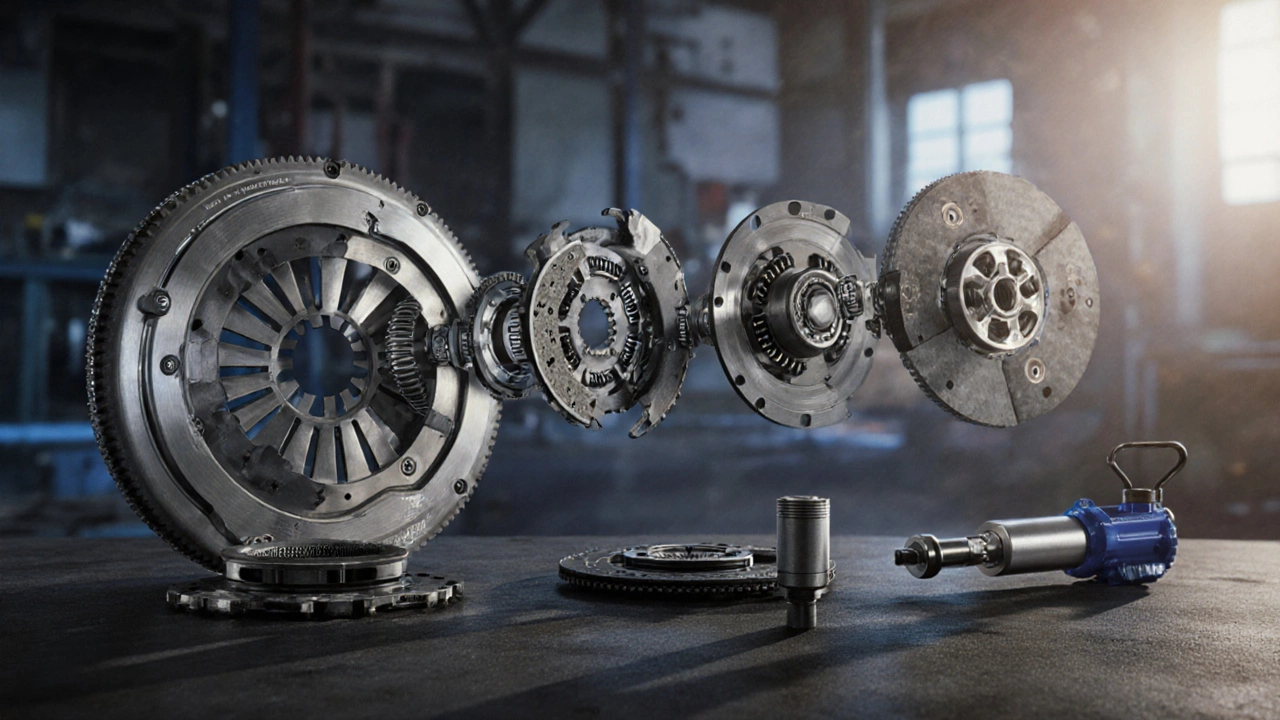
Clutch Kit Parts Explained: What’s Inside a Typical Kit?
Oct 3 2025 / Transmission PartsDiscover every part that makes up a clutch kit, how they work together, and what to look for when buying or installing one.
VIEW MORE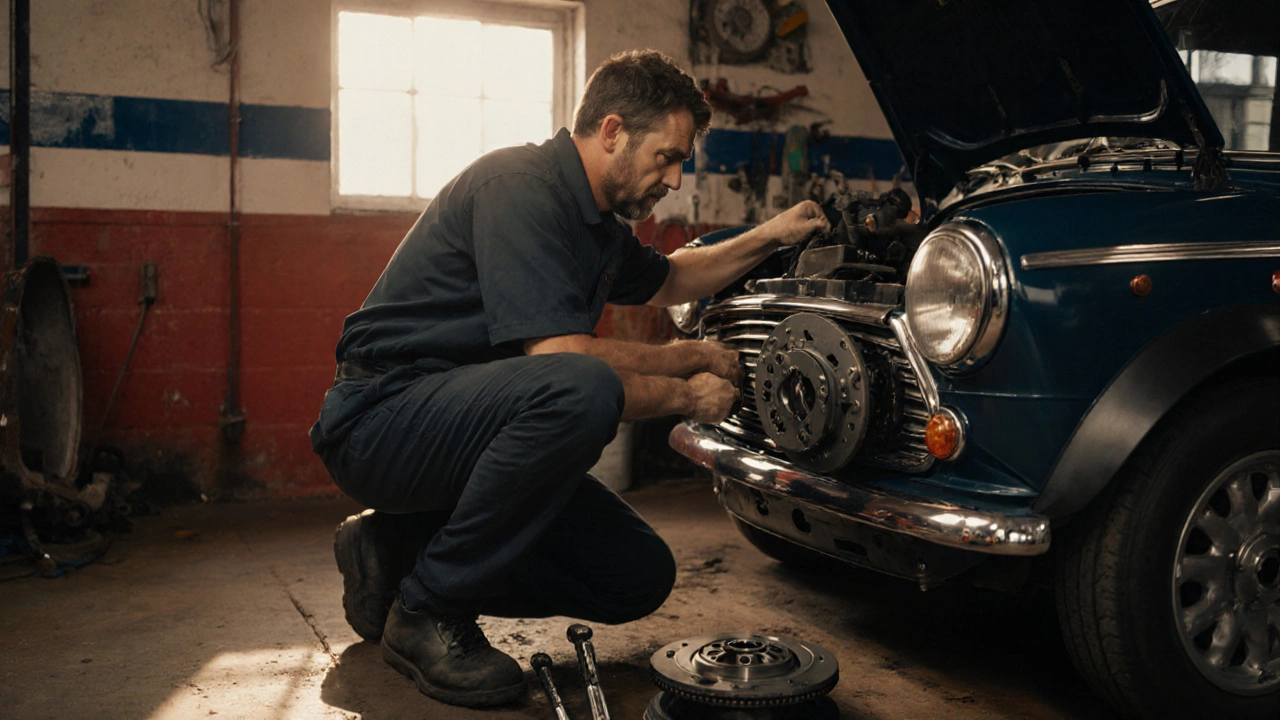
What else to replace when you replace a clutch? Essential parts & tips
Sep 26 2025 / Transmission PartsDiscover the key components you should replace alongside a clutch, learn their lifespans, costs, and get practical tips to avoid common pitfalls.
VIEW MORE