Clutch Lifespan: How Long It Really Lasts and What Impacts It
Ever wondered why some clutches quit after 30,000 miles while others push past 100,000? When working with clutch lifespan, the period a vehicle's clutch remains functional before it needs a new kit. Also known as clutch life, it depends on how the clutch is used, maintained and what components it’s built from. In plain terms, clutch lifespan encompasses wear factors, requires proper maintenance, and is directly influenced by the quality of the clutch kit, the collection of parts that engage and disengage engine power. If any part in that kit is weak, the overall lifespan drops. Understanding your clutch lifespan helps you avoid surprise failures and plan affordable repairs.
Key Parts That Shape How Long a Clutch Lasts
Beyond the basic kit, three components play a starring role. The flywheel, a heavy steel disc that stores engine energy and provides a smooth surface for the clutch disc must be in good condition; a cracked or warped flywheel accelerates clutch wear. The release bearing, the bearing that lets the clutch engage and disengage without friction can squeal or fail if it’s not lubricated, cutting the clutch’s usable miles dramatically. Finally, the pressure plate, the component that clamps the clutch disc to the flywheel must maintain consistent pressure; a failing plate lets the disc slip, raising heat and wear. Together, these parts form a chain of cause‑and‑effect: a weak flywheel leads to uneven pressure, which forces the release bearing to work harder, all shortening clutch lifespan.
Driving style is the hidden variable that flips the switch on this chain. Aggressive launches, constant stop‑and‑go in city traffic, and frequent hill climbs force the clutch to engage and disengage under high load, burning the friction material faster. Conversely, gentle starts, regular gear changes, and occasional coasting let the clutch cool between uses, extending its life. Seasonal factors matter too; salty winter roads can corrode the release bearing, while hot summers raise clutch disc temperatures, both accelerating wear.
Maintenance isn’t just a buzzword—it’s the practical action that can add thousands of miles to your clutch. Regularly checking the clutch pedal free play, listening for squeaks when you press the pedal, and inspecting the fluid for contamination keep the release bearing and hydraulic system healthy. When you notice a soft pedal or a smoky smell on gear shifts, it’s a cue to examine the clutch kit before the problem spirals into a full‑scale replacement.
Now that you’ve got the basics, the articles below walk you through every angle of clutch health. From spotting the first signs of wear to understanding exact mileage limits for different kits, you’ll find the exact info you need to decide when to replace, what extra parts to swap, and how to save money on labour. Dive in to see practical tips, cost breakdowns, and step‑by‑step guides that turn clutch theory into everyday confidence.
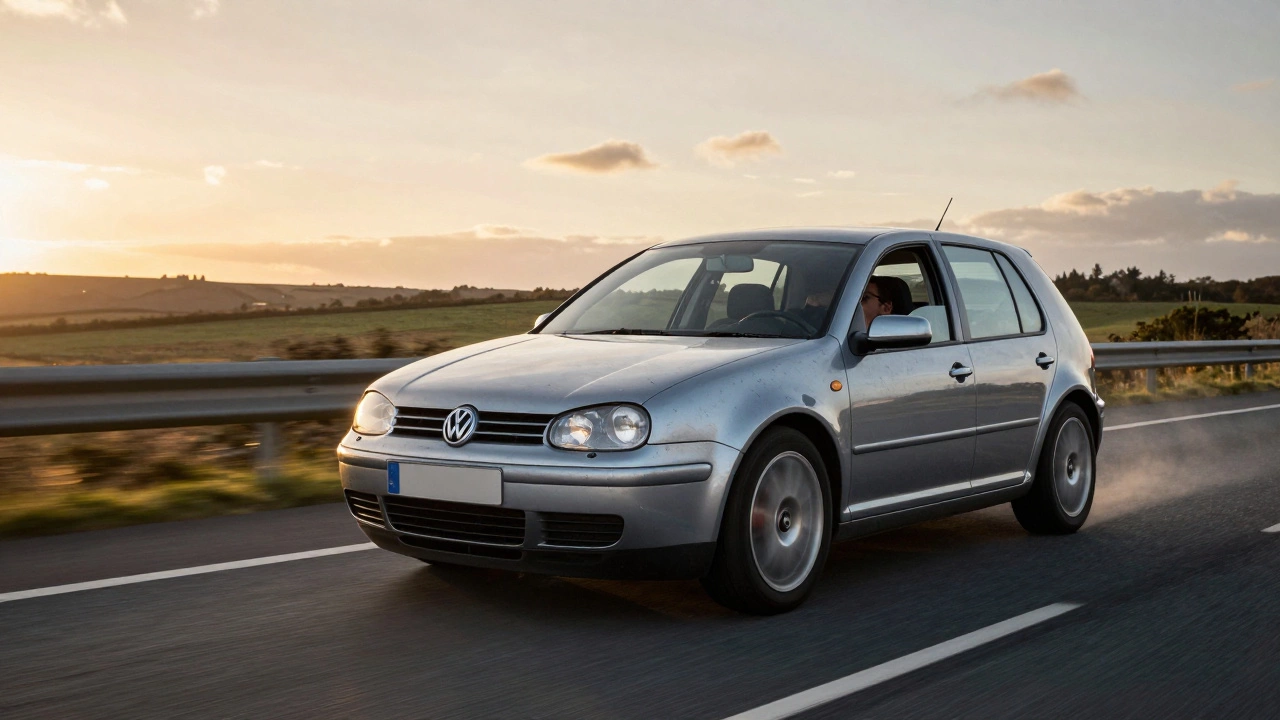
What Is the Longest a Clutch Has Lasted? Real-World Mileage and What Keeps It Going
Dec 29 2025 / Transmission PartsDiscover how long a clutch can realistically last-with real-world examples of clutches surviving over 300,000 miles. Learn what drives clutch longevity and how to make yours last longer.
VIEW MORE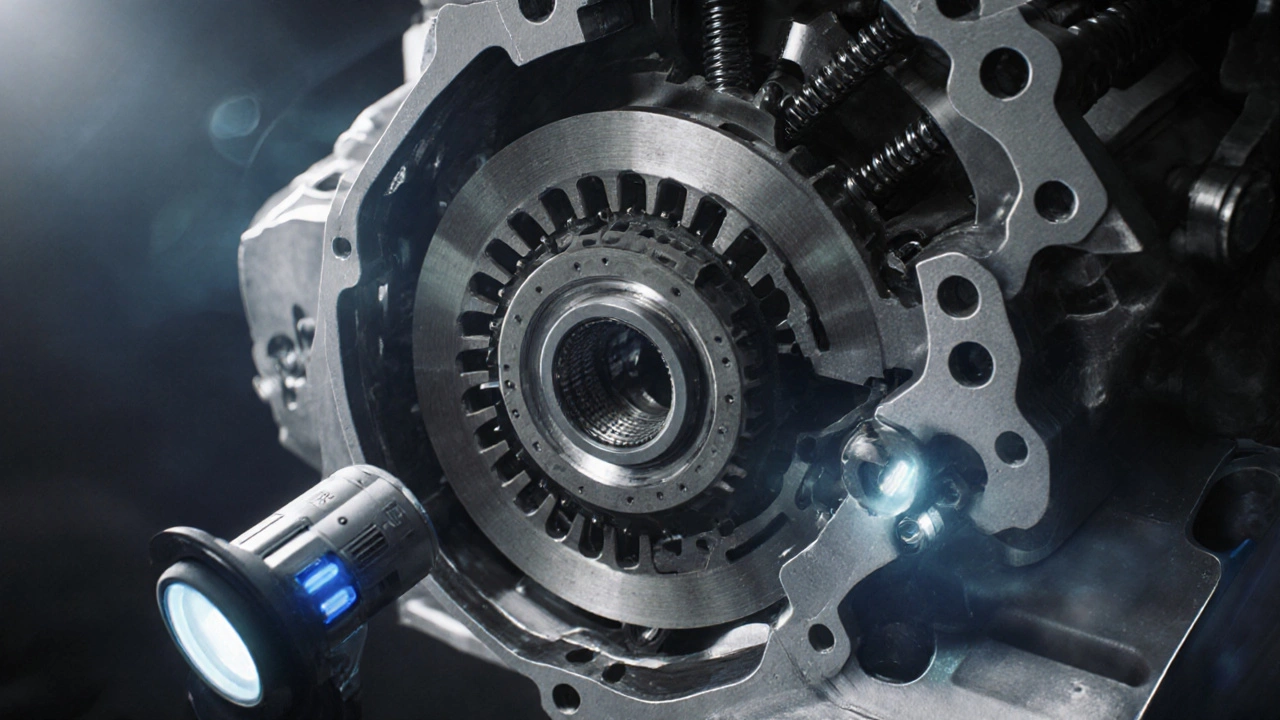
How Long Does a Car Clutch Last? Lifespan, Factors & Maintenance Guide
Oct 12 2025 / Transmission PartsLearn how long a car clutch typically lasts, the factors that affect its life, warning signs of wear, and practical maintenance tips to extend its lifespan.
VIEW MORE