Coolant Leak: What It Is and How to Stop It
When dealing with coolant leak, the unwanted loss of antifreeze from a vehicle's cooling circuit. Also called coolant loss, it can quickly lead to engine overheating, a condition where the engine temperature rises beyond safe limits
The cooling system is a network of parts that work together to keep heat in check. At its core sits the radiator, a heat exchanger that dissipates hot coolant into the air. Connected to the radiator are hoses, a water pump, and a thermostat, a valve that controls coolant flow based on temperature. If any of these components develop a crack, corrosion, or loose connection, coolant can escape, creating a leak.
Why a Coolant Leak Matters
First, a leak reduces the volume of coolant circulating through the engine. Less fluid means the radiator can’t pull enough heat away, so the engine temperature spikes – that’s the engine overheating link. Second, lost coolant can cause air pockets, which disrupt flow and create hot spots that damage pistons or the head gasket. Third, modern coolants contain additives that protect metal surfaces; without them, corrosion speeds up, leading to more leaks.
Detecting a leak early saves money and prevents a roadside breakdown. A common trick is to check the coolant level after a short drive; if it’s dropped noticeably, you probably have a leak. Look for puddles under the car – green, orange, or pink stains point to coolant. A sweet, medicinal smell inside the cabin also hints at a leak in the heater core.
There are three main sources to investigate:
- Radiator leak: corrosion pits, broken seams, or damaged tanks can let coolant spray out, especially under pressure.
- Water pump leak: the pump’s shaft seal wears over time, allowing coolant to seep around the bearing.
- Hose or clamp failure: cracked rubber hoses or loose clamps create drips that can be hard to spot until the level is low.
Each source has its own repair path, but the diagnostic steps share a pattern. Pressurize the system with a coolant pressure tester, watch for escaping fluid, and follow the trail to the faulty component. This method is reliable because it mimics real operating pressure without having to run the engine.
Once you pinpoint the problem, the fix is usually straightforward. Replace a cracked radiator or a busted hose, tighten or replace clamps, and swap out a worn water pump if the seal isn’t holding. When you’re done, it’s wise to flush the system to remove any contaminants that entered with the leak. A proper flush restores the coolant’s protective properties and helps prevent future leaks.
Keeping an eye on the coolant system pays off. Regularly inspect hoses for softness, check the radiator for rust, and listen for humming noises that could signal a failing water pump. A quick visual check every few months catches issues before they turn into costly engine repairs.
Below you’ll find a collection of articles that dive deeper into related topics – from how to test for a leak, to choosing the right coolant, to preventing radiator corrosion. Whether you’re a DIY enthusiast or just want to know what to ask a mechanic, the guides ahead give you practical steps to keep your cooling system healthy and your engine running smooth.
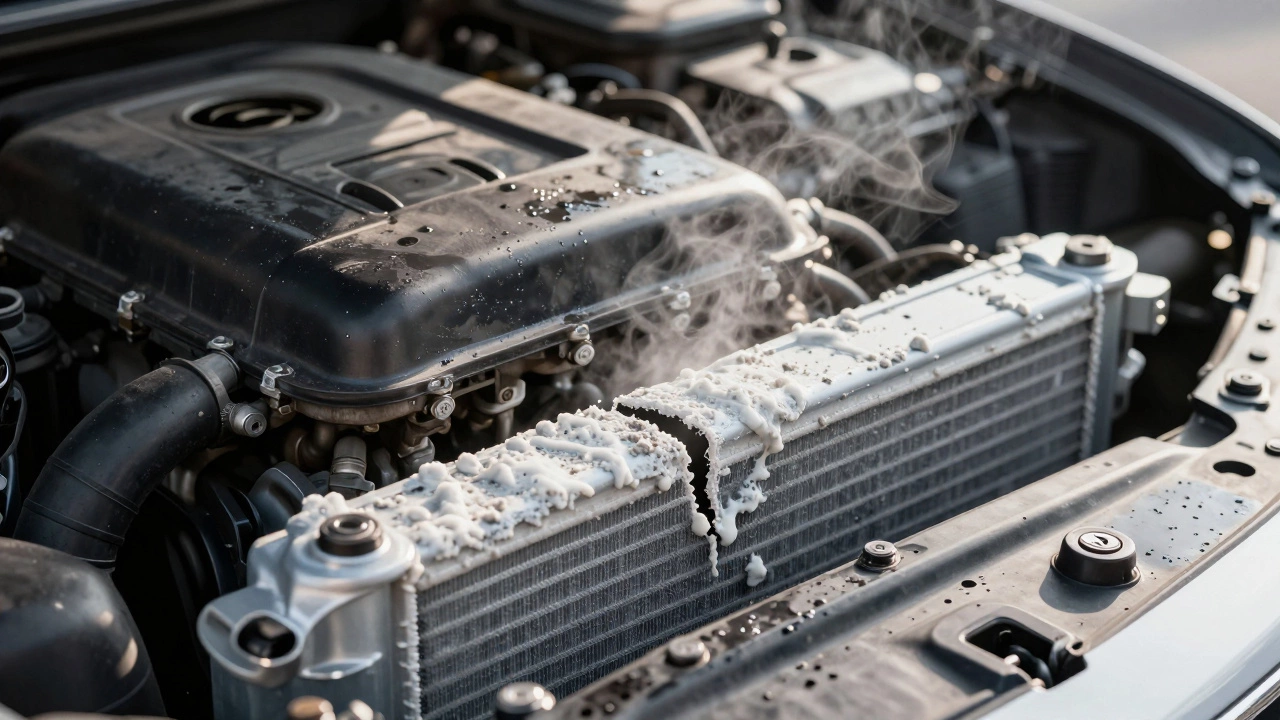
How to Tell if It's a Radiator or Head Gasket Problem in Your Car
Jan 12 2026 / RadiatorsLearn how to tell if your car's overheating is caused by a radiator leak or a blown head gasket using simple checks like oil color, exhaust smell, and coolant loss patterns. Avoid costly mistakes with this clear guide.
VIEW MORE
Can a Car Run on a Bad Radiator? Risks, Signs & What to Do
Oct 8 2025 / RadiatorsLearn if a car can run with a bad radiator, recognize overheating signs, understand risks, and discover temporary fixes and repair tips.
VIEW MORE