Release Bearing Basics, Symptoms & Replacement Tips
When working with release bearing, the small but vital part that lets your clutch disengage when you press the pedal. Also known as clutch release bearing, it sits between the pressure plate and the clutch pedal linkage, converting pedal force into smooth rotational movement. The clutch, the assembly that transfers engine power to the transmission relies on the release bearing to free the clutch disc during gear changes. In turn, the flywheel, the heavy metal disc bolted to the engine crankshaft that stores rotational energy provides the surface the bearing rides on. Release bearing encompasses the mechanics of friction control, requires proper lubrication, and influences overall clutch performance. When the bearing wears out, you’ll notice clutch chatter, grinding noises, or a stiff pedal – clear signals that the connection between clutch and flywheel is breaking down.
Key Signs Your Release Bearing Needs Attention
First, listen for a high‑pitched whine that spikes when the clutch is depressed; that sound is a classic indicator that the bearing’s inner race is grinding. Second, feel the pedal; if it feels spongy or requires extra effort, the bearing might be binding or losing its preload. Third, watch for vibration at the clutch pedal or through the steering wheel during gear shifts – the bearing’s inability to spin freely transmits those tremors through the whole drivetrain. These symptoms don’t just affect the bearing; they stress the entire clutch kit, which includes the pressure plate, release bearing, and related seals. Regularly inspecting the clutch fluid level, checking for oil leaks onto the bearing, and ensuring the flywheel surface is clean can extend bearing life by up to 30 %. If you notice any of the above signs, replace the bearing before the clutch disc starts to wear unevenly, because a failing bearing often leads to premature clutch kit failure.
Replacement isn’t as daunting as it sounds. Most mechanics pull the transmission, secure the flywheel, and slide the old bearing out of its housing. For DIYers, a torque‑wrench set, a flywheel holder, and a fresh bearing with the correct OEM specifications are the only tools you really need. When you install a new bearing, apply a thin layer of high‑temperature grease to the outer race – this prevents premature squeal and protects against moisture. Remember that a cheap, off‑brand bearing can cost less upfront but may fail faster, driving up long‑term repair expenses. By matching the bearing’s bore size to the flywheel and confirming the pressure plate’s mounting bolts are torqued to the manufacturer’s spec, you ensure a quiet, reliable clutch operation. Below you’ll find articles that walk you through clutch kit replacement timing, clutch lifespan management, and other related topics that round out the picture of how the release bearing fits into the broader automotive maintenance puzzle.
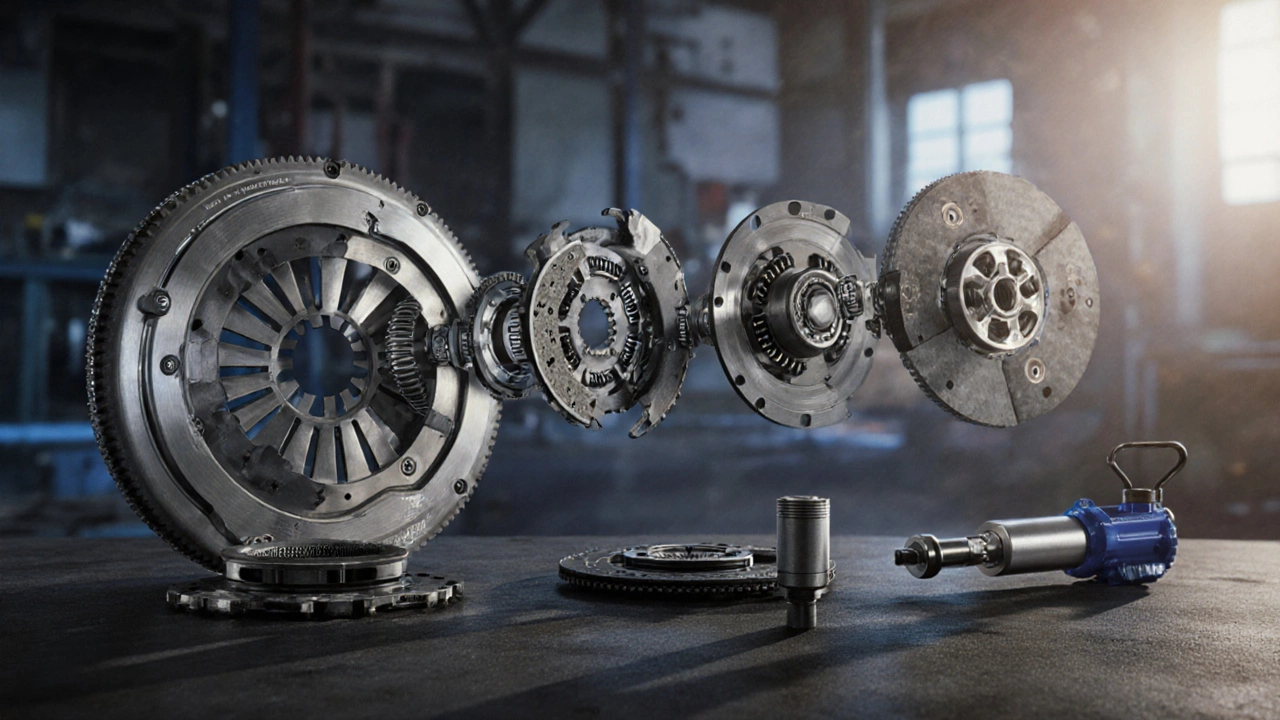
Clutch Kit Parts Explained: What’s Inside a Typical Kit?
Oct 3 2025 / Transmission PartsDiscover every part that makes up a clutch kit, how they work together, and what to look for when buying or installing one.
VIEW MORE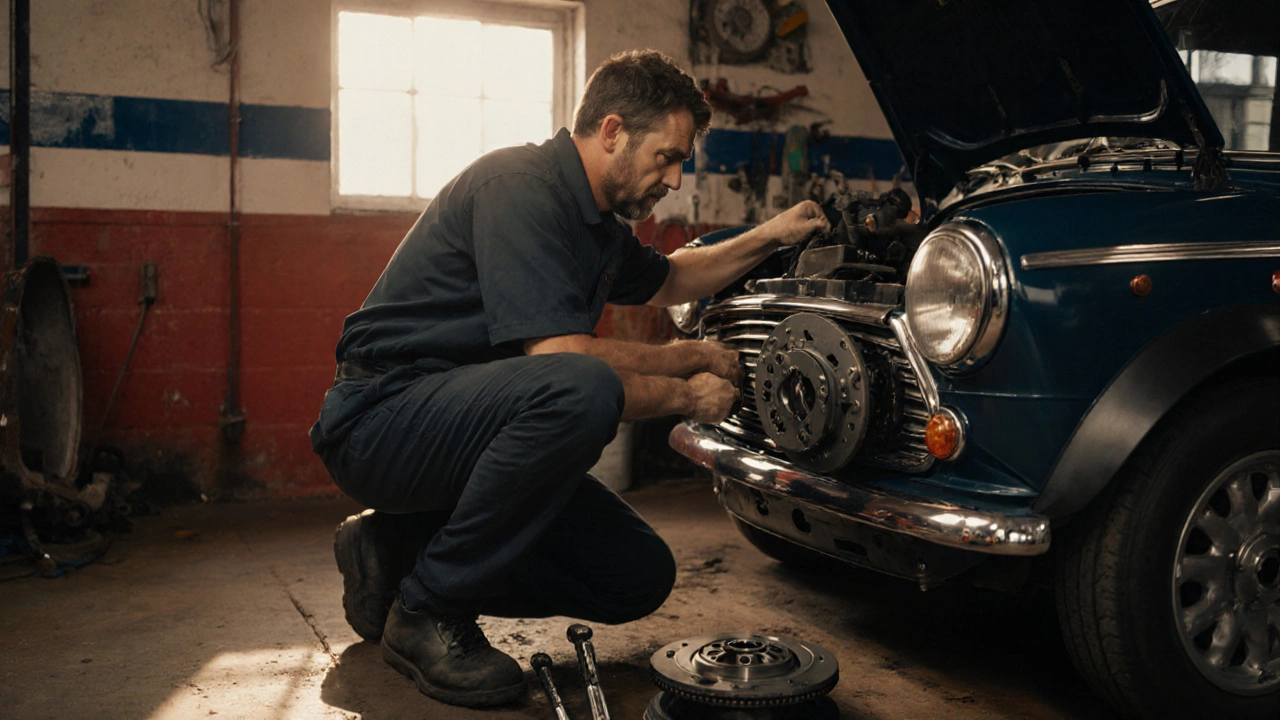
What else to replace when you replace a clutch? Essential parts & tips
Sep 26 2025 / Transmission PartsDiscover the key components you should replace alongside a clutch, learn their lifespans, costs, and get practical tips to avoid common pitfalls.
VIEW MORE