Exhaust Modification Trade-off Analyzer
Select the type of modification you are considering to see the likely trade-offs compared to a stock system.
Noise & Drone
Legal/Emission Risk
Low-End Torque
Quick Summary of Potential Trade-offs
- Noise Pollution: Increased volume and the risk of cabin drone.
- Legal Issues: Potential for failed emissions tests or noise tickets.
- Performance Loss: Possible drop in low-end torque if the system is too open.
- Cost: High initial investment and potentially higher insurance premiums.
- Resale Value: Some buyers view loud exhausts as a sign of hard driving.
The Noise Problem and the dreaded Cabin Drone
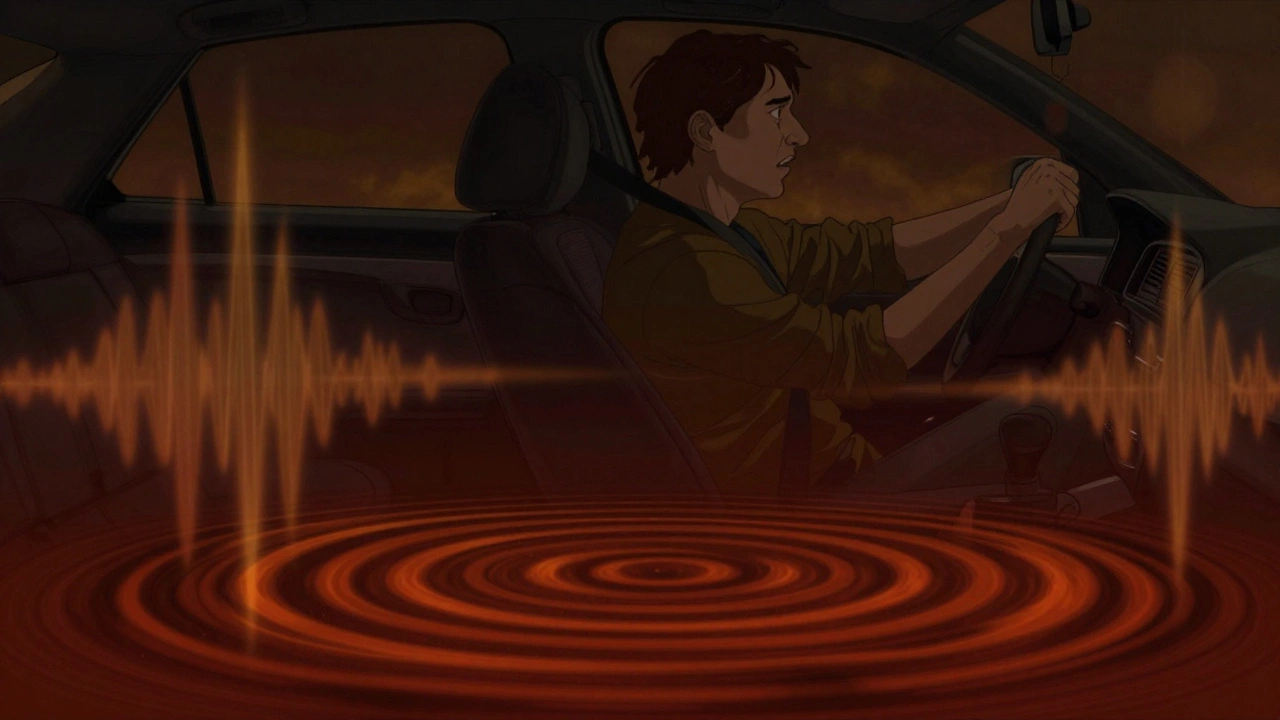
Most people buy an aftermarket exhaust because they want their car to sound more aggressive. However, there is a big difference between a "sporty growl" and a constant, vibrating roar. One of the most common complaints is Cabin Drone, which is a low-frequency sound that resonates inside the car at specific RPMs.
Imagine driving at 70 mph on the motorway. Instead of a quiet ride where you can hear your passenger, you're hit with a booming hum that vibrates through your seat and skull. This happens because aftermarket designers often prioritize the sound outside the car over the sound inside. If the system doesn't have a properly designed resonator, that frequency hits the cabin's natural resonance, turning your car into a giant tuning fork. It's exhausting-literally-and can make long trips miserable.
Legal Headaches and Emissions Compliance
Your factory exhaust isn't just there to move gas; it's a complex chemical plant designed to keep the air breathable. When you switch to a high-flow or "cat-less" system, you're playing a dangerous game with the law. In many regions, removing or upgrading the Catalytic Converter-the device that converts toxic gases into less harmful substances-is strictly illegal for road use.
If you opt for a "straight pipe" or a system with a high-flow cat that doesn't meet local standards, you might find yourself failing your annual MOT or emissions test. Even if the car runs great, the sensors in your Engine Control Unit (ECU) might detect that the exhaust gases are too lean or too rich, triggering a persistent Check Engine Light. This doesn't just look bad; it can actually put your car into a "limp mode," reducing power to protect the engine.
The Performance Paradox: Losing Low-End Torque
There is a common myth that any aftermarket exhaust automatically adds horsepower. In reality, it's more about where that power is delivered. Most stock systems are designed to maintain a specific amount of backpressure, which helps the engine pull in air more efficiently at low speeds. This is why your car feels punchy when you pull away from a stop sign.
When you install a wide-open, low-restriction system, you might actually lose low-end torque. You'll notice the car feels a bit sluggish off the line, even if it gains a few horsepower at 6,000 RPM. For a track car, that's fine. For someone driving in city traffic, it's a net loss in usability. Unless you're pairing the exhaust with a proper Engine Remap to adjust the fuel and timing, you're often just trading usable power for noise.
Comparing Stock vs. Aftermarket Systems
| Attribute | Factory Exhaust | Aftermarket Exhaust |
|---|---|---|
| Noise Level | Quiet/Controlled | Loud/Aggressive |
| Emissions Control | High (Optimized for Laws) | Variable (Often Lower) |
| Low-End Torque | Optimized for Daily Drive | Potentially Reduced |
| Durability | High (Steel/Aluminized) | Variable (T304 Stainless/Titanium) |
| Cost | Included with Car | Expensive Upgrade |
Durability and Fitment Issues
Not all aftermarket parts are created equal. While high-end brands use T304 stainless steel, cheaper "eBay specials" often use inferior alloys that rust through in a couple of winters, especially in damp climates like the UK. You might find that the welds start to crack under the stress of engine vibrations, leading to exhaust leaks.
Fitment is another gamble. Factory systems are engineered to the millimeter. Aftermarket systems often rely on generic templates. If the hangers are slightly off, the pipe can rub against the chassis, creating a loud rattling sound or, in worst-case scenarios, wearing a hole through your floorpan over time. You'll often spend more time adjusting the fitment than you did actually installing the parts.
Impact on Resale Value
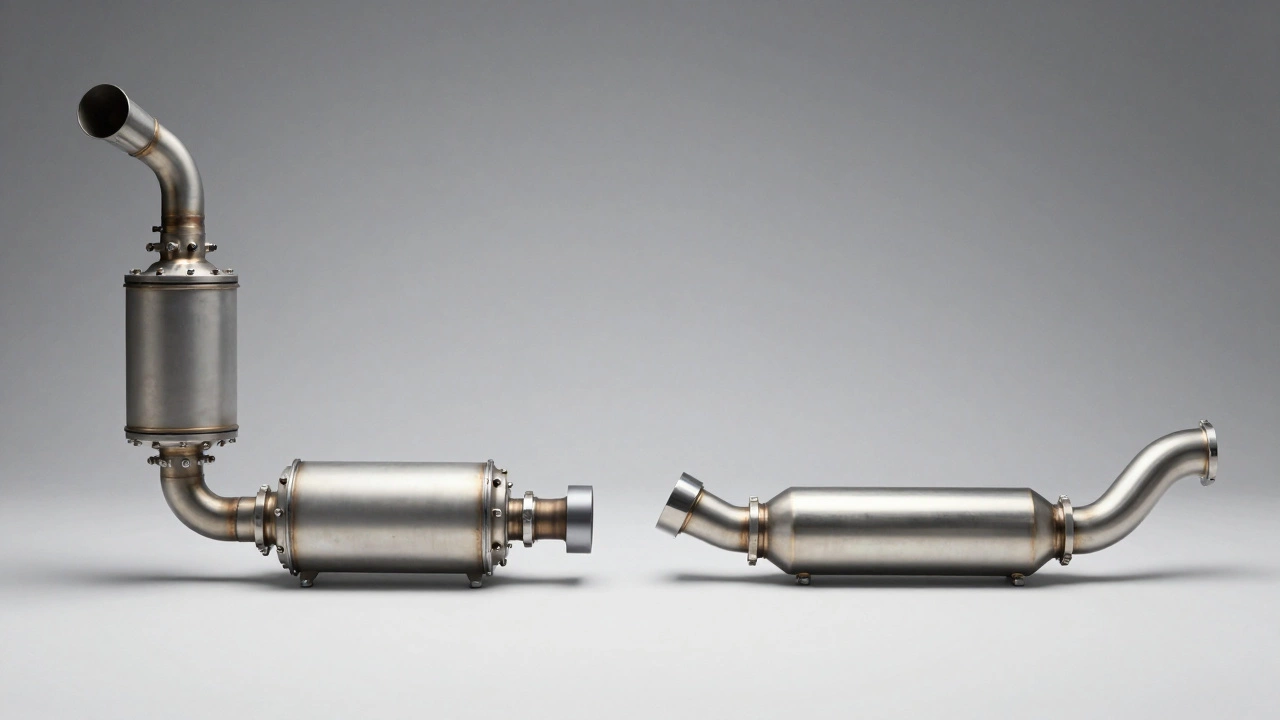
You might love the way your car screams, but the next buyer might not. Modifying the exhaust is a polarizing change. A potential buyer seeing a loud, non-standard exhaust often assumes the car has been "thrashed" or driven hard, even if you've babied it. This can lead to lower offers or a smaller pool of interested buyers.
Furthermore, if you've removed the catalytic converters, the car becomes nearly impossible to sell to a buyer who cares about legality and emissions. The most sensible way to handle this is to keep your stock system in the garage, but that means spending money and space to store a heavy piece of metal you no longer use.
Hidden Costs Beyond the Purchase Price
The sticker price of the exhaust is just the beginning. If you aren't a seasoned mechanic, you'll pay for professional installation. Then there's the potential for increased insurance premiums; some insurance companies view modifications as an increased risk.
You also have to consider the fuel costs. While some claim a more efficient exhaust improves MPG, the reality is that most people who install loud exhausts tend to drive more aggressively. When you're tempted to downshift just to hear the engine roar, your fuel economy drops significantly. You aren't paying for the exhaust with just your wallet; you're paying for it at the pump.
Will an aftermarket exhaust void my warranty?
It likely won't void your entire vehicle warranty, but it will almost certainly void any warranty claims related to the exhaust system or the engine's emissions components. If a sensor fails or an engine issue occurs, the manufacturer can point to the modified exhaust as the cause.
Can I just put the stock mufflers on an aftermarket pipe?
This is called a "hybrid setup" and is possible if the pipe diameters match. It can help reduce drone while keeping some of the high-flow benefits, but it usually requires custom welding and might look messy if not done by a pro.
Does a louder exhaust actually mean more power?
Not necessarily. While reducing restriction can allow an engine to breathe better at high RPMs, noise is a byproduct of the system, not a measure of power. You can have a very loud car that actually makes less torque than the stock version due to a loss of backpressure.
What is the best way to stop exhaust drone?
The best way to stop drone is to install a resonator or a high-quality muffler designed specifically for your car's engine frequency. Adding sound-deadening material (like Dynamat) to the trunk and floor of the car can also help soak up those annoying vibrations.
Are cat-back systems safer than full systems?
Yes, in terms of legality and engine health. A cat-back system replaces everything from the catalytic converter back to the rear. Since the catalytic converter remains untouched, you avoid most emissions legal issues and avoid triggering the Check Engine Light.
Next Steps for Your Setup
If you're still determined to change your sound, start with a cat-back system rather than a full exhaust. This keeps your emissions legal and protects your warranty on the engine's core components. If you find the noise is too much, look into adding a resonator to kill the drone before you commit to a full system.
For those who prioritize performance, don't just bolt on a pipe. Look into a combined package that includes a high-flow intake and a software tune. This ensures that the extra air flowing out of the exhaust is balanced by extra air coming in, preventing the loss of low-end torque.