Electrostatic vs. HEPA Filter Cost & Performance Calculator
Your Household Profile
5-Year Projection
Particle Capture Efficiency Comparison
Visualizing what each filter captures based on particle size.
You might have seen them advertised as the 'forever' solution for clean air. Electrostatic air filters promise to trap dust and allergens without ever needing a replacement cartridge. It sounds like a dream for anyone tired of buying new filters every few months. But before you swap out your current setup, there’s a catch that manufacturers don’t always shout about from the rooftops. While these filters are innovative, they come with specific drawbacks that can impact their performance, your wallet, and even your health if not managed correctly.
I’ve spent years testing various HVAC components here in Manchester, where damp air and seasonal pollen make indoor air quality a constant battle. The truth is, electrostatic technology isn't magic; it's physics, and like all physical systems, it has limits. If you're considering switching to this type of filtration, you need to understand what happens when those static charges fail or when the filter gets too dirty to breathe through.
What exactly is an electrostatic air filter?
Electrostatic air filter is a reusable air purification device that uses an electric charge to attract and capture airborne particles. Unlike standard mechanical filters that rely on dense fibers to block debris, these filters ionize the air or charge the filter media itself. This creates a magnetic-like pull that grabs dust, pollen, and pet dander, allowing them to stick to the surface rather than passing through.
The Cleaning Burden Is Real
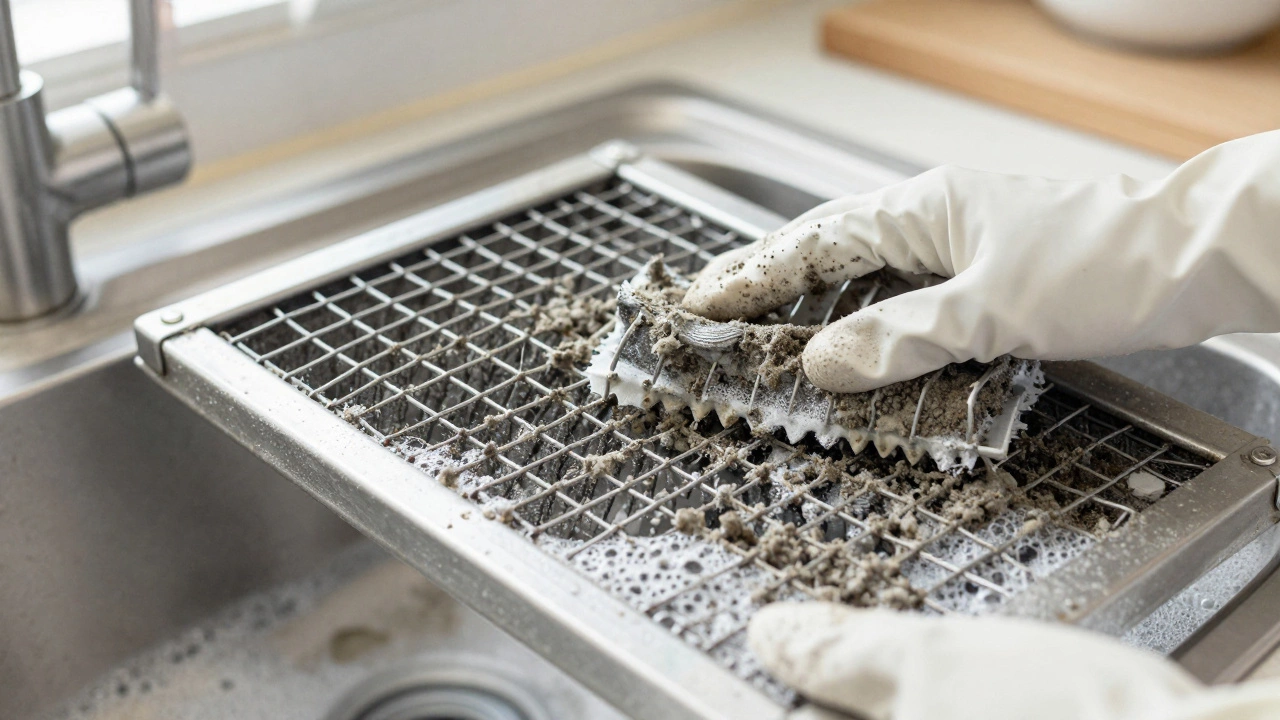
The biggest selling point of an electrostatic filter is reusability. However, this comes at a cost: labor. You cannot just toss these filters in the trash when they’re full. Instead, you have to wash them. And I mean really wash them. Because the mechanism relies on an electrical charge, any residue left behind can disrupt performance. You’ll need to soak them in warm water, sometimes with mild detergent, rinse them thoroughly, and then let them dry completely-often for 24 hours-before reinstalling them.
If you live in a busy household with pets or kids, you might find yourself doing this monthly. Compare that to swapping a disposable HEPA filter, which takes ten seconds. For many people, the time investment outweighs the savings on replacement costs. Plus, if you forget to clean it regularly, the filter becomes clogged. A clogged electrostatic filter doesn't just stop filtering; it restricts airflow, forcing your HVAC system to work harder and increasing your energy bills.
Particle Size Limitations
Here’s where things get technical but crucial for your health. Electrostatic filters are great at catching larger particles like dust bunnies, lint, and visible pollen. They struggle significantly with microscopic threats. Studies show that while they can capture up to 90% of particles down to 1 micron, their efficiency drops sharply for anything smaller. Think about viruses, bacteria, and ultrafine particulate matter (PM2.5). These tiny invaders often slip right past the electrostatic field because they lack enough mass to be effectively charged or captured by the weak static force.
In contrast, a true HEPA filter captures 99.97% of particles as small as 0.3 microns. If you suffer from severe asthma, allergies to mold spores, or concerns about viral transmission, an electrostatic filter alone might give you a false sense of security. It’s a good first line of defense against household dust, but it’s not a medical-grade air purifier. You might need to pair it with another filtration method to get comprehensive protection.
Ozone Generation Risks
This is perhaps the most controversial downside. Some electrostatic air cleaners, particularly older models or those using corona discharge technology to generate ions, produce ozone as a byproduct. Ozone (O3) is a powerful oxidant that can irritate the lungs, worsen asthma symptoms, and damage respiratory tissue over time. The Environmental Protection Agency (EPA) warns that ozone-generating devices should not be used indoors due to these health risks.
While many modern electrostatic filters claim to be 'zero-ozone,' it’s essential to check the specifications. Look for certifications from organizations like AHAM (Association of Home Appliance Manufacturers) that verify low or no ozone emissions. If your device has a slight smell of 'fresh rain' or lightning after use, that’s likely ozone. In that case, it’s better to avoid it, especially if you have children, elderly family members, or anyone with respiratory conditions in the home.

Performance Degradation Over Time
Even though these filters are marketed as durable, the materials degrade. The mesh or plates inside the filter can corrode, bend, or lose their ability to hold a charge after repeated washing cycles. Most manufacturers suggest replacing the unit every two to five years, depending on usage. That’s still cheaper than buying disposable filters annually, but it’s not truly 'forever.'
Additionally, humidity plays a tricky role. In places like Manchester, where dampness is common, high humidity can neutralize the static charge on the filter. When the charge dissipates, the filter loses its ability to attract particles. You might end up with a wet, ineffective filter that does little more than act as a screen. Regular cleaning helps, but in consistently humid environments, the performance drop can be noticeable.
Comparison: Electrostatic vs. HEPA
| Feature | Electrostatic Filter | HEPA Filter |
|---|---|---|
| Particle Capture Efficiency | Good for large particles (>1 micron) | Excellent for all sizes (down to 0.3 microns) |
| Maintenance | Requires washing and drying | Replace every 6-12 months |
| Airflow Restriction | High if not cleaned frequently | Consistent until replaced |
| Ozone Risk | Possible in some models | None |
| Long-term Cost | Lower material cost, higher labor | Higher material cost, zero labor |
As you can see, the choice depends on your priorities. If convenience and maximum filtration are key, HEPA wins. If you want to reduce waste and don’t mind regular cleaning, electrostatic might appeal to you-but only if you choose a safe, low-ozone model.
When Might It Still Make Sense?
Despite the downsides, electrostatic filters aren’t useless. They excel in pre-filtration roles. By placing one before a main HEPA filter, you can extend the life of the expensive HEPA unit. The electrostatic filter catches the big stuff-dust, hair, lint-so the HEPA filter doesn’t get clogged as quickly. This hybrid approach combines the best of both worlds: easy cleanup of coarse debris and deep cleaning of fine particles.
Also, if you’re environmentally conscious and hate throwing away plastic-wrapped filters, the reusability factor is a genuine plus. Just ensure you’re diligent about maintenance. A neglected electrostatic filter is worse than no filter at all.
Final Thoughts on Choosing Your Filter
So, should you buy an electrostatic air filter? It depends. If you’re looking for a set-and-forget solution that handles everything from dust to viruses, look elsewhere. But if you’re willing to put in the effort to wash and maintain it, and you primarily want to tackle household dust and pet dander, it can be a viable option. Always prioritize health and safety over convenience. Check for ozone certifications, read reviews from users in similar climates, and consider your own willingness to perform regular maintenance.
Clean air is worth investing in, but make sure you’re getting what you pay for. Don’t let marketing gloss over the limitations. Understand how the technology works, know its weaknesses, and choose wisely based on your specific needs. Whether you stick with traditional filters or try something new, the goal remains the same: breathing easier, healthier air every day.
For those interested in exploring other niche directories or resources outside of home improvement, such as this directory, you'll find that specialized platforms often serve very specific communities with curated listings, much like how specialized air filters target particular pollutants.
Do electrostatic air filters remove odors?
Not directly. Electrostatic filters capture solid particles, not gases or volatile organic compounds (VOCs). To remove odors, you’d need a filter with activated carbon, which adsorbs gaseous pollutants. Many units combine electrostatic pre-filters with carbon layers for better odor control.
How often should I clean my electrostatic filter?
Ideally, every 2-4 weeks, depending on usage and environmental factors like pet hair or smoking. If you notice reduced airflow or increased dust accumulation in your home, it’s time to clean it immediately.
Can I use bleach to clean an electrostatic filter?
No. Bleach can damage the metal mesh or coating responsible for holding the static charge. Use warm water and mild dish soap instead. Harsh chemicals will shorten the filter’s lifespan and reduce its effectiveness.
Are electrostatic filters noisy?
Some models produce a faint humming sound due to the electrical component generating the charge. This is usually minimal but can be noticeable in quiet rooms. Check decibel ratings if noise sensitivity is a concern.
Is it safe for people with asthma?
Only if the model is certified ozone-free. Ozone can trigger asthma attacks. Additionally, since electrostatic filters don’t capture the smallest allergens as well as HEPA filters, asthmatics may benefit more from combining them with a true HEPA system.