Synthetic Oil Suitability Calculator
Not every engine benefits from synthetic oil. Use this tool to determine if the cost and chemical properties of synthetic oil are right for your specific vehicle situation based on age, mileage, and condition.
You’ve probably heard the sales pitch a thousand times. Synthetic oil is the gold standard. It lasts longer, protects better, and keeps your engine humming like it just rolled off the assembly line. But if it’s so perfect, why does your mechanic sometimes hesitate? Why do some older cars still run on conventional mineral oil?
There isn’t a single "best" oil for every situation. While Synthetic oil is engine lubricant chemically engineered from petroleum base stocks to offer superior performance and stability compared to conventional oil, it comes with distinct drawbacks that matter depending on your vehicle’s age, condition, and how you drive. Ignoring these downsides can lead to unexpected leaks, higher costs, or even premature wear in specific scenarios.
The Price Tag Stings More Than You Think
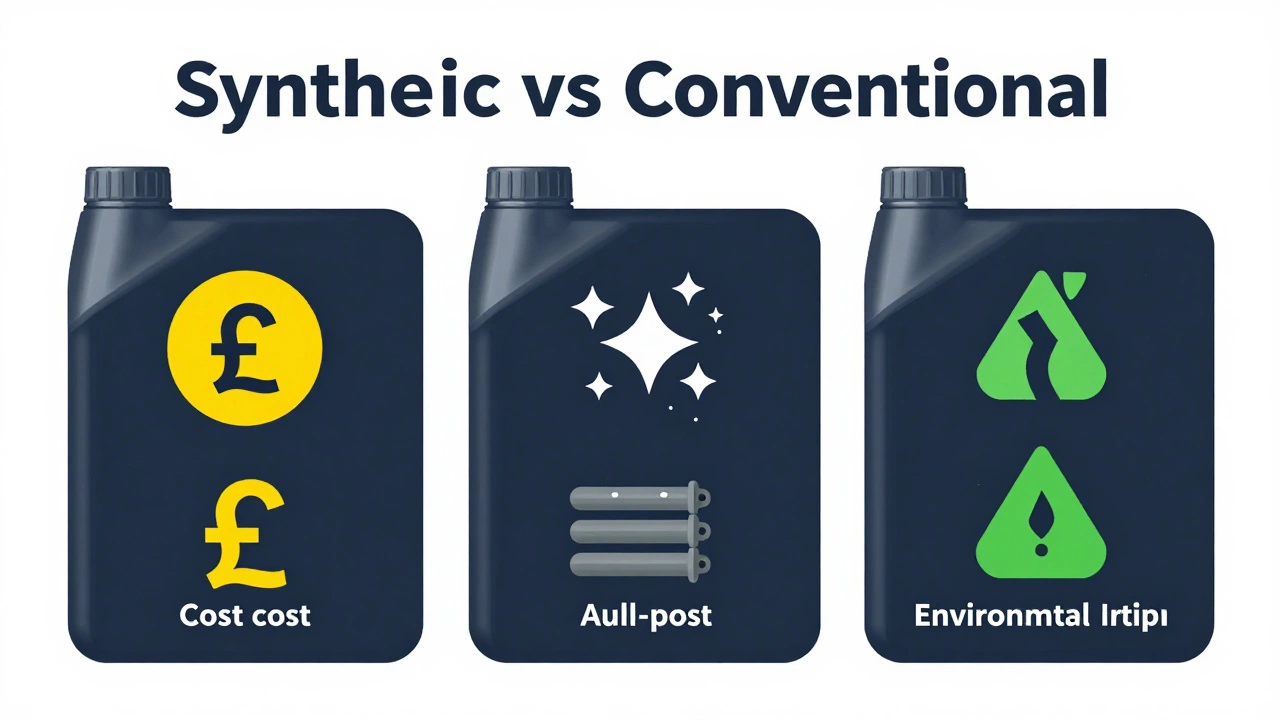
Let’s start with the most obvious barrier: cost. Synthetic oil isn’t just slightly more expensive; it’s significantly pricier than conventional alternatives. When you’re filling a small sedan, the difference might be £10 or £15. But if you drive a truck with a large V8 engine or a luxury car requiring premium specifications, that gap widens quickly.
Consider the math over time. If you change your oil every 10,000 miles (a common interval for synthetics), you might save on labor frequency but pay double per quart. For budget-conscious drivers, especially those maintaining older vehicles where maximum longevity isn't the primary goal, this added expense feels unjustified. You are paying for molecular precision that an older, worn-out engine simply cannot utilize effectively.
It Can Expose Existing Engine Problems
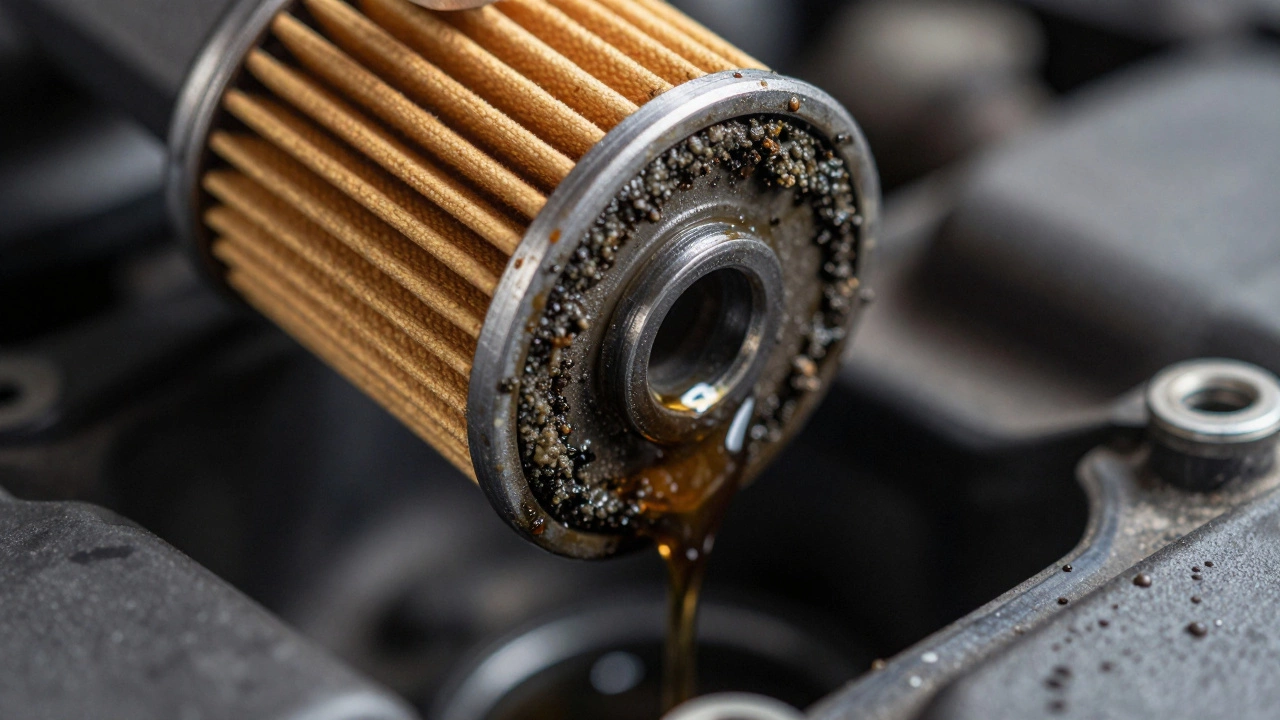
This is the one that surprises people the most. Synthetic oil is cleaner. It has detergents and dispersants designed to keep sludge and varnish suspended so they get filtered out during changes. In a brand-new engine, this is great. In a high-mileage engine with existing buildup, it can be disastrous.
Imagine your engine has been running on conventional oil for 150,000 miles. Over time, carbon deposits and sludge have formed around piston rings and valve seals. These deposits often act as makeshift gaskets, sealing minor gaps caused by wear. When you switch to high-quality synthetic oil, its superior cleaning power dissolves these deposits. Suddenly, those makeshift seals disappear. The result? Oil leaks past piston rings into the combustion chamber (burning oil) or seeps out through aging valve cover gaskets.
If your car already burns a quart of oil every 1,000 miles or has visible drips under the hood, switching to full synthetic without addressing the mechanical wear first is a bad idea. You aren’t fixing the problem; you’re just revealing it faster.
Compatibility Issues with Older Engines
Not all engines were built to handle the chemical composition of modern synthetics. Vehicles manufactured before the mid-1990s often used different materials for seals and gaskets-materials like natural rubber or early synthetic rubbers that weren’t designed to withstand the aggressive solvents found in full synthetic oils.
These older seals can swell, harden, or degrade when exposed to the harsher chemistry of synthetic blends. This leads to accelerated leakage. If you own a classic car or a high-mileage daily driver from the 80s or early 90s, sticking to conventional oil or a specialized "high-mileage" blend (which contains conditioners to soften old seals) is usually the safer bet. Full synthetic might eat away at the very components keeping your engine sealed tight.
| Factor | Synthetic Oil | Conventional Oil |
|---|---|---|
| Initial Cost | High (2x-3x price) | Low |
| Cleaning Power | Aggressive (can expose leaks) | Moderate (maintains status quo) |
| Old Seal Compatibility | Poor (may degrade old rubber) | Good (gentler on aged materials) |
| Turbocharger Protection | Excellent (high heat resistance) | Fair (breaks down faster) |
| Short-Trip Performance | Superior (flows cold) | Adequate (unless extreme cold) |
False Sense of Security Leads to Neglect
Here’s a psychological trap many drivers fall into. Because synthetic oil lasts longer-often up to 10,000 or even 15,000 miles between changes-drivers assume their engine needs less attention overall. They stop checking fluid levels, ignore warning lights, or delay other maintenance tasks because "the oil is fine."
Oil doesn’t just lubricate; it cools, cleans, and protects against corrosion. Even the best synthetic oil degrades over time due to contamination from fuel blow-by, moisture, and metal particles. Extending intervals too far beyond manufacturer recommendations can lead to acid buildup and increased wear. Just because you *can* go 10,000 miles doesn’t mean you *should* if you drive in severe conditions (stop-and-go traffic, extreme heat, or towing).
Environmental Concerns Are Not Zero
We tend to think of synthetic as "cleaner" technology, which is true for engine performance, but not necessarily for environmental impact. The production process for synthetic base stocks is energy-intensive. It involves complex chemical refining processes that require significant heat and pressure, leading to a higher carbon footprint during manufacturing compared to simpler conventional oil refining.
Furthermore, because synthetic oil is so effective at resisting breakdown, it can be harder to recycle properly in some facilities. While most oil recycling centers accept both types, the additives in synthetics can sometimes complicate the re-refining process. If you’re environmentally conscious, remember that the "greenest" oil is the one you don’t waste-so sticking to recommended change intervals is key, regardless of type.

When Is Synthetic Actually Worth It?
To balance the scale, let’s look at where synthetic shines. If you have a modern turbocharged engine, synthetic is non-negotiable. Turbos spin at speeds exceeding 100,000 RPM and generate immense heat. Conventional oil breaks down under this stress, leading to catastrophic failure. Synthetic maintains its viscosity and protective film integrity where conventional oil turns to sludge.
Similarly, if you live in Manchester and face freezing winters, synthetic’s low-temperature flow properties ensure immediate lubrication at startup. Cold starts cause the most engine wear, and synthetic gets moving faster than thick conventional oil.
How to Decide What’s Right for Your Car
Don’t just follow trends. Look at your owner’s manual. If it says "Synthetic Recommended," use it. If it says "Conventional Acceptable," consider your driving habits and engine condition.
- Newer cars (post-2010): Stick with synthetic or synthetic blend. The tolerances are tighter, and emissions systems are sensitive.
- High-mileage engines (>75,000 miles): Use a high-mileage synthetic blend. It offers some benefits without the aggressive cleaning agents that might trigger leaks.
- Older classics (pre-1990): Stick to conventional unless you’ve rebuilt the engine with modern seals.
- Budget constraints: A synthetic blend is a sweet spot. It gives you about 70% of the benefits of full synthetic at 40% of the extra cost.
Can I mix synthetic and conventional oil?
Yes, you can mix them in an emergency. Modern oils are compatible, and mixing won’t damage your engine immediately. However, you lose the full benefits of the synthetic oil. It’s best to complete the drain and refill with one consistent type for optimal performance.
Does synthetic oil void my warranty?
No, using synthetic oil generally does not void your warranty. In fact, many manufacturers now require it. As long as the oil meets the API (American Petroleum Institute) standards and viscosity grade specified in your manual, you are protected.
Why does my mechanic recommend changing oil sooner than the manual says?
Mechanics often see the worst-case scenarios. If you drive in "severe service" conditions-heavy traffic, short trips, extreme temperatures, or dusty roads-the oil contaminates faster. The manual’s "normal" interval assumes ideal highway driving. Adjust based on your actual usage.
Is synthetic oil better for turbocharged engines?
Absolutely. Turbochargers operate at extremely high temperatures. Conventional oil can break down and form carbon deposits inside the turbo housing, leading to failure. Synthetic oil resists thermal breakdown, ensuring the turbo stays clean and lubricated.
What is the main disadvantage of synthetic oil for high-mileage cars?
The main risk is that its strong detergents can dissolve existing sludge and deposits that are currently acting as seals for worn parts. This can lead to new oil leaks or increased oil consumption in engines with significant wear.