Car Won’t Start – Diagnose the Problem Fast
When dealing with car won’t start, the frustrating moment when the engine refuses to crank or fire. Also known as engine no‑start, it usually signals a breakdown somewhere in the power or ignition chain. A weak battery, the main source of electricity for turning the starter is the most common culprit, especially after cold nights or when lights are left on. If the battery looks fine, the next suspect is the spark plug, the component that creates the spark to ignite fuel; fouled or worn plugs will prevent combustion even if the engine turns over. The fuel pump, the device that pushes fuel from the tank to the engine can also fail, starving the cylinders of the necessary fuel. Finally, a faulty starter motor, the motor that physically cranks the engine will leave you with a silent key turn. Understanding how these parts interact helps you pinpoint the problem quickly.
Key Components to Check First
Start with the simplest tests. Pop the hood and look at the battery terminals – any corrosion, loose cables, or a sagging strap can cut off power. A quick voltage check with a multimeter (around 12.6 V at rest, 13.7–14.7 V while running) tells you if the battery is healthy. Next, listen for the click of the starter. A rapid clicking sound usually means the starter is getting power but can’t spin, hinting at a weak battery or a bad starter solenoid. If the engine cranks normally but won’t fire, the spark plug line is the next suspect. Pull one plug, inspect the electrode – if it’s blackened, eroded, or covered in fuel residue, replace it. While you’re at it, sniff the intake for fuel smell; a strong gasoline odor suggests the fuel pump is delivering but ignition isn’t happening. Conversely, a faint or no smell could mean the pump isn’t working, which you can verify by listening for a quiet whirring sound near the fuel tank when you turn the key to the “on” position. These quick checks let you rule out the big three – battery, spark plugs, and fuel pump – before moving to deeper diagnostics.
If the basic tests point to a healthy battery and good spark, the ignition system still has several moving parts. The crankshaft position sensor tells the engine control unit when to fire the spark plugs; a failed sensor will keep the ECU from sending a spark at the right time, leading to a no‑start condition. Similarly, the camshaft sensor works in tandem, and a fault here can cause the same symptom. Both sensors are inexpensive to replace and easy to test with an OBD‑II scanner that reads sensor data in real time. Another often‑overlooked part is the engine’s immobilizer – if the key’s transponder isn’t recognized, the car will refuse to start as a security measure. In that case, you’ll usually see a flashing security light on the dashboard. Checking the immobilizer involves confirming the key’s chip is intact and that the antenna ring around the ignition barrel is clean.
By the time you’ve walked through batteries, spark plugs, fuel delivery, starter motors, and sensors, you’ll have a solid picture of why your car won’t start. The steps above give you a practical roadmap to diagnose most common issues without needing a garage right away. Below you’ll find a curated set of articles that dive deeper into each of these areas – from detailed spark plug replacement guides to fuel pump troubleshooting and starter motor repair tips. Use them to fine‑tune your troubleshooting, learn the exact procedures, and decide whether a DIY fix is within reach or a professional visit is the safer bet. Happy hunting, and may your next ignition be smooth and painless.

How to Test for a Bad Fuel Pump: 5 Simple Diagnostics
Jul 12 2026 / Fuel PumpsLearn how to test for a bad fuel pump with 5 simple diagnostics. From listening for the prime hum to checking pressure and voltage, find out if your car's starting issues are caused by fuel delivery problems.
VIEW MORE
What Are the Symptoms of a Failing Fuel Pump?
Feb 8 2026 / Fuel PumpsLearn the key symptoms of a failing fuel pump-from engine sputtering and hard starts to whining noises and sudden stalling. Know the signs before you're stranded.
VIEW MORE
What Are Symptoms of a Fuel Pump Going Out? Signs You Can't Ignore
Dec 1 2025 / Fuel PumpsLearn the real signs your fuel pump is failing - engine sputtering, hard starts, loud noises, and power loss. Don't wait until you're stranded.
VIEW MORE
Will a Car Still Run with a Bad Fuel Pump? What Happens and What to Do
Dec 1 2025 / Fuel PumpsA bad fuel pump can cause your car to stall, hesitate, or refuse to start. Learn the signs, why it happens, and what to do before you're stranded on the road.
VIEW MORE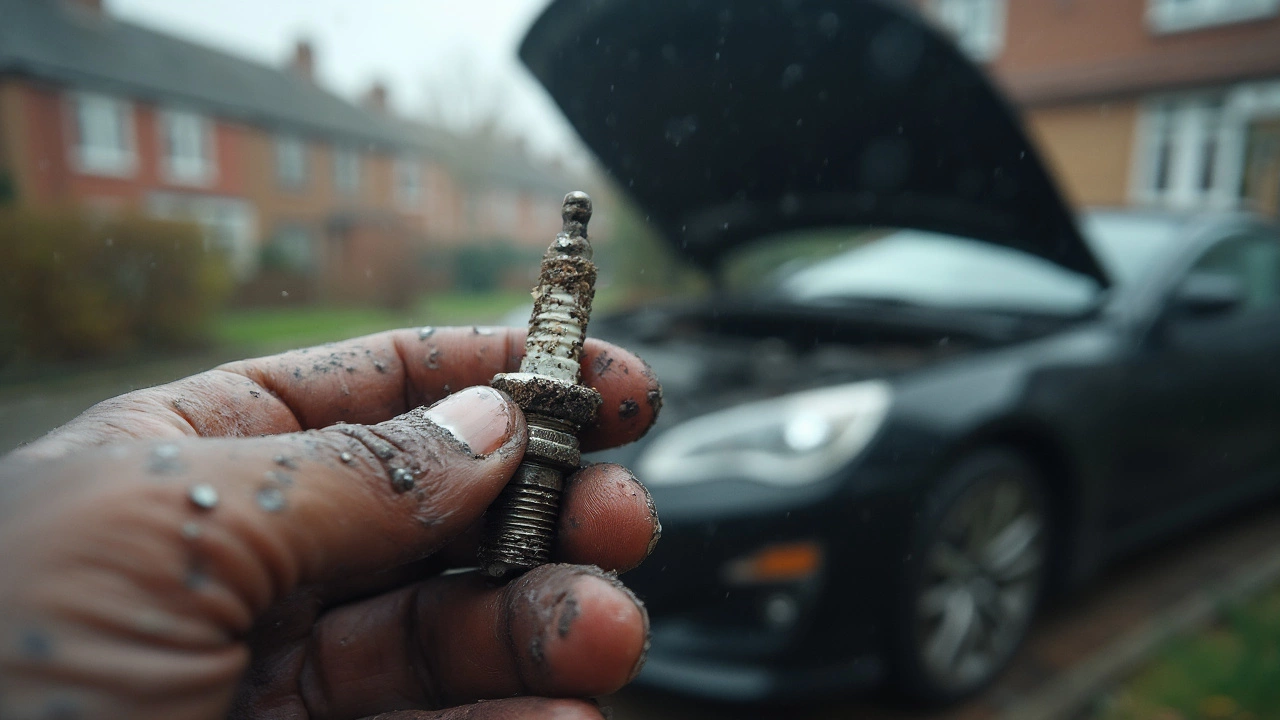
Can Bad Spark Plugs Stop Your Car from Starting? How This Tiny Part Can Leave You Stranded
Jun 23 2025 / AutomotiveEver had your car refuse to start for no obvious reason? Bad spark plugs might be the silent culprit. This article explores how something so small can completely stop your engine, what happens when spark plugs fail, and easy ways to spot trouble before you’re stranded. You’ll get simple tips, practical advice, and some intriguing facts to keep your car running smooth.
VIEW MORE