Car Oil Mistake Risk Analyzer
Determine if your engine needs immediate flushing or just monitoring.
Input Parameters
Analysis Results
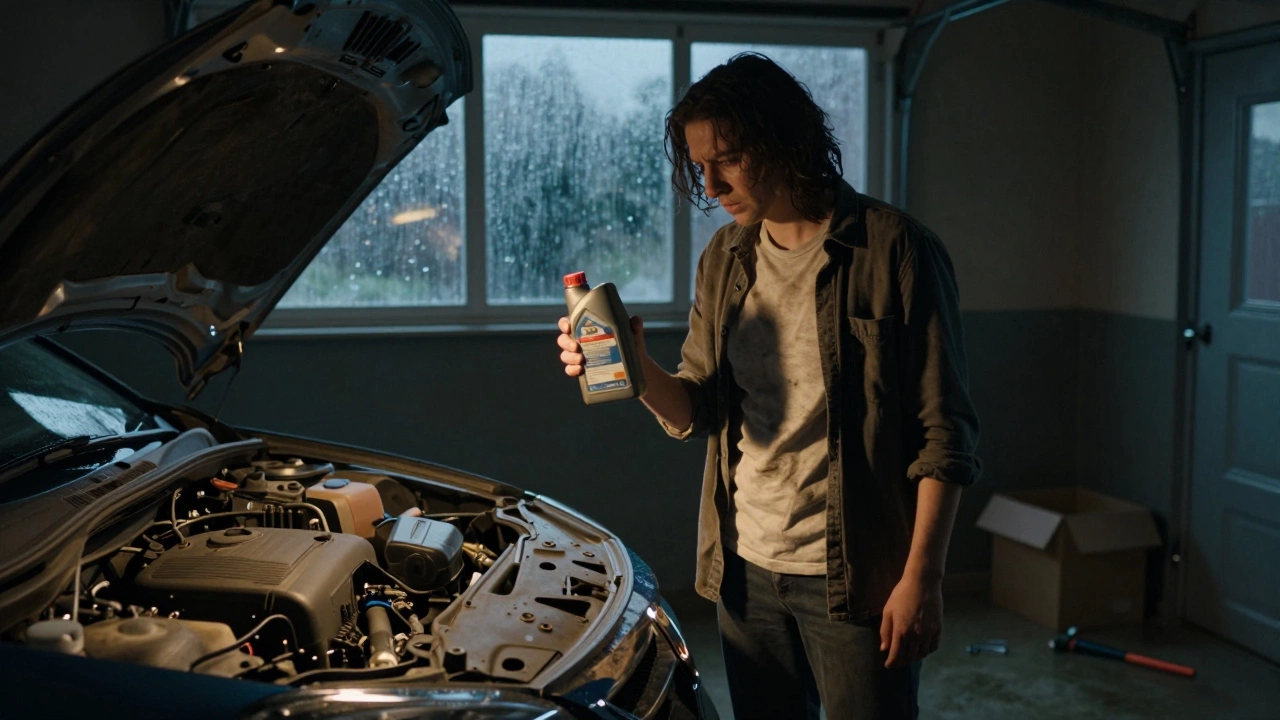
Imagine this: you finish an oil change at home, fire up the engine, and suddenly remember you grabbed the bottle meant for your father’s old diesel van. Now, you’re staring at that empty quart of synthetic fluid wondering if you’ve just ruined your entire vehicle. This panic happens more often than you think. A mix-up at the service station, a DIY error, or a mechanic’s slip-up can leave you driving on dangerous ground.
Engine Oil is the lifeblood of your vehicle, responsible for lubricating moving parts, cleaning sludge, and cooling internal components. When you select the wrong type, you aren't just making a minor error; you are disrupting the precise chemistry required to keep metal from grinding on metal. The consequences range from immediate mechanical failure to slow, costly degradation over thousands of miles. Understanding exactly what goes wrong helps you decide whether to drive to a garage immediately or wait until tomorrow.
The Immediate Physical Impact Inside Your Engine
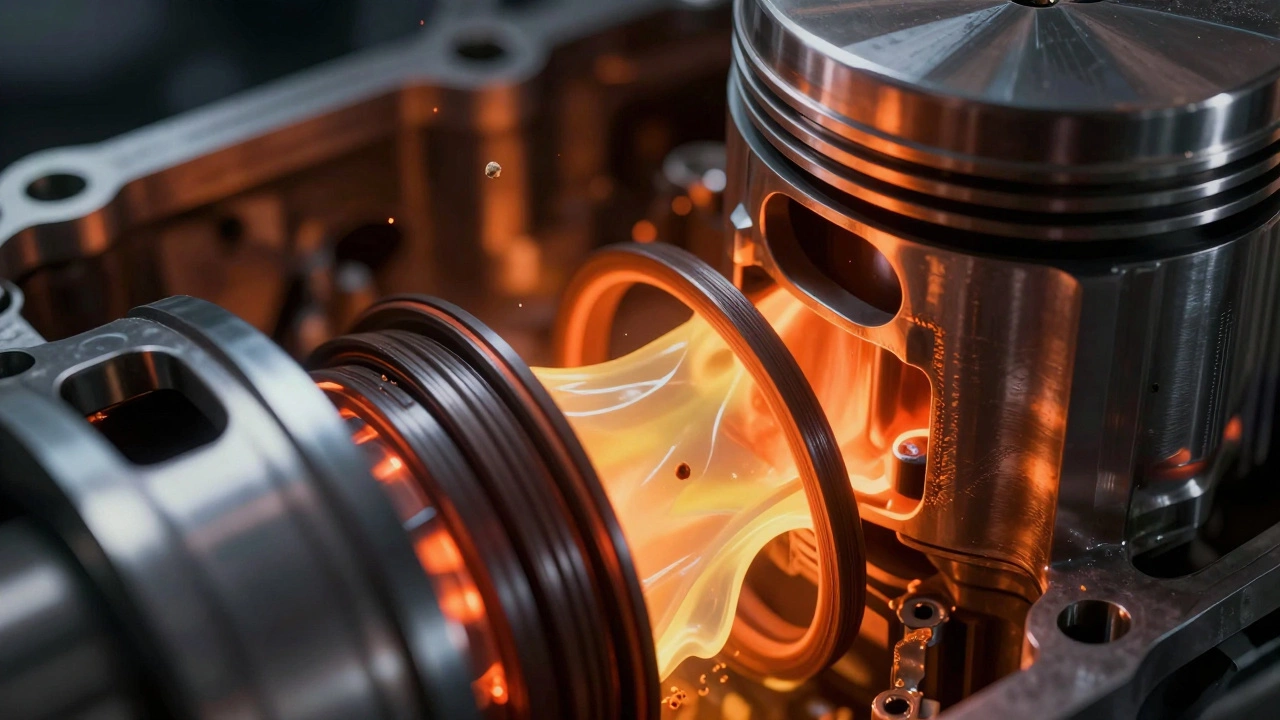
When incorrect oil enters the sump, the physics of lubrication change instantly. Your engine relies on a thin film of fluid between piston rings and cylinder walls. If the viscosity is too low-say, you used 0W-20 when you needed 10W-40-that film becomes too fragile. Under load, pressure breaks that film. Metal touches metal. Friction spikes, and heat builds up where there shouldn’t be any.
Conversely, if the oil is too thick, flow resistance increases. The Oil Pumpa critical component that circulates oil throughout the engine has to work harder to push sticky fluid through tight galleries. On a cold start, especially in Manchester mornings where temperatures drop below freezing, thick oil flows sluggishly. Critical parts like camshafts get starved of protection during those first ten seconds of operation, which is actually when most wear occurs.
Beyond simple thickness, chemical compatibility is the other silent killer. If your manual calls for Synthetic Oil, designed for high-performance durability and thermal stability. Mixing this with conventional mineral oil creates a compromised blend. Additives clash. Detergents meant to clean might stop working. Over time, this leads to varnish deposits and sludge formation, clogging tiny passages that regulate oil pressure.
Viscosity Ratings Decoded: Why the Numbers Matter
You see numbers like 5W-30 or 0W-20 on every bottle, but do they mean anything to you? These are SAE Ratingstandards established by the Society of Automotive Engineers to define fluid thickness at different temperatures. The first number with the 'W' indicates winter performance. The second number represents thickness at operating temperature.
Using 5W-30 in an engine built for 10W-40 isn't usually catastrophic overnight, but it reduces the safety margin. Engines designed for 10W-40 often have wider tolerances between parts because they were engineered before manufacturing precision improved. Thinner oil leaks past these seals faster, leading to increased consumption and lower oil pressure. High-mileage cars specifically benefit from thicker oils because worn clearance gaps need extra bulk to maintain lubrication.
On the flip side, modern turbocharged engines often demand 0W-20. Putting heavier 5W-30 oil into one of these restricts flow to the turbos. Turbines spin at speeds exceeding 100,000 RPM. Without rapid, thin oil flow to cool them, they seize quickly. A seized turbo means expensive repairs and a potential loss of power delivery while you're driving on the M6.
| Required Grade | Wrong Grade Used | Risk Level | Potential Damage |
|---|---|---|---|
| 0W-20 | 5W-30 | Medium | Turbo starvation, reduced fuel economy |
| 10W-40 | 5W-30 | High | Low oil pressure, increased engine knock |
| Synthetic Blend | Mineral Oil | Medium | Sludge accumulation, additive washout |
| Fully Synthetic | Standard Synthetic | Low | Reduced lifespan, less extreme temp protection |
Recognizing the Symptoms Before Disaster Strikes
Your engine will try to tell you something is wrong if you listen closely enough. It rarely screams immediately, but the signs appear sooner than expected. The first warning is usually noise. Valves ticking louder than usual means the hydraulic lifters aren't getting pressurized oil fast enough to collapse and reset properly. This sounds like a light machine-gun tapping when idling.
Look at the dashboard next. If the Oil Pressure Lightindicator on the instrument cluster warns of insufficient lubrication pressure flickers or stays on, pull over immediately. While a faulty sensor could cause this, combined with a recent fill-up, it points directly to flow restrictions. Another visual clue is exhaust smoke. Thick black smoke usually means unburnt oil entering combustion chambers because piston rings failed to seal properly due to inadequate lubrication.
Performance dips are also noticeable. You might feel hesitation when accelerating. The car feels sluggish because internal friction is fighting your throttle input rather than assisting motion. Temperature gauges rising into the red zone despite normal coolant levels indicate the engine cannot shed heat efficiently. Without proper oil circulation, heat concentrates around pistons and bearings, warping metal components permanently.
How to Fix the Mistake: Draining vs Flushing
If you realize the error right after filling, you have the best odds. Do not start the engine if you haven't already. Gravity will help you remove most of the liquid. Once the engine has run, the oil spreads across every corner of the system. Simply draining the pan won't catch everything trapped in the galleries and filter housing.
A standard oil change involves removing the plug and dropping the filter. This gets about 80 to 90 percent out. For a serious contamination event, many mechanics recommend a complete Oil Flush. This process uses solvents to dissolve remaining contaminants and sludge before refilling. There is debate among experts regarding flushing agents. Aggressive chemicals can dislodge large chunks of gunk that then clog the pickup screen. However, for a fresh mistake, a mechanical flush using fresh solvent oil is safer than harsh chemicals.
If the wrong oil was running for only a few minutes, draining and replacing the filter is sufficient. Change the filter immediately regardless; the media inside traps metal particles and debris created by the initial incompatibility. Always refill with the exact specification found in the user manual. Never guess based on the brand you bought last year. Engine tolerances evolve, and manufacturers update requirements constantly.
Cost Analysis: Repair Versus Replacement
The financial impact depends entirely on how long the engine ran before detection. If caught within 50 miles, the cost is minimal-just labor for a quick drain and new oil. If you drove 500 miles on 10W-60 instead of 0W-20 in a high-performance vehicle, you might face bearing failure. Big-end bearing damage usually requires rebuilding the bottom end, costing thousands of pounds.
Consider warranty implications here too. Many dealerships require strict adherence to maintenance schedules. Using non-approved fluids can void your warranty coverage even if the damage wasn't caused solely by that fluid. Document everything. Take photos of the bottles you bought. Keep receipts from the previous shop so you can prove you weren't negligent if a dispute arises later.
For older cars approaching 15 years of age, total replacement might be more cost-effective than an engine rebuild. In the UK market, Japanese JDM swaps or remanufactured units often offer better value than extensive machining services. Weigh the mileage carefully against the repair quote.

Preventing Future Oil Confusion
Mix-ups often stem from cluttered garages or auto shops reusing bins. Keep unused oil strictly separate from consumables. Label containers clearly with the date of purchase and the vehicle make. Before pouring anything, read the label twice. Check the bottle against the sticker on your filler cap or the booklet. Most manufacturers stamp the correct grade on the underside of the hood as a secondary reminder.
When hiring a professional, ask them to show you the bottle before pouring. Reputable garages display the oil to confirm the customer agrees with the chosen product. Trust but verify. Digital maintenance logs help track when changes occurred and what products were used, giving you peace of mind during resale.
Common Questions About Wrong Oil Scenarios
Can I top off with the wrong oil temporarily?
Only in extreme emergencies. Topping off with a slightly different grade is better than running with low levels, but it should be corrected during your next scheduled service to avoid long-term chemical issues.
Will one trip ruin my engine?
Usually not if detected quickly. Modern engines have robust tolerance limits. One trip of 20 miles is unlikely to cause permanent harm provided the oil was not significantly incompatible, like putting water-based antifreeze in the crankcase.
How much does an oil flush cost in the UK?
Prices vary by location and vehicle. Expect to pay between £80 and £150 including labour at independent garages in cities like Manchester. Main dealers may charge upwards of £200 for the same procedure.
Is mixing synthetic and mineral oil bad?
It is generally safe for short periods as base oils are similar. However, mixing compromises the advanced benefits of synthetic additives. For optimal performance and protection, stick to fully synthetic blends as specified by the manufacturer.
What is the worst oil mistake I can make?
Putting diesel fuel or brake fluid into the engine oil sump causes almost instant catastrophic failure. These substances destroy seals and lubricity completely. Even gasoline contamination dilutes the oil rapidly, stripping protection layers instantly.
Getting the right fluid into your vehicle is basic maintenance, but the stakes are higher than changing tires. Taking a moment to double-check labels saves you from nightmares involving the mechanic's bill. Whether you are maintaining a classic Mini or a hybrid Toyota, respecting the engineering specs ensures longevity. Remember, engines are forgiving, but they have limits. Stay vigilant, check your dipstick, and always stick to the recommended specification for the season and conditions you drive in.