Wiper Blade Size Checker
Check if your new wiper blade size is safe for your car. Incorrect sizes can cause scraping noises, paint damage, reduced visibility, and MOT failures in the UK.
Using the wrong size wiper blade might seem like a small mistake-after all, it still moves back and forth, right? But that’s exactly the problem. A wiper blade that’s too long, too short, or even just slightly off won’t clear your windshield properly. And when visibility drops in rain, fog, or snow, that small error can turn into a serious safety risk.
What happens when the blade is too long?
If you install a wiper blade that’s longer than what your car was designed for, it’ll overreach. The rubber edge will extend past the edge of the windshield and start dragging on the black rubber trim, the car’s body, or even the hood. You’ll hear a loud scraping or clicking noise, especially at higher speeds. Over time, this constant rubbing can scratch the paint, crack the trim, or even bend the wiper arm. Some people think a longer blade gives better coverage, but it doesn’t. Windshield shapes are engineered for specific blade lengths. Going longer doesn’t mean more clearance-it just means more damage.
What happens when the blade is too short?
A blade that’s too short leaves streaks and blind spots. Most cars have windshields that curve slightly at the edges. A shorter blade won’t reach those corners, leaving patches of water, dirt, or snow untouched. At night, when headlights reflect off wet patches, those blind spots become dangerous. You might think you’re seeing clearly, but you’re actually missing up to 15% of your view. In the UK, where rain is frequent and daylight is limited in winter, this isn’t just annoying-it’s illegal. The MOT test requires a clear, unobstructed view through the windshield. A blade that doesn’t cover the full swept area will cause a fail.
Why does the fit matter beyond size?
Size isn’t the only thing that matters. Wiper blades connect to the arm using different mounting systems: hook, pin, side-lock, or bayonet. If you grab a blade that’s the right length but uses the wrong connector, it won’t lock in place. You might force it on, but it’ll come loose mid-swipe. Imagine driving at 60 mph down the M6 and your wiper flies off-suddenly, you’re blind in a downpour. Even if it stays on, a mismatched connector can cause uneven pressure. That leads to chattering, skipping, or streaking. The blade needs to sit flat against the glass to work right.
What about aftermarket or universal blades?
Universal blades look tempting-they’re cheaper and claim to fit multiple cars. But they rely on adapters and extenders to make up for size mismatches. These add extra weight and stress to the wiper arm. Over time, the arm’s spring tension weakens, and the blade starts to bounce. You’ll notice a rhythmic tapping sound at certain speeds. That’s not just noise-it’s the arm losing contact with the glass. Some drivers swear by universal blades, but mechanics in Manchester see the damage every spring: bent arms, cracked windshields from debris caught under loose blades, and warped frames from years of improper pressure.
How to find the right size
You don’t need to guess. Every car has a factory-specified size for both driver and passenger side blades. Look in your owner’s manual-it’s usually in the maintenance section. If you don’t have it, check the old blade. Most have the size printed on the metal frame or the rubber edge. You can also search online using your car’s make, model, and year. Reputable auto parts sites like Halfords or Autodoc let you enter your registration number and show you the exact replacements. Don’t rely on store staff to guess. They’ve seen hundreds of cars, but they’re not infallible. One wrong size installed on a Ford Focus last winter caused a customer to miss a junction because the wiper didn’t clear the corner. He wasn’t speeding. He just couldn’t see.
What damage can it really cause?
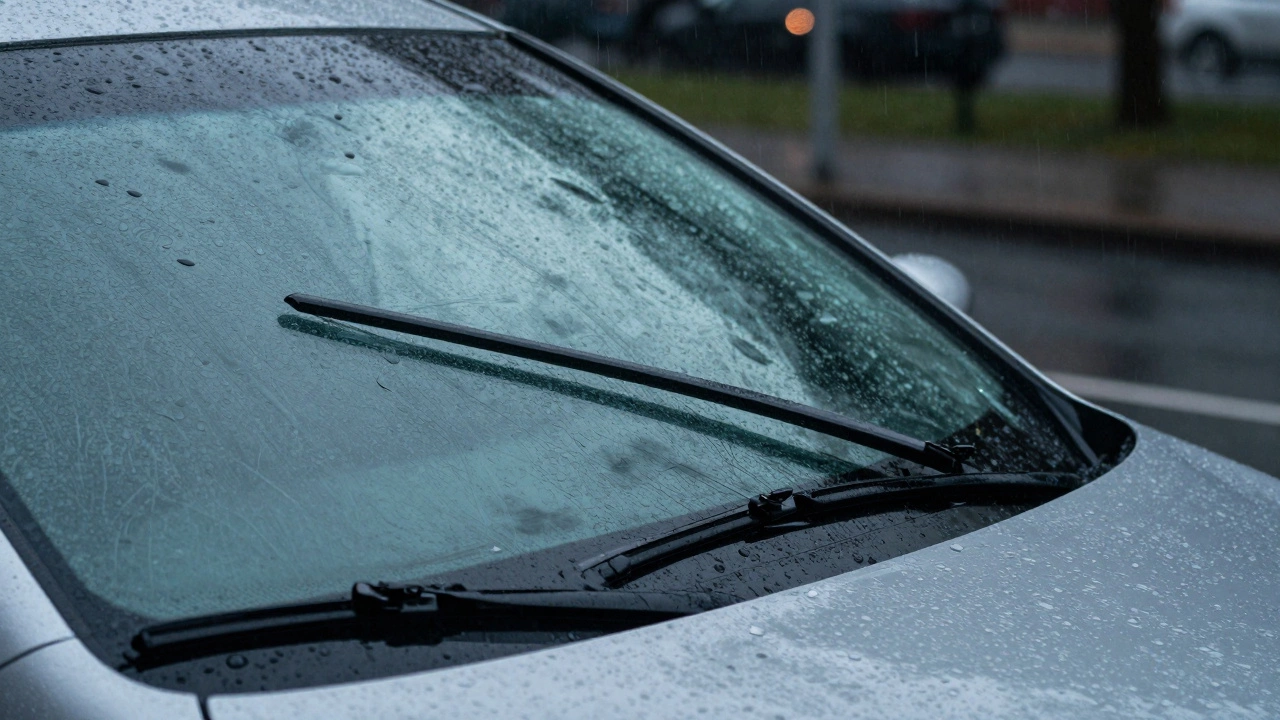
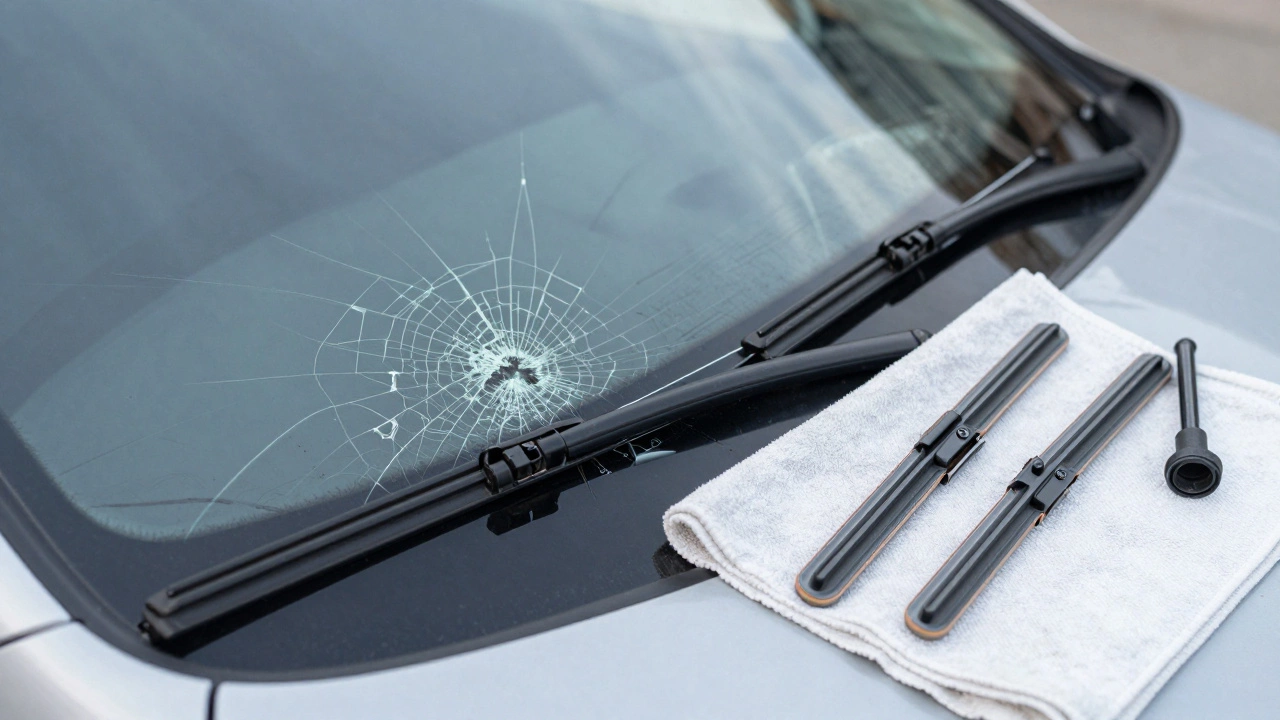
It’s not just about visibility. A mismatched blade can ruin your windshield. If the blade skips or bounces, the rubber edge drags grit across the glass. That creates fine scratches-microscopic at first, but they grow with every wipe. These scratches scatter light at night, making headlights and streetlamps look like halos. Replacing a windshield on a modern car costs between £300 and £800. A new pair of correct wiper blades? Around £20. That’s not a hard choice.
And then there’s the wiper arm. If a blade is too heavy or doesn’t sit right, the arm’s spring mechanism gets overworked. The arm loses tension. That means less pressure on the glass. Less pressure = poor contact = streaks. Eventually, the arm bends. Fixing that means replacing the whole arm assembly-another £100+.
What should you do if you already installed the wrong size?
Stop driving immediately if you hear scraping, see streaks that don’t go away, or notice the blade lifting off the glass. Remove the wrong blade and replace it with the correct one. If you’ve been driving with it for weeks, inspect the windshield for scratches. Run your finger across the glass-any rough patches mean it’s time for a professional polish or replacement. Check the wiper arms too. If they feel loose or don’t press evenly, they may need adjusting or replacing. Don’t wait for the next rainstorm to find out.
Pro tips to avoid mistakes
- Always replace both blades at the same time-even if one looks fine. They wear evenly, and mismatched blades cause uneven wiping.
- Check your blades every six months. Rubber hardens over time, especially in cold weather. Even the right size won’t work if it’s cracked or brittle.
- Don’t wait for winter to replace them. Rain starts in autumn. A good blade in October saves you from a dangerous December.
- Buy from trusted brands: Bosch, Rain-X, Michelin, or Valeo. Cheap blades may fit, but they don’t perform.
- Keep your windshield clean. Dirt and road grime wear out blades faster. Wash it regularly with car-specific cleaner.
Wiper blades are one of the cheapest parts on your car. But they’re also one of the most critical. You don’t need fancy tech to drive safely-you just need to see. And if your blades aren’t doing their job, nothing else matters.
Can I use a wiper blade that’s 1 inch longer than recommended?
No. Even a 1-inch difference can cause the blade to overreach and scrape the car’s body or trim. It won’t improve visibility-it’ll create noise, damage paint, and risk bending the wiper arm. Stick to the exact size listed in your owner’s manual or on the old blade.
Will the wrong size wiper blade damage my windshield?
Yes. A blade that skips or bounces drags dirt across the glass, creating fine scratches. These scratches scatter light at night and reduce visibility. Over time, they become permanent. Replacing a scratched windshield can cost hundreds of pounds-far more than buying the right blades in the first place.
How do I know if my wiper blades are the right size?
Check the old blade-it usually has the size printed on the metal frame. You can also look in your owner’s manual or enter your car’s registration on a trusted auto parts website like Halfords or Autodoc. Never guess. The driver and passenger side often have different sizes.
Why do my new wiper blades still streak?
Streaking isn’t always about size. It can mean the blade is damaged, the wiper arm is bent, or the windshield is dirty. Clean the glass with a dedicated windshield cleaner and inspect the blade for cracks or hardened rubber. If the arm doesn’t press evenly along the glass, it may need replacing.
Is it safe to drive with one wrong-sized wiper blade?
No. Even one incorrect blade creates blind spots and uneven wiping. In wet or foggy conditions, this reduces your reaction time. It also puts extra strain on the working blade and the wiper motor. You’re not just risking your safety-you’re risking an MOT failure and potential damage to your car.