Air Filter Efficiency Calculator
Filter Efficiency Comparison
When you hear "polarized air filter," you might think it’s some high-tech upgrade that traps more dust, pollen, and allergens than regular filters. But here’s the truth: polarized air filters - also called electrostatic air filters - come with real downsides that most homeowners and car owners don’t talk about. If you’re considering one, you need to know what you’re getting into.
They lose effectiveness fast
Polarized filters work by giving particles an electric charge as they pass through, making them stick to the filter material. Sounds smart, right? But here’s the catch: the charge fades over time. After just 30 to 60 days, depending on air quality and usage, the electrostatic charge weakens. That means your filter stops doing what it was designed to do. Unlike HEPA or pleated filters that physically trap particles, polarized filters rely on a temporary charge. Once that’s gone, you’re basically running a very expensive mesh screen.Many users don’t realize this until their allergies flare up or their HVAC system starts working harder. A study from the American Society of Heating, Refrigerating and Air-Conditioning Engineers (ASHRAE) found that after 45 days of continuous use, polarized filters lost over 70% of their original efficiency at capturing particles under 1 micron - the size of most viruses and fine dust.
They don’t catch the smallest particles
You might think polarized filters are great for allergens, but they’re terrible at catching the tiniest threats. Pollen, mold spores, and pet dander? Sure, they catch those okay - at first. But what about smoke, viruses, or ultrafine particulates from cooking or vaping? Those are often under 0.3 microns. Polarized filters barely touch them. In fact, research from the EPA shows that standard fiberglass filters sometimes outperform polarized ones at capturing these ultrafine particles because they’re denser.That’s why asthma sufferers and people with respiratory conditions often report no improvement - or even worse symptoms - after switching to polarized filters. They feel like they’re getting better filtration, but they’re not.
Maintenance is a hidden cost
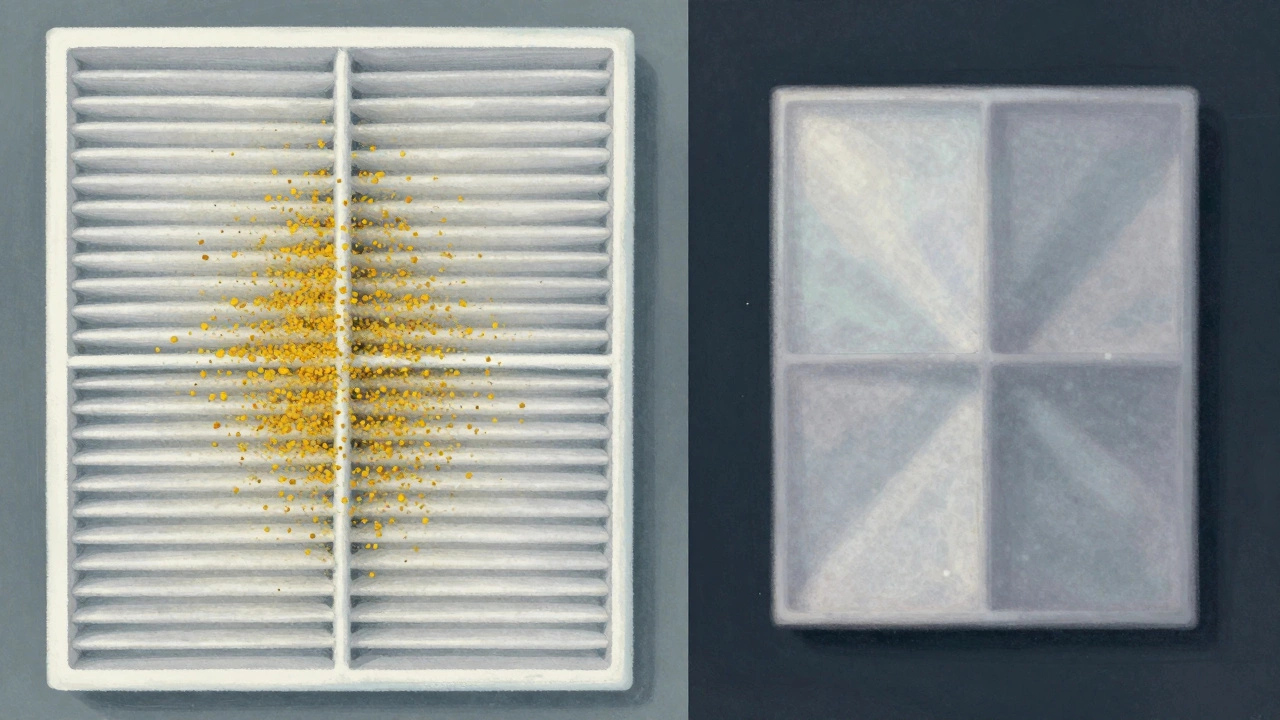
Polarized filters are usually marketed as "washable" or "reusable." That sounds great - no more buying new filters every three months. But here’s the reality: washing them doesn’t restore the charge. You can rinse them, dry them, and put them back in, but the electrostatic effect doesn’t come back. You’re just cleaning a dirty piece of plastic.And if you don’t clean them often enough? They get clogged. That forces your HVAC system to work harder, which spikes your energy bill. A 2024 home energy audit in Manchester found that households using poorly maintained polarized filters saw a 12-18% increase in heating and cooling costs over six months compared to those using disposable pleated filters.
Plus, washing them incorrectly - like using hot water or harsh detergents - can damage the material. Some users end up replacing them after just a year, which defeats the whole "save money long-term" promise.
They can make your system dirtier
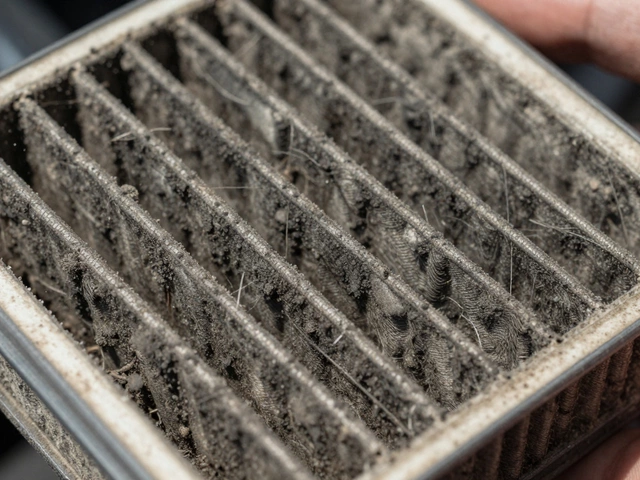
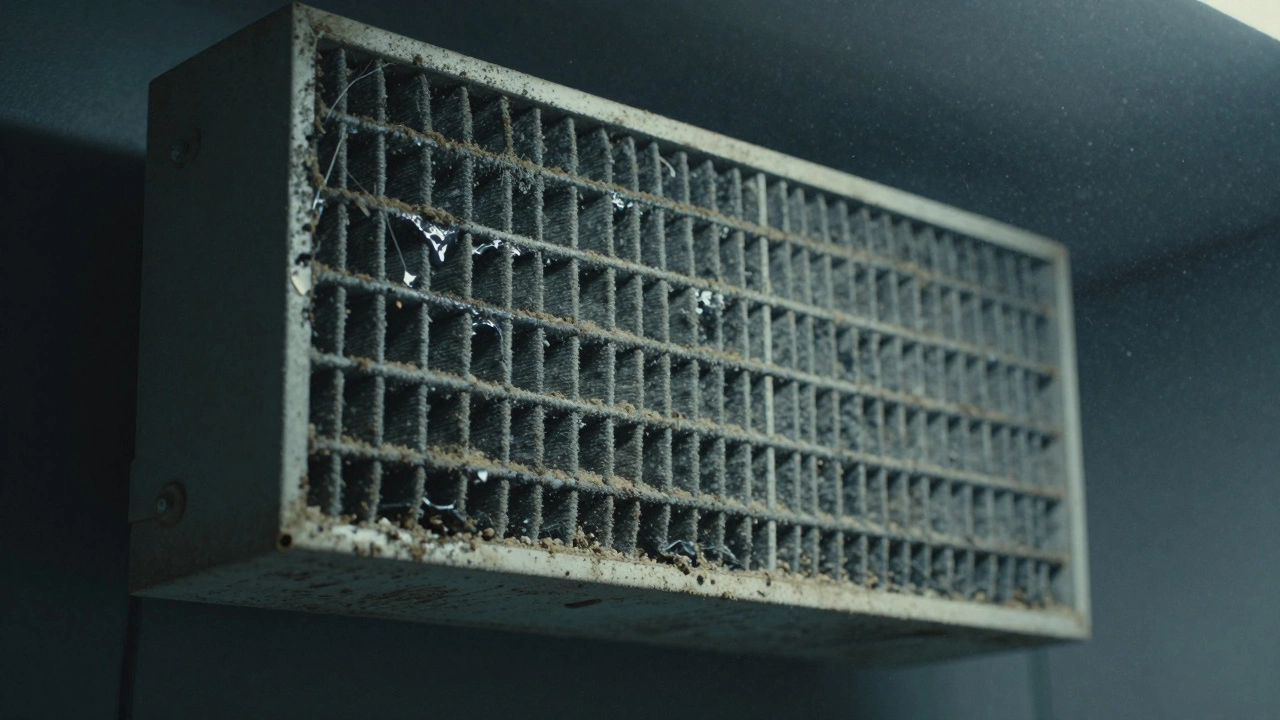
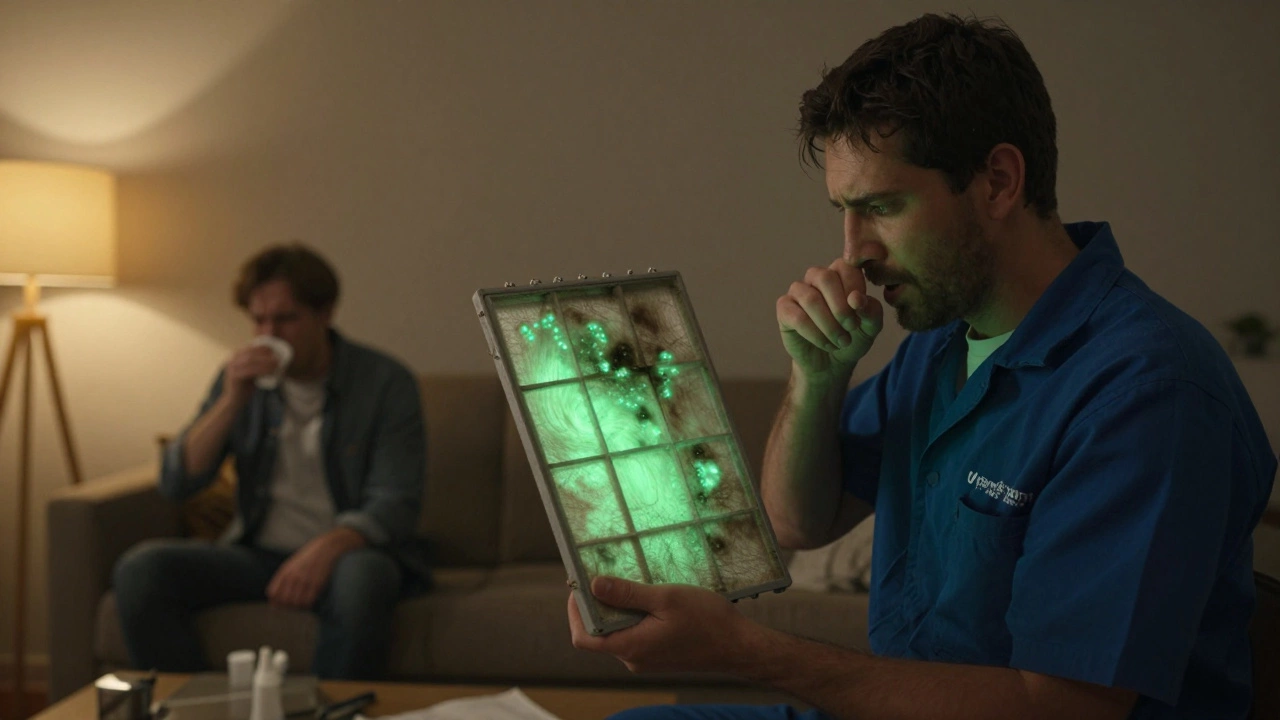
Here’s something most ads don’t mention: polarized filters can actually cause more buildup in your ducts and on your blower motor. Because the charge pulls particles to the filter surface, those particles don’t just stick - they cling. Over time, they form a sticky, greasy layer. When the filter gets wet from humidity or condensation (common in UK winters), that layer turns into a breeding ground for mold and bacteria.One HVAC technician in Greater Manchester told me he’s seen more mold contamination in ductwork from polarized filters than any other type. He calls them "mold magnets." And if your filter is dirty enough, particles can break loose and get blown back into your air.
They’re not better than high-MERV pleated filters
Let’s cut through the marketing: if you want real performance, go with a MERV 11 or MERV 13 pleated filter. These are made of dense, folded synthetic media that physically traps particles - no charge needed. They last 3-6 months. They capture 90%+ of particles down to 0.3 microns. They’re cheap - often under £15 per filter. And they don’t degrade over time.Compare that to polarized filters, which cost £30-£50 upfront and need constant cleaning. Even if you clean them perfectly, they still don’t match the consistent performance of a good pleated filter.
The bottom line
Polarized air filters sound futuristic. They look sleek. They promise reusable savings. But in practice, they’re unreliable, inefficient after a few weeks, and can even make indoor air worse. They’re a solution looking for a problem.If you’re tired of replacing filters every month, go with a high-quality pleated filter. If you want better air quality, invest in a HEPA air purifier for your bedroom. Don’t waste money on polarized filters - they’re not the upgrade you think they are.
Do polarized air filters really last longer than regular ones?
No. While they’re marketed as reusable, their electrostatic charge fades after 30-60 days, making them no more effective than a dirty regular filter. Cleaning them doesn’t restore performance, and many users replace them within a year anyway.
Can polarized filters help with allergies?
Not reliably. They capture larger allergens like pollen early on, but lose effectiveness quickly. They’re poor at trapping smaller particles like mold spores and pet dander, which often trigger allergic reactions. Many allergy sufferers report no improvement or even worse symptoms after switching.
Are polarized filters better for cars?
No. Automotive air filters don’t benefit from polarization. Car cabins have different airflow patterns and humidity levels. Most car manufacturers recommend standard pleated cabin filters because they’re consistent, affordable, and effective. Polarized filters for cars are rare and not recommended by mechanics.
Why do polarized filters cost more?
They cost more because of the materials and marketing. The electrostatic coating adds production cost, and companies sell them as "premium" or "high-tech." But their performance doesn’t justify the price. A £40 polarized filter doesn’t perform better than a £15 MERV 13 pleated filter that lasts longer.
Should I clean my polarized filter every month?
Cleaning it monthly won’t fix the core problem - the charge is gone. You’re just removing dirt from a filter that no longer works as designed. If you’re cleaning it that often, you’re better off switching to a disposable pleated filter and saving time and money.