Spark Plug Replacement Calculator
Enter Your Vehicle Details
Maintenance Status
Recommendation
Cost Estimation
| Parts Only: | $0 |
| With Labor (Shop): | $0 |
| Total DIY Savings: | $0 |
*Estimates assume a standard 4-cylinder engine. Costs vary by vehicle make/model.
Ready to Check
Enter your mileage details and select your spark plug type to see if it's time for a replacement.
Your car runs smoothly one day and hesitates the next. You check the gas tank, but it’s full. The culprit might be hiding under the hood in a small, overlooked component: the spark plug. These tiny devices create the electrical spark that ignites the fuel-air mixture in your engine cylinders. Without them, combustion doesn't happen, and your engine stalls. But how long do they actually last? There is no single answer because it depends entirely on the material they are made from.
If you are driving a modern vehicle, you might go 100,000 miles without touching them. If you have an older classic or a high-performance tuner car, you might need to replace them every 30,000 miles. Ignoring this maintenance can lead to poor fuel economy, rough idling, and eventually, a complete failure to start. Let's break down exactly how long different types last and what signs tell you it's time for a swap.
How Long Do Different Spark Plug Types Last?
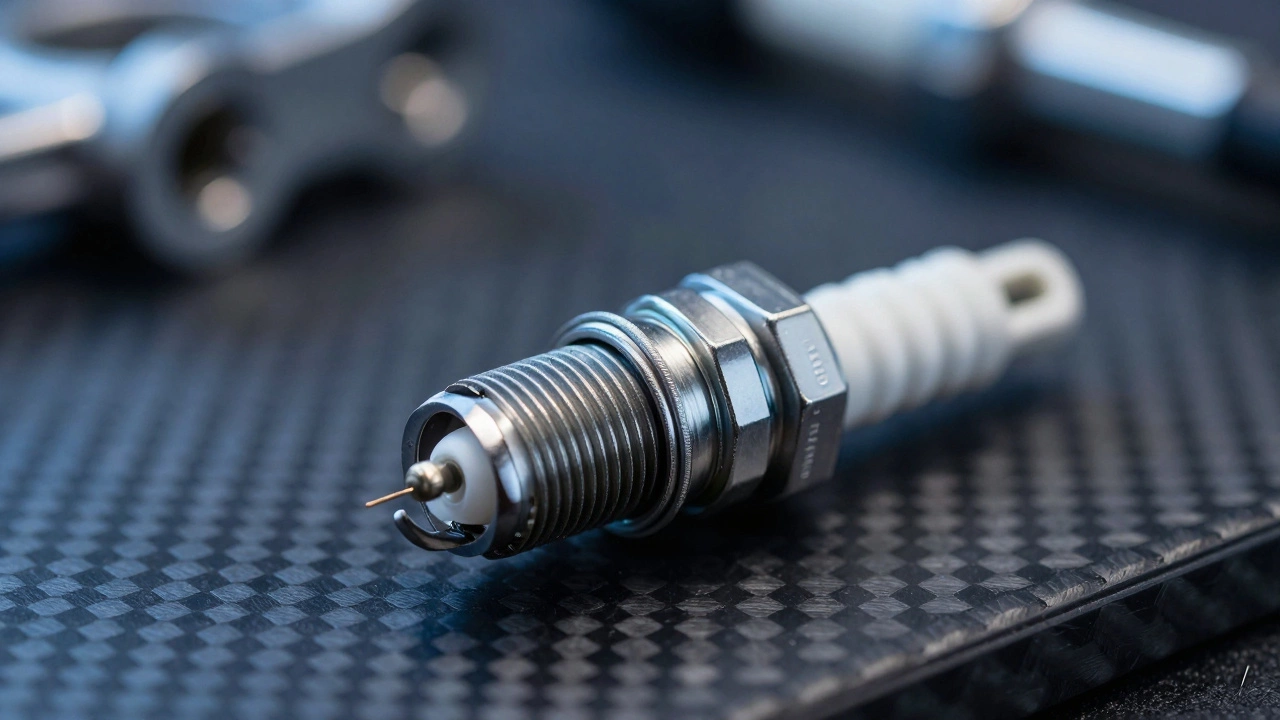
The lifespan of a spark plug is dictated by its electrode material. As the spark jumps across the gap between the center and ground electrodes, tiny particles erode away. Over time, this gap widens. When the gap gets too wide, the voltage required to jump it exceeds what your ignition coil can provide. The spark fails, the cylinder misfires, and performance drops.
| Material Type | Average Lifespan (Miles) | Cost Range (Per Plug) | Best For |
|---|---|---|---|
| Copper | 20,000 - 30,000 | $1 - $5 | Older vehicles, budget builds, frequent tuning adjustments |
| Nickel Alloy | 30,000 - 40,000 | $2 - $6 | Standard daily drivers, entry-level cars |
| Platinum | 60,000 - 90,000 | $5 - $10 | Long-life applications, many late-90s to mid-2000s cars |
| Iridium | 80,000 - 120,000+ | $10 - $20 | Modern direct-injection engines, high-mileage owners |
| Double Platinum | 60,000 - 100,000 | $8 - $15 | Vehicles with wasted spark ignition systems |
Copper plugs were the standard for decades. They conduct electricity well but wear out quickly because copper is soft. If you own a vintage muscle car or a motorcycle that sees hard use, copper is often preferred because it's cheap and easy to replace. However, for the average commuter in a 2020s sedan, copper is rarely the factory specification anymore.
Platinum and Iridium changed the game. These metals are much harder and have higher melting points. An Iridium tip can be as thin as 0.4mm, which concentrates the electrical energy into a smaller area. This creates a hotter, more consistent spark that ignites the fuel more efficiently. Because the tip is so small and durable, it resists erosion far better than copper. Most manufacturers now recommend Iridium plugs for their "long-life" intervals.
Signs Your Spark Plugs Are Dying
You don't always need to pull the plugs out to check them. Your car will often give you warning signs before a total failure occurs. Pay attention to these symptoms:
- Rough Idling: If your engine shakes or vibrates noticeably when you are stopped at a red light, one or more cylinders might be misfiring due to weak sparks.
- Poor Acceleration: You press the gas pedal, but the car feels sluggish or hesitant. This is often called "lack of power." The engine isn't burning fuel completely in all cylinders.
- Increased Fuel Consumption: If your MPG drops suddenly without a change in driving habits, inefficient combustion is likely the cause. Unburned fuel is being pumped out the tailpipe.
- Difficulty Starting: Cold starts become a struggle. The starter cranks longer than usual before the engine catches. This happens when the spark is too weak to ignite the cold, dense fuel mixture.
- Check Engine Light: A flashing or solid check engine light often codes for P0300 (random misfire) or specific cylinder misfires (P0301, P0302, etc.). While coils and injectors can cause this, worn plugs are the most common and cheapest fix.
Ignoring these signs doesn't just hurt your wallet at the pump. It can damage other parts. Unburned fuel can wash away the oil film on cylinder walls, leading to premature engine wear. Worse, raw fuel can enter the exhaust system and overheat the catalytic converter, which is a very expensive repair.
Factors That Shorten Spark Plug Life
Even if your manual says 100,000 miles, several factors can kill your plugs early. Understanding these helps you adjust your maintenance schedule.
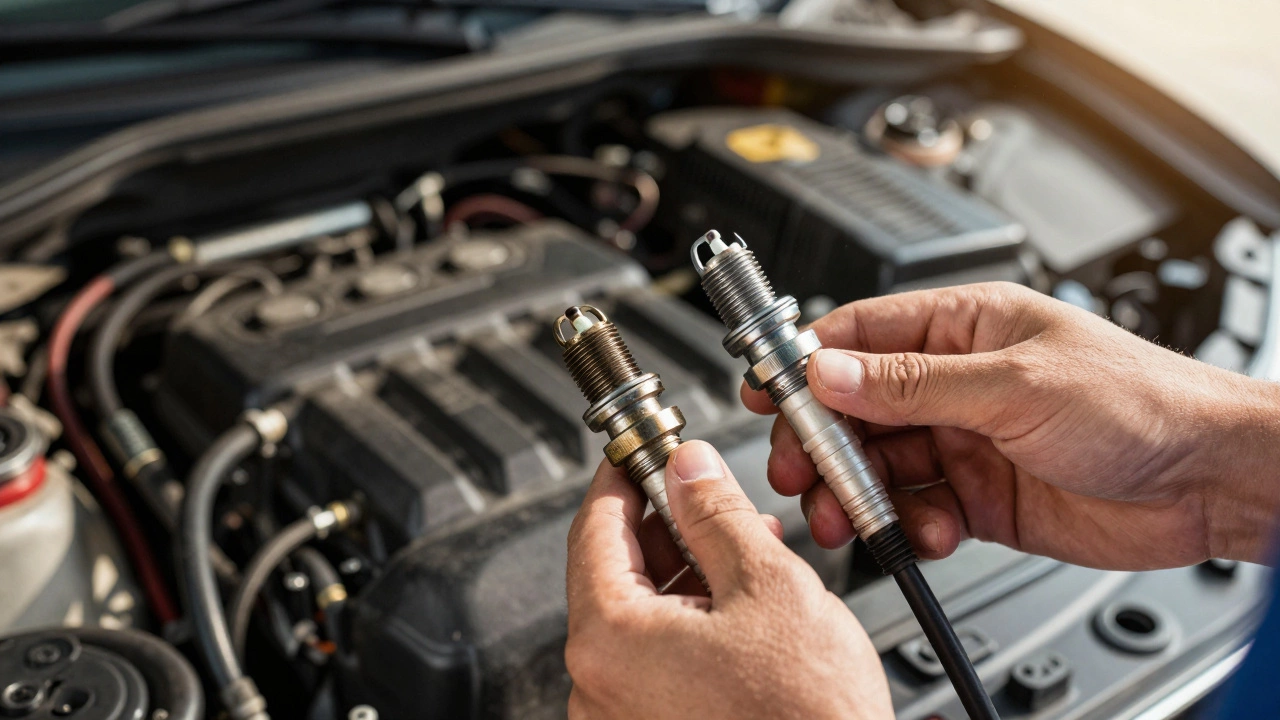
Oil Burning: If your engine burns oil, carbon deposits build up on the spark plug insulator. This carbon can create a path for electricity to leak away instead of jumping the gap. This "fouling" renders the plug useless regardless of how much metal is left on the electrode.
Driving Habits: Frequent short trips where the engine never reaches full operating temperature can lead to moisture and carbon buildup. Conversely, aggressive towing or track driving generates extreme heat. While platinum and iridium handle heat well, excessive thermal stress can crack the ceramic insulator or melt the electrode prematurely.
Fuel Quality: Some aftermarket fuel additives contain metallic compounds like manganese or phosphorus. Over time, these can coat the spark plug tips, interfering with the spark. Stick to top-tier gasoline brands recommended by your manufacturer.
Engine Condition: A leaking head gasket can allow coolant to seep into the combustion chamber. Water and electricity don't mix. Coolant fouling will disable a spark plug instantly. If you see white smoke from the exhaust or milky oil, check your plugs-they will likely be wet and corroded.
Should You Replace Them Yourself?
Replacing spark plugs is one of the few maintenance tasks that many DIYers can handle safely. However, it varies by engine design. In some V6 or V8 engines, accessing the rear bank of plugs requires removing the intake manifold or even lifting the engine slightly. This turns a 30-minute job into a half-day ordeal.
If you attempt this yourself, follow these critical steps to avoid costly mistakes:
- Work One Cylinder at a Time: Remove the old plug, install the new one, and torque it immediately. Never remove all old plugs before installing new ones. You risk dropping debris into the open cylinder hole, which can destroy the piston or valves.
- Use a Torque Wrench: Spark plugs must be tightened to a specific specification (usually 10-20 ft-lbs, depending on the thread size and seat type). Overtightening can strip the aluminum threads in the cylinder head. Undertightening can cause the plug to vibrate loose or overheat.
- Check the Gap: Even pre-gapped plugs can shift during shipping. Use a feeler gauge to verify the gap matches your owner's manual specifications before installation.
- Inspect the Old Plugs: Before throwing them away, look at them. Black and oily means oil burning. White and blistered means overheating or lean fuel mixture. Tan and dry means perfect health. This visual inspection tells you a lot about your engine's internal condition.
If the job requires removing major components, or if you lack the proper tools (like a deep socket and extension), paying a mechanic is often worth the peace of mind. Labor costs vary, but typically range from $50 to $150 for the service, plus parts.
When to Upgrade: Stock vs. Performance Plugs
Many car enthusiasts believe that swapping stock plugs for "performance" brands will add horsepower. The reality is nuanced. If your engine is stock, the factory plugs are optimized for emissions, fuel economy, and longevity. Upgrading to a premium Iridium plug might improve throttle response slightly, but you won't gain significant peak horsepower.
However, if you have modified your engine-adding a turbocharger, changing the camshafts, or remapping the ECU-you may need different plugs. Higher compression and boost levels increase cylinder temperatures. In these cases, you might need a "colder" heat range plug to prevent pre-ignition (knock). Conversely, low-compression engines might benefit from a "hotter" plug to burn off carbon deposits. Always consult a tuner or engine builder for modified setups; guessing can lead to catastrophic engine failure.
Can I just replace one bad spark plug?
Technically, yes, but it is not recommended. Spark plugs wear out at similar rates. If one is failing, the others are likely close behind. Replacing only one leaves you with a mix of old and new plugs, which can cause uneven combustion and rough running. It is best to replace all plugs in the engine at the same time.
Do hybrid cars need spark plug changes?
Yes. Even though hybrids run on electric power for part of the time, the internal combustion engine still operates and requires spark plugs. In fact, because hybrids often shut off the engine at stops, they can experience more frequent cold starts, which may slightly accelerate wear. Check your owner's manual, but intervals are usually similar to non-hybrid counterparts.
What happens if I drive with bad spark plugs?
Driving with bad spark plugs reduces fuel efficiency, increases emissions, and strains the ignition coils. Over time, unburned fuel can damage the catalytic converter, leading to repairs costing thousands of dollars. It also causes rough driving conditions and potential stalling, which is a safety hazard.
How much does it cost to replace spark plugs?
Parts cost ranges from $20 to $100 depending on the type (copper vs. iridium) and number of cylinders. Labor adds another $50 to $150. Total costs typically fall between $75 and $250 for a standard four-cylinder engine. V8s or complex engines may cost more due to labor intensity.
Can dirty air filters affect spark plug life?
Indirectly, yes. A clogged air filter restricts airflow, causing the engine to run rich (too much fuel, not enough air). This leads to incomplete combustion and carbon buildup on the spark plugs, fouling them faster. Regular air filter changes help keep plugs clean.