Spark Plug Maintenance & Cost Impact Calculator
Maintenance Estimator
Fuel Waste Estimator
Worn plugs can drop fuel economy by 5-10%. Estimate your monthly extra cost:
Quick Summary of the Risks
- Poor Fuel Economy: Worn plugs cause incomplete combustion, wasting petrol.
- Engine Misfires: The car may jerk or hesitate during acceleration.
- Catalytic Converter Damage: Unburnt fuel leaks into the exhaust, overheating the converter.
- Difficulty Starting: Cold starts become a struggle as the spark fails to ignite.
- Increased Emissions: Your car will likely fail an MOT test due to high pollution levels.
The Domino Effect: From a Small Gap to Big Repairs
When a spark plug is fresh, it creates a clean, precise arc of electricity. As it wears, that arc becomes erratic. You might not notice it at first, but your engine is working harder to maintain the same speed. This inefficiency starts a chain reaction. When a cylinder doesn't fire correctly, it's called a misfire. A misfire means you're pumping raw fuel into the exhaust system instead of burning it for power.
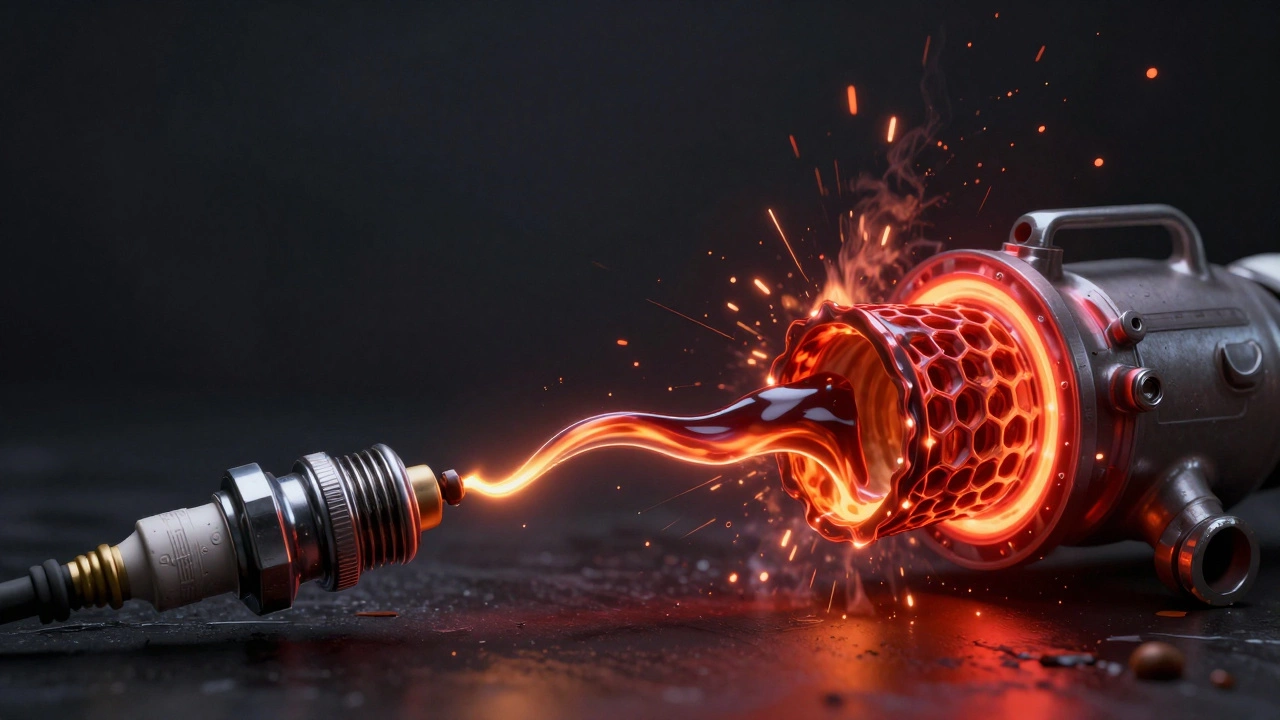
This is where things get expensive. That unburnt fuel travels down the exhaust pipe and hits the catalytic converter, which is designed to handle exhaust gases, not liquid fuel. The fuel ignites inside the converter, causing the internal ceramic honeycomb to melt. Replacing a set of spark plugs costs a few quid; replacing a catalytic converter can cost hundreds or even thousands of pounds.
How Your Wallet Feels the Hit
If you're trying to save money by skipping a tune-up, you're actually losing money at the pump. When spark plugs fail to ignite the fuel efficiently, your engine loses torque. To compensate, you naturally press the accelerator harder. This forces the Engine Control Unit (ECU) to dump more fuel into the cylinders to keep the car moving.
Think of it like a campfire. If you have a weak match, you have to keep adding more kindling just to get a flicker. In a car, this manifests as a noticeable drop in MPG (miles per gallon). If your fuel economy has dipped by 5-10% without a change in your driving habits, your ignition system is likely the culprit.
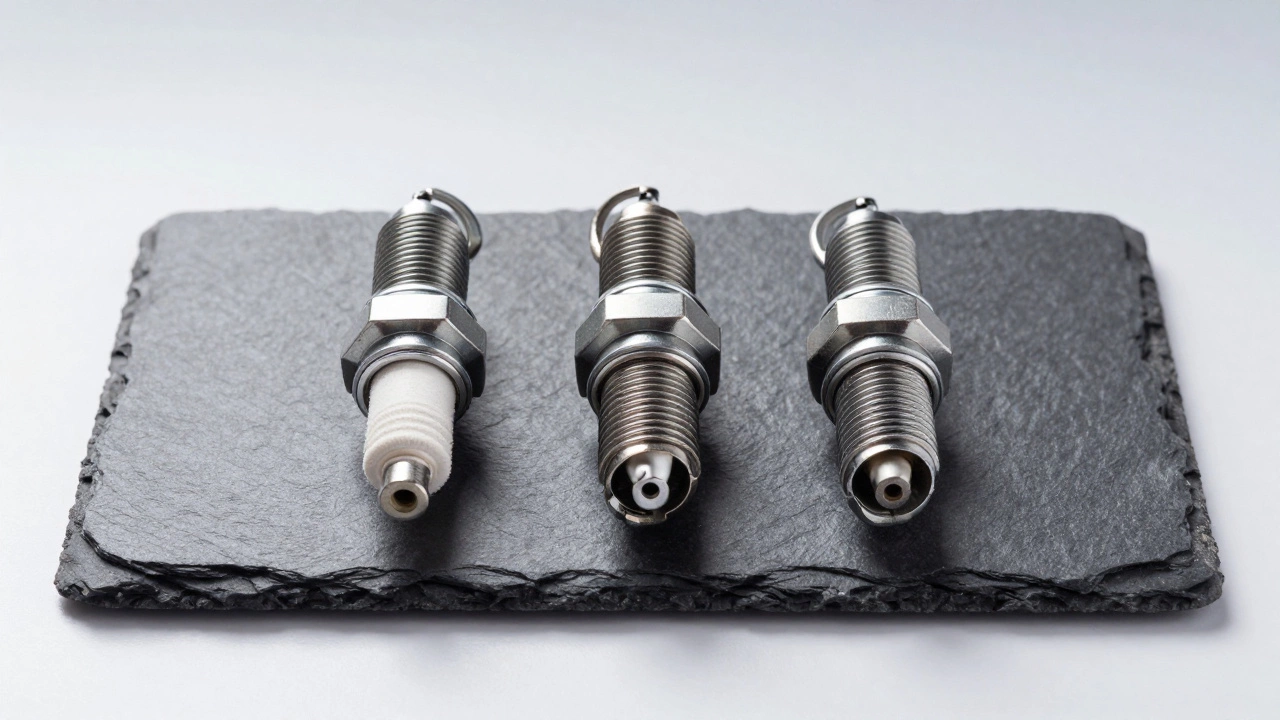
| Material | Average Lifespan | Durability | Cost |
|---|---|---|---|
| Copper | 15,000 - 30,000 miles | Low | Cheap |
| Platinum | 60,000 - 100,000 miles | Medium | Moderate |
| Iridium | 100,000+ miles | High | Expensive |
Warning Signs You Can't Ignore
Your car usually tries to tell you it's struggling before it completely breaks down. One of the most obvious signs is a rough idle. When you're stopped at a red light, does the steering wheel vibrate? Does the engine sound like it's about to stall? That's often a sign that one or more cylinders aren't firing consistently.
Another red flag is the Check Engine Light (CEL). While this light can mean a hundred different things, a common trigger is a P0300 error code, which indicates a random or multiple cylinder misfire. If you ignore this and keep driving, you risk damaging the engine mounts due to the constant vibration from the misfiring engine.
The Struggle with Cold Starts
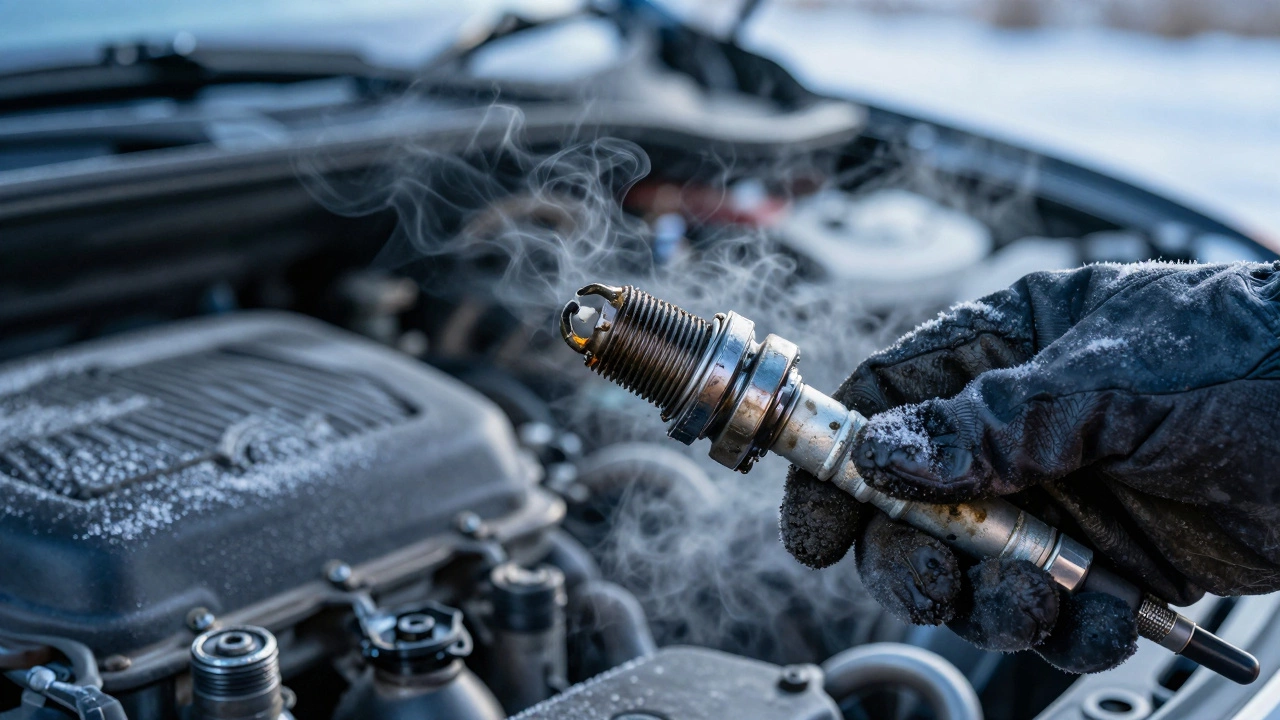
Have you noticed your car taking longer to start on a chilly Tuesday morning in January? When the engine is cold, it needs a very strong, concentrated spark to ignite the thickened fuel mixture. Worn-out plugs struggle to bridge the gap. You might find yourself turning the key several times or cranking the engine longer than usual.
This doesn't just affect the plugs. Every time you struggle to start the car, you're putting extra strain on the starter motor and draining the battery. What started as a simple plug replacement can quickly turn into a morning spent waiting for a recovery truck because your battery died trying to wake up a tired engine.
Long-Term Engine Wear and Tear
Consistent misfiring causes an imbalance in the engine's internal pressure. When one cylinder fails to push the piston down with full force, it creates an uneven load on the crankshaft. Over thousands of miles, this can lead to premature wear on the engine bearings.
Furthermore, if the plug is so worn that the electrode physically breaks off, that small piece of metal can be sucked into the combustion chamber. While rare, this can score the cylinder walls or damage the piston head, leading to a catastrophic engine failure that requires a full rebuild.
How to Stay Ahead of the Problem
The best way to avoid these nightmares is a simple schedule. Check your owner's manual, but generally, if you have standard copper plugs, look at them every 20,000 miles. For Iridium or Platinum, you can usually go much longer. However, if you do a lot of short trips in stop-and-go city traffic, your plugs will foul faster due to carbon buildup.
When you do replace them, don't just buy the cheapest option. Match the material to your driving style. If you keep your car for years, Iridium is worth the extra cost because they resist electrode wear and maintain a consistent spark for much longer.
Can I just replace one spark plug if only one cylinder is misfiring?
It's strongly discouraged. Spark plugs wear at roughly the same rate. If one has failed, the others are likely very close to failing. Replacing them as a complete set ensures the engine runs balanced and prevents you from having to pay for labor twice in a short period.
Will new spark plugs give me more horsepower?
They won't magically turn your economy car into a race car, but they will restore the power you've lost. If your current plugs are worn, new ones will eliminate the hesitation and restore the engine's original efficiency and acceleration response.
How often should I actually change my spark plugs?
For most modern cars with platinum or iridium plugs, every 60,000 to 100,000 miles is standard. Older cars with copper plugs need them every 15,000 to 30,000 miles. Always check your vehicle's specific service manual for the manufacturer's recommendation.
Can a bad spark plug cause my car to shake?
Yes. When a plug fails, the engine experiences a misfire. This means the engine is essentially running on fewer cylinders than it should, which creates a physical imbalance and causes the car to shake, especially while idling or accelerating from a stop.
What is "fouling" in spark plugs?
Fouling happens when deposits of carbon, oil, or fuel build up on the plug's tip. This creates a layer of insulation that prevents the spark from jumping the gap, leading to poor ignition and potential engine stalling.
Next Steps and Troubleshooting
If you suspect your plugs are gone, start by checking your fuel economy. If you've noticed a drop and the car feels "sluggish," it's time for an inspection. If you have a Check Engine Light, use a basic OBD-II scanner to see if you have misfire codes (P0300-P0308).
For those doing it themselves: always ensure the engine is completely cool before removing plugs to avoid stripping the threads in the cylinder head. Use a torque wrench to avoid over-tightening, which can crack the porcelain or damage the engine block. If you're not comfortable working with engine internals, any local garage can swap these out in under an hour.