Suspension Health & Maintenance Calculator
Input Details
Enter your vehicle details to analyze suspension health.
Based on components requiring immediate attention:
$0
*Estimates include parts and labor averages. Prices vary by region.Enter your vehicle details to see a breakdown of component health.
Your car feels different today. Maybe it bounces more than usual after hitting a pothole. Perhaps you hear a clunking noise when turning the steering wheel. These aren't just annoying quirks; they are warning signs that your suspension system is failing. The suspension is the unsung hero of your vehicle, responsible for keeping tires on the road and passengers comfortable. When it goes bad, safety and comfort take a hit. But what actually causes this breakdown? Is it just age, or is there something you can control?
Understanding why suspension components fail helps you catch problems early. It saves money on major repairs and keeps you safe on the road. Let's look at the real reasons behind suspension failure, from everyday driving habits to hidden mechanical weaknesses.
The Impact of Road Conditions and Potholes
We all know roads aren't perfect. But the state of infrastructure plays a massive role in how quickly your suspension wears out. Every time you drive over a bump, your suspension absorbs that energy. Over time, this constant compression and rebound cause metal fatigue. This is especially true if you live in an area with poor road maintenance or frequent construction.
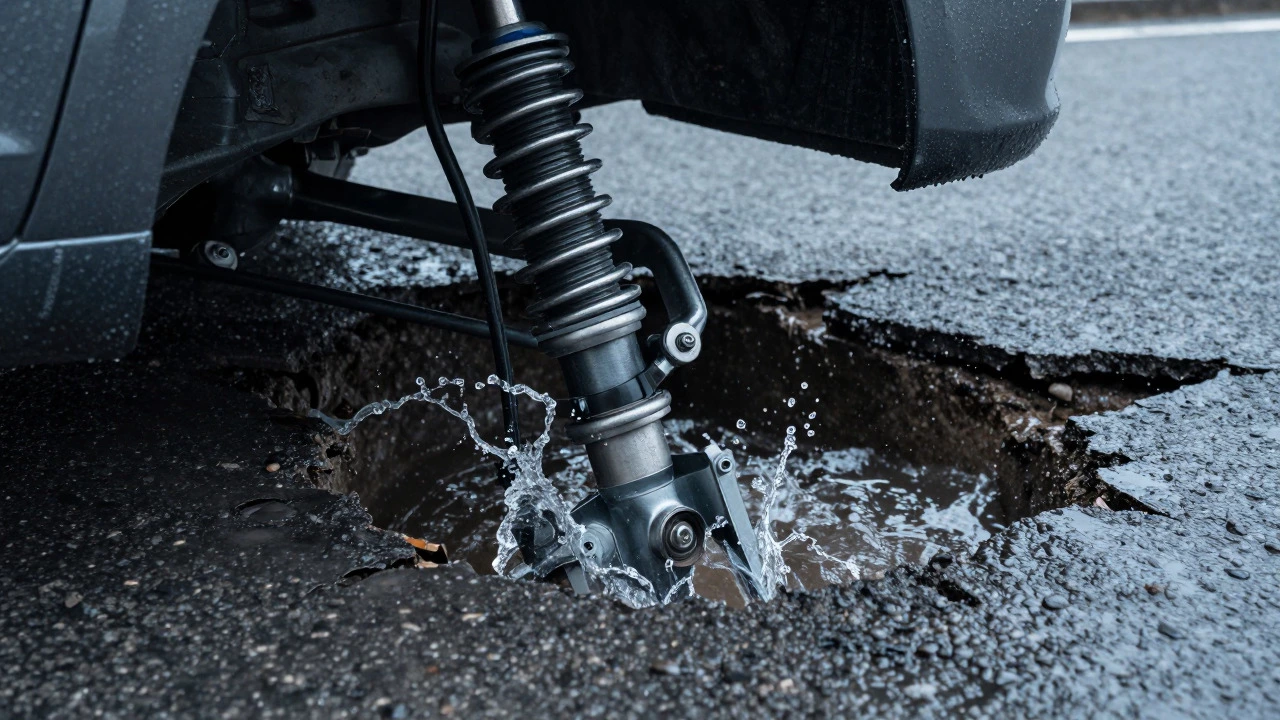
Potholes are the biggest enemy. Hitting a deep pothole at speed sends a shockwave through your struts, springs, and control arms. A single severe impact can bend a tie rod or crack a bushing. Even small imperfections add up. If you regularly commute on rough surfaces, your suspension works harder than the average car. This accelerates wear on rubber components like bushings and mounts, which dry out and crack faster under stress.
Seasonal changes also matter. In colder climates, freeze-thaw cycles create new cracks in pavement every winter. Salt used for de-icing doesn't just rust your brakes; it corrodes suspension mounting points. Corrosion weakens the steel, making bolts snap and joints loosen. You might not see the rust until it's too late, so regular inspections are crucial if you drive in snowy regions.
Natural Wear and Tear of Rubber Components
Even if you drive only on smooth highways, your suspension will eventually fail. Why? Because key parts are made of rubber and polyurethane. Materials like these degrade naturally over time due to oxidation and heat. Think about old tires left sitting in a garage-they get hard and cracked. The same happens to shock absorbers and strut mounts.
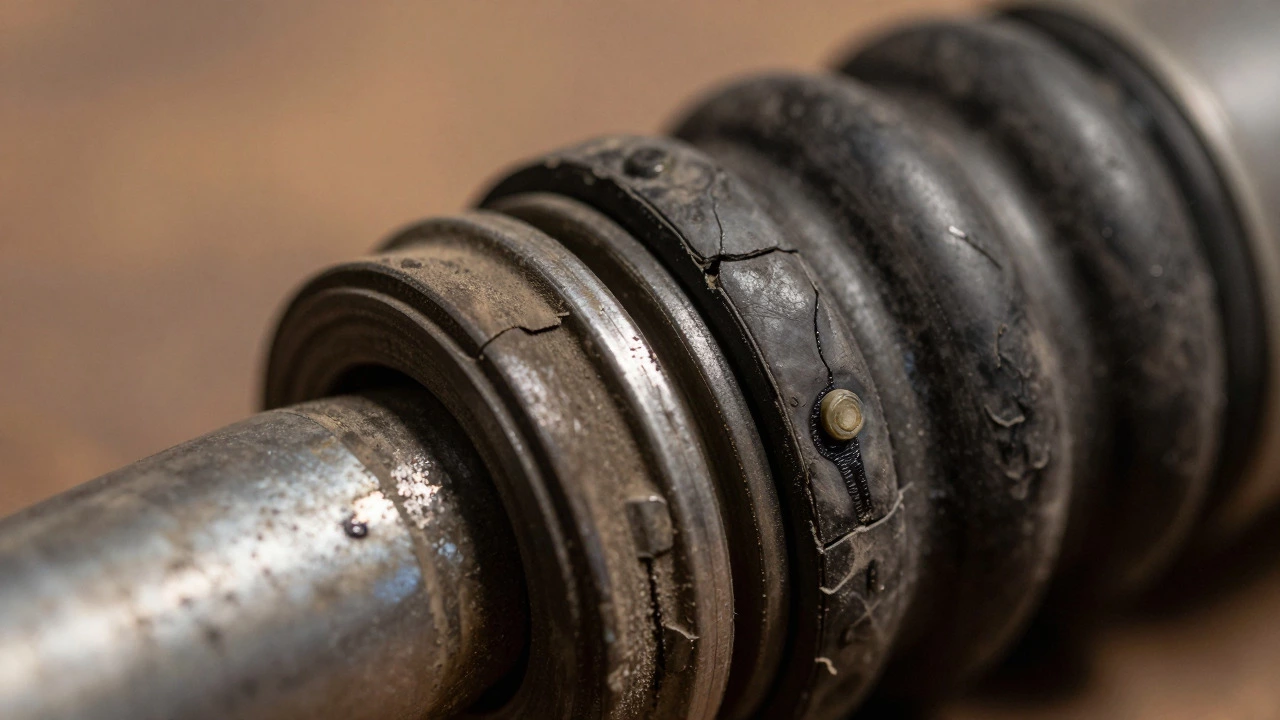
Rubber bushings act as cushions between metal parts. They allow movement while reducing noise and vibration. As rubber ages, it loses elasticity. Hardened bushings transmit more shock into the cabin, leading to that harsh, rattling ride. They also stop guiding wheels correctly, causing uneven tire wear. Most manufacturers recommend replacing bushings every 50,000 to 100,000 miles, but heavy use can shorten that lifespan significantly.
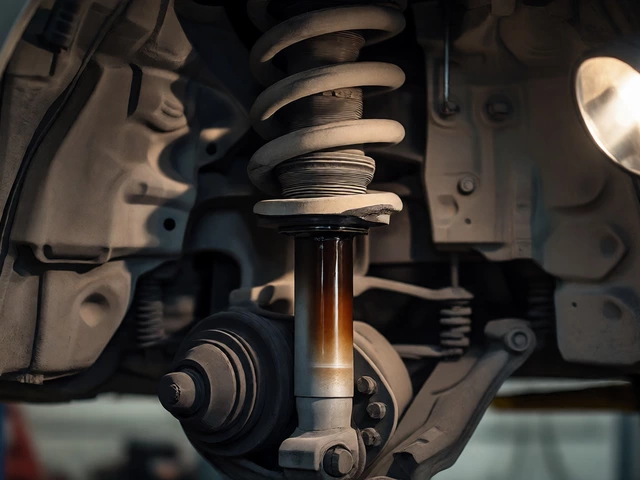
Seals inside shock absorbers also wear down. These seals keep hydraulic fluid contained within the shock. When seals fail, fluid leaks out. You'll often see dark oil streaks on the outside of the shock body. Once fluid escapes, the shock can no longer dampen spring oscillations. Your car becomes bouncy, taking longer to settle after bumps. This isn't just uncomfortable; it reduces tire contact with the road, increasing stopping distances.
Driving Habits That Accelerate Failure
How you drive matters just as much as where you drive. Aggressive driving puts excessive strain on suspension components. Slamming on brakes, accelerating hard, and cornering fast force your suspension to work beyond its design limits. Over time, this abuse leads to premature failure of ball joints, tie rods, and control arm bushings.
Loading your vehicle incorrectly is another common mistake. Many people ignore weight limits listed in their owner's manual. Carrying heavy cargo constantly compresses springs and shocks. This constant pressure prevents components from returning to their resting position, causing internal damage. Air suspensions, found on many luxury trucks and SUVs, are particularly sensitive to overload. Running them empty for long periods can also harm air springs by keeping them fully extended, stressing seals.
Ignoring minor issues makes things worse. A small leak in a shock might seem harmless at first. But driving with a compromised suspension forces other parts to compensate. For example, if one shock fails, the opposite side takes extra load. This imbalance can lead to cascading failures, turning a simple $100 repair into a $1,000 job involving multiple components.
Misalignment and Tire Pressure Issues
Suspension health is closely tied to wheel alignment and tire condition. Misaligned wheels put lateral stress on suspension joints. If your camber, caster, or toe angles are off, ball joints and tie rods endure constant sideways force. This friction wears down bearings and loosens connections. You might notice your car pulling to one side or the steering wheel vibrating at highway speeds.
Tire pressure plays a surprising role here. Underinflated tires flex more, transferring additional shock loads to the suspension. Overinflated tires reduce the contact patch, making the ride harsher and increasing the chance of curb damage. Both scenarios accelerate wear on shocks and struts. Regularly checking tire pressure ensures the suspension handles loads as designed.
Uneven tire wear is a red flag. If you see cupping or scalloping on tread patterns, your shocks are likely worn out. Good shocks keep tires flat against the road. Bad shocks let tires bounce, creating irregular wear spots. Addressing alignment and tire pressure early can extend suspension life by thousands of miles.
Signs Your Suspension Needs Attention
Catching suspension problems early saves money and headaches. Here are clear signs that something is wrong:
- Excessive bouncing: If your car continues to bobble after hitting a bump, your shock absorbers are losing effectiveness.
- Noises: Clunking, squeaking, or grinding noises when turning or going over bumps indicate loose or worn bushings and ball joints.
- Uneven tire wear: Check treads regularly. Cupping or feathering suggests alignment or shock issues.
- Steering pull: If the car drifts to one side on straight roads, check alignment and suspension geometry.
- Fluid leaks: Dark oil on shock bodies means seals have failed.
- Diving or squatting: Excessive nose-dive during braking or rear-squat during acceleration points to worn shocks or springs.
If you notice any of these symptoms, don't wait. Schedule an inspection immediately. Small fixes prevent big disasters.
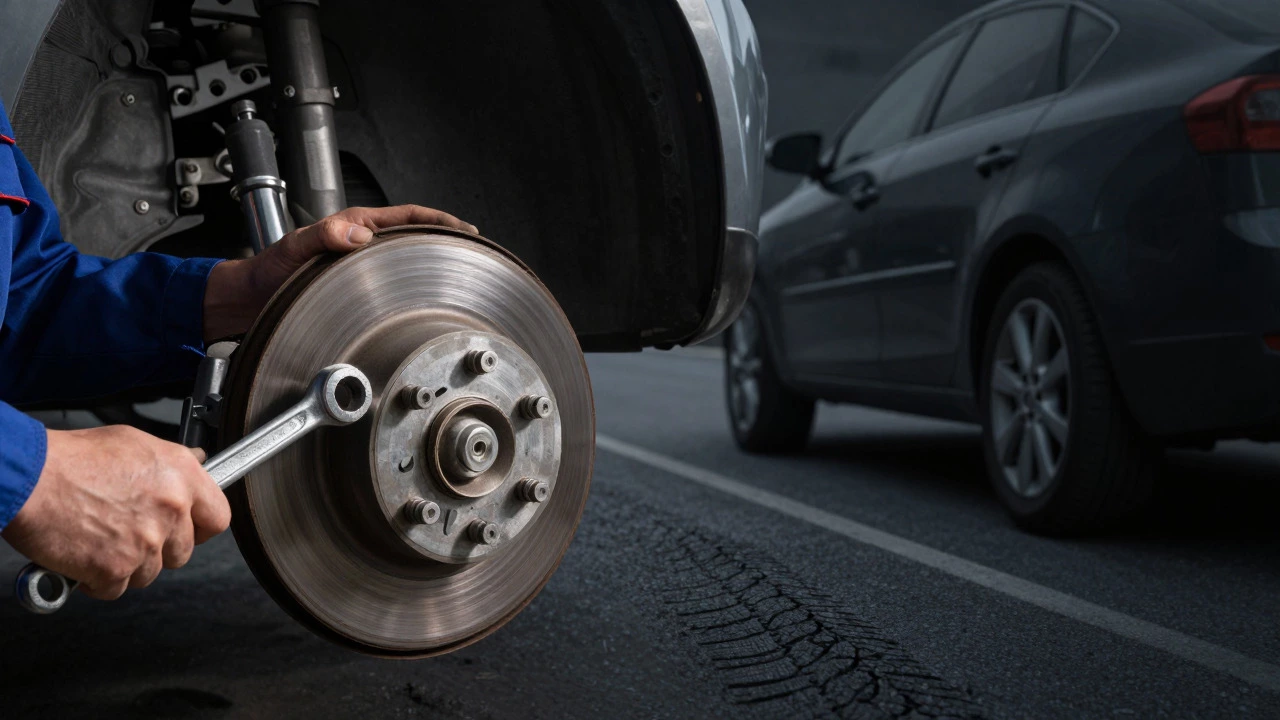
Preventive Maintenance Tips
You can't stop time, but you can slow down suspension wear. Start with regular visual inspections. Look for cracks in rubber bushings and leaks around shocks. Listen for unusual noises during test drives. Keep a log of when you last replaced components. Most shops recommend full suspension checks every 30,000 miles or annually.
Drive smoothly whenever possible. Anticipate stops and turns instead of reacting abruptly. Avoid speeding over speed bumps-treat them like hills, not hurdles. Maintain proper tire pressure monthly. Rotate tires as recommended to ensure even wear distribution. Clean undercarriage after winter driving to remove salt buildup that causes corrosion.
Consider upgrading components if you tow frequently or drive off-road. Heavy-duty shocks and reinforced bushings handle extra stress better than stock parts. However, always match upgrades to your actual needs. Over-engineering adds cost without benefit for daily commuters.
| Component | Average Lifespan (Miles) | Primary Failure Cause |
|---|---|---|
| Shock Absorbers | 50,000 - 100,000 | Fluid leakage, seal degradation |
| Bushings | 75,000 - 100,000 | Rubber cracking, contamination |
| Ball Joints | 80,000 - 100,000 | Lubrication loss, impact damage |
| Strut Mounts | 60,000 - 90,000 | Bearing wear, bearing collapse |
| Control Arms | 100,000+ | Bushing failure, bending |
When to Replace vs. Repair
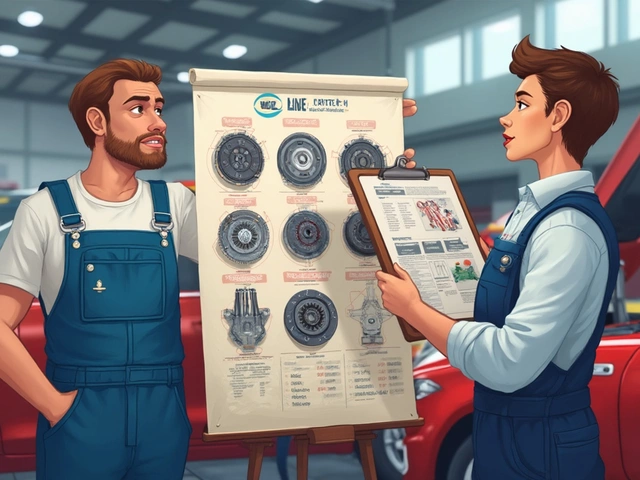
Sometimes, fixing one part isn't enough. Mechanics often recommend replacing entire assemblies, like struts, rather than individual components. This ensures all parts work together harmoniously. Mixing old and new parts can lead to imbalances. For instance, installing new shocks on worn springs creates mismatched performance.
Cost is a factor too. Labor costs for removing and reinstalling suspension parts are high. If multiple components need attention, bundling replacements reduces labor fees. Always ask your mechanic for a detailed estimate. Compare prices between dealerships and independent shops. Independent specialists often offer competitive rates and genuine expertise.
Don't skimp on quality. Cheap aftermarket parts may save money upfront but fail sooner. Stick to OEM (Original Equipment Manufacturer) or reputable brands known for durability. Reading reviews and checking warranty terms helps make informed decisions.
How long do car shocks last?
Most shock absorbers last between 50,000 and 100,000 miles. However, this varies based on driving conditions, road quality, and vehicle weight. Rough roads and heavy loads shorten lifespan significantly.
Is it dangerous to drive with bad suspension?
Yes, driving with failed suspension compromises safety. Reduced tire contact increases stopping distances. Poor handling raises accident risk, especially in emergencies. Severe cases can cause wheel detachment.
Can I fix suspension myself?
Basic inspections are DIY-friendly. Replacing parts requires specialized tools like jack stands, torque wrenches, and spring compressors. Incorrect installation risks injury or further damage. Professional service is recommended for most repairs.
What does a broken suspension sound like?
Listen for clunking over bumps, squeaking when turning, or grinding noises. These sounds indicate loose bushings, worn ball joints, or damaged mounts. Ignoring them leads to costly repairs.
Does wheel alignment affect suspension life?
Absolutely. Misalignment stresses suspension joints unevenly. Regular alignments maintain proper geometry, reducing wear on ball joints, tie rods, and bushings. Get aligned every 6 months or 6,000 miles.