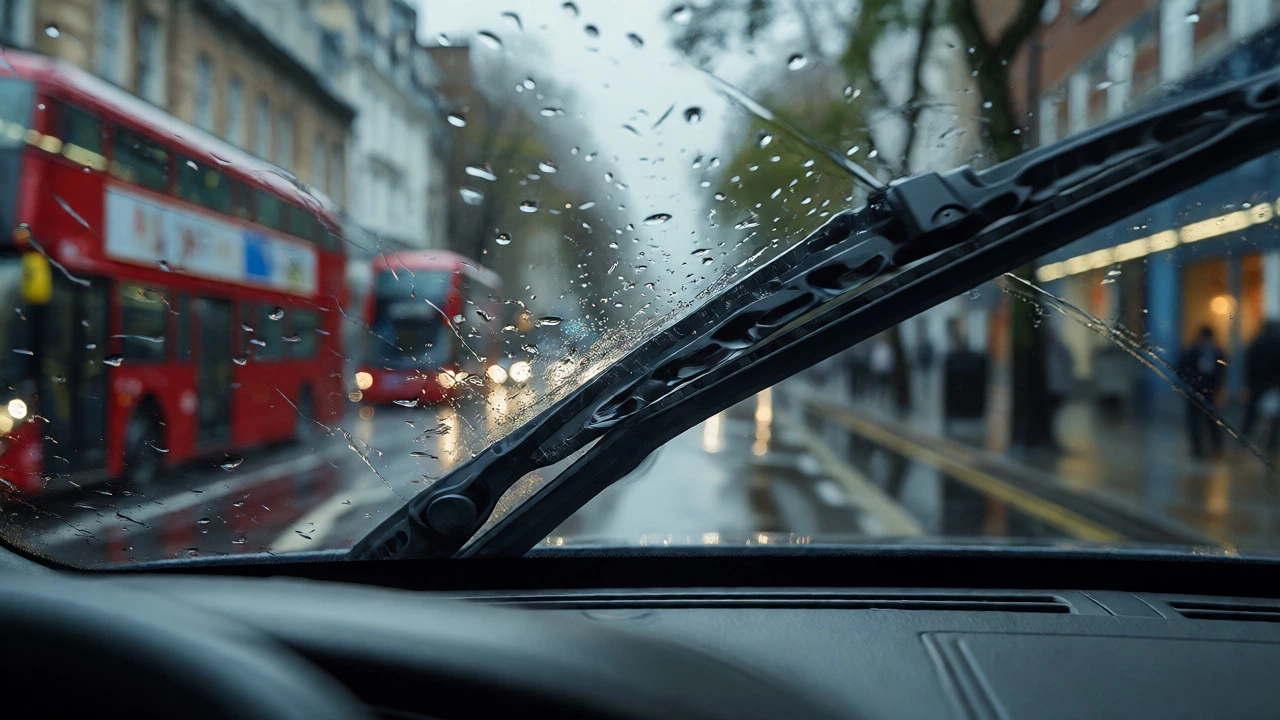
Windshield Wiper Value Calculator
Stop guessing at the auto parts aisle. Answer a few quick questions to find out exactly how much you should be paying for a pair of wipers.
Fill in the details to see your recommended spending limit.
You’re standing in the auto parts aisle, staring at a wall of boxes. One pair costs £8. Another is £25. A third, branded with a flashy logo and promising "aero-dynamic perfection," sits at £45. Your brain does the math: if they both wipe rain off glass, why is one five times the price? Is the expensive one actually better, or are you just paying for marketing?
Here’s the uncomfortable truth: windshield wipers are one of the most over-marketed items on your car. But unlike spark plugs or oil filters, where quality differences can destroy an engine, wiper blades are simple mechanical devices. They have a rubber edge, a metal or plastic frame, and a connector. That’s it. So, how expensive should they be? The short answer is that you rarely need to spend more than £15-£20 per pair unless you drive a luxury vehicle with specific OEM requirements. For the average driver, spending £30+ is usually wasted money.
The Anatomy of a Wiper Blade (And Why It Matters)
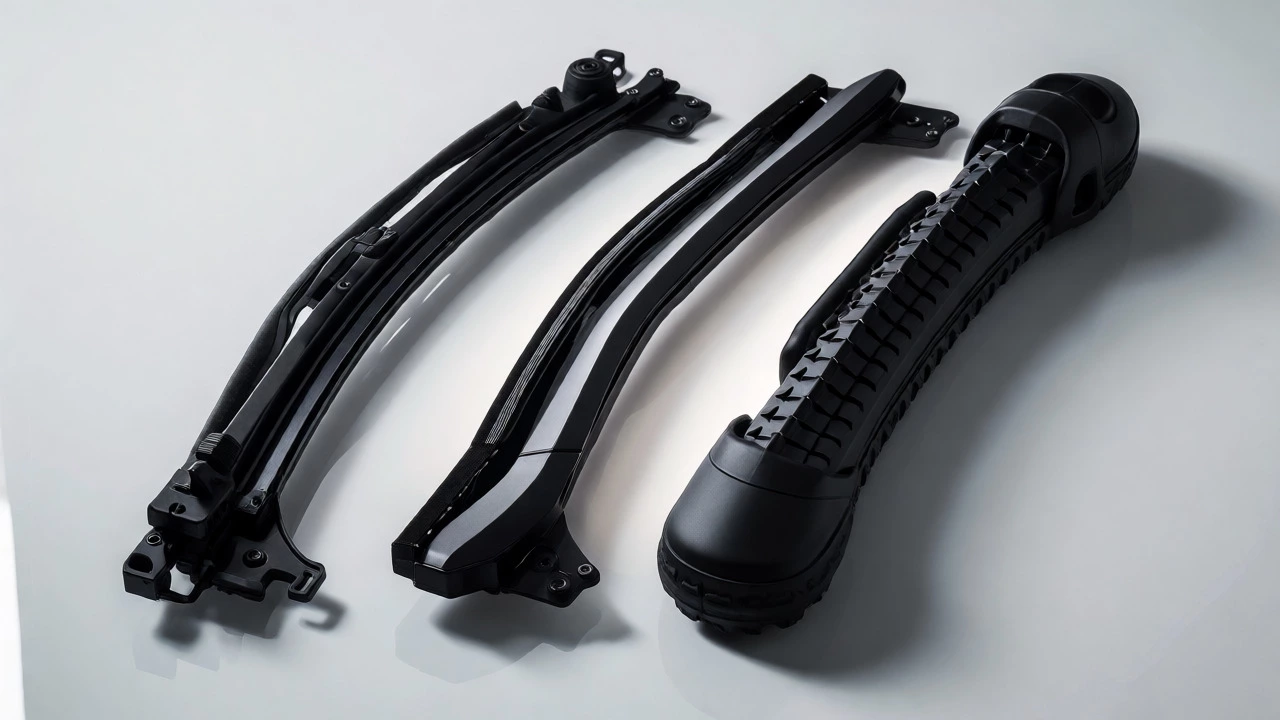
To understand pricing, you need to know what you’re buying. Windshield wipers are not complex electronics. They consist of three main parts: the rubber squeegee, the frame structure, and the adapter hook. The rubber is typically natural or synthetic elastomer, sometimes coated with graphite or silicone for smoother movement. The frame distributes pressure across the glass. The adapter connects the blade to your wiper arm.
When prices skyrocket, manufacturers often claim improvements in these three areas. Let’s break down what actually affects performance versus what is just hype.
- Rubber Quality: Cheap rubber hardens faster in UV light and extreme temperatures. Premium rubber lasts longer but doesn’t necessarily wipe cleaner on day one.
- Frame Design: Traditional bracketed frames are cheap but prone to wind lift. Beam-style blades (frameless) use a single piece of spring steel. This design is superior for aerodynamics and even pressure distribution.
- Brand Markup: Big brands like Bosch, Valeo, and Trico charge a premium for reliability and fitment guarantees. Generic store-brand blades offer similar materials but less rigorous quality control.
Price Tiers: What You Get for Your Money
Let’s look at the actual market data. In the UK as of late 2026, here is how the tiers break down for a standard sedan or hatchback.
| Price Tier | Typical Cost (Pair) | Expected Lifespan | Best For |
|---|---|---|---|
| Budget / Generic | £5 - £9 | 3 - 6 months | Older cars, infrequent drivers, mild climates |
| Mid-Range / Name Brand | £10 - £18 | 6 - 12 months | Daily commuters, mixed weather conditions |
| Premium / Specialty | £20 - £35+ | 12 - 18 months | Luxury cars, heavy snow/rain zones, OEM replacements |
The mid-range tier is the sweet spot for 90% of drivers. Brands like Bosch Aerotwin or Denso Standard often fall into this £10-£18 range. They use high-quality synthetic rubber and robust beam designs. You get reliable performance without paying for niche features you’ll never use.
Why Do Some Blades Cost £40?
If you see a pair of wipers priced at £40, ask yourself: do I need them? High-end wipers usually fall into two categories: hybrid blades for specific European luxury cars (like BMW or Mercedes) and heavy-duty winter blades.
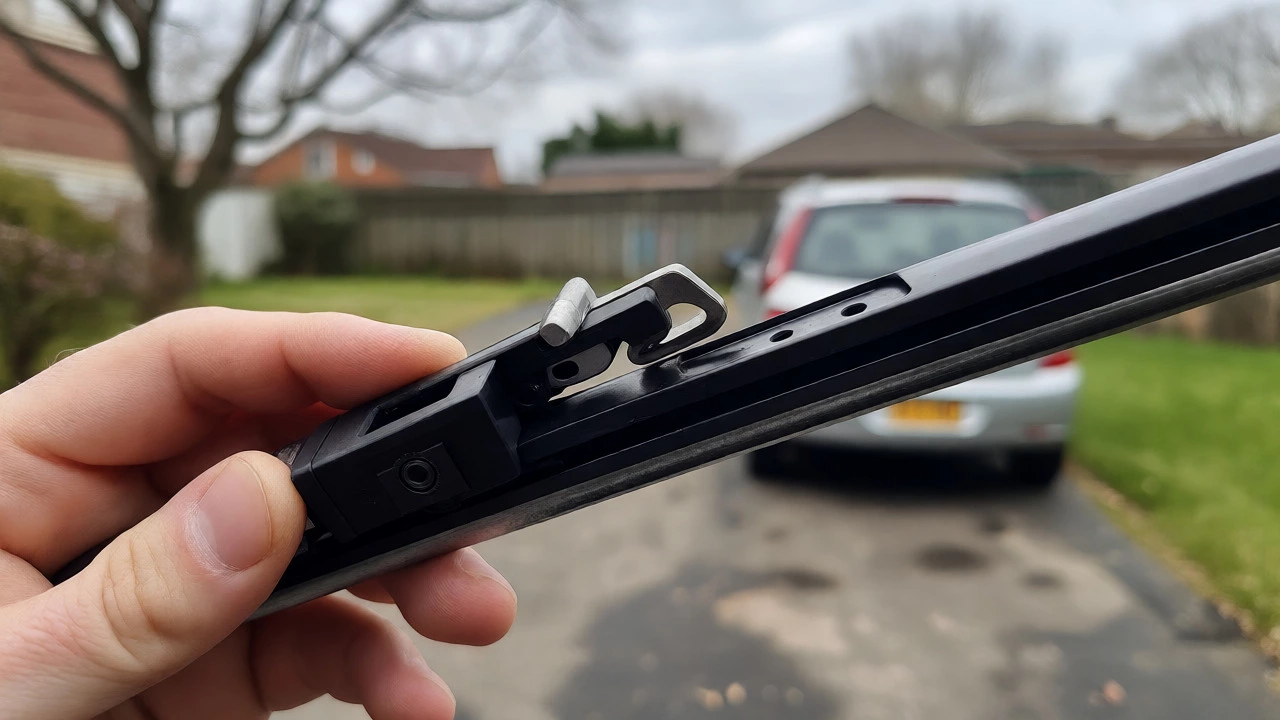
For luxury vehicles, the issue isn’t always the blade itself-it’s the mounting system. Many modern cars use proprietary connectors that only fit OEM (Original Equipment Manufacturer) parts. If you buy a generic blade, it might not clip onto your wiper arm securely. In these cases, you aren’t paying for better rubber; you’re paying for the engineering of the adapter. However, aftermarket companies now make compatible adapters for many premium cars, allowing you to drop the price back down to the £15 mark.
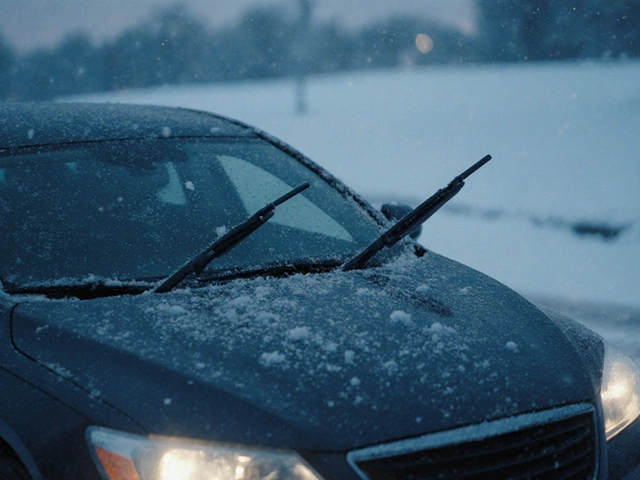
Winter blades are another exception. These feature a rubber boot that encases the entire mechanism, preventing ice from jamming the joints. If you live in Manchester, where frost is common but deep snow is rare, you likely don’t need these bulky boots. They reduce visibility and add weight to the wiper arm. Unless you are driving through blizzards regularly, skip them.
The Hidden Cost of Cheap Wipers
Buying the cheapest option (£5 pair) seems smart until you calculate the total cost of ownership. Cheap rubber degrades quickly under UV exposure and ozone. Within four months, the edges become brittle. When brittle rubber hits your windshield, it doesn’t glide-it skips. This causes streaking and chatter.
More importantly, damaged rubber can scratch your glass. Replacing a scratched windshield costs between £200 and £500 depending on whether it has sensors for lane assist or rain detection. Saving £10 on wipers by replacing them twice as often, while risking scratches, is false economy. If you drive daily, invest in the mid-range. If you park indoors and drive once a week, budget blades are fine because UV degradation is slower.
How to Spot a Good Deal
Don’t rely solely on the brand name. Look at the specifications on the box. Here is a checklist before you pay:
- Check the Material: Does it say "silicone" or "graphite-coated"? Silicone resists heat better and lasts longer. Graphite reduces friction noise.
- Inspect the Adapter: Does it come with multiple hooks? Universal adapters save you hassle. If it only fits one type, double-check your car’s manual.
- Read Recent Reviews: Ignore the star rating; read the comments from people who bought them in the last six months. Look for mentions of "chattering" or "streaking."
- Compare Lengths: Ensure the length matches your manufacturer’s spec exactly. A 24-inch blade instead of a 26-inch one leaves blind spots.
DIY vs. Dealer Installation
Dealerships often charge £15-£25 just to install wipers that cost them £8 wholesale. The installation takes less than two minutes. Pop the old blade off the hook, slide the new one on, and click. If you can change a tire, you can change wipers. By doing it yourself, you can afford to buy the higher-quality mid-range blades instead of paying for labor.
However, some newer cars have wiper arms tucked under the bonnet lip or require electronic service mode activation (where you press a button to raise the arm). Check YouTube for your specific model before attempting removal. If it looks complicated, pay the £10 local garage fee rather than snapping the plastic clips.
Environmental Factors in the UK
Your location dictates value. In Southern Europe, intense sun destroys rubber in months. In Northern Scandinavia, ice ruins mechanisms. In the UK, we deal with mild temperature swings, frequent rain, and occasional frost. This is a moderate environment. You don’t need extreme durability features.
City driving also matters. Urban pollution coats wipers in grime and diesel residue. This accelerates wear compared to rural driving. If you commute in London or Birmingham, expect to replace blades every 6-8 months regardless of price. Rural drivers might stretch to 12 months. Adjust your budget accordingly.
Final Verdict: Spend Smart, Not Hard
So, how expensive should windshield wipers be? For most UK drivers, aim for £12-£15 per pair. This buys you reputable brands like Bosch, Valeo, or SWF, which offer excellent clarity and longevity. Avoid the sub-£6 bargain bin unless you view wipers as disposable monthly items. And ignore the £30+ luxury tax unless your car requires specific OEM fittings.
Remember, the goal is clear vision, not bragging rights. A £12 pair that clears the rain perfectly is infinitely better than a £40 pair that chatters due to poor fitment. Test them immediately after installation. If they streak, return them. Most retailers accept returns within 30 days. Keep your receipt, check your alignment, and enjoy the view.
How often should I replace my windshield wipers?
Generally, every 6 to 12 months. However, if you notice streaking, squeaking, or skipping, replace them immediately regardless of time. Climate plays a huge role; hot sunny climates degrade rubber faster than cool temperate ones.
Are expensive wipers worth it?
Usually no. Mid-range branded wipers offer 95% of the performance of premium ones. Expensive wipers are only worth it if your car has proprietary mounting systems that prevent cheaper alternatives from fitting, or if you live in extreme weather conditions requiring specialized winter boots.
Can I clean my wiper blades to make them last longer?
Yes. Wipe the rubber edge with a damp cloth soaked in warm soapy water or rubbing alcohol to remove dirt and grease buildup. This restores grip and prevents chattering. Do this every time you wash your car to extend the life of the blades.
Do silicone wipers work better than rubber?
Silicone wipers resist heat and UV damage better, lasting longer. However, they can cause squealing on certain glass types and may not clear water as cleanly as high-quality rubber initially. For most drivers, high-grade rubber offers better immediate performance and lower cost.
What size wiper blades do I need?
Check your owner's manual or measure the existing blades. Sizes vary by car make and model. Common sizes range from 16 inches to 28 inches. Never guess; incorrect sizing leads to poor coverage or motor strain.