Alloy Wheel Cost Calculator
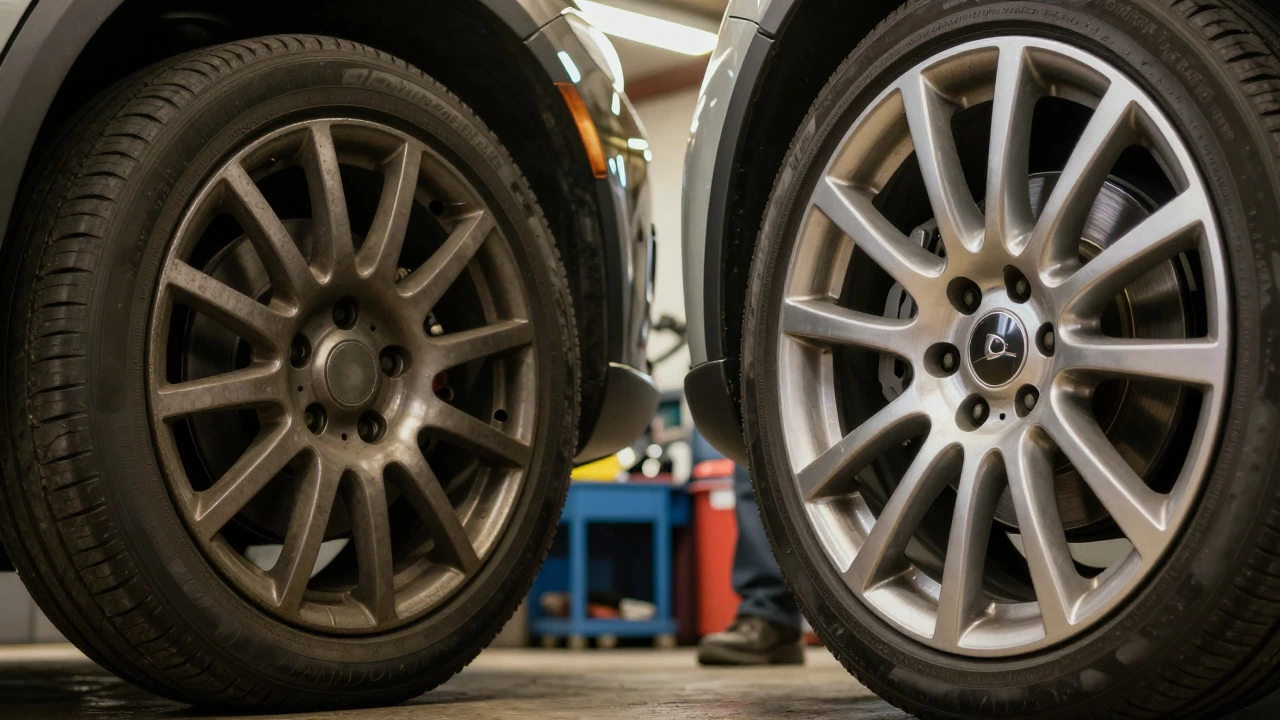
Picture this: you’re standing in a garage looking at two sets of wheels. One is heavy, dull steel wrapped in a plastic hubcap. The other is shiny, intricate, and looks like it belongs on a sports car. You ask the mechanic, "How much more for the alloys?" and he drops a number that makes your wallet wince. Are they really worth it? And why do some cost as much as a used motorcycle while others are surprisingly affordable?
The short answer is yes, alloy wheels are generally more expensive than standard steel wheels, but the gap isn't always as wide as you might think. In the UK market right now, you can find decent aftermarket alloys for under £100 per wheel, while premium brands or specific OEM replacements can push past £400 each. But price is just one part of the story. To understand if they are "expensive," we need to look at what you're actually paying for, the hidden costs of ownership, and whether the performance benefits justify the initial outlay.
What Exactly Are You Paying For?
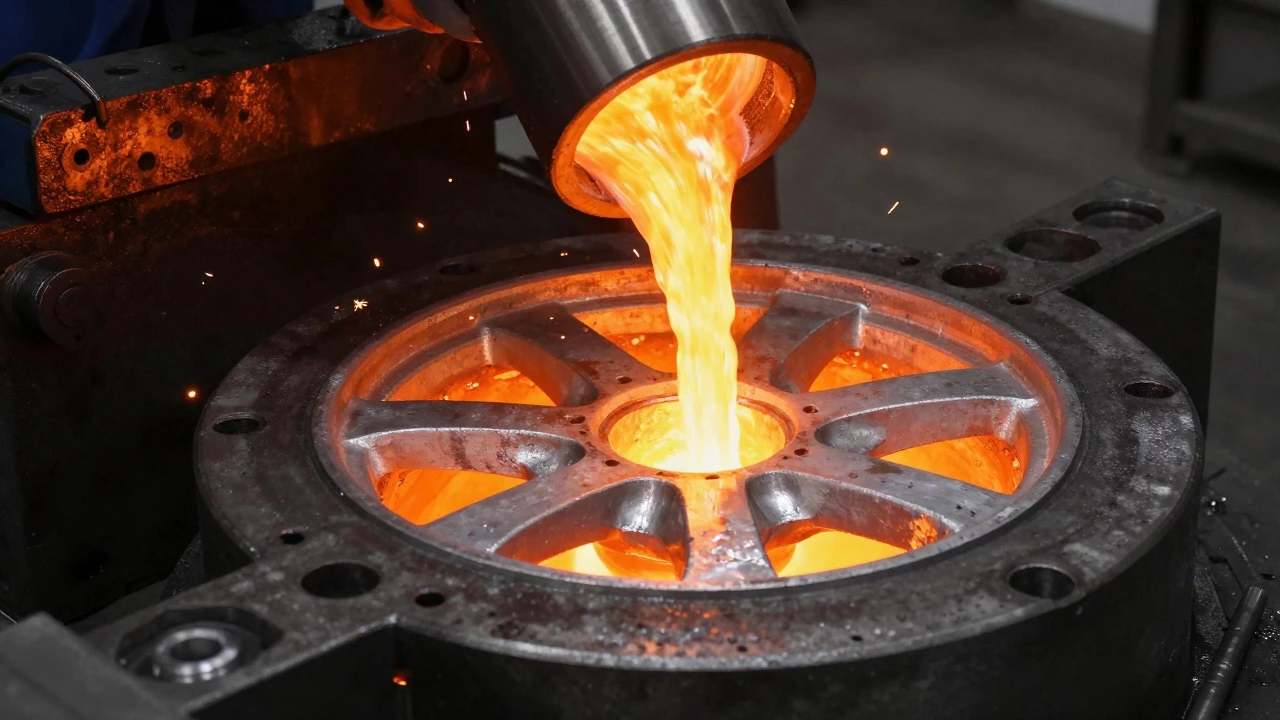
To understand the price tag, you have to look at how these wheels are made. Unlike steel wheels, which are stamped from sheets of metal, Alloy wheels are typically cast or forged from an aluminum-magnesium mixture. This process requires significant energy and precision engineering.
There are three main manufacturing methods, and they dictate the price:
- Gravity Cast: The most common and cheapest method. Molten aluminum is poured into a mold. These are durable enough for daily driving but heavier than other types. Expect to pay between £80 and £150 per wheel for aftermarket options.
- Flow Formed: A hybrid technique where the barrel is spun and stretched after casting. This makes them lighter and stronger without the high cost of forging. Prices usually sit in the £150-£300 range per wheel.
- Forged: The gold standard. A solid block of aluminum is pressed into shape under immense pressure. These are incredibly strong and light, often found on high-performance cars. They start around £400 per wheel and can easily exceed £1,000 for boutique brands.
If you buy genuine OEM (Original Equipment Manufacturer) wheels-meaning they come directly from Ford, BMW, or Toyota-the price includes branding, warranty support, and exact fitment guarantees. An OEM set for a mid-range SUV might cost £600-£900 for all four, whereas an equivalent aftermarket set might be half that price.
The Hidden Costs: Fitting, Balancing, and Insurance
Buying the wheels is only step one. Many drivers forget about the ancillary costs that add up quickly. If you’re swapping from steel to alloys, you aren’t just dropping new wheels onto your hubs.
First, there’s the fitting cost. Most garages charge between £15 and £25 per wheel for removal, installation, and torque tightening. That’s £60-£100 before you’ve even driven away. Second, balancing is non-negotiable. Unbalanced alloy wheels cause vibrations at motorway speeds, ruining your tires and comfort. Dynamic balancing usually adds another £10-£15 per wheel.
Then there’s the valve stem issue. Steel wheels often use rubber valve stems that go through the rim. Alloys require threaded metal valve stems because the rim is too thin. Don’t assume your old valves will work; replacing them costs about £2-£3 each.
Insurance is another wildcard. If you upgrade to expensive forged wheels, your comprehensive insurance premium might rise. Insurers see high-value accessories as increased theft risk or higher repair costs. Always call your provider before installing pricey rims. Conversely, if you already have alloys on your policy and sell them, you could lower your premium by downgrading the declared value.
Steel vs. Alloy: Is the Upgrade Worth It?
Let’s compare the two directly. Steel wheels are the default for entry-level cars like the Vauxhall Corsa or Kia Picanto base models. They are cheap to replace-if you hit a pothole, a new steelie might cost £40 plus VAT. But they are heavy. Extra weight means your engine works harder, slightly increasing fuel consumption. In the UK, where fuel prices hover around £1.40-£1.50 per liter, that efficiency loss adds up over thousands of miles.
Alloys shed weight. A typical 17-inch alloy can weigh 15-20% less than a steel equivalent. This reduces unsprung mass, improving handling and braking. Your car feels sharper in corners, and your suspension reacts faster to road imperfections. Plus, alloys dissipate heat better than steel, which helps keep brake temperatures down during hard driving-a crucial factor for safety.
| Feature | Steel Wheels | Alloy Wheels |
|---|---|---|
| Average Cost (per wheel) | £30 - £60 | £80 - £400+ |
| Weight | Heavy (High unsprung mass) | Lighter (Improved handling) |
| Durability | Bends easily, rusts | Cracks under impact, corrosion-resistant |
| Repairability | Difficult to weld perfectly | Easily straightened and polished |
| Aesthetics | Requires hubcaps | Finished look, no caps needed |
However, alloys have a weakness: brittleness. While steel bends when hit hard (which can sometimes be hammered back into shape), aluminum cracks. A deep curb scrape might leave a steel wheel dented but functional, while an alloy might suffer a structural crack that requires replacement. This fragility contributes to the perception that they are "expensive" to own long-term.
Repairing Damage: Can You Save Money?
One reason people hesitate to buy alloys is the fear of damage. But here’s a pro tip: you don’t always need to replace a damaged alloy wheel. Wheel repair specialists in Manchester and across the UK can fix most issues for a fraction of the replacement cost.
Common repairs include:
- Curb Rash Removal: Surface scratches and scuffs can be ground down and repainted. Cost: £30-£60 per wheel.
- Bent Rim Straightening: Using hydraulic presses to realign the lip. Cost: £40-£80 per wheel.
- Crack Welding: TIG welding to fuse cracked sections. Cost: £60-£120 per wheel.
If you buy second-hand alloys from sites like eBay or AutoTrader, inspect them closely for cracks, especially near the lug nuts. A repaired wheel is fine, but a poorly welded crack can fail at speed. Always ask for proof of professional repair if buying used.
Where to Buy Without Breaking the Bank
You don’t need to visit a luxury dealership to get quality wheels. The UK has a robust aftermarket scene. Online retailers like Halfords, Euro Car Parts, and specialist sites like Rimmer Bros offer vast selections.
For budget-conscious buyers, consider "private label" brands sold by large chains. These are often manufactured in the same factories as premium brands but lack the marketing overhead. Look for wheels with ECE certification (marked with an 'E' in a circle). This ensures they meet European safety standards. Avoid uncertified imports from unknown sources; saving £20 isn’t worth risking a wheel failure on the M6.
Seasonal timing also matters. Wheel sales peak in late autumn when winter tires are fitted, and again in spring when people swap back to summer setups. Buying off-season can yield discounts of 10-20%. Additionally, check local scrap yards. Sometimes you can find complete sets of OEM alloys from crashed cars for a steal, provided they pass a visual inspection.
Resale Value: Do Alloys Help Sell Your Car?
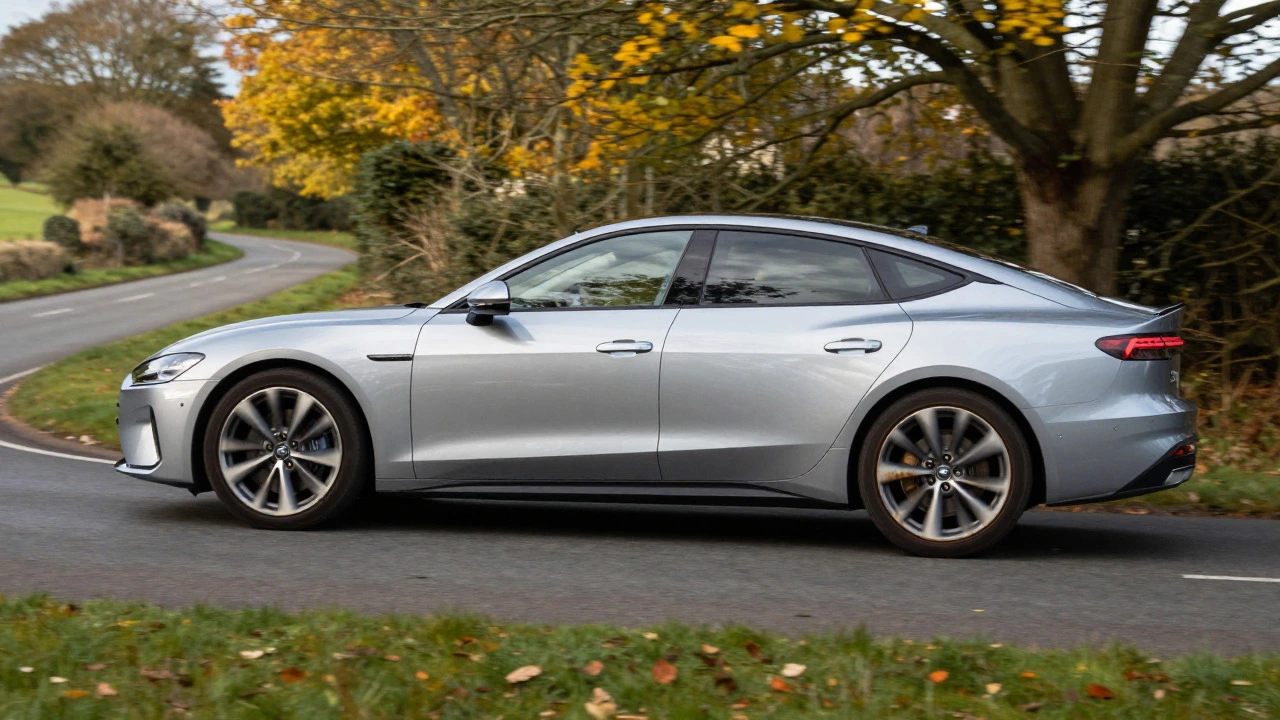
This is a critical financial consideration. In the UK used car market, aesthetics matter. A car with damaged steel wheels and mismatched hubcaps looks neglected. Clean, stylish alloys make a vehicle appear well-maintained and modern.
If you install alloys on a base-model car, you might not recoup 100% of the cost when selling, but you will likely sell it faster and for a higher price than the bare-metal alternative. However, avoid overly aggressive or unusual styles. Neutral, classic designs appeal to the broadest audience. Bright red or blacked-out extreme rims might turn off conservative buyers, limiting your resale pool.
Frequently Asked Questions
How much does it cost to fit alloy wheels in the UK?
Fitting costs typically range from £15 to £25 per wheel at most independent garages and chains like Kwik Fit or Halfords. This usually includes mounting, balancing, and torque tightening. If you do it yourself, you’ll need a torque wrench to ensure safety, as over-tightening can crack alloys.
Are cheaper alloy wheels dangerous?
Not necessarily, but caution is advised. Cheap wheels from reputable retailers with ECE certification are safe. Danger arises from uncertified imports that may use inferior aluminum alloys or poor casting techniques, leading to potential cracking under stress. Always verify the load rating matches your car’s requirements.
Do alloy wheels improve fuel economy?
Yes, marginally. Because alloys are lighter, they reduce unsprung mass, allowing the engine to work less to rotate the wheels. On average, switching from steel to alloys can improve fuel efficiency by 1-3%. Over a year of driving, this might save you £20-£50 on fuel, depending on mileage.
Can I put alloy wheels on any car?
Most modern cars can take alloys, but you must match the bolt pattern (PCD), offset, and center bore. Using incorrect offsets can cause rubbing against the suspension or fenders. Always consult a sizing guide or professional before purchasing to ensure compatibility.
Is it worth repairing a cracked alloy wheel?
If the crack is minor and professionally TIG-welded, yes. It costs significantly less than replacement. However, if the crack extends into the barrel or is near the mounting face, replacement is safer. Structural integrity is paramount for safety.