Quick Tips for Timing Your Purchase
- Late Winter (February/March): Best for summer tires as shops clear space for spring.
- Late Summer (August/September): Ideal for winter tires before the October rush.
- Holiday Windows: Black Friday and Memorial Day often see the deepest flat-rate discounts.
- Off-Peak Demand: Avoid buying during the first week of a seasonal shift.
The Seasonal Cycle of Tire Pricing
Tire shops operate on a rigid inventory cycle. They can't afford to keep massive amounts of Winter Tires is specialized tires designed for grip in snow and ice using a softer rubber compound taking up floor space during the middle of July. Because of this, the "best month" depends entirely on what kind of rubber you need for your car.
If you're looking for all-season tires, the sweet spot usually hits in the shoulder months-March and October. During these times, shops are transitioning their inventory. In March, they're purging the last of the winter stock to make room for spring demand. In October, they're doing the opposite. If you're flexible with the specific brand, this is when you'll find the most "manager's specials" where they just want the old stock gone.
For those in colder climates, timing your Winter Tires purchase is a game of nerves. Most people wait until the first frost in November. By then, demand spikes, and the best sizes sell out, leaving you with the most expensive options. Buying in August or September often allows you to snag early-bird rebates from manufacturers like Michelin or Bridgestone, who often offer "buy three, get one free" deals to encourage early stocking.
Holiday Sales and Manufacturer Rebates
Beyond the calendar months, specific dates create pricing dips. The best month to buy tires often aligns with major retail holidays. Black Friday (November) is a powerhouse for tire deals, but it's a double-edged sword. While the prices are low, the installation wait times at shops like Discount Tire or local garages can be grueling.
Memorial Day (May) is another hidden gem. It's the start of the summer road trip season. To attract customers, shops run aggressive promotions on all-season and performance tires. If you can shop a week before the actual holiday, you get the discount without the crowd.
| Tire Type | Best Month to Buy | Why it's Cheaper | Risk Factor |
|---|---|---|---|
| Winter/Snow | August - September | Early-bird rebates | Storage space until Nov |
| Summer/Performance | February - March | Inventory clearance | Limited size availability |
| All-Season | October or May | Seasonal transitions | High demand for installation |
Analyzing the Role of Rebates vs. Instant Discounts
You'll encounter two types of savings: instant discounts and mail-in rebates. An instant discount happens at the register-the price is simply lower. A rebate is a promise of money back later. Most people hate rebates because they forget to mail the form, which is exactly why manufacturers love them. They know a percentage of buyers will never claim the $70 back.
If you see a "Buy 4, Save $100" rebate in September, it's often a better deal than a 5% discount in December. Why? Because the rebate is a fixed amount regardless of the tire's base price. On a mid-range tire, a $100 rebate is a massive chunk of the cost. To make this work, set a calendar reminder the day you buy the tires to submit the claim online immediately.
Keep an eye on Continental and Goodyear. These brands frequently run "seasonal events" that aren't tied to a specific month but rather to quarterly sales targets. If a salesperson seems eager to push a specific brand, it's usually because they're close to a volume bonus, and they might be willing to shave another $20 off the price to close the deal.
Avoid the "Panic Buy" Trap
The most expensive time to buy tires is when you absolutely have to. When you realize your tread is down to 2/32 of an inch during a rainstorm in November, you lose all leverage. You can't shop around, you can't wait for a rebate, and you're forced to take whatever is in stock, even if it's the most overpriced model in the shop.
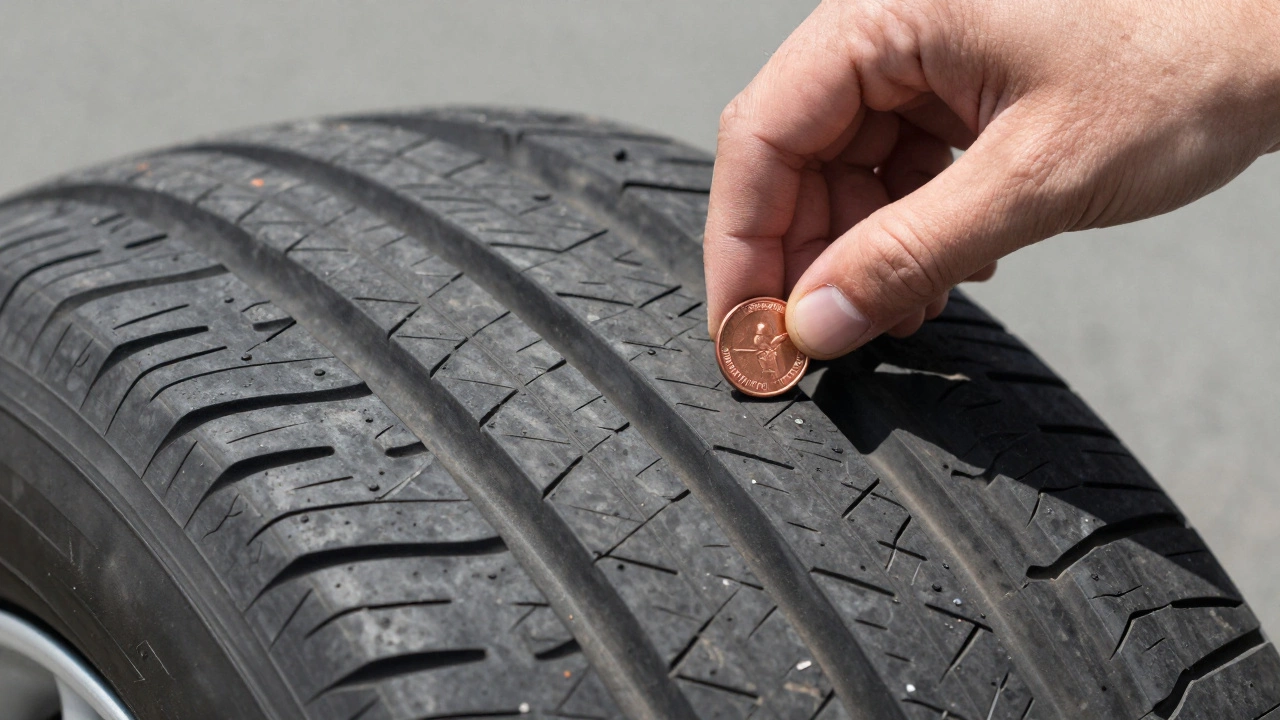
Instead, use the "Penny Test" in the spring. Stick a penny into your tread with Lincoln's head upside down. If you can see all of Lincoln's head, you need new tires. Doing this in April gives you the luxury of waiting for the May Memorial Day sales or monitoring prices for the summer. You move from being a desperate buyer to a strategic one.
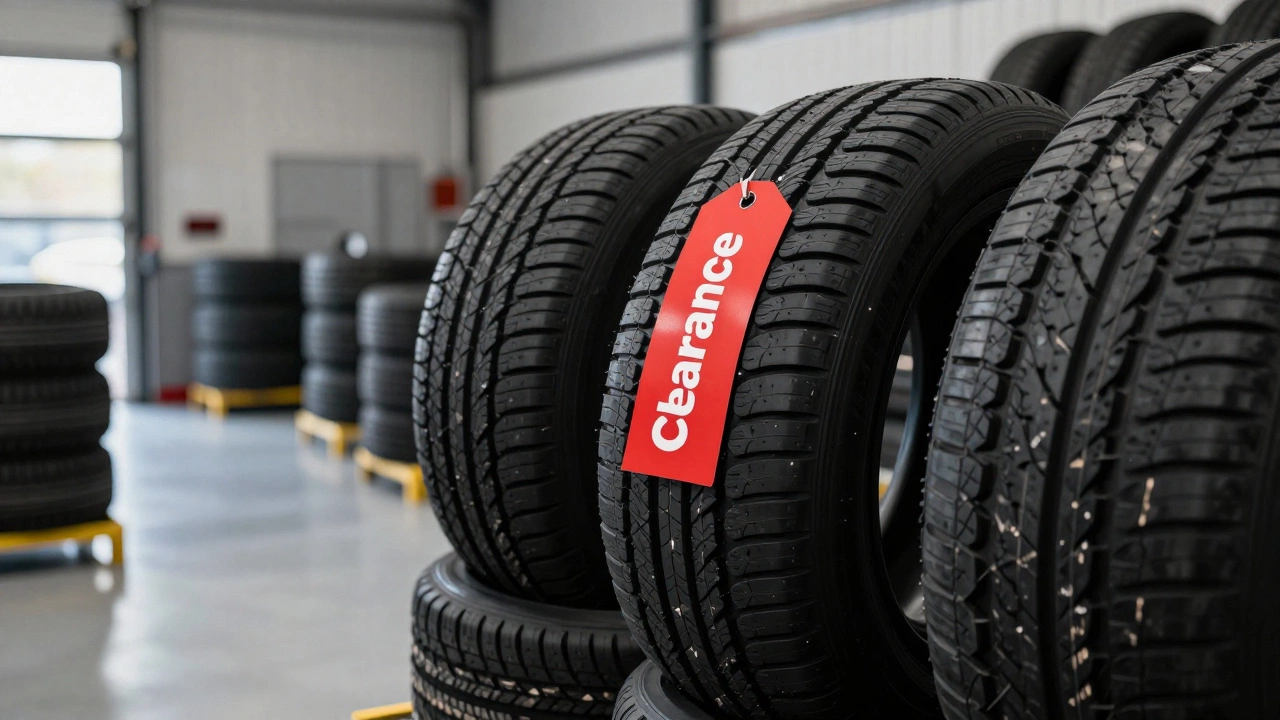
Another tip: check the DOT Code on the sidewall. This tells you when the tire was manufactured. If you're buying in March and the shop is offering a "clearance" price, check the date. If the tires have been sitting in a warehouse for three years, they're not a bargain-they're old rubber that may degrade faster. A good rule of thumb is to avoid tires older than two years, even if they've never been driven.
Where to Buy for the Best Timing
Online retailers often have different pricing cycles than brick-and-mortar shops. Websites like Tire Rack have massive warehouses and can offer deeper discounts during the off-season because they don't have the same physical floor-space constraints as a local garage.
However, buying online means you still have to pay for installation. If you find a steal online in September, calculate the cost of the tires plus the mounting and balancing fee at a local shop. Sometimes, a slightly more expensive "package deal" at a local dealer-including free rotations for the first year-is actually cheaper in the long run than the lowest online price.
Consider wholesale clubs if you're a member. They often have flat pricing year-round, which means they aren't the cheapest in the off-season, but they are significantly cheaper than retail shops during peak demand months like November. They act as a hedge against the seasonal price spikes.
Does the weather actually affect tire prices?
Indirectly, yes. Prices don't change because it's raining, but they change because of anticipated weather. When a cold front is predicted, demand for winter tires skyrockets, and shops stop offering discounts. Buying before the weather shift is the only way to save.
Is it cheaper to buy tires in the winter or summer?
It depends on the tire. Summer and all-season tires are often cheaper in late winter (Feb/March) during inventory clear-outs. Winter tires are cheapest in late summer (Aug/Sept) due to early-bird manufacturer promotions.
Are there any months when I should absolutely NOT buy tires?
Avoid the peak of the transition months-specifically the first two weeks of November and the first two weeks of April. This is when demand is highest and inventory is lowest, meaning you'll likely pay full price and wait longer for an appointment.
Do tire rebates usually happen at the same time every year?
Yes, they generally follow a pattern. Most major brands release their biggest rebates during the autumn (Sept-Nov) for winter sets and in the spring (March-May) for all-season sets. These are designed to align with the natural buying cycle of drivers.
Can I get a discount if I only buy two tires?
It's much harder. Most "Buy 3, Get 1" or flat-rate rebates require a full set of four. If you're only replacing two, your best bet is to look for clearance stock on individual tires in March or October, though this is risky as you must ensure the tread depth matches your remaining tires.
Next Steps for Your Purchase
If you're planning to buy right now, start by checking your current tread. If you have a few months of life left, set a price alert on a site like Tire Rack for the brands you like. If your tires are dangerously bald, don't wait for a holiday-look for current manufacturer rebates, which are often available even outside of the "peak" months.
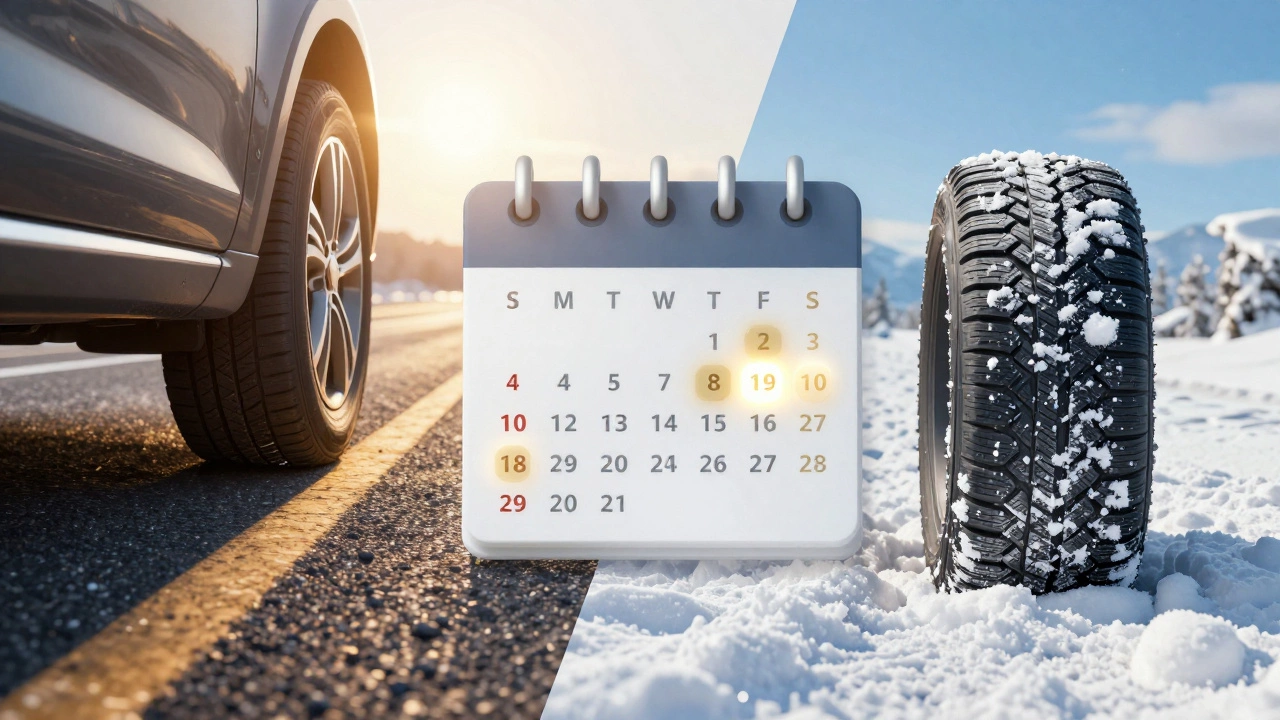
For those who want the absolute lowest price, the strategy is simple: buy the opposite of the current season. Buy your snow tires in the August heat and your summer performance tires in the February chill. You'll beat the crowds and the price hikes every single time.