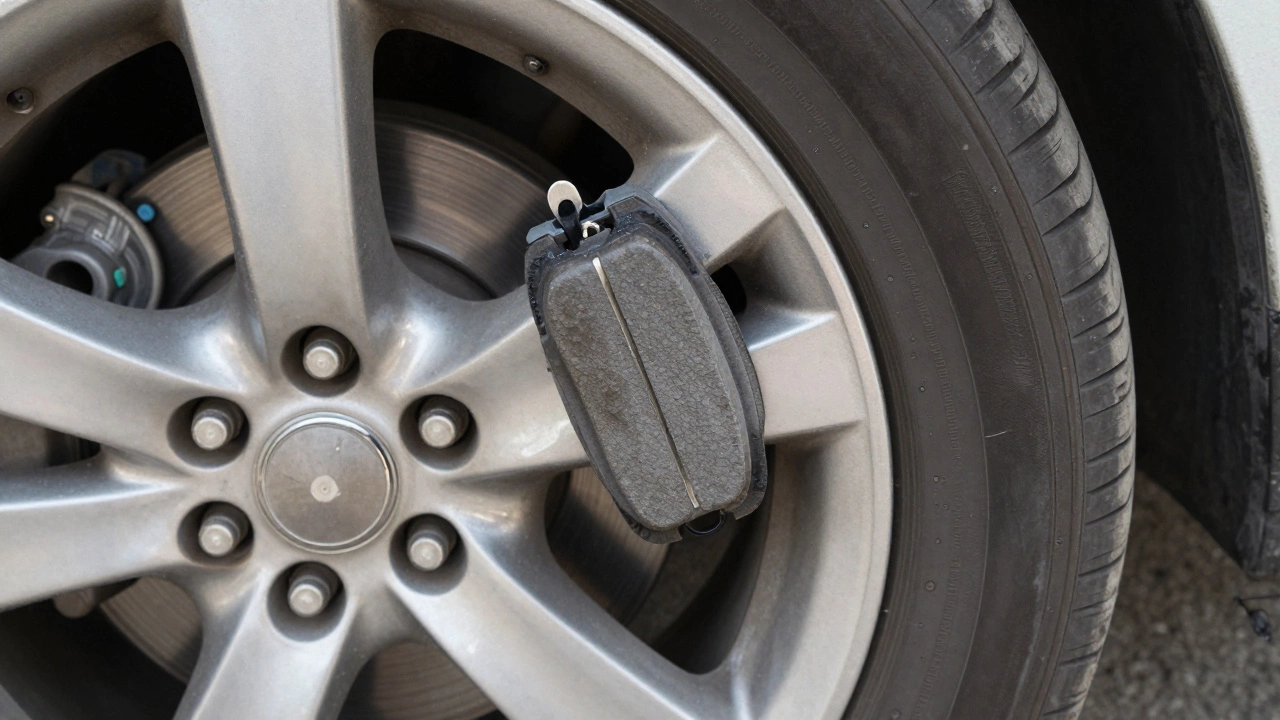
Brake Problem Diagnostic Tool
Select the primary symptom you are experiencing to find the likely cause and urgency.
What are you experiencing?
Please select a symptom from the left to see the diagnosis.
Likely Cause
Detailed description will appear here.
Recommended Action:
Step-by-step fix will appear here.
Quick Guide: Pads vs Rotors
- High-pitched squeal: Usually brake pads reaching the end of their life.
- Grinding metal sounds: Usually pads that are completely gone, now eating into the rotor.
- Steering wheel vibration: Almost always a sign of warped brake rotors.
- Pulled steering: Could be a stuck caliper or uneven pad wear.
- Longer stopping distance: Could be either, or a sign of brake fluid issues.
Understanding the Brake Basics
Before we play detective, let's get the terminology straight. When you step on the pedal, a hydraulic system pushes Brake Pads is a sacrificial friction material that clamps down on a spinning disc to slow the vehicle. These pads grip the Brake Rotors is the heavy metal disc that rotates with the wheel and provides the surface for the pads to squeeze. Think of it like a bicycle brake: the rotor is the wheel rim, and the pads are the rubber blocks that squeeze it. One is designed to wear down (the pads), and the other is designed to last a long time (the rotors). When the pads get too thin, they stop doing their job and start damaging the metal disc beneath them.
The Squeal: Your First Warning
Most modern cars have a built-in alarm system. If you hear a consistent, high-pitched screeching or squealing while driving, you're likely hearing the "wear indicator." This is a small metal tab attached to the Brake Pads that is designed to rub against the rotor once the friction material drops below a certain thickness (usually about 2-3mm). It's an intentional noise meant to tell you to book a service before you cause permanent damage. If the noise disappears when you actually press the brake pedal, it's almost certainly the wear indicator doing its job.
The Grind: When You've Waited Too Long
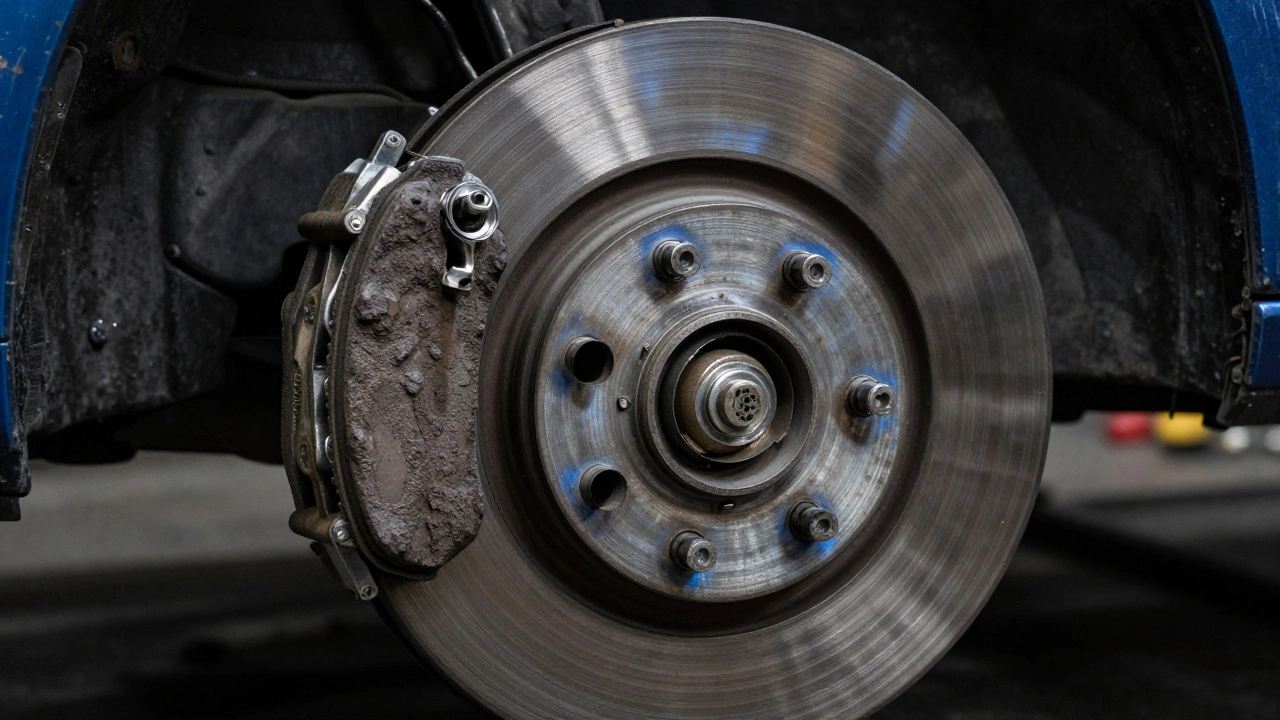
If that squeal turns into a loud, guttural grinding sound-like gravel in a blender-you've moved past the warning stage. This happens when the friction material is completely gone, and the metal backing plate of the pad is now rubbing directly against the Brake Rotors. This is a critical failure. At this point, you aren't just replacing pads; you're likely scoring the rotors. Deep grooves in the metal disc mean the new pads won't have a flat surface to grip, which drastically reduces your stopping power. If you feel a vibration accompanied by this grinding, your rotors are likely "scored" or deeply scratched.
The Shakes: Dealing with Warped Rotors
Have you ever noticed your steering wheel shuddering specifically when you brake at high speeds, like on a motorway? That's the classic sign of warped rotors. When rotors get too hot and then cool down too quickly (like hitting a deep puddle right after a hard stop), the metal can distort. Even a deviation of a few microns can cause the pads to bounce off the surface as they rotate, sending a vibration through the Suspension Parts and into your hands. While pads can cause some noise, they almost never cause a pulsing sensation in the pedal or steering wheel-that's almost always a rotor issue.
Visual Inspection: The DIY Check
You don't always need a mechanic to tell you what's happening. If you have wheels with open spokes, you can often see the pads without even taking the wheel off. Look for the thickness of the pad material. If it looks like a thin wafer (less than 3mm), it's time for a change. Now, look at the rotor surface. A healthy rotor should be smooth and shiny. If you see deep circular grooves, blue-ish discoloration (a sign of extreme overheating), or a "lip" around the outer edge, your rotors are worn out or damaged. Brake Calipers are the clamps that hold the pads; if you see brake fluid leaking around them, your problem is hydraulic, not just wear-and-tear.
| Symptom | Likely Culprit | Urgency | Typical Fix | |
|---|---|---|---|---|
| High-pitched squeal | Brake Pads | Medium | Replace Pads | |
| Grinding / Metal sound | Pads & Rotors | High | Replace both | |
| Steering wheel shake | Brake Rotors | Medium/High | Resurface or Replace Rotors | |
| Pulsing brake pedal | Brake Rotors | Medium/High | Resurface or Replace Rotors | |
| Slower stopping distance | Pads / Brake Fluid | Critical | Full Brake Inspection |
The Cost of Neglect: The Domino Effect
The most important thing to understand is that these two parts are linked. If you ignore your brake pads, you will inevitably destroy your rotors. Replacing pads is relatively inexpensive and common. However, once the rotors are scored, you have two choices: "turning" them or replacing them. Turning involves a machine that shaves a thin layer of metal off the rotor to make it flat again. This works if the damage is shallow, but if the rotors are too thin, turning them makes them overheat faster. In 2026, with the weight of modern electric and hybrid cars, many mechanics recommend just replacing the rotors entirely to ensure maximum safety and longevity.
When to Visit the Shop Immediately
While a squeal can wait a week, some symptoms require an immediate stop. If your brake pedal feels "spongy" or sinks all the way to the floor, you likely have air in your lines or a leak in the master cylinder. If the car pulls hard to one side when braking, you might have a seized caliper, which causes one pad to wear down instantly while the other stays new. These aren't just wear-and-tear issues; they are safety failures. Always trust your gut-if the car doesn't feel right, pull over.
Can I just replace the pads and keep the old rotors?
You can, but only if the rotors are smooth and not warped. Putting brand new pads on scored or warped rotors will lead to poor braking performance, more noise, and the new pads wearing out much faster because they have to "mold" themselves to the uneven surface of the old rotor.
How often should I check my brakes?
A good rule of thumb is to check your pad thickness every time you get your tires rotated or every 6,000 miles. Most people find their pads need replacing every 25,000 to 65,000 miles depending on whether they drive mostly in the city (more stopping) or on the highway.
Why do my brakes squeak only when it's raining?
This is usually caused by a thin layer of surface rust forming on the rotors, which is common in damp climates like the UK. The rust is scraped off the first few times you brake, and the noise disappears. If the noise persists after a few stops, then it's likely the wear indicators mentioned earlier.
Does ceramic or semi-metallic matter for wear?
Yes. Ceramic pads generally last longer and produce less dust, making them great for daily commuting. Semi-metallic pads offer better stopping power for heavy loads or high-performance driving but they wear down faster and are harder on the rotors.
Is it normal for the brake pedal to vibrate slightly?
A very slight pulse is common in some ABS-equipped cars during an emergency stop, but a constant vibration during normal braking usually indicates that the rotors are warped and need attention.
Next Steps for Car Owners
If you've identified a problem, your next move depends on the severity. For a light squeal, schedule a brake inspection within the next two weeks. For grinding or shaking, get it checked immediately. When you go to the garage, ask them to show you the actual pads and rotors. A reputable mechanic will happily point out the wear indicators or the grooves in the metal to justify the repair. If you're buying parts yourself, always replace pads in pairs (both fronts or both rears) to ensure the car brakes evenly and doesn't pull to one side.