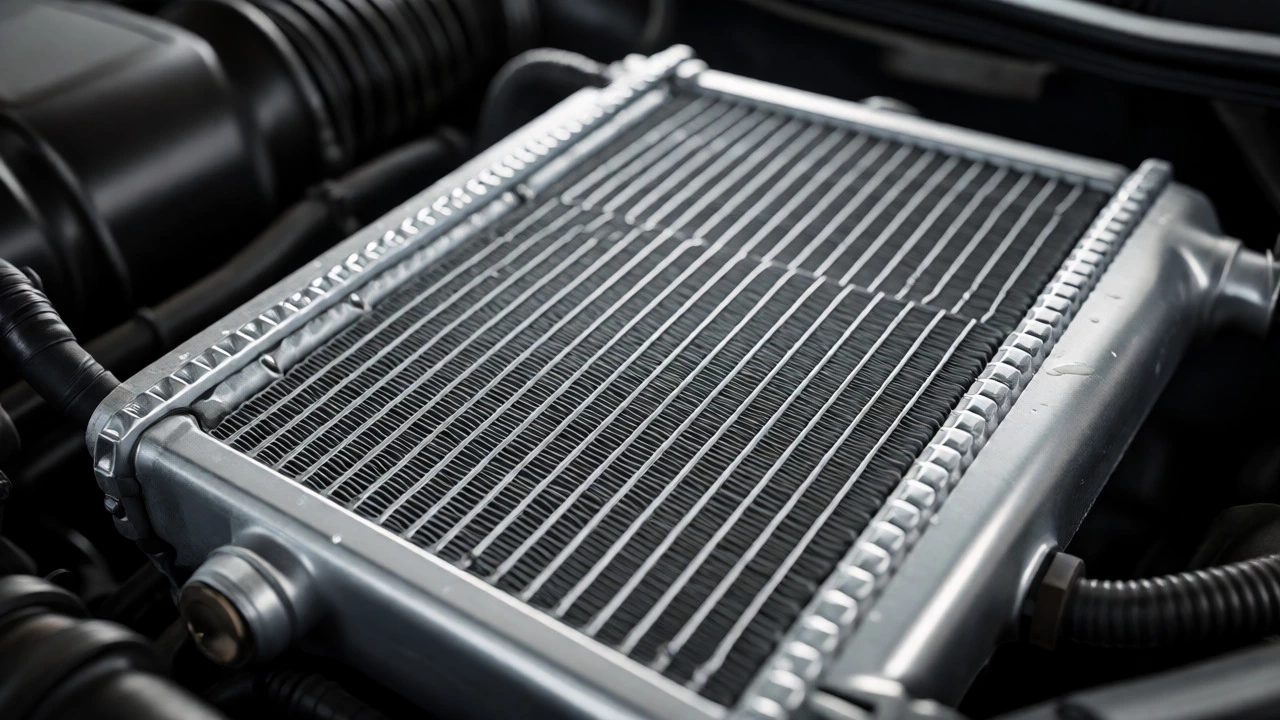
Radiator Longevity Estimator
Most radiators are designed to last 8–10 years, but many exceed 20 years with proper care. Use this tool to estimate the potential lifespan of your specific setup.
Fill in the details to see your estimated radiator lifespan.
-- Years
Personalized Maintenance Tips
You’re looking at your odometer. It’s hitting 150,000 miles, maybe even pushing 200,000. The engine still purrs, the transmission shifts smooth, but you start wondering about that chunk of metal up front. Can a car radiator last 20 years? It’s a question every long-haul driver asks eventually. The short answer is yes, but it’s not guaranteed by magic or luck. It depends entirely on how well you treat the cooling system.
Most mechanics will tell you radiators are designed to last between 8 and 10 years, or roughly 100,000 to 150,000 miles. But design life isn’t death sentence. Plenty of vehicles on the road today have original radiators that have survived two decades. So, what separates the ones that rust out in year seven from the ones that keep cool until year twenty? It comes down to material science, chemical balance, and physical stress.
The Material Matters: Aluminum vs. Copper-Brass
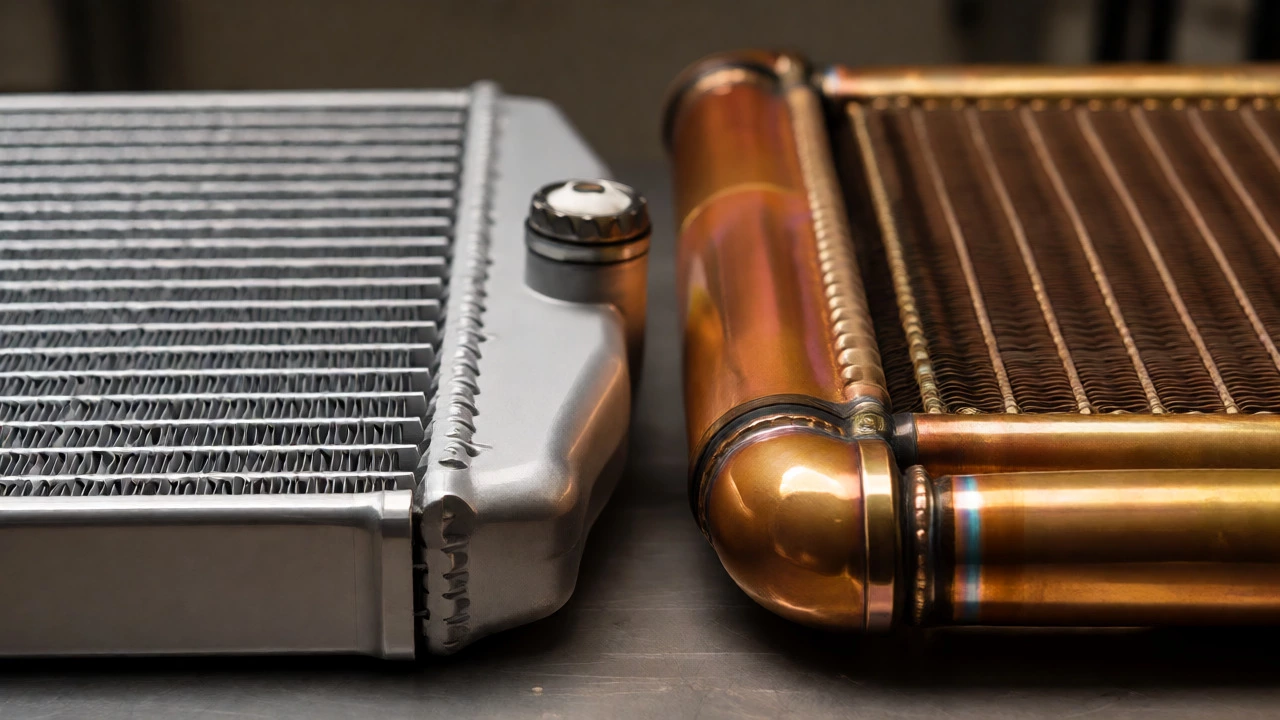
Not all radiators are built the same. If you drive a modern car manufactured after the mid-1990s, you likely have an aluminum radiator. These replaced the older copper-brass radiators because they are lighter, cheaper to produce, and dissipate heat faster. However, aluminum has a different failure mode than copper.
| Feature | Aluminum Radiator | Copper-Brass Radiator |
|---|---|---|
| Average Lifespan | 8-12 years (can exceed 20 with care) | 10-15 years (corrosion resistant) |
| Heat Dissipation | High efficiency | Moderate efficiency |
| Repairability | Difficult; often requires replacement | Easily soldered or patched |
| Weight | Lightweight | Heavy |
Aluminum corrodes differently. It doesn’t rust red like iron; it oxidizes white or gray. This oxidation can clog the tiny fins that release heat. Once those fins are blocked, the radiator can’t do its job, and the engine overheats. Copper-brass units, while heavier, are incredibly resistant to internal corrosion if the coolant is maintained. They rarely fail due to material degradation alone, usually dying only from physical impact or extreme neglect.
The Silent Killer: Coolant Chemistry
If there is one reason a radiator fails before its time, it’s bad engine coolant. Coolant isn’t just water with dye. It’s a complex mixture of ethylene glycol or propylene glycol mixed with additives called inhibitors. These inhibitors protect the metal surfaces inside your radiator and engine block from corrosion.
Over time, these inhibitors break down. When they deplete, the coolant becomes acidic. Acid eats away at the aluminum tubes and the plastic tanks where the metal meets the polymer. You might think topping off with plain water helps, but tap water contains minerals like calcium and magnesium. These minerals precipitate out as scale, blocking the narrow passages inside the radiator core. A blocked passage means hot spots, which lead to cracks.
To make a radiator last 20 years, you must respect the service interval. Most manufacturers recommend flushing the coolant every 30,000 to 60,000 miles, depending on the type used. "Long-life" coolants promise 100,000 miles, but many independent experts suggest changing them every 5 years regardless of mileage. Why? Because time degrades the chemical bonds just as much as heat does.
Physical Stress and External Damage
Your radiator sits at the very front of the vehicle. It takes the brunt of everything the road throws at it. Rocks, gravel, bugs, and debris constantly hit the exterior fins. Over 20 years, this creates physical damage. A single rock strike might dent a few fins, reducing airflow slightly. But hundreds of strikes over thousands of miles can crush entire sections of the core.
Vibration is another enemy. Your engine mounts wear out over time. When they get soft or broken, the engine moves more under acceleration and braking. This movement stresses the rubber hoses connected to the radiator and the mounting tabs themselves. Cracks often start at these connection points. If you notice leaks around the top or bottom tank seams, it’s often a sign of excessive vibration rather than internal corrosion.
Check your fan shroud too. If it’s cracked or missing, the electric cooling fan blows air inefficiently. This forces the radiator to work harder, increasing thermal cycling. Thermal expansion and contraction fatigue the metal joints over time, leading to eventual failure.
Signs Your Radiator Is Aging
You won’t always know a radiator is failing until steam pours from the hood. Catching problems early extends life significantly. Look for these subtle indicators:
- Discolored Coolant: Fresh coolant is bright green, orange, or pink. If it looks brown, muddy, or oily, internal corrosion has begun.
- Low Coolant Levels: If you’re adding fluid every month, something is leaking. Check the ground under the car after parking.
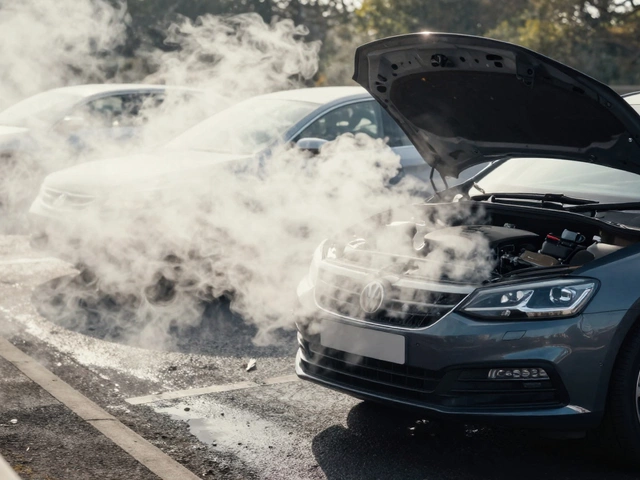
- Frequent Overheating: If the temperature gauge climbs above normal during idling in traffic, the radiator may be partially clogged internally or externally.
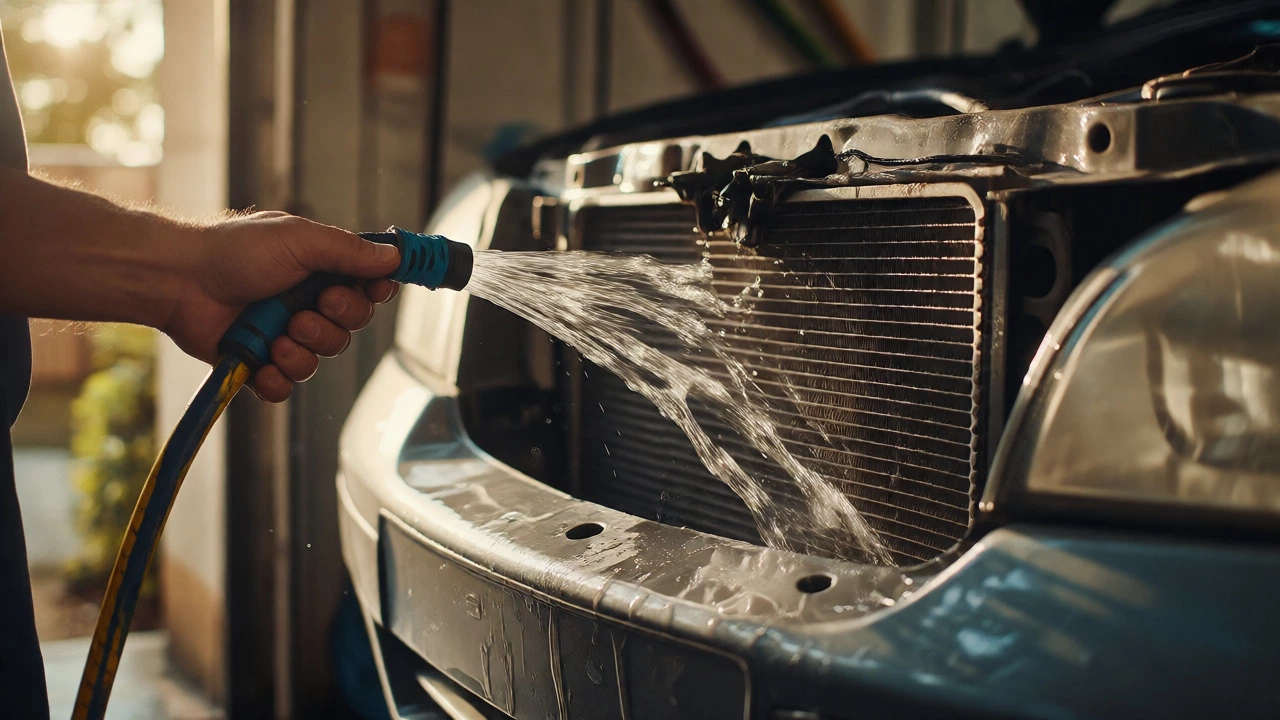
- Visible Debris: Use a flashlight to look through the grille. If the fins are packed with leaves, mud, or bugs, clean them gently with a garden hose.
Don’t ignore small leaks. A pinhole leak in an aluminum radiator can expand rapidly due to pressure fluctuations. What starts as a drip becomes a spray within weeks.
How to Extend Radiator Life to 20 Years
So, how do you actually achieve that two-decade milestone? It requires proactive maintenance, not just reactive repairs.
- Use the Right Coolant: Never mix different types of coolant unless specified by the manufacturer. Mixing incompatible chemicals can cause gelling, which blocks the radiator instantly.
- Flush Regularly: Even if the manual says "lifetime," flush the system every 5 years. This removes accumulated scale and restores inhibitor levels.
- Inspect Hoses and Clamps: Replace brittle hoses before they burst. A sudden hose failure dumps all your coolant, causing immediate overheating that can warp the radiator core.
- Keep Fins Clean: Every spring, use a low-pressure water stream to blow dirt out from the back of the radiator toward the front. Avoid high-pressure washers, which bend fins.
- Check the Cap: The radiator cap maintains system pressure. If the seal wears out, the boiling point of the coolant drops, leading to evaporation and air pockets.
Consider using distilled water when mixing concentrate. Tap water’s mineral content is a slow poison for aluminum cores. Distilled water eliminates this variable entirely.
When Replacement Is Better Than Repair
At 15 or 20 years old, should you repair a leaking radiator or replace it? For aluminum units, replacement is almost always the better choice. Patch kits exist, but they are temporary fixes. The surrounding metal is likely already fatigued. New radiators cost between $100 and $300 for parts, plus labor. Given the risk of engine damage from overheating, the investment pays for itself quickly.
If you have a classic car with a copper-brass radiator, repair is viable. Skilled technicians can re-solder leaks or recore the unit. This preserves authenticity and can extend the life indefinitely, provided the plumbing remains sound.
Conclusion: It’s About Respect, Not Just Time
Can a car radiator last 20 years? Absolutely. But it won’t happen by accident. It happens because someone kept the coolant fresh, cleaned the fins, and addressed small leaks before they became big ones. Treat your cooling system with respect, and it will return the favor by keeping your engine at optimal temperature for two full decades.
How long does a car radiator typically last?
Typically, a car radiator lasts between 8 and 10 years or 100,000 to 150,000 miles. However, with proper maintenance, including regular coolant flushes and external cleaning, many radiators can last 15 to 20 years or more.
What kills a car radiator fastest?
The fastest killers are contaminated coolant and physical impact. Using tap water introduces minerals that clog the core, while driving without a protective grille allows rocks to puncture the thin aluminum tubes.
Can I add water to my radiator instead of coolant?
You can add distilled water in an emergency, but never use tap water. Tap water contains minerals that cause scaling and corrosion. Always mix distilled water with the correct coolant concentrate to maintain protection against freezing and boiling.
Is it worth repairing an old radiator?
For modern aluminum radiators, replacement is usually more cost-effective than repair because patching often fails soon after. For older copper-brass radiators, professional repair or recoring is a viable option that can extend their life significantly.
How often should I flush my radiator?
Follow your vehicle manufacturer's recommendation, which is typically every 30,000 to 60,000 miles. However, many experts recommend flushing every 5 years regardless of mileage to prevent inhibitor depletion and internal corrosion.