Windscreen Wiper DIY Savings Calculator
Estimate your annual and long-term savings by swapping dealer-installed wipers for a simple DIY job.
DIY Recommendation
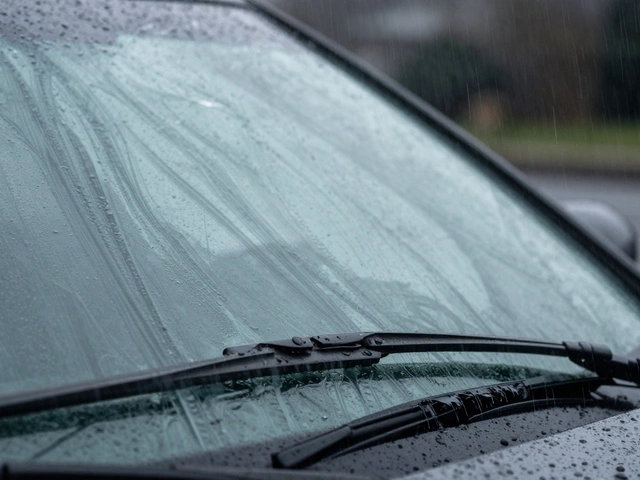
You’re driving in a sudden downpour, and your windscreen wipers start chattering like a nervous cat or leave ugly streaks across the glass. The first instinct for many is to head straight to the dealership or a quick-lube shop, where they’ll charge you $20-$40 for a ten-minute job. But here’s the truth: fitting windscreen wipers yourself is one of the easiest car maintenance tasks there is. If you can change a lightbulb, you can swap wiper blades.
This guide cuts through the confusion about different arm types and sizes. We’ll show you exactly how to do it without scratching your paint, which tools (if any) you actually need, and when it might be better to call a pro. By the end, you’ll have crystal-clear visibility and money in your pocket.
The Quick Summary: What You Need to Know
- Yes, you can do it: 95% of modern cars use clip-on or hook-arm systems that require zero tools.
- Check compatibility first: Measure your old blades or check your owner’s manual before buying replacements.
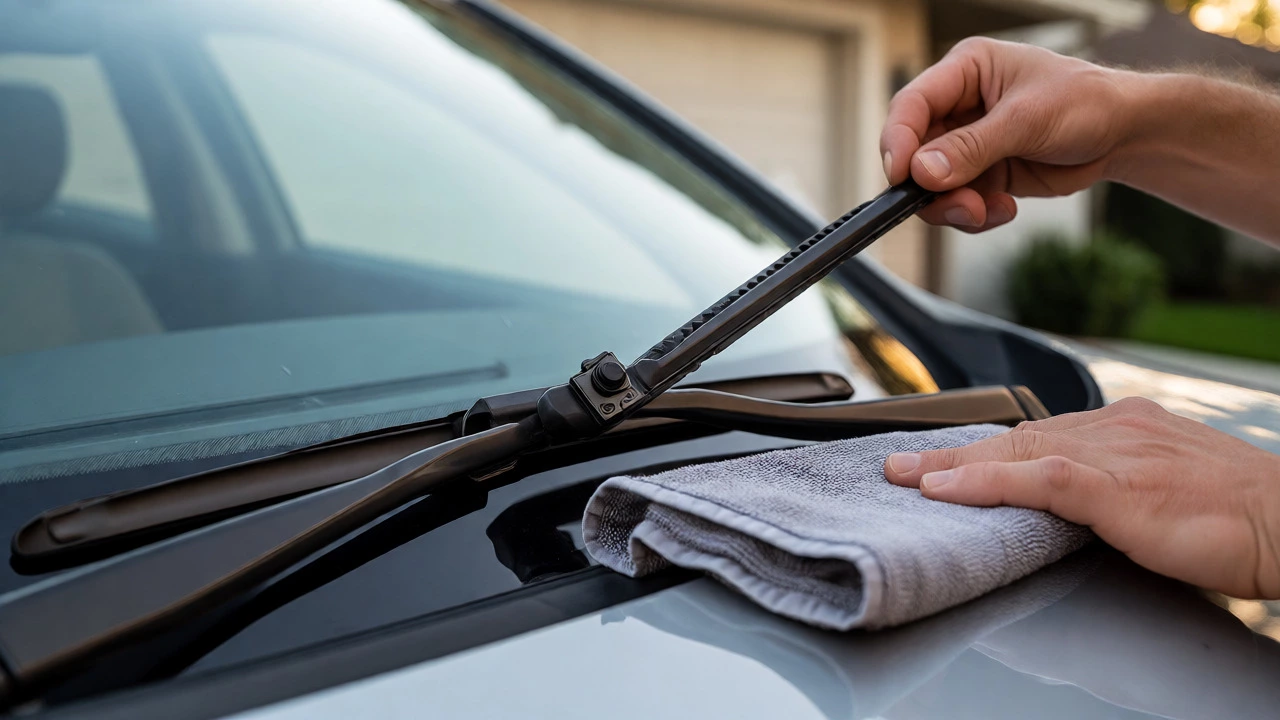
- Safety tip: Always place a towel on the hood before removing the old blade to prevent spring-loaded arms from cracking your windshield.
- Time required: Less than 10 minutes per pair once you know the mechanism.
- Cost savings: Save $30-$60 per year compared to dealer installation fees.
Why DIY Makes Sense (And When It Doesn’t)
Let’s be honest: car dealerships love upselling. They mark up wiper blades by 200-300% because they know most drivers don’t realize how simple the swap is. Buying a set of quality aftermarket blades online costs between $15 and $30. Paying someone else to install them adds labor charges that often exceed the cost of the parts themselves.
However, there are exceptions. If your car has an integrated rear spoiler with hidden wipers (common on some SUVs), accessing the mounting point can be fiddly. Or if you own a high-end vehicle with rain-sensing sensors calibrated to specific blade weights, incorrect installation could trigger error codes. For 9 out of 10 daily drivers-sedans, hatchbacks, standard trucks-DIY is not just possible; it’s smarter.
Identifying Your Wiper Arm Type
Before you buy anything, you need to know what kind of connector your car uses. This is the biggest hurdle for beginners, but it’s easy to spot once you look closely at the joint where the rubber blade meets the metal arm.
| Connector Type | Description | Installation Difficulty | Common Vehicles |
|---|---|---|---|
| Hook (J-Hook) | A simple U-shaped hook that clips into a slot on the blade adapter. | Very Easy | Toyota Camry, Honda Civic, Ford F-150 |
| Side Pin | A pin protrudes from the side of the arm; requires a push-button release. | Moderate | Volkswagen Golf, Audi A3 |
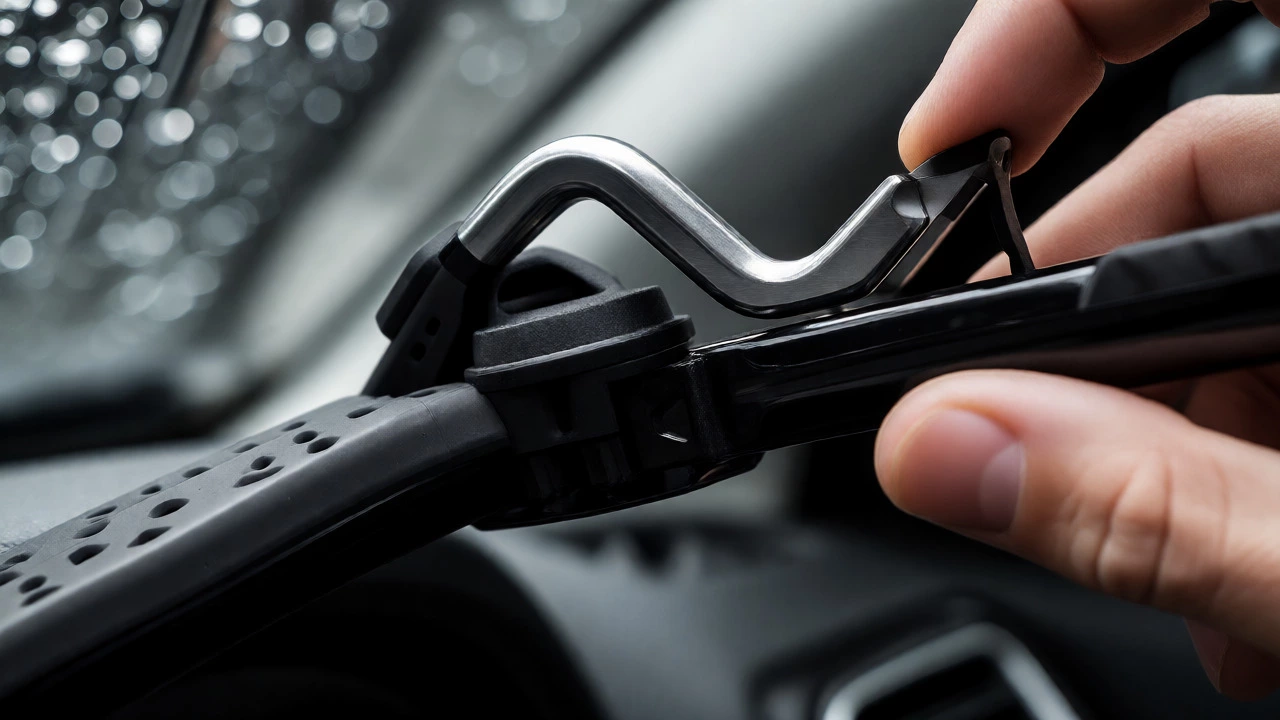
| Top Lock / Bayonet | The blade slides onto the arm and twists to lock, similar to a camera lens mount. | Moderate | Subaru Outback, Mazda CX-5 |
| Specialty OEM | Proprietary shapes unique to specific manufacturers (e.g., Bosch Aerotwin). | Harder | Mercedes-Benz, BMW newer models |
Most universal replacement kits come with multiple adapters to cover these types. If you drive a European luxury car, double-check that the kit includes the specific top-lock adapter, as generic hooks won’t fit.
Step-by-Step Installation Guide
Here is the exact process I follow when swapping blades on my own vehicles. It takes about three minutes per side.
- Lift the arm carefully: Pull the wiper arm away from the windshield until it locks in the upright position. Do this gently. If it’s frozen to the glass due to ice or dried wax, pour warm water over the contact point first. Never force it.
- Protect the glass: Lay a folded microfiber towel flat on the windshield directly under the arm. If the heavy metal arm slips back while you’re working, it will hit the towel instead of cracking your expensive glass.
- Release the old blade: Press the small tab or button on the connector (location varies by type) and slide the blade off the arm. For J-hooks, you usually press a tab and pull the blade downward.
- Prepare the new blade: Remove any plastic caps or covers from the new blade’s adapter. Ensure the correct adapter is installed on the new blade for your arm type.
- Attach the new blade: Align the new blade with the arm and push until you hear a distinct “click.” Tug lightly on the blade to confirm it’s secure.
- Lower the arm: Gently return the arm to its resting position on the glass. Remove the towel.
- Test: Spray washer fluid and run the wipers. Check for skipping, chatter, or loose movement.
Choosing the Right Blades: Beam vs. Conventional
Not all wipers are created equal. Understanding the two main designs helps you pick the right performance level for your climate.
Conventional wipers are the traditional style with a metal frame and multiple pressure points along the rubber strip. They are cheaper ($10-$15) but prone to freezing in winter and losing tension over time. They work fine in mild climates but struggle in heavy snow or high speeds.
Beam wipers (also called flat-blade wipers) use a single internal steel spring encased in rubber. They distribute pressure evenly across the entire length, providing better contact with curved windshields. They resist ice buildup better and look sleeker. Expect to pay $20-$40 per pair. Brands like Bosch, Rain-X, and Valeo dominate this segment.
If you live in a region with harsh winters or heavy rain, beam wipers are worth the extra few dollars. They last longer and clear water more effectively at highway speeds.

Troubleshooting Common Issues
Even with a perfect install, you might encounter problems. Here’s how to fix them quickly.
- Chattering noise: Usually caused by dirty glass or worn rubber. Clean your windshield thoroughly with rubbing alcohol or dedicated glass cleaner. If the noise persists, the new blades might be defective or incompatible with your windshield curvature.
- Streaking: Often indicates oil residue on the glass from tree sap or exhaust fumes. Use a clay bar treatment on the windshield to remove contaminants. Streaking can also happen if the blade angle is wrong, though this is rare with modern adjustable arms.
- Blade falls off: You didn’t click it in fully. Re-seat the blade until you feel resistance and hear the latch engage. Double-check that you removed all packaging materials from the new blade.
When to Replace Your Wipers
Don’t wait until they fail completely. Most manufacturers recommend replacing wiper blades every 6 to 12 months. However, visible signs are a better indicator:
- Rubber edges look torn or rounded off.
- Wipers skip or bounce during operation.
- Visible streaks remain after a full sweep.
- The arm makes a squeaking sound against the glass.
Driving with bad wipers reduces visibility significantly in rain, increasing accident risk. Treat them as safety-critical components, not just cosmetic accessories.
Do I need special tools to change windscreen wipers?
No, you typically do not need any tools. Most modern wiper blades use a tool-free clip system. In rare cases involving older vehicles with screw-mounted arms, you might need a Phillips-head screwdriver or a small wrench, but this is uncommon in cars manufactured after 2000.
How do I know which size wiper blades to buy?
You can find the correct size in three ways: check your owner’s manual, measure the length of your existing blades with a tape measure (in inches or millimeters), or use an online fitment guide by entering your car’s make, model, and year. Front and rear blades are often different sizes, so verify both.
Can I mix different brands of wiper blades?
Yes, you can mix brands as long as they fit your specific wiper arm connectors. Performance differences between reputable brands are minimal for average drivers. Focus on getting the correct size and connector type rather than worrying about brand consistency across left and right sides.
Why are my new wipers making a squeaking noise?
Squeaking is usually caused by friction between the rubber and the glass. First, clean your windshield thoroughly to remove oils and dirt. If the noise continues, ensure the wiper arm is applying even pressure. Sometimes, bending the arm slightly outward (away from the glass) changes the contact angle and eliminates the squeak.
Is it safe to drive with broken wipers?
It is unsafe and often illegal to drive in rain or snow with non-functional wipers. Visibility is critical for road safety. Many jurisdictions classify faulty wipers as a traffic violation. Always replace damaged blades immediately to avoid fines and reduce accident risk.