AC Filter Maintenance Advisor
Step 1: Identify Your Filter & Needs
Maintenance Schedule
Financial Impact Analysis
Annual Filter Costs
Energy Efficiency Impact
Regular maintenance can reduce energy consumption by 5-15%.
Proper Cleaning Procedure for Washable Filters
1. Remove & Pre-Vacuum
Turn off AC. Slide out filter. Vacuum both sides gently outside to remove loose dust.
2. Rinse with Low Pressure
Use garden hose with gentle spray. No pressure washers. Rinse until water runs clear.
3. Dry Completely
Air dry in shade. Must be 100% dry before reinstalling. Moisture causes mold.
4. Reinstall Correctly
Ensure arrows point toward AC unit. Check for snug fit without gaps.
⚠️ Do Not Clean This Filter Type
- Structural Damage: Cleaning will tear fibers and create holes allowing unfiltered air bypass.
- Loss of Electrostatic Charge: Water neutralizes the static charge that captures microscopic particles.
- Mold Risk: Damp disposable filters breed mold spores in your ductwork.
- Reduced Airflow: Embedded dirt remains after attempted cleaning, choking your AC system.
Picture this: it’s mid-July, the heat is brutal, and your air conditioner is humming away. You check the vents, and the air feels... heavy. Stale. Maybe even a bit dusty. Your instinct might be to grab a rag or hit the filter with compressed air to save a few bucks on a replacement. But before you do, you need to know one critical detail about your specific unit.
The short answer is: it depends entirely on the type of filter you have. For most standard disposable fiberglass or pleated filters, trying to clean them is like trying to wash a paper coffee filter-it falls apart, loses its shape, and stops working. However, if you own a specialized washable metal or foam filter, cleaning isn’t just an option; it’s the intended maintenance routine.
Mixing these two up can lead to higher energy bills, poor indoor air quality, and even costly repairs to your AC compressor. Let’s break down exactly which filters can survive a bath, how to do it right, and when you absolutely must throw yours in the trash.
Know Your Filter: Disposable vs. Washable
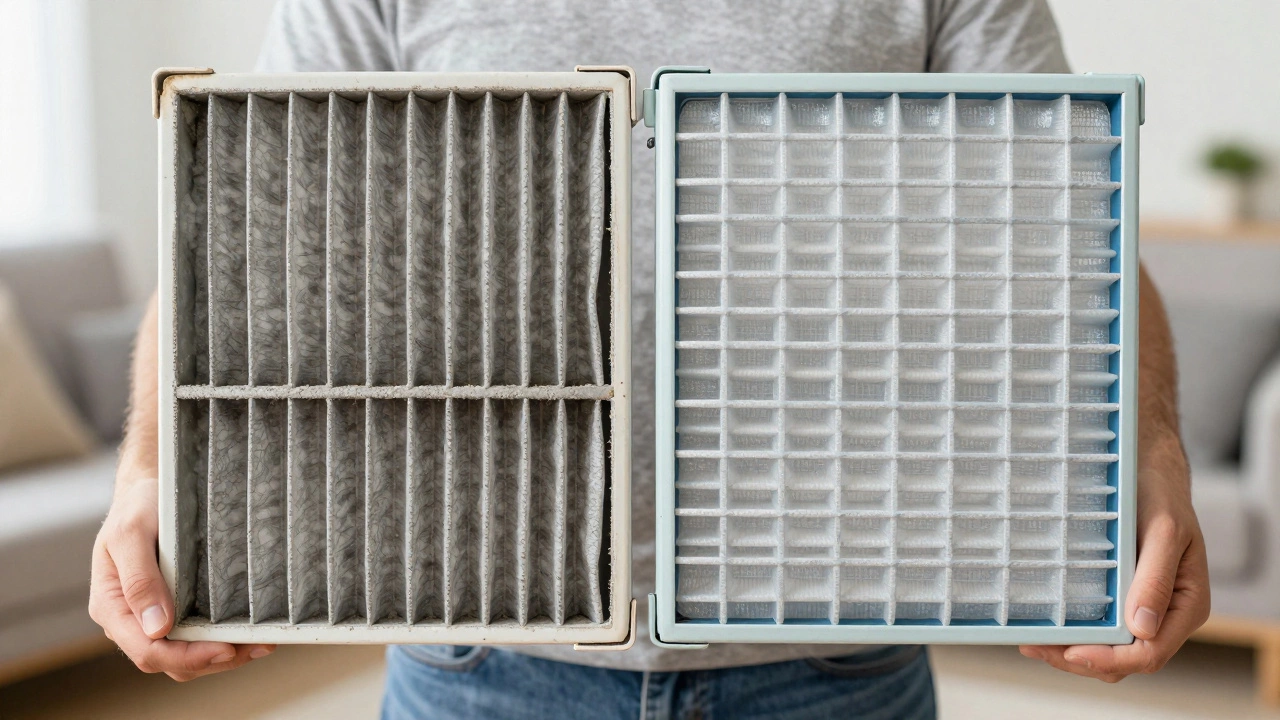
To make the right call, you first need to identify what sits inside your return air duct. Most residential HVAC systems use one of three main types of filters. Knowing which one you have dictates your entire maintenance strategy.
Next, we have Pleated Filters, which are made from polyester or cotton blends and feature accordion-like folds to increase surface area. These offer better filtration (often rated MERV 8-13) than fiberglass. Despite their sturdier appearance, they are also disposable. The pleats collect fine dust, pet dander, and pollen. Washing them destroys the electrostatic charge that helps capture microscopic particles, rendering them less effective than a brand-new one. Plus, wet pleats take forever to dry, risking mold growth inside your ductwork.
Then there are Washable Filters, typically made from aluminum mesh or durable polyurethane foam. These are reusable by design. Aluminum mesh filters are rigid and can handle high-pressure rinsing. Foam filters are flexible and require gentle hand-washing. If your filter looks metallic or like a thick sponge, you’re in luck-you can clean it. If it looks like paper or fabric, toss it.
The Risks of Cleaning Non-Washable Filters
You might think, "I’ll just vacuum it." It sounds logical. Remove the dust, reuse the frame. But here’s why experts advise against it for disposable filters:
- Structural Damage: Vacuuming pulls at the fibers. Over time, holes form. Even small gaps allow significant amounts of unfiltered air to pass through. In HVAC terms, this is called "bypass," and it defeats the purpose of having a filter.
- Loss of Electrostatic Charge: Many pleated filters use static electricity to attract dust particles. Water or aggressive brushing neutralizes this charge. A cleaned pleated filter performs worse than a dirty new one.
- Mold and Bacteria Growth: If you wash a non-washable filter, it retains moisture. Putting a damp filter back into your dark, warm ductwork creates a perfect breeding ground for mold spores. You could end up circulating mildew smells throughout your house.
- Reduced Airflow: Clogged filters restrict airflow. When you try to clean a clogged disposable filter, you rarely remove all the embedded dirt. The remaining debris continues to choke the system, forcing your AC fan to work harder.
How to Properly Clean Washable Filters
If you’ve confirmed you have a washable aluminum or foam filter, here is the step-by-step process to restore it without damaging your HVAC system.
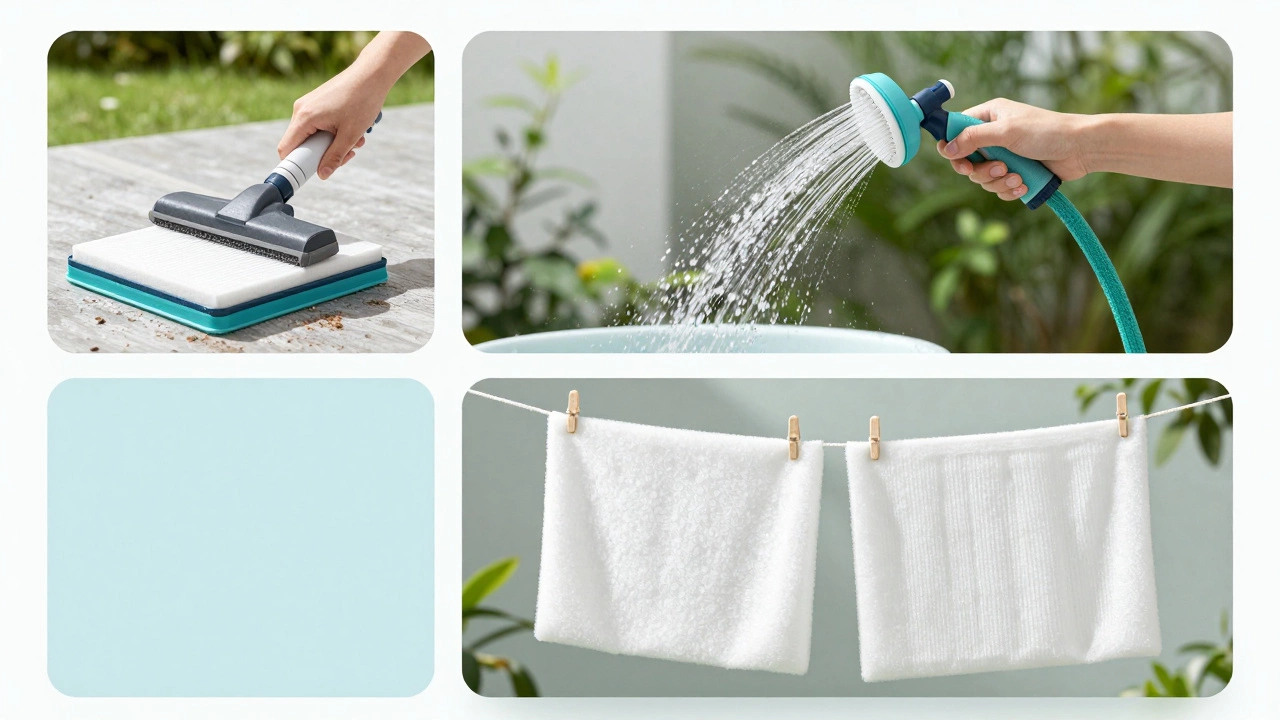
- Remove the Filter Carefully: Turn off your AC unit first. Slide the filter out of the track. Note the airflow direction arrows so you put it back correctly later.
- Pre-Vacuum: Take the filter outside and gently vacuum both sides to remove loose dust and hair. This prevents creating a muddy slurry when you add water.
- Rinse with Low Pressure: Use a garden hose with a gentle spray setting. Do not use a pressure washer-the force can bend aluminum fins or tear foam. Rinse until the water runs clear.
- Use Mild Detergent (Optional): For greasy buildup or heavy grime, mix a solution of warm water and mild dish soap. Gently scrub with a soft brush. Avoid harsh chemicals like bleach, which can corrode metal frames or degrade foam.
- Dry Completely: This is the most critical step. Shake off excess water and let the filter air-dry in a shaded, well-ventilated area. Direct sunlight can warp plastic components or fade labels. Ensure it is 100% dry before reinstalling. A damp filter will promote rust and mold.
- Reinstall: Once bone-dry, slide it back in with the arrows pointing toward the AC unit (following the airflow).
When Replacement Is Always Better
Even if you have a washable filter, there comes a point where cleaning isn’t enough. Here are signs your filter needs to be replaced, regardless of type:
- Physical Damage: Tears, rips, or bent frames compromise filtration efficiency.
- Persistent Odors: If the filter smells musty after cleaning and drying, it’s harboring bacteria that won’t come out.
- Age: Washable aluminum filters last 5-10 years. Foam filters last 2-5 years. Beyond that, the materials degrade.
- Increased Energy Bills: If your AC runs longer cycles despite a clean filter, the filter media may be permanently clogged at a microscopic level.
Comparison: Cleaning vs. Replacing
| Factor | Cleaning (Washable Only) | Replacing (Disposable) |
|---|---|---|
| Upfront Cost | $0 (if you already own it) | $10-$40 per filter |
| Long-Term Value | High (saves money over years) | Low (recurring expense) |
| Filtration Efficiency | Decreases slightly with each wash | Peak performance every time |
| Environmental Impact | Low (less waste) | Higher (landfill waste) |
| Maintenance Effort | High (washing, drying time) | Low (swap and go) |
Impact on Your HVAC System Health
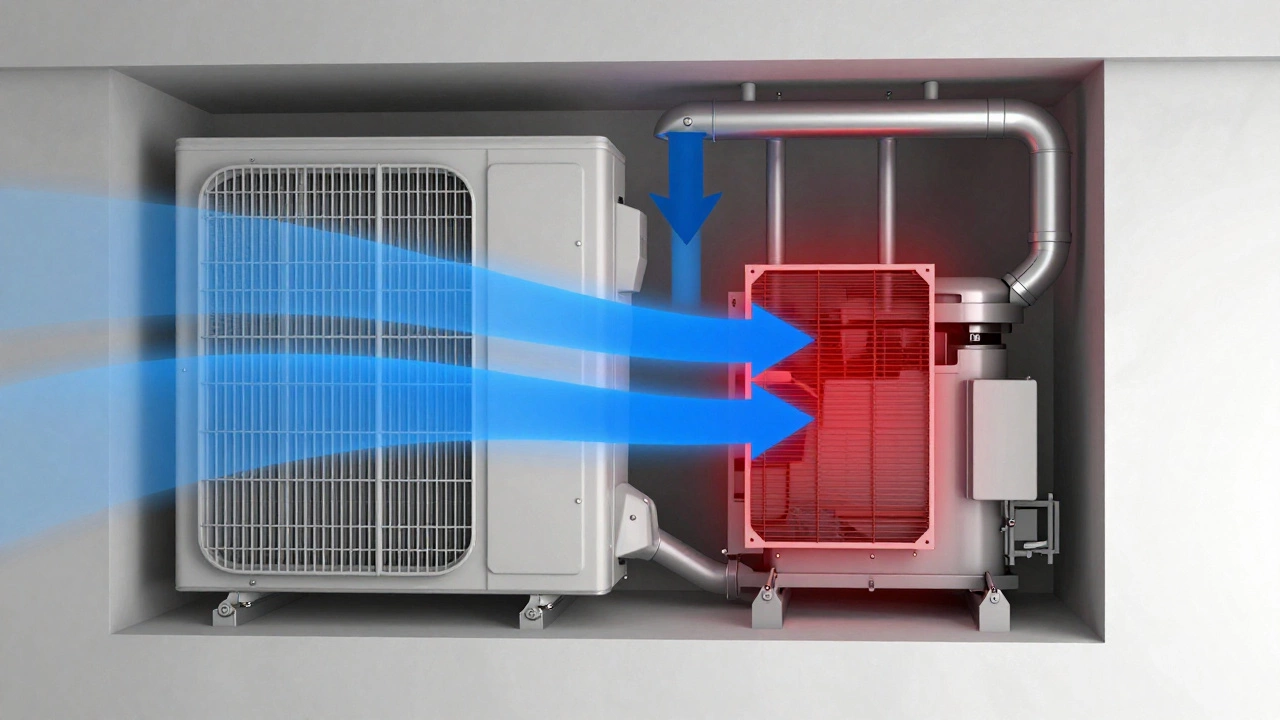
Your air filter does more than keep the air clean; it protects your expensive equipment. A dirty or improperly cleaned filter restricts airflow. When airflow drops, your evaporator coil can freeze up. Ice blocks the refrigerant flow, causing the compressor to overheat. This is a leading cause of premature AC failure.
Cleaning a washable filter regularly maintains optimal airflow, keeping your energy bills lower. According to the Department of Energy, changing or cleaning filters monthly during peak season can reduce energy consumption by 5% to 15%. That’s real savings on your electric bill.
However, using a damaged or poorly cleaned filter increases strain on the blower motor. Over time, this leads to worn bearings and eventual motor burnout. Repairing a blower motor costs hundreds of dollars-far more than the price of a new filter.
Frequency: How Often Should You Clean or Replace?
Timing matters. Don’t wait until your AC struggles. Follow these guidelines based on your household conditions:
- Standard Household: Check every month. Clean/replace every 90 days.
- Pets in Home: Check every 2 weeks. Clean/replace every 60 days due to increased dander and hair.
- Allergies or Asthma: Check every 2 weeks. Replace every 30-45 days to maintain high MERV ratings for allergen capture.
- High Dust Environment: (e.g., construction nearby, rural area) Check weekly. Clean/replace as needed, likely every 30 days.
For washable filters, inspect them visually. If you can’t see light through the mesh or foam easily, it’s time to wash. For disposables, hold it up to a bright light. If the pleats are obscured by gray dust, it’s done.
Common Mistakes to Avoid
Even well-intentioned homeowners make errors that harm their systems. Watch out for these pitfalls:
- Installing Backwards: Every filter has arrows indicating airflow direction. Installing it backwards reduces efficiency and can damage the filter media.
- Ignoring Seal Gaps: Ensure the filter fits snugly in the slot. Gaps allow unfiltered air to bypass the filter entirely. Use weatherstripping if needed.
- Using Wrong Size: Measure your filter slot carefully. A filter that’s too small leaves gaps; one that’s too big won’t fit and may block airflow.
- Skipping the Dry Step: Never install a damp washable filter. Moisture leads to mold, which circulates spores into your living space.
FAQ
Can I wash a pleated AC filter?
No, you should not wash a standard pleated filter. Pleated filters are made from paper-like materials that disintegrate or lose their electrostatic charge when wet. Washing them ruins their ability to trap fine particles and can lead to mold growth. Always replace pleated filters instead.
How long do washable AC filters last?
Washable aluminum mesh filters can last 5 to 10 years with proper care. Polyurethane foam filters typically last 2 to 5 years. Over time, the materials degrade, and filtration efficiency drops, requiring eventual replacement.
Is it cheaper to clean or replace AC filters?
If you have a washable filter, cleaning is significantly cheaper in the long run since you only pay once. However, disposable filters are inexpensive upfront ($10-$40). The true cost difference lies in energy savings: a clean filter improves efficiency, lowering your electric bill regardless of type.
What happens if I don't change my AC filter?
Neglecting your filter restricts airflow, causing your AC to work harder. This leads to higher energy bills, frozen evaporator coils, reduced cooling capacity, and potential compressor failure. It also allows dust and allergens to circulate, worsening indoor air quality.
Can I vacuum a fiberglass filter to clean it?
Vacuuming a fiberglass filter is not recommended. The delicate fibers tear easily, creating holes that allow unfiltered air to pass through. Additionally, vacuuming doesn't remove deeply embedded dust. Fiberglass filters are designed for single use and should be replaced.
How do I know if my AC filter is washable?
Check the label on the filter frame. It will usually say "Reusable," "Washable," or "Permanent." Visually, washable filters are made of metal mesh or thick foam. If it looks like paper, cardboard, or thin fabric, it is disposable.