Wiper Blade Size Checker
Check Your Blade Compatibility
Ensure your wiper blade matches your vehicle's specifications to prevent visibility issues and damage.
Compatible
Your wiper blade size matches vehicle specifications.
Use as recommended for optimal performance and safety.
Ever looked at your windshield and thought, "My wiper blade is worn out, but I only have a 15-inch one lying around-can I just use it instead of the 14-inch one I’m supposed to?" It’s a common question, especially when you’re in a hurry or the exact size isn’t available. The short answer? It’s not recommended, and here’s why.
Why Wiper Blade Size Matters
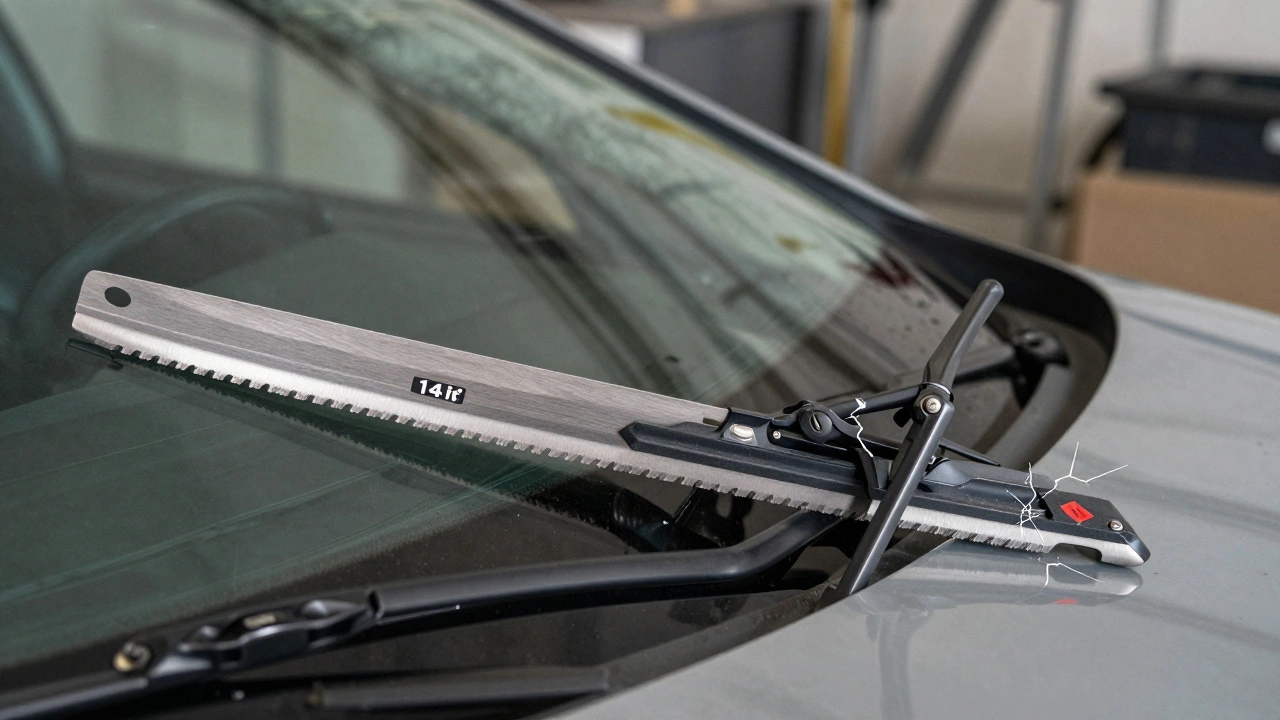
Wiper blades aren’t one-size-fits-all. Each vehicle is designed with specific arm lengths, pivot points, and arc angles to clear the windshield properly. The size-measured in inches-isn’t just a suggestion; it’s engineered to match the shape and curvature of your windshield. A 14-inch blade covers a precise area. A 15-inch blade? It’s longer by about 2.5 centimeters. Sounds small, right? But in car terms, that’s enough to cause problems.Think of it like wearing shoes half a size too big. You can walk, sure-but you’ll trip, your toes will rub, and your feet will hurt by the end of the day. Same with wipers. The extra length doesn’t mean better coverage. It means misalignment.
What Happens When You Use a 15-Inch Blade on a 14-Inch Fit
There are three real-world outcomes when you swap sizes:- Blade overhang: The 15-inch blade extends beyond the edge of the windshield. This means part of the rubber isn’t touching the glass at all. You’ll get streaks or blind spots near the corners, especially during heavy rain.
- Blade lift-off: The longer blade puts more leverage on the wiper arm. At high speeds, aerodynamic forces can cause the blade to lift off the glass. That’s when you lose visibility entirely-even if the blade is moving.
- Damage to the arm or motor: The wiper arm is designed to handle a specific weight and torque. A longer blade adds stress. Over time, this can bend the arm, wear out the gear in the wiper motor, or even snap the linkage.
One driver in Manchester reported a cracked wiper arm after using a 15-inch blade for three months. The repair cost £85. The blade itself was £7. That’s not a saving-it’s a gamble.
What About a 14-Inch Blade on a 15-Inch Fit?
You might think the reverse is safer. But it’s not. A shorter blade leaves a strip of glass uncovered-usually along the driver’s line of sight. That’s dangerous. In the UK, the Highway Code requires clear visibility. If you’re caught with an obstructed windshield, you could face a £1,000 fine and three penalty points. Insurance companies also deny claims if they find improper parts contributed to an accident.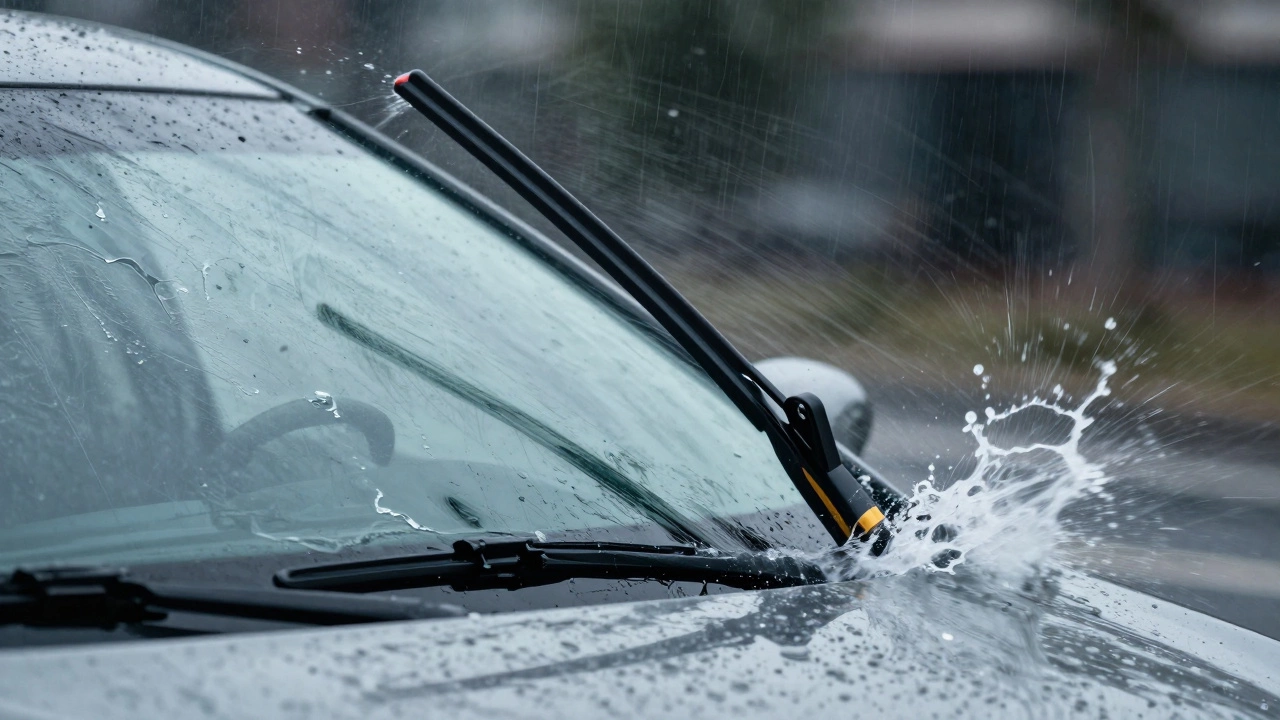
How to Find the Right Size
You don’t need to guess. There are three reliable ways to confirm the correct size:- Check your owner’s manual: Most manuals list wiper blade sizes in the maintenance section. Look for "windshield wipers" or "blade replacement".
- Measure the old blade: Pull the blade off, lay it flat, and measure from the end of the rubber to the first metal hook. Don’t include the arm-just the rubber part.
- Use an online wiper size finder: Websites like Rain-X, Michelin, or Autodoc have tools where you enter your car’s make, model, and year. They return exact sizes for both driver and passenger sides.
Many cars have different sizes for each side. A 2023 Ford Focus, for example, uses a 22-inch blade on the driver’s side and a 14-inch on the passenger side. Never assume they’re the same.
When Is a Slight Size Change Acceptable?
There’s one exception: ±1 inch. Some manufacturers allow a 1-inch difference if the blade still fits within the arc and doesn’t interfere with the frame or trim. But even then, you need to test it.Here’s how to check:
- Install the blade and turn on the wipers.
- Watch closely as they move. Do they hit the windshield trim, the rearview mirror, or the edge of the glass?
- Run them at high speed. Do they chatter, lift, or skip?
- Check the corner of the windshield after a rainstorm. Is there a dry patch?
If you answer "yes" to any of those, take it off. No exceptions.
Common Myths About Wiper Blade Sizes
Let’s clear up a few misconceptions:- "A longer blade cleans more glass." False. The windshield’s shape doesn’t change. A longer blade just covers space that doesn’t exist.
- "I’ve used a 15-inch for years and nothing happened." Maybe you got lucky. But wear and tear builds silently. That bent arm or worn motor might show up next winter.
- "All 14-inch blades are the same." No. There are different mounting types-hook, pin, or bayonet. You need the right connector, not just the right length.
What Should You Do Instead?
Buy the correct size. It’s cheaper than damage. A pair of genuine 14-inch wiper blades costs between £12 and £20. You can find them at Halfords, Kwik Fit, or even Amazon UK. Many come with a 12-month guarantee. That’s peace of mind you can’t buy with a quick fix.If you’re stuck without the right size? Don’t drive with worn blades. It’s illegal in the UK if your visibility is impaired. Use a temporary windshield treatment like Rain-X to reduce streaking until you can replace them. Or call a local garage-they often have blades in stock and can install them in 15 minutes.
Final Thought: It’s Not Worth the Risk
Wiper blades are one of the cheapest parts on your car. But they’re also one of the most critical for safety. A 1-inch mismatch might seem harmless, but it can mean the difference between seeing a pedestrian at night-or not. In the UK, where rain is common and visibility drops fast, there’s no room for guesswork.Stick to the size your car was designed for. Your eyes, your licence, and your insurance company will thank you.
Can I use a 15-inch wiper blade if my car calls for a 14-inch one?
It’s not recommended. A 15-inch blade is too long for a 14-inch fit and can cause overhang, lift-off at speed, or damage to the wiper arm and motor. Even if it seems to work at first, long-term use increases the risk of reduced visibility and mechanical failure.
Will using the wrong size wiper blade damage my car?
Yes. A blade that’s too long adds extra leverage to the wiper arm, which can bend it over time. It can also overload the wiper motor, leading to premature failure. In extreme cases, the linkage or gear mechanism can break. Repairs cost far more than replacing the blade with the correct size.
Is it legal to drive with mismatched wiper blades in the UK?
It’s not explicitly illegal to use the wrong size-but if the blades leave streaks, gaps, or reduced visibility, you’re breaking the Highway Code. Police can issue fines of up to £1,000 and three penalty points if your windshield isn’t clear. Insurance claims may also be denied if improper parts contributed to an accident.
How do I know the correct wiper blade size for my car?
Check your owner’s manual, measure the old blade from the hook to the end of the rubber, or use an online wiper size finder by entering your car’s make, model, and year. Many cars use different sizes for driver and passenger sides, so always verify both.
Can I use a 14-inch blade if my car needs a 15-inch one?
No. A shorter blade will leave a strip of windshield uncovered, usually right in the driver’s line of sight. This creates a dangerous blind spot, especially in heavy rain or at night. Never use a blade shorter than recommended.