Alloy Wheel Upgrade Cost Estimator
Estimated Breakdown
Note: Prices are estimates based on standard UK market rates for a family car. Premium brands or larger diameters may increase costs.
So, you’ve been staring at your car’s plain steel wheels, thinking they look a bit dull. Maybe you saw a sleek set of alloy wheels is wheels made from an aluminum-magnesium alloy that offer better aesthetics and heat dissipation compared to traditional steel on another vehicle and wondered if you could just pop yours off and put those on instead. The short answer is yes, you absolutely can swap normal steel wheels for alloy ones. But it isn’t as simple as buying new rims and bolting them up. If you get the specs wrong, you could damage your suspension, void your insurance, or worse, have a wheel fall off while driving.
I’ve spent years working with cars here in Manchester, dealing with everything from rainy winter roads to summer track days. I’ve seen too many people buy shiny new alloys online without checking if they actually fit their specific model. This guide will walk you through exactly what you need to check before you make the switch, so you don’t waste money or risk your safety.
The Quick Summary: What You Need to Know
- Yes, it’s possible: You can replace steel wheels with alloy wheels on almost any modern car.
- Fitment is key: You must match the bolt pattern, center bore, offset, and diameter.
- Tires are separate: Buying wheels doesn’t mean you keep your old tires; you’ll likely need new ones.
- Weight matters: Alloys are lighter, which improves handling but can feel harsher on rough UK roads.
- Cost adds up: Factor in fitting, balancing, and potential new tires when budgeting.
Why Bother Switching from Steel to Alloy?
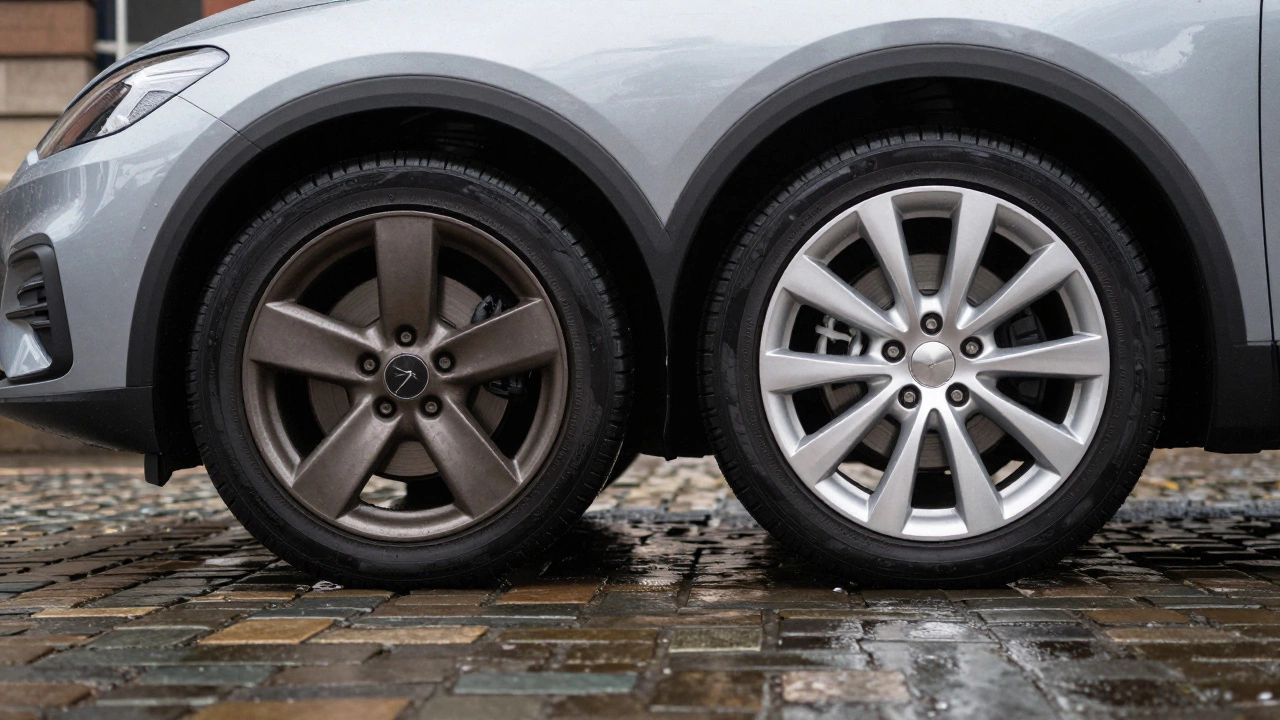
Before we dive into the technical stuff, let’s talk about why you’d want to do this in the first place. Most base-model cars come with steel wheels covered by plastic hubcaps. They’re cheap to manufacture and durable, but they look boring. Steel wheels are heavy, iron-based wheels often coated with paint or plastic covers, known for durability but lacking aesthetic appeal are also significantly heavier than their alloy counterparts.
Switching to alloys gives you three main benefits:
- Better Looks: Let’s be honest, this is the number one reason. Alloys add style and can transform the entire appearance of your car.
- Improved Performance: Because alloys are lighter, there is less "unsprung weight." This means your suspension can react faster to bumps, improving handling and braking distances.
- Better Heat Dissipation: Aluminum conducts heat better than steel. This helps cool down your brakes during hard driving, reducing the risk of brake fade.
However, there are downsides. Alloys are more expensive. They can crack under extreme impact (whereas steel bends), and they require more care to avoid curb rash. Also, because they’re thinner, the ride might feel slightly stiffer on our pothole-ridden streets.
The Critical Fitment Specs: Don’t Guess!
This is where most people go wrong. You cannot just buy any alloy wheel and expect it to fit. You need to know four specific measurements about your current setup. If you miss even one, the wheels won’t mount properly.
| Specification | What It Is | Why It Matters |
|---|---|---|
| Bolt Pattern | The number of bolts and the diameter of the circle they form (e.g., 5x114.3). | If this doesn’t match, the wheel literally won’t go on the hub. |
| Center Bore | The hole in the center of the wheel that fits over the car’s hub. | If it’s too big, the wheel wobbles. If too small, it won’t fit. Use hubcentric rings if needed. |
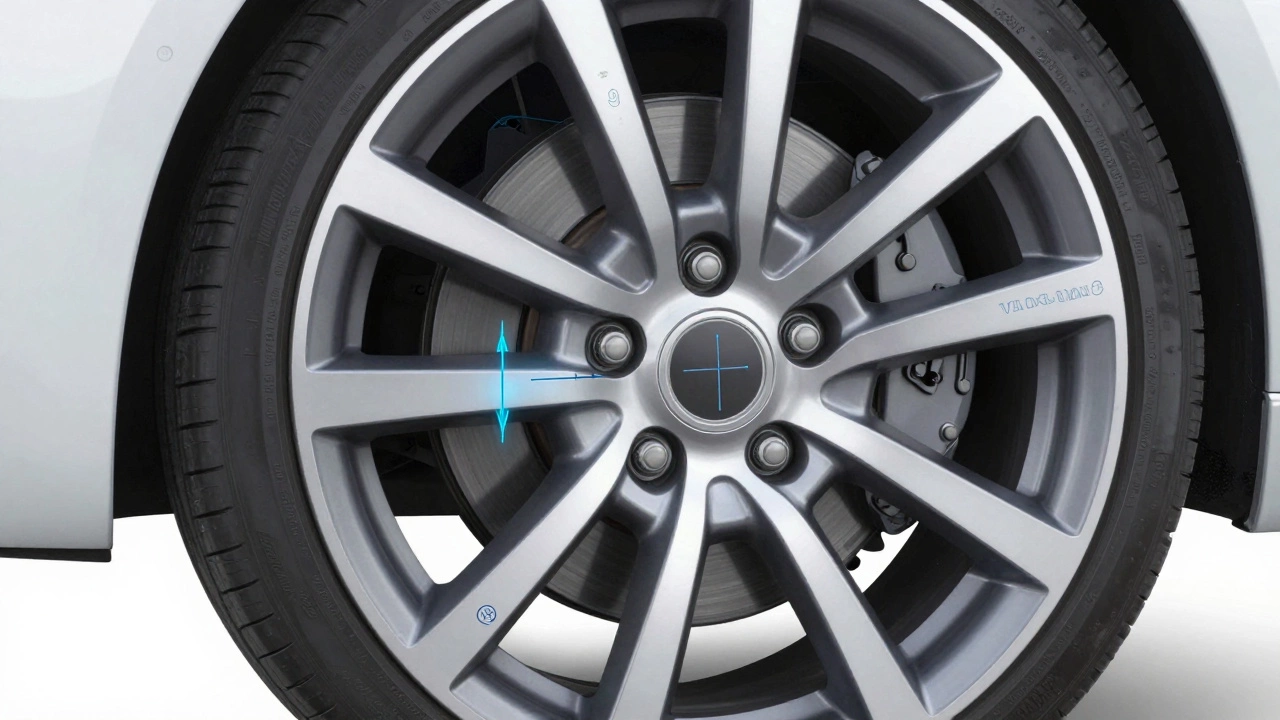
| Offset (ET) | The distance from the wheel’s mounting face to its centerline. | Affects how far the wheel sits inside or outside the arch. Wrong offset causes rubbing. |
| Diameter & Width | The size of the wheel in inches (e.g., 17x7.5). | Must match tire size and clearance within the wheel arch. |
Finding Your Bolt Pattern
Count the number of lug nuts on your wheel. Most cars have 4, 5, or 6. Then, measure the distance between two opposite bolts (if you have an even number) or from a bolt to the center of the hub (if odd). Common patterns include 5x100 (common on VWs and Mazdas) and 5x114.3 (common on Hondas and Toyotas). Getting this wrong is impossible to fix without new wheels.
Understanding Offset
Offset is tricky. A lower offset pushes the wheel outward, making the car look wider but risking rubbing against your fenders or suspension components. A higher offset tucks the wheel inward. For daily drivers in the UK, sticking close to the original equipment manufacturer (OEM) offset is safest. Deviating by more than 10-15mm usually requires professional alignment checks.
Will Your Current Tires Fit?
Here’s a common misconception: people think they can buy alloy wheels and keep their existing tires. In most cases, you cannot. Steel wheels and alloy wheels often have different rim widths and diameters. Even if the diameter is the same, the width might differ, changing the tire’s profile.
You need to ensure the new alloy wheels are compatible with the tire size you plan to use. As a rule of thumb, if you increase the wheel diameter by 1 inch, you should decrease the tire sidewall height by roughly 1 inch to maintain the overall rolling circumference. This keeps your speedometer accurate and prevents transmission issues.
For example, if you move from 16-inch steel wheels to 17-inch alloys, you’ll need tires sized specifically for 17-inch rims. Check your door jamb sticker for the recommended tire sizes. Using the wrong tire size can affect ABS (Anti-lock Braking System) functionality and stability control systems.
The Installation Process: DIY vs. Professional
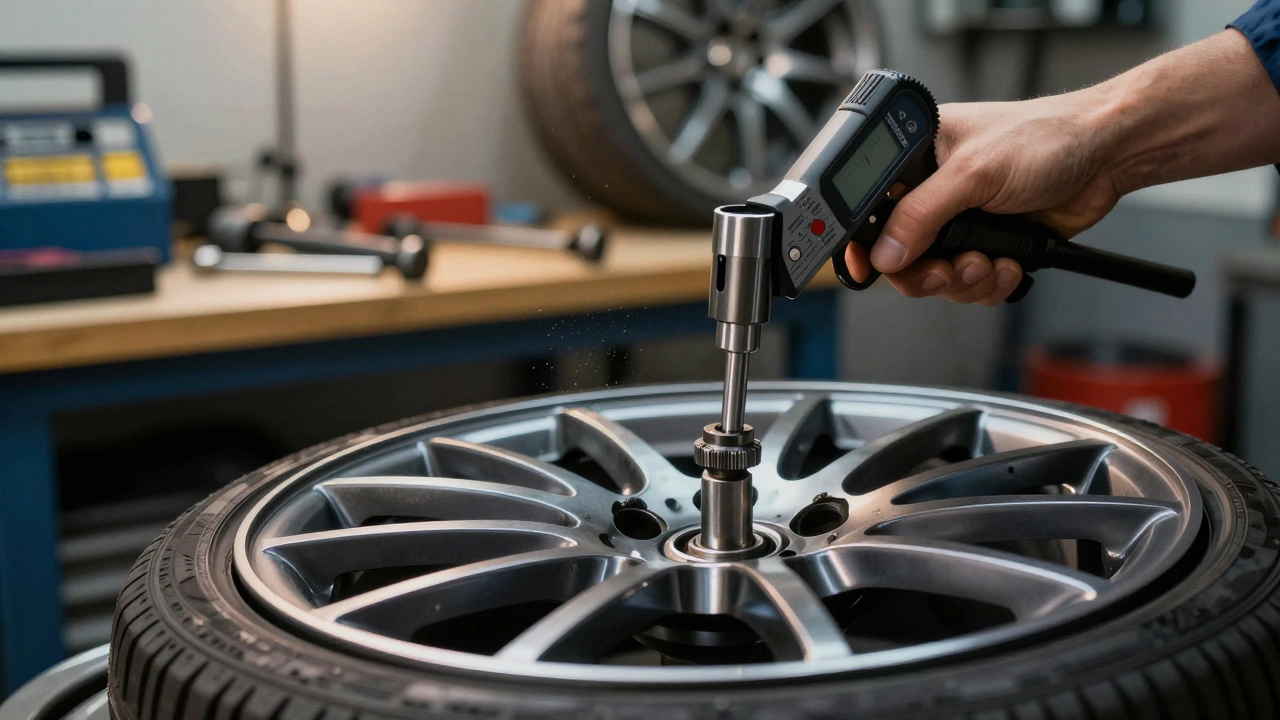
Can you do it yourself? Technically, yes. You’ll need a jack, jack stands, a torque wrench, and a lug nut socket. However, I strongly recommend having a professional fit them, especially for the following reasons:
- Wheel Balancing: New wheels must be balanced perfectly. Unbalanced wheels cause vibrations at high speeds, leading to premature wear on tires and suspension parts like ball joints and tie rods.
- Torque Settings: Alloy wheels require specific torque values. Over-tightening can crack the wheel; under-tightening can lead to loose bolts. Professionals use calibrated torque wrenches.
- Hub Cleaning: The mating surface between the wheel and the hub must be clean and flat. Rust or debris can cause the wheel to sit unevenly.
If you insist on DIY, invest in a quality torque wrench. Never use an impact gun to tighten the final bolts. Always torque in a star pattern to ensure even pressure distribution.
Cost Breakdown: What Should You Expect?
Alloy wheels aren’t cheap. Here’s a realistic breakdown of costs for a standard family car in the UK as of 2026:
- Set of 4 Alloy Wheels: £400 - £1,200+ depending on brand and design.
- New Tires (if needed): £300 - £600 for a set of mid-range tires.
- Fitting and Balancing: £80 - £120 per wheel (£320 - £480 total).
- Lug Nuts/Bolts: £20 - £50 (alloy wheels often require longer or different style bolts).
Cheap wheels from unknown brands may save money upfront but often lack proper engineering standards. Look for wheels certified by VDA is Verband der Automobilindustrie, the German Association of the Automotive Industry, which sets safety standards for wheels or JWL is Japan Wheel Manufacturers Association, ensuring wheels meet strict load and safety requirements standards. These certifications guarantee the wheel can handle the stress of real-world driving.
Maintenance Tips for Alloy Wheels
Once you’ve installed your new alloys, you need to take better care of them than you did with steel. Steel wheels are tough; you can hit a curb and just bend them back. Alloys crack. Here’s how to keep them looking good:
- Regular Cleaning: Brake dust contains iron particles that can etch into the clear coat of alloy wheels. Wash them weekly with a pH-neutral wheel cleaner.
- Avoid Harsh Chemicals: Don’t use acidic cleaners meant for removing heavy rust, as they can damage the finish.
- Protective Coating: Consider applying a ceramic coating or sealant to the wheels. This creates a barrier against brake dust and makes cleaning much easier.
- Check for Damage: Inspect for cracks or deep curb rash annually. Small chips can be polished out, but structural cracks mean the wheel needs replacement immediately.
Common Mistakes to Avoid
I see these errors all the time. Don’t be one of them:
- Ignoring Center Bore: Buying wheels with a larger center bore and relying solely on lug nuts to hold the wheel in place. This leads to vibration and potential failure. Always use hubcentric rings to fill the gap.
- Wrong Tire Size: Going too big without checking clearance. You might look great in the driveway, but turn the steering wheel fully and hear scraping sounds.
- Skipping Balancing: Thinking "it feels fine" is enough. Imbalance wears out tires unevenly and stresses your suspension.
- Using Old Lug Nuts: Some alloy wheels have deeper seat types (like cone seats) that require specific lug nuts. Mixing them up can cause poor contact.
Can I put alloy wheels on my car if it currently has steelies?
Yes, you can. Almost all modern cars are designed to accept both steel and alloy wheels. However, you must ensure the new alloy wheels match your car’s bolt pattern, offset, center bore, and load rating. You will likely need new tires as well.
Do alloy wheels improve fuel economy?
Slightly. Because alloy wheels are lighter, they reduce unsprung weight, which reduces rotational mass. This means the engine works slightly less to accelerate the wheels. However, the improvement is marginal-usually less than 1-2%-and shouldn’t be the primary reason for upgrading.
Are alloy wheels safer than steel wheels?
In terms of crash safety, both are safe if they meet industry standards (like VDA or JWL). Steel wheels are more forgiving in impacts-they bend rather than shatter. Alloys provide better braking performance due to heat dissipation. For daily driving, alloys are perfectly safe.
How much does it cost to swap steel wheels for alloys?
Expect to spend between £800 and £2,000 total. This includes the wheels themselves, new tires, fitting, balancing, and potentially new lug nuts. Prices vary based on brand, size, and design complexity.
Can I mix steel and alloy wheels on the same car?
Technically yes, but it’s not recommended. Mixing wheels can cause imbalance, uneven wear, and handling issues. It also looks inconsistent. Stick to a matching set of four for best results.