Exhaust Tip Flow & Back Pressure Estimator
Enter your current exhaust pipe diameter and select a tip configuration to see how it affects your system's flow and sound.
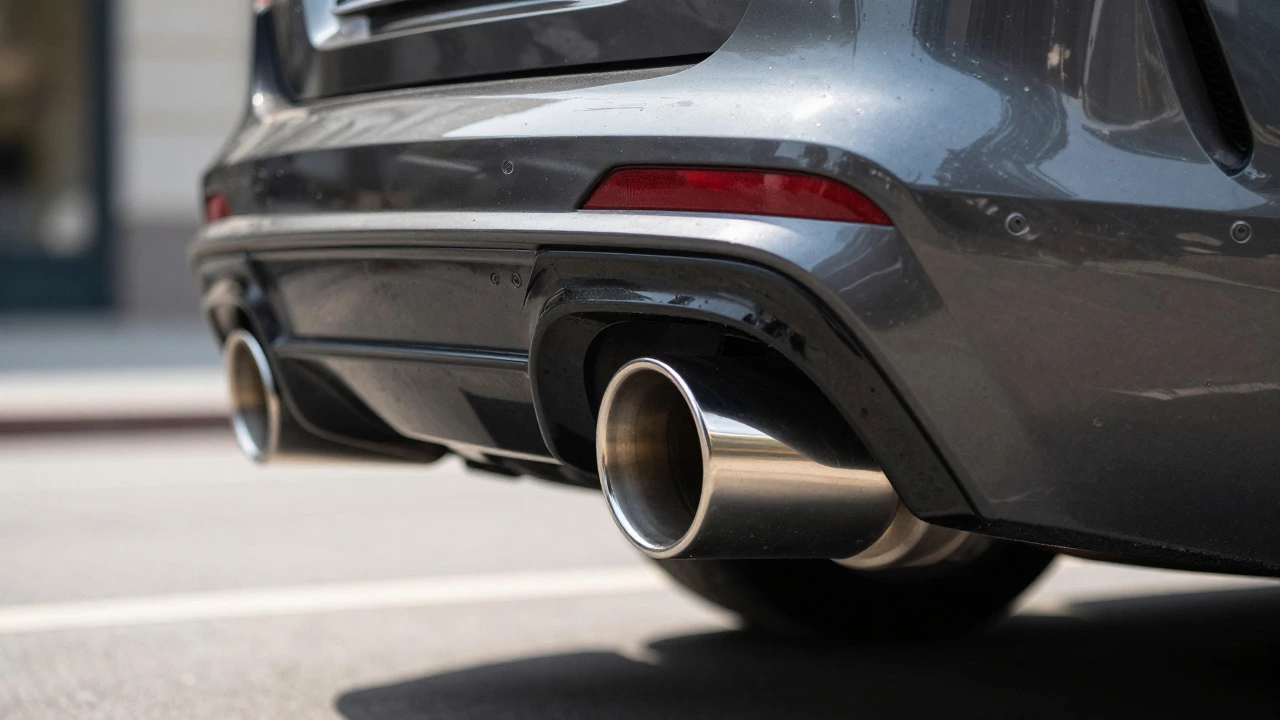
You’ve probably seen those big, polished tips on a lifted truck or a lowered sports car. They look aggressive, they sound loud, and you wonder: are they actually making the engine stronger? The short answer is no. Exhaust tips are primarily an aesthetic component that does not significantly alter engine power output in stock vehicles. While they change how your car sounds and looks, the physics of gas flow usually prevent them from adding measurable horsepower unless the rest of the exhaust system is already optimized.
Let’s clear up the confusion right away. If you buy a set of 4-inch tips for your daily driver and take it to a dyno, you will likely see zero change, or perhaps a tiny fluctuation within the margin of error. To get real gains, you need to look at the entire exhaust system, which includes the manifold, catalytic converter, resonator, and muffler. The tip is just the last inch of this complex network.
The Physics of Exhaust Flow
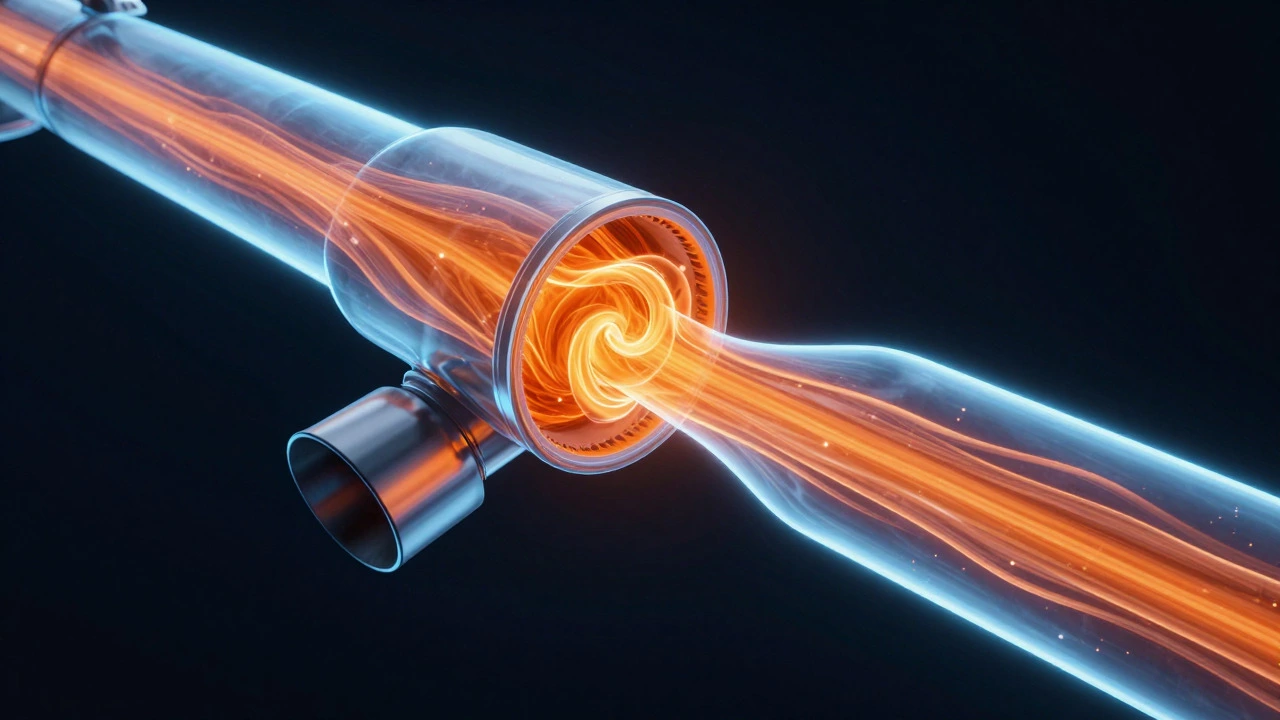
To understand why tips don’t add power, you have to understand what exhaust gases do. When fuel burns in the cylinders, it creates high-pressure gas that needs to escape quickly. This process is called scavenging. If the gas gets stuck, it pushes back against the pistons during the next intake stroke. This resistance is known as back pressure.
High back pressure is bad for performance because it forces the engine to work harder to push out old fumes. Low back pressure allows the engine to breathe freely, pulling in more fresh air and fuel, which leads to more combustion and more power. An exhaust tip can either restrict flow slightly or help smooth it out, but the effect is minimal compared to the components upstream.
- Restrictive Tips: Small diameter tips (like 2 inches on a V8) can create a bottleneck. This increases back pressure and might actually cost you a fraction of a horsepower.
- Flow-Through Tips: Large, straight-through tips (3.5 to 4 inches) offer negligible resistance. They don't add power, but they ensure the system isn't being choked by the end piece.
- Tapered Tips: These transition from a smaller pipe size to a larger opening. They are designed to reduce turbulence as the gas exits, which helps with sound quality rather than raw power.
When Do Tips Actually Matter?
There are specific scenarios where changing the tip makes a difference, but rarely in the direction of "adding" horsepower to a standard setup. Instead, it’s about preventing losses.
- Upgraded Systems: If you replace your stock muffler and cat-back with a high-flow aftermarket system, the new pipes are often larger (e.g., 3 inches). If you keep the old 2.5-inch tips, you create a restriction at the very end. In this case, swapping to matching 3-inch tips removes that bottleneck. You aren't gaining power from the tip itself; you're removing a limit you created.
- Performance Tuning: On heavily modified engines with 600+ horsepower, every bit of flow matters. A restrictive tip can cause heat soak or minor efficiency drops. Here, a straight-through tip ensures maximum evacuation speed.
- Sensor Interference: Some tips have internal baffles or decorative elements that can interfere with oxygen sensors if installed incorrectly. Proper installation ensures accurate readings, which keeps your engine computer running the correct fuel mixture.
Sound vs. Power: The Trade-Off
Most people care about the sound more than the dyno sheet. Exhaust tips play a huge role in the acoustic signature of your vehicle. The shape, material, and internal design of the tip determine how the sound waves project outward.
| Tip Style | Visual Impact | Sound Character | Flow Efficiency |
|---|---|---|---|
| Straight Through | Clean, simple | Louder, deeper tone | Highest (minimal restriction) |
| Baffled | Standard look | Muffled, less drone | Moderate (some restriction) |
| Tapered | Aerodynamic, sleek | Smoothed out, refined | High (reduces turbulence) |
| Split | Aggressive, sporty | Can be uneven/noisier | Variable (depends on design) |
If you want a deep rumble without the annoying drone at highway speeds, a tapered tip is often the best choice. It shapes the airflow to cancel out certain frequencies. If you want maximum volume, a straight-through tip is the way to go, but be prepared for more noise inside the cabin.
Common Myths Debunked
The internet is full of conflicting advice. Let’s address the most common myths I hear from garage owners and forum posts.
Myth 1: Bigger is always better. Not necessarily. If your engine only produces 200 horsepower, a 4-inch tip is overkill. The gas velocity will be too low to fill the large pipe, potentially causing condensation buildup inside the tip. This can lead to rust and corrosion. Match the tip size to your exhaust pipe diameter and power level.
Myth 2: Polished stainless steel conducts heat better. Stainless steel reflects heat better than aluminized steel, but the difference in thermal management is negligible for performance. However, stainless lasts longer and resists rust, which is important for longevity. Aluminized steel is cheaper but will eventually rust through if exposed to road salt.
Myth 3: You need a tip for warranty compliance. Usually, no. As long as the tip doesn't block the flow or interfere with sensors, it’s fine. However, some strict emissions inspections require a specific configuration. Check local regulations before installing a custom tip.
Choosing the Right Tip for Your Vehicle
Selecting the right tip involves balancing aesthetics, budget, and maintenance. Here is a practical guide to help you decide.
- Measure First: Always measure your current exhaust pipe diameter. A universal tip might fit loosely, leading to leaks and rattling noises. Custom-fit tips weld or clamp securely.
- Material Matters: Stainless steel is the gold standard for durability. Titanium is lighter but much more expensive and prone to denting. Aluminized steel is a budget option but has a shorter lifespan.
- Finish Options: Polished finish looks great initially but shows scratches easily. Brushed finish hides wear and tear better. Black powder coat matches many modern black trim packages.
- Installation Difficulty: Clamp-on tips are easy to install yourself. Weld-on tips provide a permanent, leak-free seal but require professional welding or a good home shop setup.
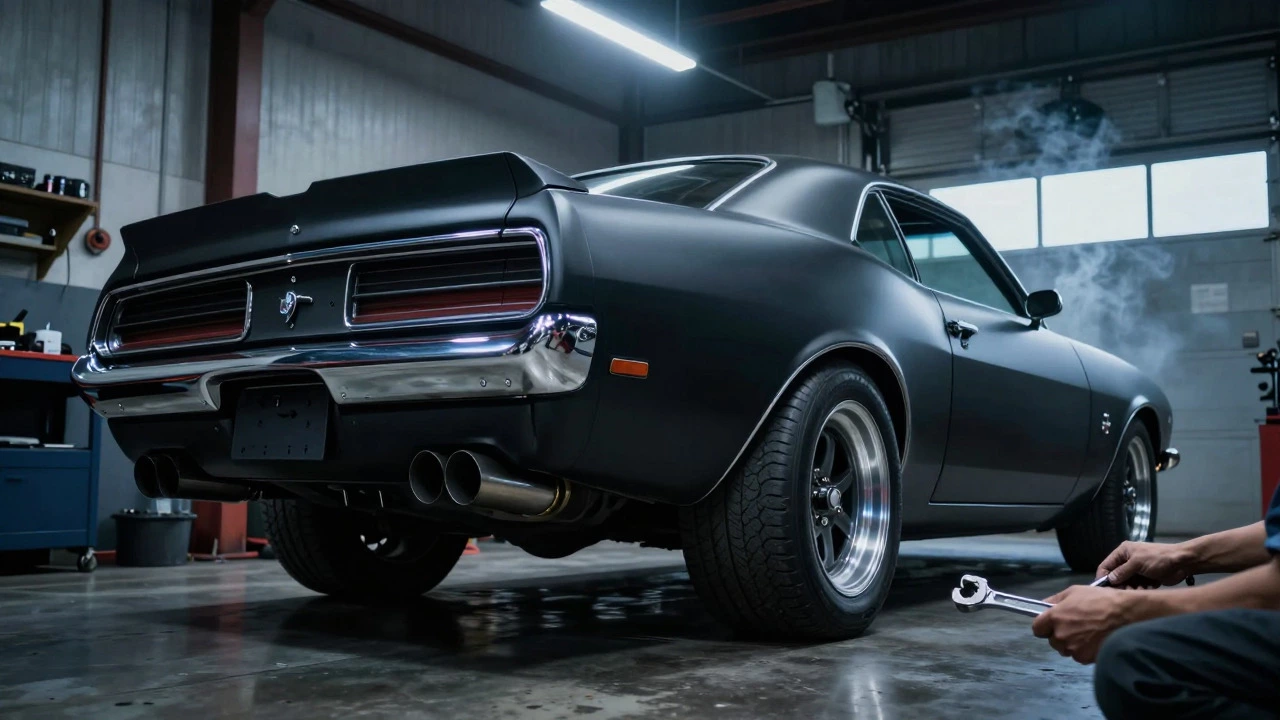
If you are driving a classic car, a chrome-plated tip adds vintage charm. For a modern muscle car, a matte black or carbon fiber tip complements the aggressive styling. The key is consistency with your vehicle's overall look.
Impact on Resale Value
Does spending money on nice tips help when you sell the car? Generally, yes, but with limits. A clean, well-maintained exhaust system signals that the owner cared for the car. Rusty, leaking, or mismatched tips suggest neglect. However, overly loud or extreme tips can scare off buyers who want a quiet, reliable commuter. Stick to tasteful upgrades that enhance the appearance without compromising comfort.
Will exhaust tips make my car louder?
Yes, especially if you switch from a small, restrictive tip to a larger, straight-through one. The increased flow allows more sound energy to exit the system, resulting in a louder and deeper note. Baffled tips tend to keep the volume lower.
What size exhaust tip should I use?
Match the tip diameter to your exhaust pipe diameter. If your pipe is 2.5 inches, use a 2.5-inch tip. Going larger is okay for aesthetics, but going smaller will restrict flow and increase back pressure, potentially hurting performance.
Do exhaust tips affect fuel economy?
Directly, no. Indirectly, if a restrictive tip causes significant back pressure, the engine may run slightly richer to compensate, which could lower fuel economy by 1-2%. However, for most stock cars, the impact is negligible.
Are welded tips better than clamped tips?
Welded tips provide a more secure fit and eliminate the risk of vibration-induced loosening. Clamped tips are easier to remove and replace. For daily drivers, clamped tips are sufficient if tightened properly. For track cars or heavy-duty trucks, welding is recommended.
Can I install exhaust tips myself?
Yes, if they are clamp-on style. You’ll need basic tools like wrenches and pliers. If you choose weld-on tips, you’ll need welding equipment or a professional shop. Always check for clearance with the bumper and suspension components before installing.