Radiator Health & Symptom Checker
Select the symptoms you are experiencing to get a potential diagnosis and recommended action.
Observed Symptoms
Diagnosis Result
Select one or more symptoms to begin analysis...
Key Takeaways
- The radiator cools the liquid that absorbs heat from the engine.
- It uses a combination of airflow and liquid circulation to prevent overheating.
- Common failure points include corrosion, leaks, and clogged fins.
- Maintaining correct coolant levels is the simplest way to prolong radiator life.
How the Cooling Cycle Actually Works
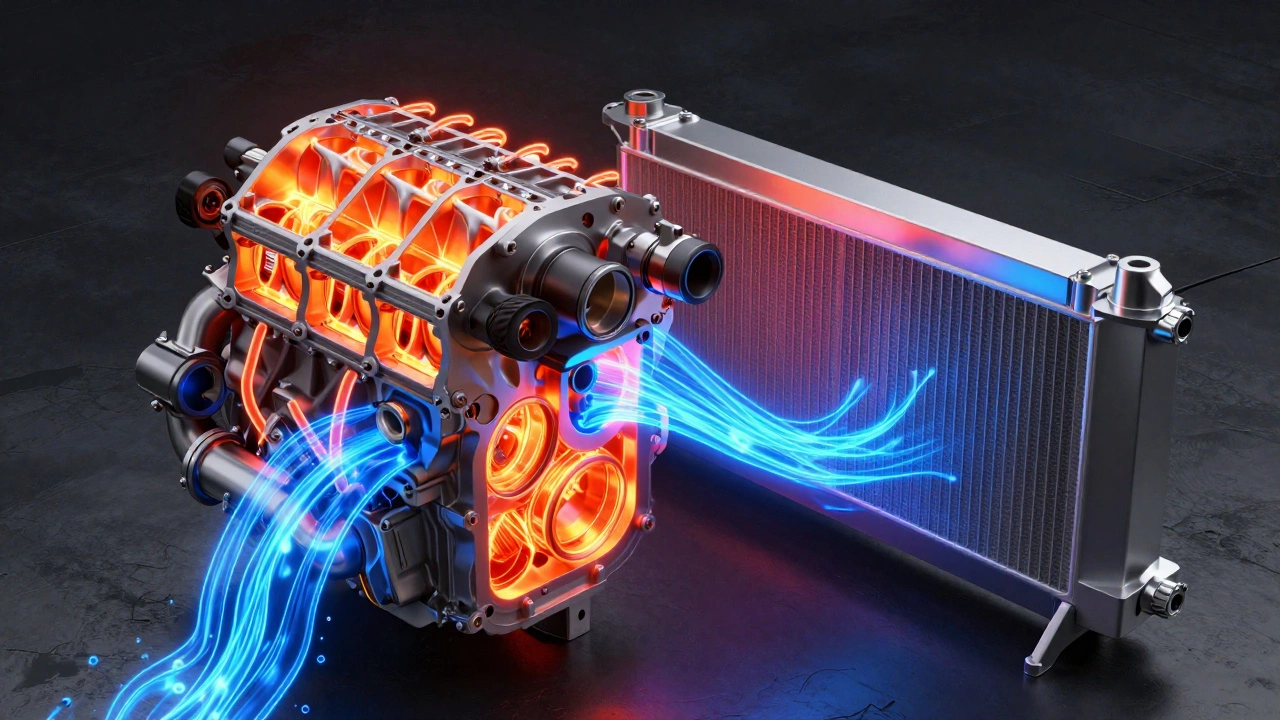
To understand the radiator, you have to look at the whole loop. It starts with the Engine Block, where the combustion happens. A pump pushes a mixture of water and Antifreeze (the coolant) through channels in the engine. This liquid soaks up the heat, getting incredibly hot in the process.
Once the coolant reaches a specific temperature, a Thermostat-which is basically a heat-sensitive valve-opens up. This allows the hot liquid to flow out of the engine and into the radiator. The radiator is essentially a series of thin tubes and tiny aluminum fins. As the liquid flows through these tubes, the air passing over the fins pulls the heat away from the liquid and releases it into the atmosphere. By the time the coolant reaches the bottom of the radiator, it is cool enough to head back into the engine and start the process all over again.
The Main Parts That Make it Happen
A radiator isn't just one big chunk of metal; it's a system of components working in tandem. If one fails, the whole system crashes. Here is what is actually inside that grill:
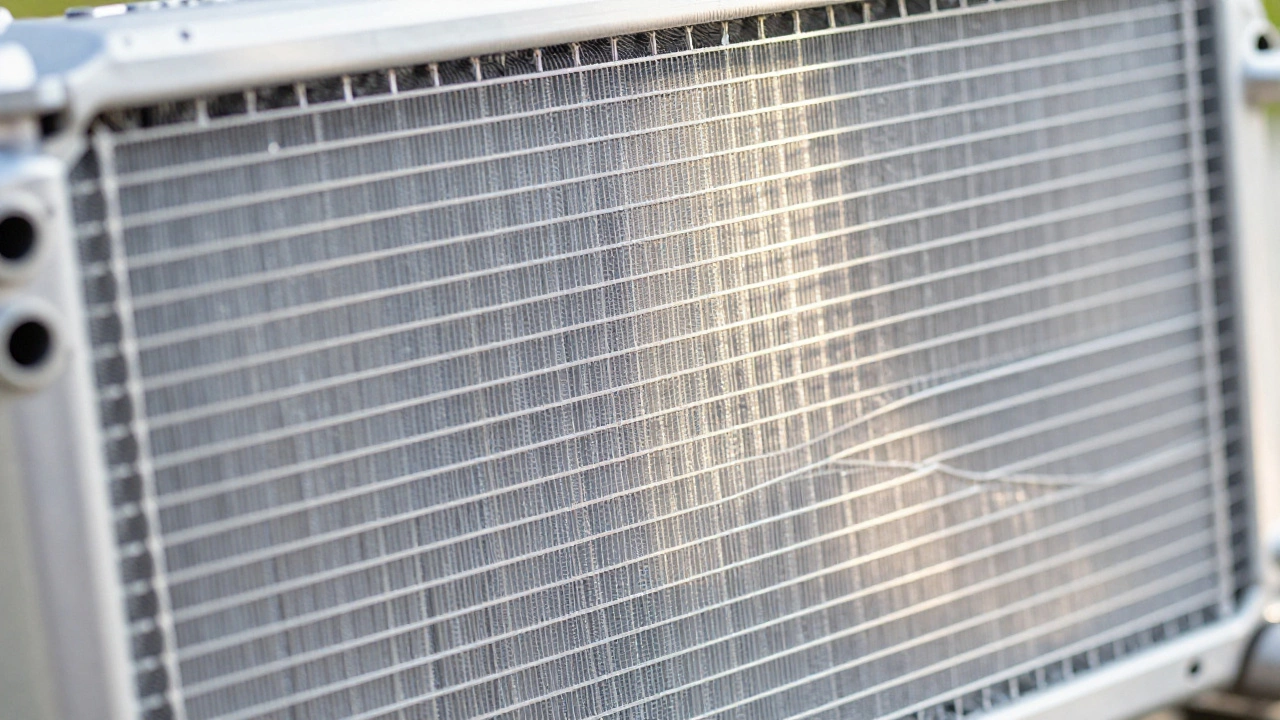
- The Core: This is the main body, consisting of flat tubes and the thin fins that increase surface area for cooling.
- The Tank: Usually made of plastic or metal, this holds the coolant before and after it passes through the core.
- The Radiator Cap: This isn't just a lid. It's a pressure valve. By keeping the system under pressure, it raises the boiling point of the coolant, allowing the engine to run hotter without the liquid turning into steam.
- The Cooling Fan: When you're cruising at 60 mph, the wind does the work. But when you're idling at a red light, the Radiator Fan kicks in to pull air through the fins manually.
| Material | Durability | Heat Dissipation | Common Use Case |
|---|---|---|---|
| Aluminum | High | Excellent | Modern passenger cars |
| Copper/Brass | Very High | Good | Vintage cars and heavy trucks |
| Plastic (Tanks) | Moderate | N/A | Modern lightweight builds |
Different Types of Radiators
Not every car uses the same setup. Depending on whether you're driving a tiny city car or a heavy-duty pickup, the radiator design changes. Most modern cars use the Cross-Flow Radiator, where the coolant flows horizontally across the core. These are great because they can be shorter and fit better behind the grill.
Then you have the Down-Flow Radiator, which you'll mostly see in old classic cars. The coolant flows straight down from top to bottom. While simple, they usually require more vertical space, which is why they look so tall and imposing in a 1950s truck.
For those who push their cars to the limit, like on a track, there are high-performance aluminum radiators. These use thicker cores and more fins to dump heat faster than a standard factory unit could ever dream of.
Warning Signs Your Radiator is Failing
Your car usually gives you plenty of hints before it completely overheats. The most obvious sign is the temperature gauge climbing toward the red zone. But there are subtler clues you should watch for.
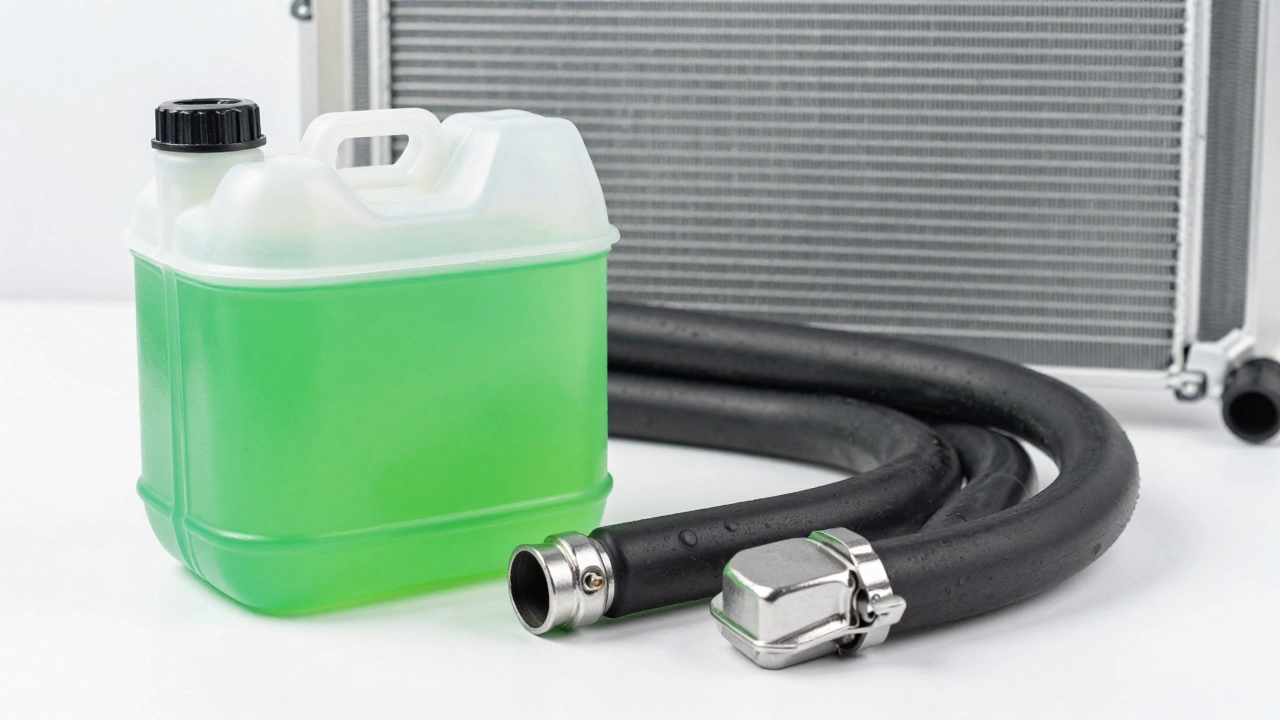
Look for bright green, orange, or pink fluid pooling on your driveway. That's your coolant leaking. Since coolant has a distinct, sweet smell, you might actually smell it before you see it. Another red flag is "milky" oil. If your head gasket fails, oil and coolant mix, creating a thick sludge that looks like a chocolate milkshake under the oil fill cap. This is a critical failure that often stems from the radiator not doing its job, causing the engine to overheat and warp the gasket.
If you notice a sudden drop in your coolant reservoir but can't find a leak, you might have internal corrosion. Over time, the inside of the radiator can develop scale or rust, which blocks the flow of liquid. This makes the radiator inefficient, meaning your engine has to work harder to stay cool, which eventually kills your fuel economy.
How to Keep Your Cooling System Healthy
You don't need to be a mechanic to keep your radiator in shape. The most important thing is the Radiator Flush. Every few years, you need to drain the old coolant and run a cleaning agent through the system to remove sediment. If you ignore this, the sediment acts like a plug, stopping the coolant from flowing.
Check your hoses too. Rubber degrades over time due to the constant heat cycles. If a hose feels "crunchy" or looks cracked, replace it immediately. A burst hose is the fastest way to empty your radiator and strand you on the side of the road.
Finally, avoid the temptation to use plain tap water in an emergency. While it works for a few miles, tap water contains minerals that create scale buildup inside the narrow tubes of the radiator. Always use a 50/50 mix of distilled water and the specific coolant recommended in your owner's manual.
Can I just add water to my radiator if it's low?
In a pinch, yes, but it's a temporary fix. Pure water has a lower boiling point than coolant and can freeze in the winter, which would crack your engine block. Plus, the minerals in tap water create deposits that clog the radiator's internal channels. Always top it off with a proper coolant mix as soon as possible.
Why is my car overheating only when I stop at a light?
This usually points to a problem with the radiator fan or the fan clutch. When you're driving, the wind cools the radiator. When you stop, the fan has to do all the work. If the fan isn't spinning, the coolant just sits there getting hotter and hotter until the gauge hits the red.
How often should I flush my radiator?
Most modern vehicles recommend a flush every 30,000 to 50,000 miles, but some "long-life" coolants can last up to 100,000 miles. Check your manual. If the fluid looks brown or murky instead of bright green or pink, it's time for a flush regardless of the mileage.
What happens if I open the radiator cap while the engine is hot?
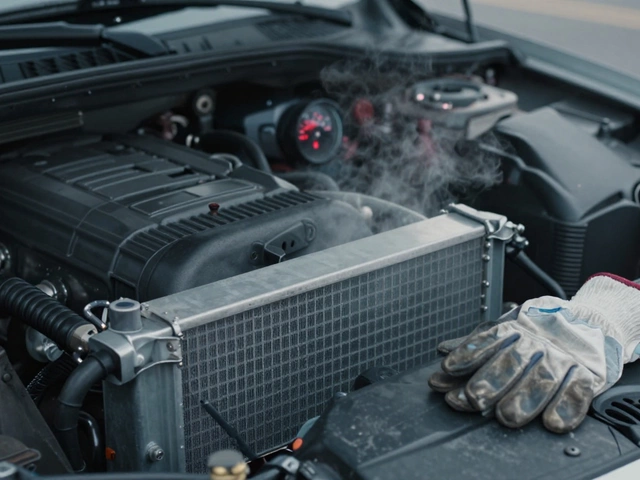
Do not do this. The system is under extreme pressure. Opening the cap on a hot engine will cause the coolant to flash-boil and spray out as scalding steam, which can cause severe second or third-degree burns. Always wait for the engine to be completely cool to the touch before opening the cap.
Does a dirty radiator affect gas mileage?
Indirectly, yes. If the radiator is clogged with bugs, dirt, or debris, it can't cool the engine efficiently. This causes the engine to run hotter, which can change how the fuel burns and force the engine to work harder, slightly decreasing your overall efficiency.
Next Steps for Different Drivers
For the daily commuter: Check your coolant reservoir once a month. If the level is dropping, you have a leak. Finding a small leak now prevents a massive tow bill later.
For the classic car owner: Consider switching to a high-quality aluminum radiator if you still have the original copper one. Aluminum dissipates heat faster and is much less likely to develop pinhole leaks over decades of use.
For the performance enthusiast: If you're doing track days, look into a multi-core radiator. These have more "layers" of tubes, providing significantly more cooling capacity for engines running at high RPMs for long periods.