Motor Oil Health Checker
Check if that dusty bottle in your garage is still good or if it's time for a fresh one.
Select status and enter age to check validity.
You pull a dusty bottle of motor oil from the back of your garage cupboard. It’s been sitting there since you last topped up your tank two years ago. You look at the date on the label, squint at the amber liquid, and wonder: is this stuff still good, or have I just poured sludge into my engine?
This isn’t just about saving a few pounds on a new bottle. Using degraded oil can lead to increased friction, corrosion, and eventually, serious engine damage. The answer depends entirely on whether you’re talking about oil sitting in the bottle (shelf life) or oil working inside your engine (service interval). These are two completely different clocks ticking at different speeds.
The Difference Between Shelf Life and Service Life
Before we get into the numbers, let’s clear up the confusion. Shelf life refers to how long unopened or opened oil remains stable when stored outside the engine. Service life refers to how long the oil performs effectively once it’s circulating through your engine under heat and pressure.
Think of it like milk. Milk has a best-before date on the carton (shelf life). But once you open it and leave it out on the counter, it spoils much faster (service life). Motor oil behaves similarly, but with chemical additives that degrade differently than dairy products.
How Long Does Unopened Motor Oil Last?
If the seal is intact, you’re in luck. Most manufacturers guarantee a shelf life of five years for unopened containers. This applies to both conventional and synthetic oils. The packaging protects the oil from oxygen and moisture, which are the main enemies of stability.
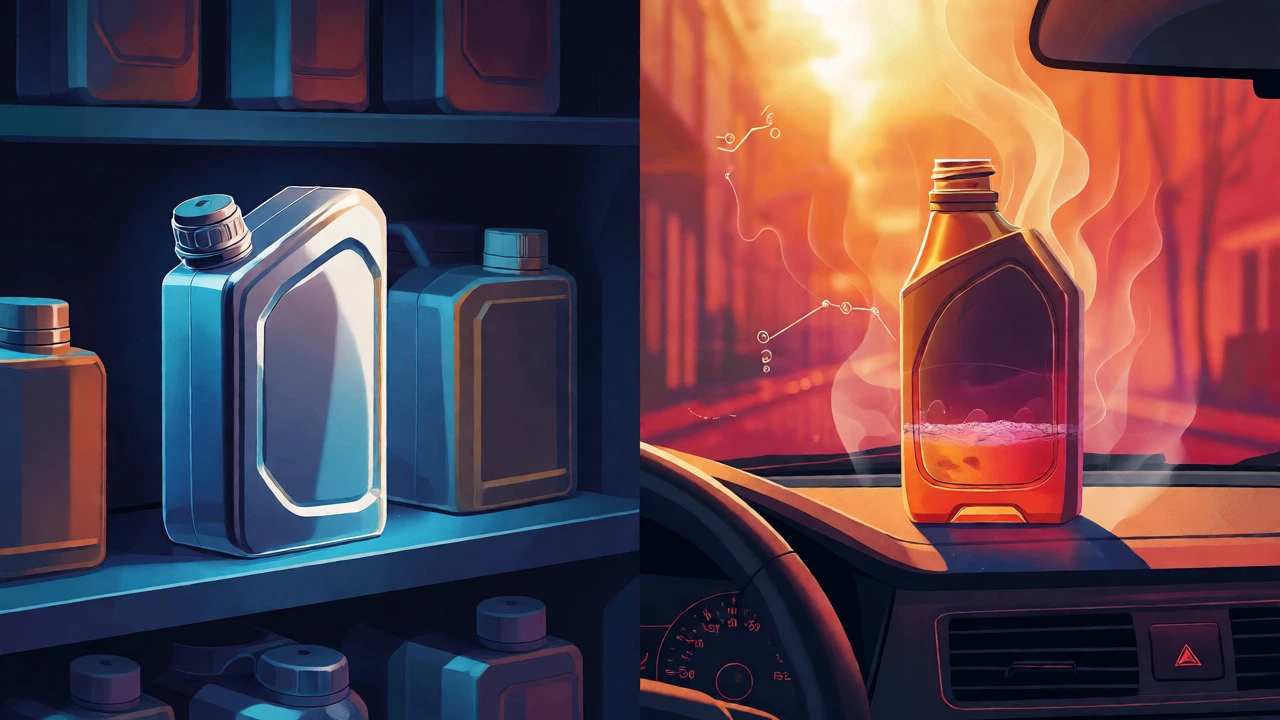
However, storage conditions matter more than you think. If you kept that bottle in a freezing shed or a scorching attic, the additives might have separated or broken down prematurely. Ideal storage is cool, dry, and dark-somewhere between 10°C and 30°C. If the bottle looks swollen or the cap was loose, treat it as compromised.
| Container Status | Typical Shelf Life | Risk Factors |
|---|---|---|
| Unopened Plastic/Metal | 5 Years | Extreme temperature fluctuations, sunlight exposure |
| Opened Plastic Bottle | 6-12 Months | Oxygen ingress, moisture contamination, dust |
| Bulk Drums (Opened) | 1-2 Years | Condensation forming inside drum, pump contamination |
What Happens When You Open the Bottle?
Once you crack that seal, the clock speeds up dramatically. Oxygen starts interacting with the base oils and additives. This process, known as oxidation, causes the oil to thicken and form acids. You might not see it immediately, but chemically, the protection level drops.
If you’ve got an opened bottle sitting on your workbench, try to use it within six months. After a year, it’s risky. How do you tell if it’s gone bad? Look for separation. If the oil looks cloudy, milky, or has distinct layers that don’t mix back together after shaking, toss it. Milky oil usually means water got in, and water is kryptonite for engines.
Synthetic vs. Conventional: Does Type Affect Shelf Life?
People often assume synthetic oil lasts longer on the shelf because it lasts longer in the engine. That’s a myth. Both conventional and synthetic oils have roughly the same shelf life when stored properly.
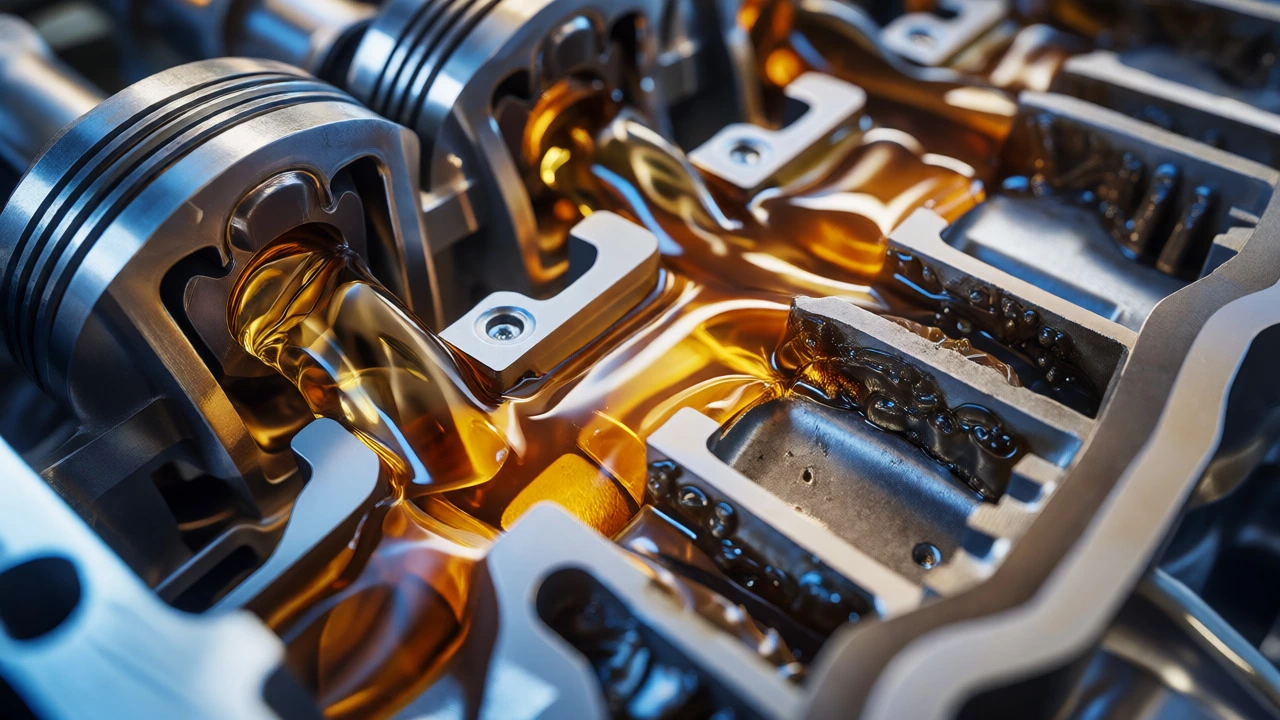
The difference lies in their performance in the engine. Synthetic oils are engineered with uniform molecules that resist breakdown better under high heat. Conventional oils contain impurities and irregular molecules that break down faster. But on a shelf, without heat or shear stress, they age at similar rates.
Here’s where it gets interesting: some premium synthetics claim extended shelf lives due to advanced antioxidant packages. Check the manufacturer’s data sheet. Castrol, Shell, and Mobil typically specify five years for unopened stock, regardless of type.
How Long Is Oil Good For Inside Your Engine?
This is the question that actually affects your wallet. Once oil enters your engine, it faces extreme conditions. Temperatures can exceed 100°C during normal driving. Combustion gases leak past piston rings, contaminating the oil with fuel and soot. Moisture accumulates from short trips where the engine doesn’t get hot enough to evaporate condensation.
Manufacturers recommend change intervals based on mileage or time, whichever comes first. Why time? Because even if you barely drive, the oil degrades over time due to oxidation and additive depletion.
- Conventional Oil: Typically every 5,000 miles or 6 months.
- Semi-Synthetic Oil: Typically every 7,500 miles or 9 months.
- Full Synthetic Oil: Typically every 10,000-15,000 miles or 12 months.
These are general guidelines. Your specific vehicle manual overrides everything. Modern cars with oil life monitoring systems calculate degradation based on actual driving patterns, not just distance. Trust those sensors-they’re smarter than a calendar.
Signs Your Oil Has Gone Bad In-Use
You don’t need a lab test to spot bad oil. Use your senses. Pull the dipstick when the engine is warm but off. Wipe it clean, reinsert, and pull again.
- Color: Fresh oil is amber or light brown. New synthetic can be darker initially. If it’s pitch black and gritty, it’s saturated with contaminants.
- Texture: Rub a drop between your fingers. Good oil feels slick and smooth. Bad oil feels gritty (metal particles) or sticky (oxidized varnish).
- Smell: A strong gasoline smell means fuel dilution. A burnt odor suggests overheating or excessive blow-by.
If the oil level is dropping significantly, check for leaks before blaming the oil quality. Low levels concentrate contaminants, accelerating wear.
Can You Mix Old and New Oil?
Top-ups are common. You notice the level is low halfway between services. Can you add old oil from that dusty bottle? Yes, provided the old oil hasn’t exceeded its shelf life and matches the specification required by your engine.
Mixing brands is generally fine if the specifications match (e.g., both are API SP, ACEA C3). Additive packages differ slightly between brands, but modern oils are designed to be compatible. However, mixing conventional and synthetic isn’t ideal unless necessary. It won’t instantly kill your engine, but you lose some benefits of the full synthetic formulation.
Avoid mixing oils with vastly different viscosities unless you’re in an emergency. Topping up 5W-30 with 10W-40 changes the flow characteristics, potentially affecting hydraulic lifters or variable valve timing systems.
Storage Tips to Maximize Shelf Life
If you buy oil in bulk or keep spare bottles, store them correctly to avoid waste.
- Keep it sealed: Air is the enemy. Ensure caps are tight.
- Avoid temperature swings: Don’t store oil in direct sunlight or near radiators. Heat accelerates oxidation.
- Prevent moisture: Store containers off concrete floors if possible, or use pallets. Condensation can form on cold metal drums.
- Label opened bottles: Write the date you opened it. Future-you will thank present-you.
Recycling matters too. Used oil contains heavy metals and carcinogens. Never pour it down the drain. Take it to a local recycling center or auto shop that accepts used oil.
Frequently Asked Questions
Does motor oil expire if the bottle is unopened?
Yes, but slowly. Most manufacturers state a shelf life of five years for unopened containers. After this period, additives may separate or degrade, reducing effectiveness. Always check the manufacture date printed on the bottle.
Is it safe to use 10-year-old motor oil?
It’s risky. While the base oil might still lubricate, the additives that prevent corrosion and clean the engine likely failed. Using decade-old oil could lead to sludge buildup and reduced protection. Better to buy fresh oil for peace of mind.
Why does my oil turn black so quickly?
Black oil indicates the detergent additives are doing their job by suspending soot and combustion byproducts. It doesn’t necessarily mean the oil is "bad." However, if it turns black immediately after a change, check for underlying issues like poor combustion or excessive blow-by.
Can I mix different brands of engine oil?
Generally, yes, as long as they meet the same industry specifications (API, ACEA). Modern oils are formulated to be compatible. Avoid mixing if one is specifically designated for diesel particulate filters (DPF) and the other isn’t, as this can affect emissions systems.
Does short-trip driving shorten oil life?
Absolutely. Short trips prevent the engine from reaching operating temperature, meaning moisture and fuel vapors don’t evaporate from the oil. This leads to acid formation and sludge. Manufacturers often recommend halving the standard oil change interval for severe service conditions.