Clutch Burnout Risk Calculator
Driver Profile
Burnout Risk Level
Low Risk
Your driving style is gentle on the clutch.
Pro Tip:
Keep resting your foot off the pedal when cruising to maximize life.
You’re stuck in heavy traffic or maybe you’ve just finished a steep hill climb. You press the pedal to shift gears, but instead of that familiar smooth engagement, you get a harsh jerk-or worse, nothing at all. The engine revs up, but the wheels barely respond. That burning smell hitting your nose isn’t just hot brakes; it’s your clutch telling you it’s had enough. So, how quickly can a clutch actually burn out? The short answer is: faster than you think. While most drivers expect their clutches to last for years, a badly abused one can fail in under an hour. A neglected one might give up after just a few thousand miles. But why does this happen so suddenly, and what exactly are you doing behind the wheel that turns friction material into smoke? Let’s break down the mechanics of clutch failure, the specific behaviors that kill these components rapidly, and how you can spot the warning signs before you’re left stranded on the side of the road.
The Anatomy of a Clutch Failure
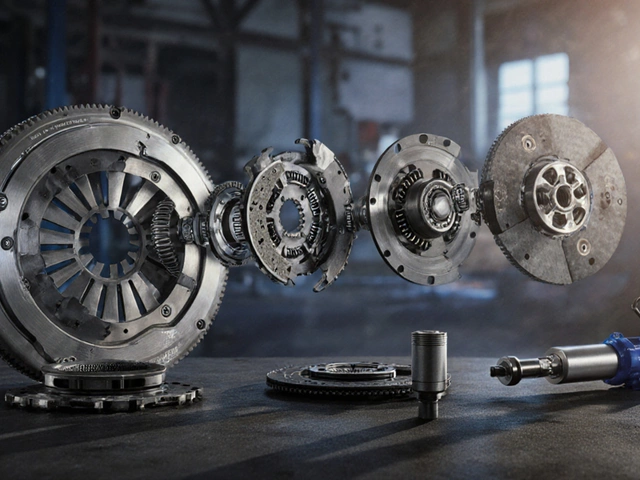
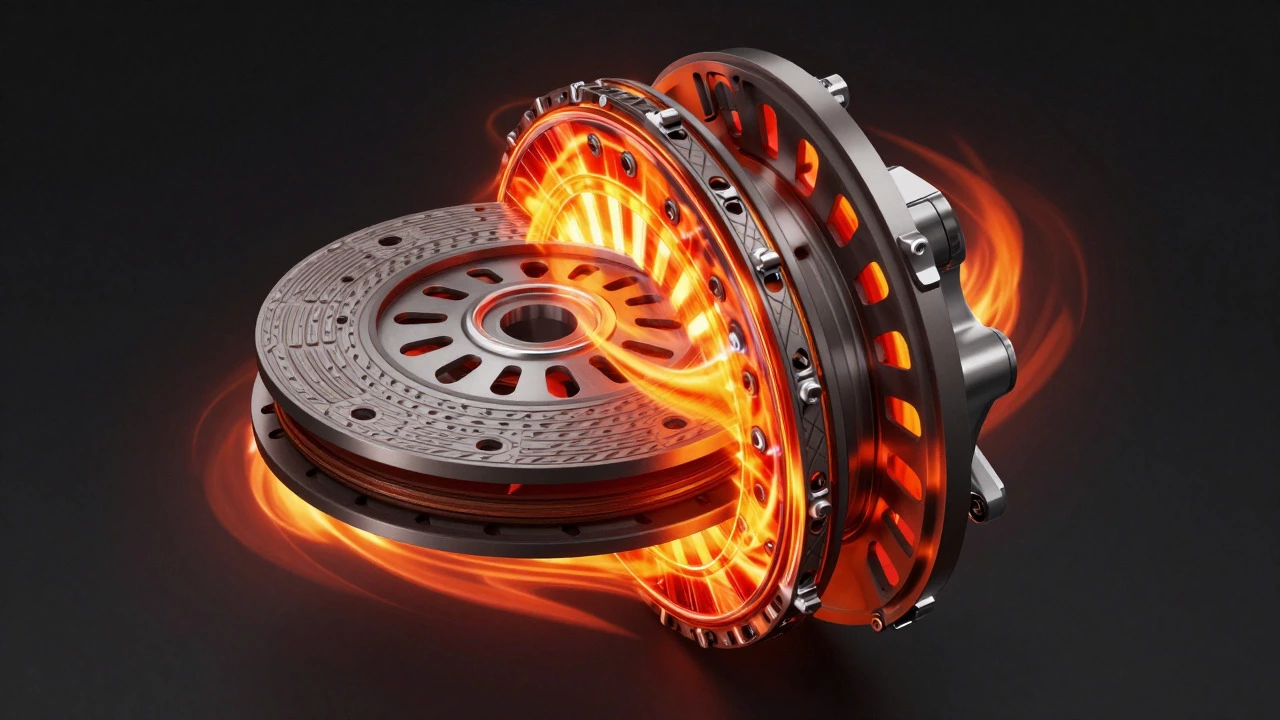
To understand speed of failure, you first need to know what’s breaking. Your clutch assembly sits between your engine’s flywheel and the transmission input shaft. Its job is simple: engage to transfer power, disengage to stop power flow so you can change gears. Inside that assembly, the critical component is the friction disc. This disc is sandwiched between the flywheel and a pressure plate. When you release the pedal, springs in the pressure plate clamp down hard, gripping the disc against the flywheel. This grip transfers rotational force from the engine to the wheels. When we talk about a clutch "burning out," we aren’t usually talking about fire in the literal sense. We’re talking about thermal degradation. Friction creates heat. If the heat exceeds the material’s ability to dissipate it, the friction surface glazes over, cracks, or warps. Once that happens, the metal parts slip against each other without gripping. The connection is broken. The clutch is dead.
Scenario 1: The Rapid Death (Minutes to Hours)
Can a clutch die in minutes? Yes. This usually happens due to extreme mechanical abuse or a catastrophic component failure. Here are the most common ways a clutch burns out almost instantly:
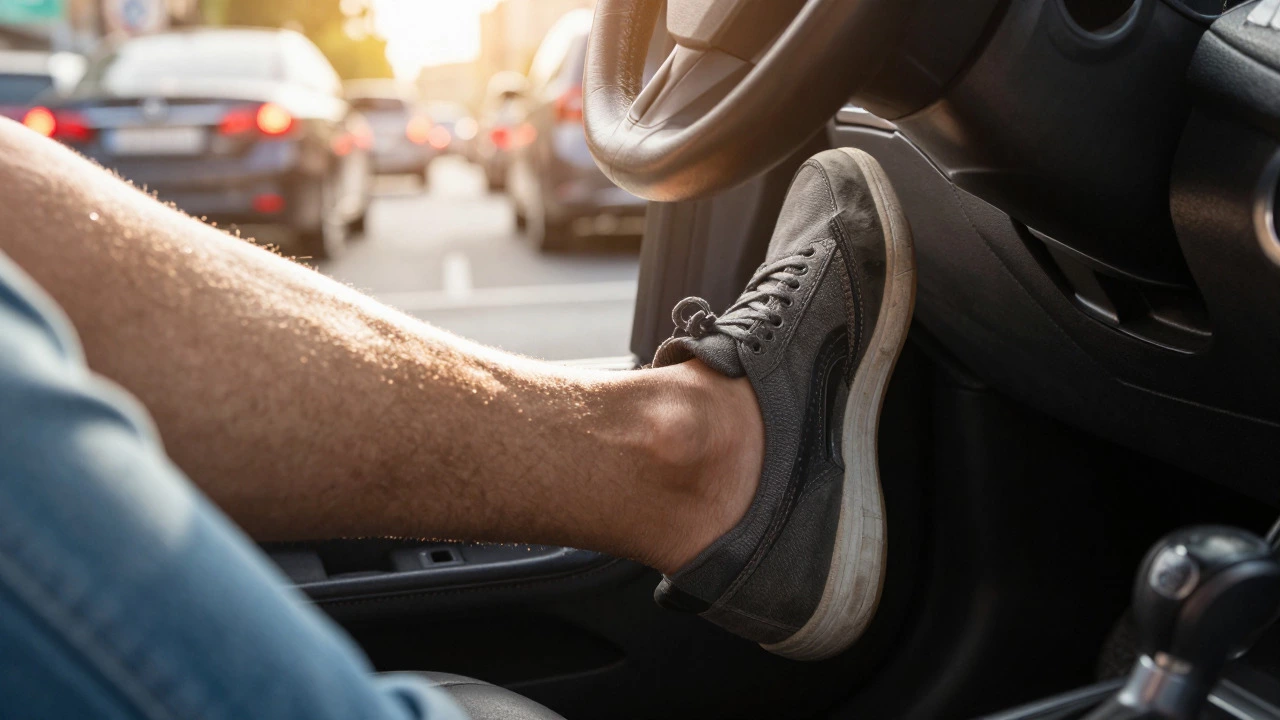
- Riding the Clutch: Keep your foot resting on the pedal while driving. Even slight pressure prevents the pressure plate from clamping fully. The disc slips constantly, generating massive heat. In stop-start traffic, you can ruin a healthy clutch in less than 30 minutes.
- Launching Aggressively: Revving high and dumping the clutch repeatedly (like in drag racing) generates immense heat spikes. Doing this three or four times in succession can warp the pressure plate or glaze the friction disc immediately.
- Towing Beyond Capacity: Pulling a trailer that’s too heavy for your vehicle forces the clutch to work harder to maintain momentum. If you’re struggling to accelerate on a hill with a heavy load, you’re likely slipping the clutch. This can lead to total failure within a single long journey.
- Fluid Contamination: If oil from a leaking rear main seal or transmission fluid leaks onto the clutch disc, the friction material loses its grip instantly. It’s like trying to hold a wet bar of soap. The clutch will slip severely within seconds of engagement.
Scenario 2: The Slow Decline (Months to Years)
Most clutch failures aren’t sudden explosions; they’re slow leaks. Over time, normal wear thins the friction material. However, certain habits accelerate this process significantly, turning a 60,000-mile component into a 15,000-mile headache.
- Half-Clutch Driving: Using the clutch to hold the car stationary on a hill instead of using the handbrake keeps the disc spinning against the flywheel. This constant friction wears down the material layer by layer.
- Stalling Frequently: Every time you stall the engine, the impact stresses the release bearing and the fork. While not direct "burning," this mechanical shock contributes to premature failure of the entire kit.
- Aggressive Downshifting: Rev-matching is great for performance, but if done incorrectly or excessively in daily driving, it puts extra strain on the synchronizers and the clutch itself.
Warning Signs: Is Your Clutch About to Go?
Your car will tell you it’s in trouble long before it completely fails. Pay attention to these sensory cues:
| Symptom | What It Feels Like | Likely Cause |
|---|---|---|
| Burning Smell | A distinct odor similar to burning toast or overheated brakes. | Friction material overheating and glazing. |
| Slipping | Engine RPMs increase, but vehicle speed doesn’t match. | Worn friction disc or contaminated surface. |
| Spongy Pedal | The clutch pedal feels soft, goes to the floor, or lacks resistance. | Hydraulic system leak (master/slave cylinder). |
| Juddering | The car vibrates or shudders when pulling away from a stop. | Warped pressure plate or damaged flywheel. |
| Noise | A grinding or whining noise when the pedal is pressed or released. | Failing release bearing or pilot bearing. |
Factors Influencing Clutch Lifespan
Not all clutches are created equal, nor do they all face the same conditions. Several variables dictate how quickly yours might burn out:
- Vehicle Type: Manual transmissions in sports cars often have lighter, more responsive clutches designed for performance, which may wear faster than the heavy-duty clutches found in trucks or vans.
- Duty Cycle: Urban drivers facing constant stop-start traffic put significantly more stress on their clutches than highway commuters. City driving can reduce clutch life by up to 50% compared to open-road driving.
- Quality of Components: Cheap aftermarket clutch kits may use inferior friction materials that generate more heat and wear down quicker. OEM (Original Equipment Manufacturer) parts generally offer a balance of durability and performance suited for daily driving.
- Driver Skill: Smooth, deliberate movements extend life. Jerky, impatient shifts shorten it. Learning to find the "bite point" precisely reduces unnecessary slippage.
Prevention: How to Extend Clutch Life
You can’t stop wear entirely-it’s a consumable part-but you can control the rate. Here’s how to keep your clutch healthy:
- Use the Handbrake: On hills, always use the handbrake to hold the car. Release the clutch to the bite point, then gently release the handbrake while applying gas. Never hold the car with the clutch alone.
- Remove Foot from Pedal: When moving, your left foot should be resting on the footwell, not hovering over the clutch. Any pressure causes partial disengagement and slippage.
- Shift Smoothly: Avoid slamming the gear stick. Let the synchronizers do their job. Push the pedal down fully and smoothly before shifting.
- Don’t Rest on Neutral: At red lights, if you’re stopped for more than a few seconds, put the car in neutral and rest your foot. Keeping the clutch depressed for long periods fatigues the hydraulic system and heats the release bearing.
- Check Fluid Levels: The clutch hydraulic system shares fluid with the brakes in many modern cars. Low brake fluid can introduce air into the clutch line, leading to a spongy pedal and poor engagement.
When to Replace vs. Repair
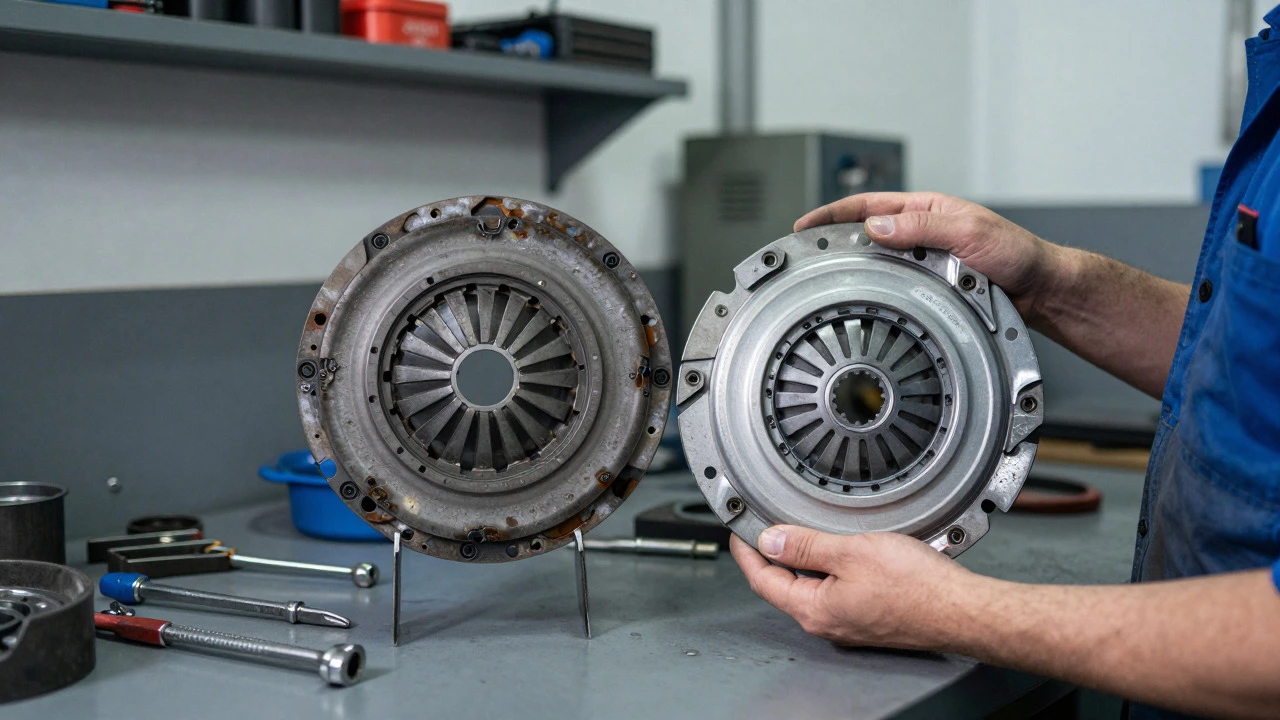
If your clutch is slipping slightly, can you just replace the disc? Technically, yes. Practically, no. Mechanics almost always recommend replacing the entire clutch kit, which includes the pressure plate, release bearing, and alignment tool. Why? Because the labor cost to remove the transmission is the same whether you replace one part or all three. Mixing old and new parts can lead to uneven wear and premature failure again. Additionally, the flywheel should be inspected. If it’s warped or scored, it needs resurfacing or replacement. Installing a new clutch on a bad flywheel is like putting new tires on bent rims-it won’t last. For most standard passenger vehicles, a complete clutch replacement costs between £400 and £800 in the UK, depending on the make and model. Performance cars or those with complex dual-clutch systems can run significantly higher. Considering the cost, prevention is definitely cheaper than cure.
How long does a typical clutch last?
On average, a manual clutch lasts between 60,000 and 100,000 miles. However, this varies wildly based on driving style. Aggressive city drivers might see failure at 30,000 miles, while gentle highway drivers could exceed 150,000 miles.
Can you drive with a burning clutch?
You physically can, but you shouldn’t. A burning clutch indicates severe slippage and heat buildup. Continuing to drive can warp the flywheel, damage the transmission input shaft, and potentially cause the clutch to fail completely, leaving you stranded. Drive gently to the nearest mechanic if you must.
What does a burnt clutch smell like?
It smells very similar to burning rubber or overheated brakes-a sharp, acrid, sulfurous odor. Many people describe it as smelling like burning toast. If you smell this after heavy traffic or towing, check your clutch immediately.
Is it expensive to fix a burnt clutch?
Yes, it is a significant repair. Because the transmission must be removed to access the clutch, labor costs are high. Total costs typically range from £400 to £1,200+ depending on the vehicle. Replacing the entire kit is recommended to ensure longevity.
Can a clutch burn out without warning?
Rarely. Most clutches provide warnings like slipping, noise, or a spongy pedal. Sudden failure usually occurs only if there is a mechanical break (like a snapped cable or broken spring) or severe contamination (oil leak). Thermal burnouts usually progress through a noticeable slipping phase first.