Windshield Wiper Lifespan Estimator
Select options and click estimate.
Key Factors:
- - Select inputs to see analysis.
There is nothing quite as annoying as a streaky, chattering windshield on a rainy day. You’re driving, visibility drops, and suddenly your wipers are just smearing mud across the glass instead of clearing it. Most people reach for their wallet immediately, assuming they need new blades. But before you buy replacements, ask yourself: could you have kept those old ones working longer?
The average set of windshield wiper blades typically lasts between six and twelve months. That timeline isn’t fixed, though. With a little proactive care, you can often squeeze another few months out of them. The enemy of wiper longevity isn’t just age; it’s environmental damage, poor cleaning habits, and mechanical stress. By understanding what wears down the rubber and how to mitigate that wear, you save money and stay safer on the road.
The Chemistry of Rubber Degradation
To protect your wipers, you first need to understand why they fail. Wiper blades rely on a thin strip of natural or synthetic rubber to create a seal against the glass. Over time, this rubber breaks down due to exposure to ultraviolet (UV) light, ozone, and extreme temperatures. This process is called oxidation.
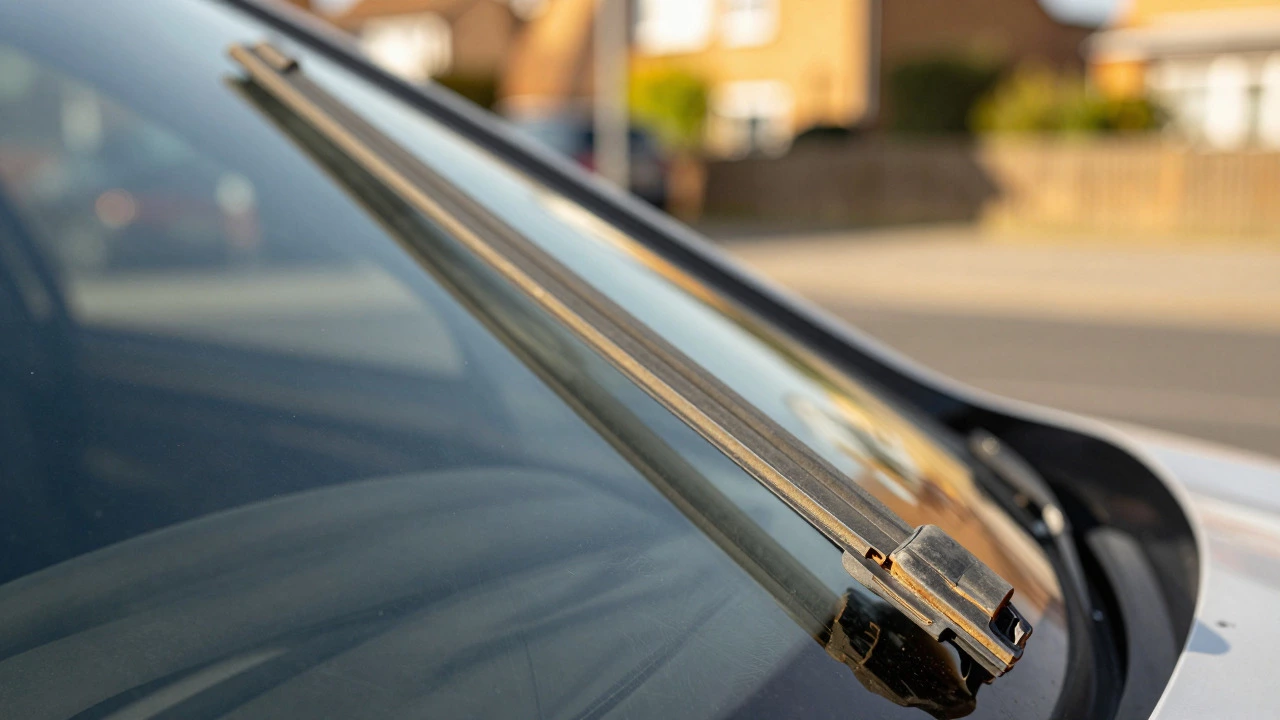
When rubber oxidizes, it loses its flexibility. It becomes hard, brittle, and prone to cracking. You’ve likely seen wiper blades with small cracks along the edge-that’s advanced oxidation. Once those cracks form, water leaks through them, causing streaks and chatter. UV rays from the sun are the primary culprit here. If you park your car outside in direct sunlight daily, your wipers degrade much faster than if you keep the vehicle in a garage.
Key Insight: Heat accelerates chemical reactions. In hot climates, the combination of high ambient temperature and intense UV radiation can halve the lifespan of standard rubber blades compared to cooler regions. This is why silicone-coated or hydrophobic treatments are often recommended for drivers in sunny areas.
Cleaning Your Blades Regularly
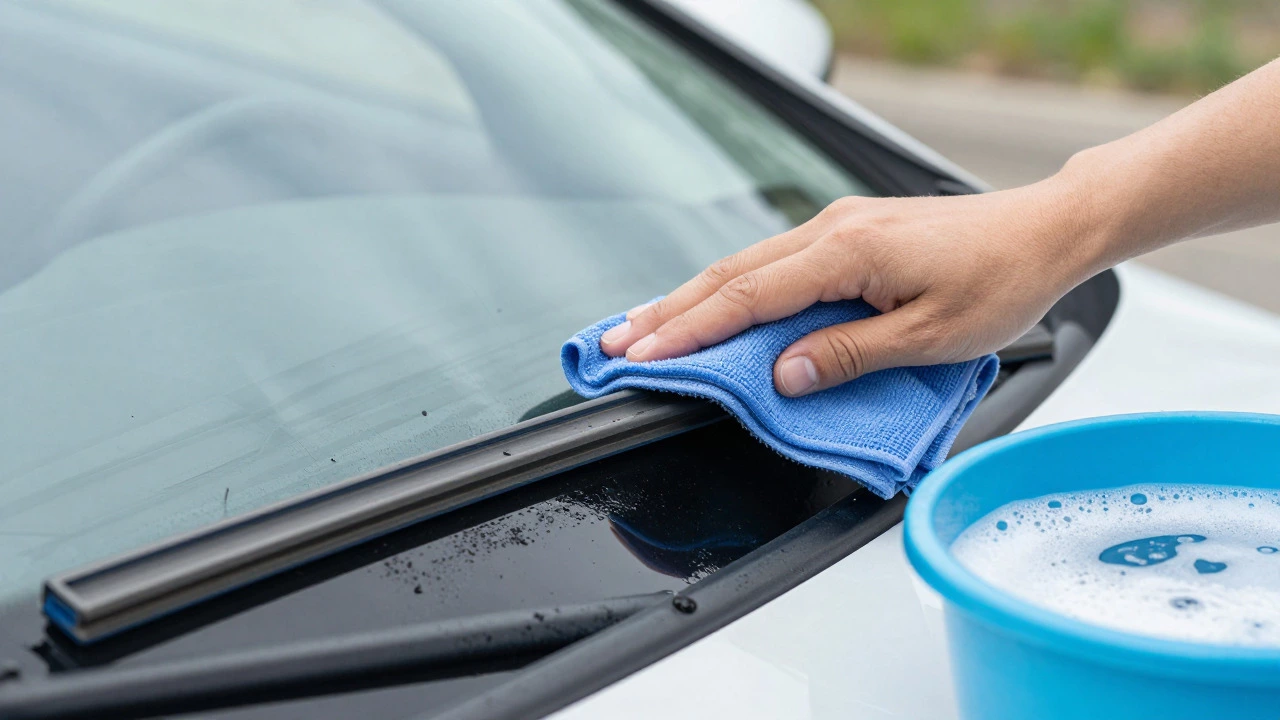
Dirt, grease, and tree sap accumulate on the wiper rubber over time. A dirty blade doesn’t wipe cleanly; it pushes debris around, which can scratch the windshield and further degrade the rubber compound. Many drivers forget that the wiper blade itself needs cleaning, not just the glass.
You don’t need expensive products to do this. A simple mix of mild soap and water works well. Here is a quick routine:
- Lift the wiper arm away from the windshield.
- Wrap a microfiber cloth or a paper towel around the rubber blade.
- Gently wipe along the length of the rubber, rotating the cloth to expose a clean side.
- Repeat until no more black residue appears on the cloth.
This simple act removes embedded grime that stiffens the rubber. Doing this once a month can significantly improve performance. Also, check the metal frame of beam-style wipers. Dirt trapped in the joints can prevent the blade from flexing evenly against the curved windshield, leading to uneven wear patterns.
Protecting Against Ice and Snow
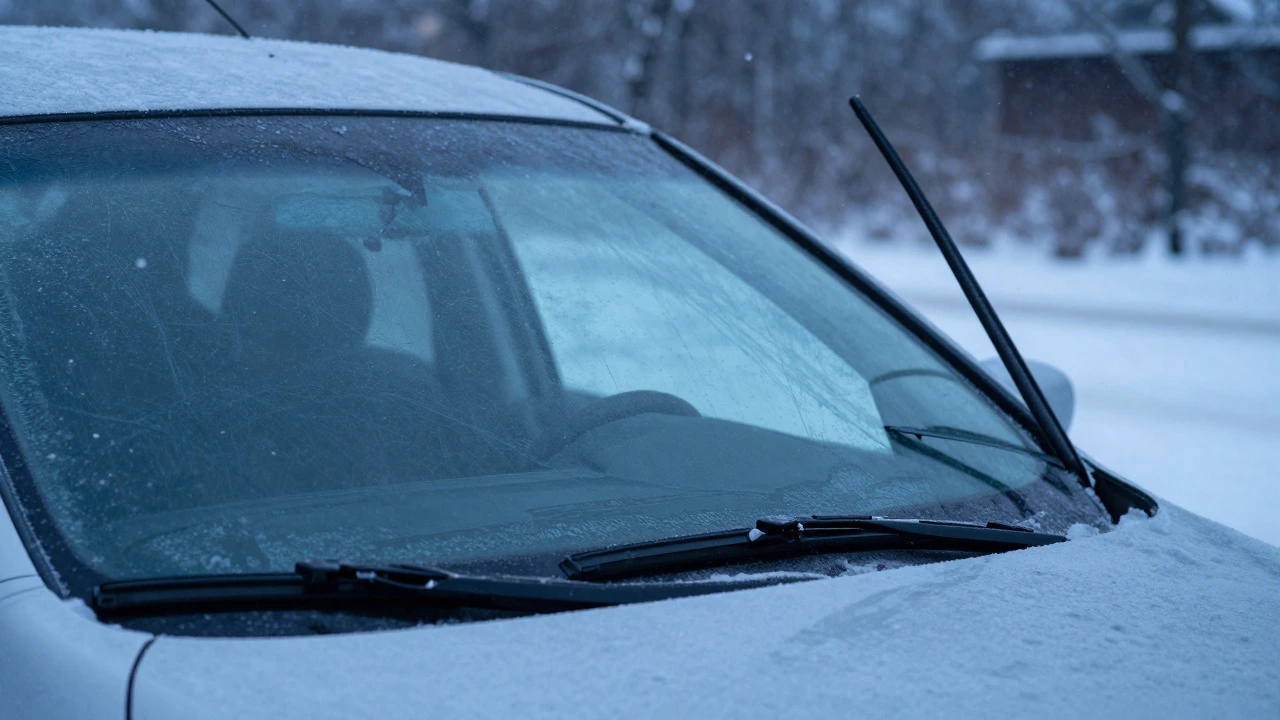
If you live in a region with harsh winters, ice is your biggest threat. Frozen wiper blades are incredibly fragile. Trying to force a frozen wiper motor to move can burn out the motor, but even if the motor survives, the rubber can tear or crack under the strain.
Before starting your car in freezing conditions, always lift the wiper arms manually and scrape off any ice buildup. Use a plastic scraper, not a metal tool, to avoid scratching the rubber. Never turn on the wipers if they are stuck to the glass. Let the defroster run for a minute to melt the bond before engaging them.
Another pro tip: when parking overnight in sub-zero temperatures, lift the wiper arms up so they aren’t resting on the glass. This prevents them from freezing into place. Just remember to lower them before you drive, or you’ll be painting the entire windshield with rain or snow.
Proper Glass Maintenance
Your wiper blades work in tandem with your windshield. If the glass is contaminated, the wipers will wear out faster. Road film, bug splatter, and industrial fallout create a layer of abrasive material on the glass. Every swipe of the wiper acts like sandpaper on the rubber blade.
Clean your windshield thoroughly at least once a week. Use a dedicated automotive glass cleaner rather than household ammonia-based cleaners, which can damage tinted windows and some rubber compounds. For stubborn contaminants like tar or heavy bug guts, use a clay bar treatment. This decontaminates the surface, leaving it smooth. A smooth surface reduces friction, allowing the wiper rubber to glide effortlessly and last longer.
Consider applying a hydrophobic coating, such as Rain-X or ceramic glass coatings. These treatments cause water to bead up and roll off the glass instantly. While this doesn’t stop the rubber from aging, it reduces the frequency and intensity of wiping needed during light rain, thereby reducing mechanical wear on the blades.
Storage and Parking Habits
Where and how you park your car plays a surprising role in wiper longevity. As mentioned earlier, UV exposure is a major factor. If possible, park in a garage or under a carport. If outdoor parking is unavoidable, consider using a windshield sunshade. These shades block direct sunlight from hitting the glass and the wiper blades, keeping them cooler and slowing down oxidation.
Avoid parking under trees. Tree sap and bird droppings are acidic and can eat away at the rubber if left untreated for long periods. If sap gets on your blades, clean it off immediately with a solvent-safe cleaner designed for automotive rubber.
Choosing Quality Replacements
Eventually, all wipers must be replaced. When the time comes, the quality of the replacement matters immensely for future longevity. Cheap, generic blades often use lower-grade rubber that hardens quickly. Investing in premium brands like Bosch, Trico, or Anco can double the effective life of your wipers.
Look for features like:
- Silicone-infused rubber: More resistant to heat and UV damage.
- Graphite coating: Reduces friction and noise.
- Beam design: Frameless designs distribute pressure more evenly, preventing premature wear spots.
Installing them correctly is also crucial. Ensure the hook or bayonet connector clicks securely into place. A loose blade will vibrate excessively, causing rapid wear and potential damage to the wiper arm.
| Factor | Impact on Lifespan | Mitigation Strategy |
|---|---|---|
| UV Exposure | High (Accelerates oxidation) | Park in shade/garage; use sunshade |
| Dirt/Grease | Medium (Causes streaking/stiffness) | Clean blades monthly with soap/water |
| Ice/Snow | High (Risk of tearing/cracking) | Scrape ice before driving; lift arms overnight |
| Glass Contamination | Medium (Abrasive wear) | Clay bar glass; apply hydrophobic coating |
| Rubber Quality | Variable | Choose silicone/graphite-coated premium brands |
Signs It’s Time to Replace
Even with perfect care, wipers have a finite life. Don’t wait until they fail completely. Watch for these signs:
- Streaking: Lines of water left behind after a wipe.
- Chattering: Skipping or jumping across the glass.
- Squeaking: Audible noise indicating dry or hardened rubber.
- Visible Damage: Cracks, tears, or missing chunks in the rubber.
If you notice any of these, replace the blades immediately. Driving with compromised wipers is dangerous, especially in heavy rain or snow.
How often should I clean my windshield wiper blades?
You should clean your wiper blades at least once a month. If you drive frequently in dusty, muddy, or urban environments with high pollution, consider cleaning them every two weeks. Regular cleaning removes abrasive particles that accelerate rubber wear.
Can I use WD-40 on my windshield wipers?
Generally, no. WD-40 is a lubricant and solvent that can break down certain types of rubber over time, causing them to swell or become sticky. Instead, use a dedicated rubber protectant or simply clean them with mild soap and water. If you want to reduce squeaking, apply a small amount of petroleum jelly or a specialized wiper lubricant spray.
Why do my wipers leave streaks even though they are new?
Streaking with new wipers is usually caused by oily residue on the windshield or manufacturing oils on the new blades themselves. Wash your windshield thoroughly with glass cleaner and then wipe the new blades with alcohol or soapy water to remove any factory coatings before first use.
Do silicone wiper blades last longer than rubber ones?
Yes, silicone wiper blades generally last longer because they are more resistant to UV radiation, heat, and ozone. They also maintain flexibility in extreme temperatures better than traditional natural rubber. However, they require a very clean windshield to perform optimally, as dirt can stick to the smoother surface more easily.
Should I lift my wipers in winter?
Lifting your wipers in winter can prevent them from freezing to the windshield, making it easier to start your car without damaging the motor or blades. However, be cautious: if strong winds blow while the wipers are up, they can snap back onto the glass and break. Only do this if you are sure the area is sheltered from wind, and always remember to lower them before driving.