Clutch Health Diagnostic Tool
Answer the following questions about your vehicle's current behavior to receive a preliminary diagnosis. This tool helps distinguish between hydraulic issues, normal wear, and severe burnout.
Recommended Next Steps:
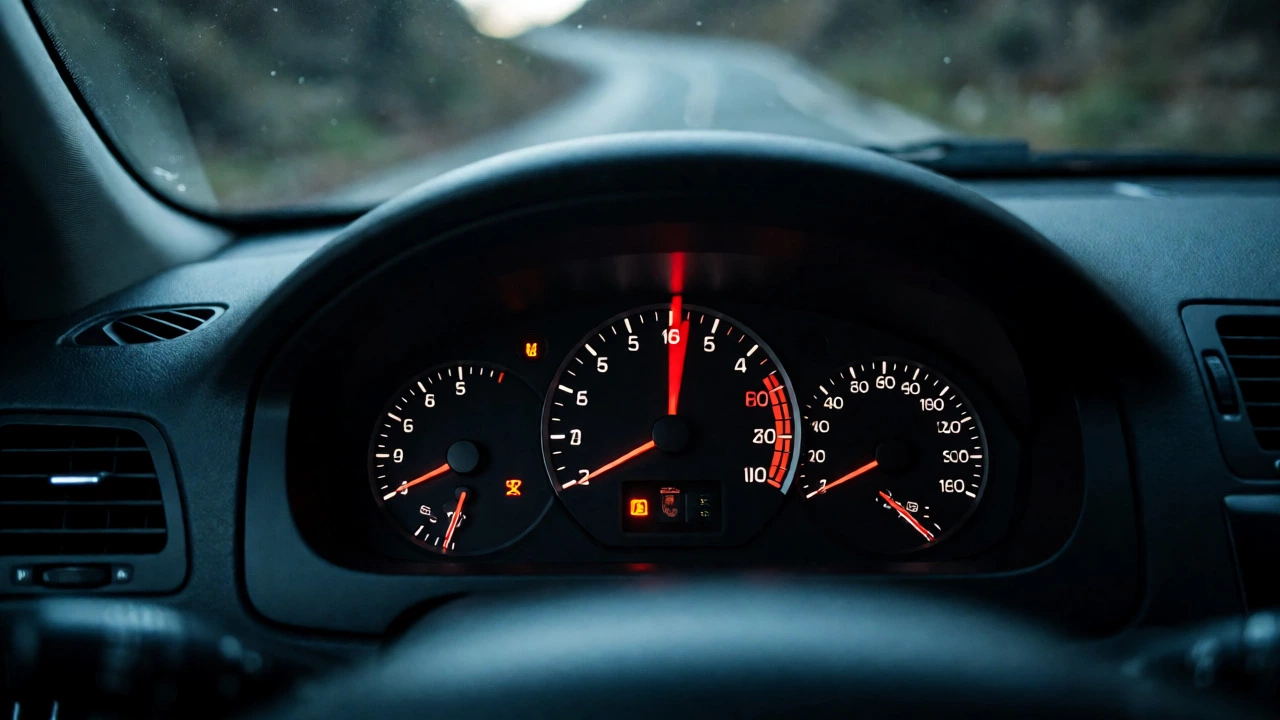
You’re driving up a steep hill, you press the gas pedal, the engine RPMs shoot through the roof, but the car barely moves. Or maybe you smell something sharp and acrid-like burnt toast or old rubber-coming from under the hood. If this sounds familiar, your clutch is likely burned out. It’s not just an annoyance; it’s a critical failure in your vehicle's power delivery system. Ignoring it won’t fix it, and continuing to drive can turn a simple part replacement into a gearbox disaster.
A burned clutch isn't mysterious. It’s physics. Friction materials wear down until they can no longer grip the flywheel. When that happens, slippage occurs. Slippage creates heat. Heat destroys the remaining friction material. The cycle accelerates rapidly. This guide walks you through exactly how to identify if your clutch is truly dead, what causes the burnout, and whether you can fix it yourself or need a pro. We’ll keep it practical, focusing on real-world scenarios rather than textbook theory.
Key Takeaways
- Identify the signs: High RPMs without acceleration, slipping gears, and a burning smell are definitive indicators of a worn clutch disc.
- Check fluid levels first: Low hydraulic fluid can mimic clutch failure by preventing full disengagement, so rule this out before buying parts.
- Replacement is usually required: You cannot "repair" a burned friction surface; you must replace the entire clutch kit.
- Inspect related components: Always check the flywheel and release bearing during replacement to avoid repeat failures.
- Cost vs. Effort: DIY saves money on labor but requires significant mechanical skill and specialized tools like a transmission jack.
Is Your Clutch Actually Burned Out?
Before you spend hundreds on parts, confirm the diagnosis. A "burned" clutch refers specifically to the degradation of the friction disc lining due to excessive heat and slip. However, other issues can feel similar. Let’s isolate the problem.
The most obvious symptom is slipping. In a manual transmission, the clutch connects the engine to the gearbox. When healthy, they spin together. When burned, the engine spins faster than the wheels. Try this test: Drive in a high gear (like 4th or 5th) at a steady speed. Press the accelerator firmly. If the tachometer needle jumps but the speed doesn't increase proportionally, the clutch is slipping. This is especially noticeable when climbing hills or towing heavy loads.
Another clear sign is the smell. Friction material contains organic compounds that char when overheated. That distinct odor-often described as burnt hair or electrical fire-is hard to miss. If you smell it after aggressive driving or stop-and-go traffic, the clutch has been working too hard. Note that new clutches sometimes have a mild smell for the first few hundred miles, but a strong, persistent odor indicates failure.
Watch your pedal behavior. A failing clutch often exhibits a "high bite point." This means you have to lift the pedal almost all the way to the top before the car starts moving. Conversely, if the pedal feels spongy or goes to the floor, it might be a hydraulic issue, not a burned disc. Distinguishing between these two is crucial because fixing hydraulics costs $50, while replacing a clutch costs $300-$800 in parts alone.
Why Do Clutches Burn Out?
Clutches don't fail randomly. They die from abuse or age. Understanding the cause helps prevent future headaches. Most premature failures stem from driver habits or mechanical misalignment.
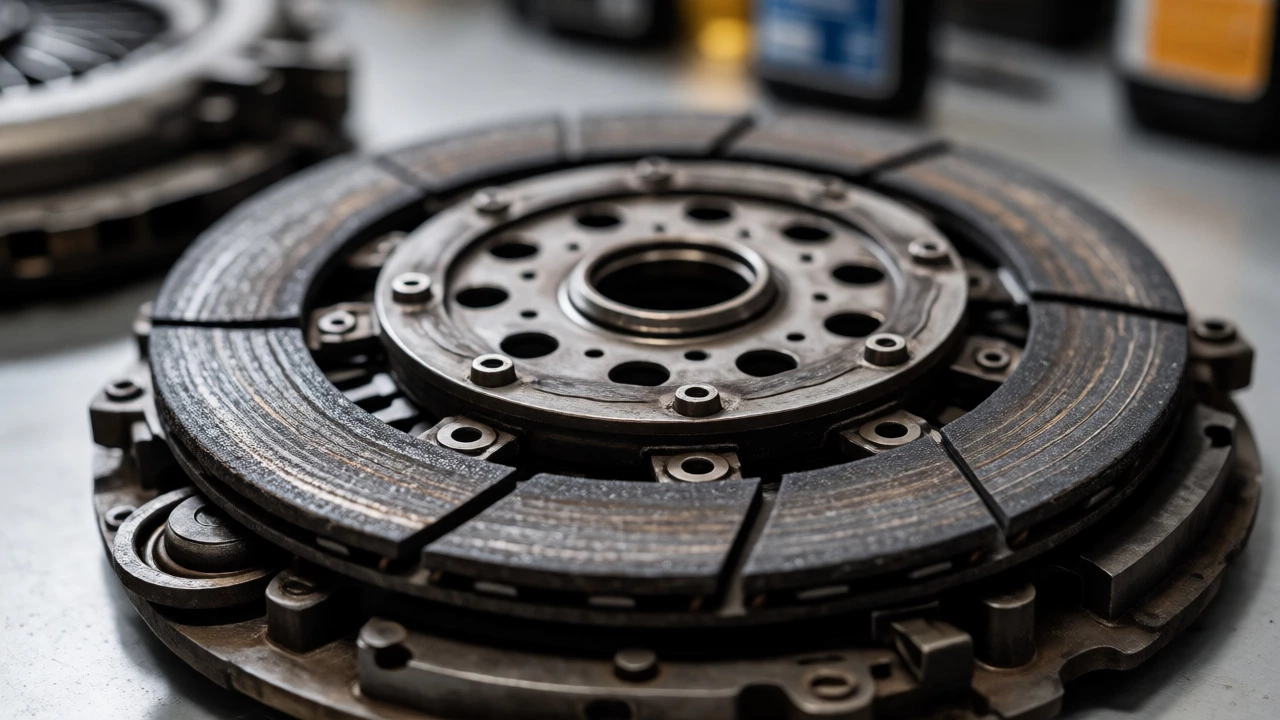
The biggest culprit is riding the clutch. Keeping your foot resting on the pedal even slightly prevents the pressure plate from fully engaging the disc. This constant partial contact generates massive heat. Over time, this glazes the friction surface, reducing its ability to grip. Once glazed, it slips more, creating more heat, leading to total burnout. If you frequently rest your left foot on the pedal while driving, you’re shortening your clutch life significantly.
Aggressive launches contribute heavily. Drag racing style starts-dumping the clutch at high RPMs-generate intense thermal spikes. While performance clutches handle this better, standard OEM clutches do not. Repeated hard launches cook the friction material. Similarly, frequent stop-and-go traffic in hot weather puts immense strain on the system. The clutch never gets a chance to cool down between engagements.
Mechanical faults also play a role. A warped flywheel prevents even contact with the disc. Uneven pressure causes localized hot spots, which burn quickly. Oil contamination is another silent killer. If rear main seal leaks allow engine oil onto the clutch disc, the oil acts as a lubricant instead of a friction medium. The clutch slips constantly, overheats, and fails. This is common in older vehicles where seals degrade over time.
Diagnosing the Problem: Step-by-Step
You don’t need a diagnostic computer to check a clutch. Simple tests reveal the truth. Start with the visual inspection.
- Check Hydraulic Fluid: Open the bonnet and locate the clutch master cylinder reservoir (usually near the brake booster). If the fluid is low, top it up with DOT 4 brake fluid. Test drive again. If the problem persists, the issue is internal, not hydraulic.
- The Stall Test: With the engine off, shift into first gear. Release the clutch pedal. Try to push the car forward by hand. If it moves easily, the clutch isn't engaging properly. With the engine running, put the car in neutral, start it, then shift into first with the clutch depressed. Slowly release the clutch. If the engine stalls immediately, the clutch is gripping well. If it revs freely without stalling, it’s slipping.
- Road Test: Drive on a flat road. Accelerate in 3rd gear. Note the RPM at a specific speed (e.g., 30 mph at 2,000 RPM). Then, accelerate hard. If RPMs rise to 4,000 but speed only increases to 35 mph, you have confirmed slip.
If these tests point to a burned disc, you need to replace the clutch assembly. There is no additive or cleaner that restores friction material once it’s gone. The metal-to-metal contact has already done irreversible damage.
What Needs Replacement? The Clutch Kit Explained
When mechanics talk about fixing a burned clutch, they rarely mean just the disc. Modern repairs involve a complete clutch kit. This ensures longevity and prevents paying for labor twice.
| Component | Function | Replace? |
|---|---|---|
| Clutch Disc | Transfers torque via friction linings | Yes (Primary Failure) |
| Pressure Plate | Applies force to hold disc against flywheel | Yes (Heat Damage Likely) |
| Release Bearing | Disengages clutch when pedal pressed | Yes (Wear Item) |
| Flywheel | Massive rotating surface attached to engine | Resurface or Replace |
| Pilot Bearing/Bushing | Supports input shaft of transmission | Yes (Cheap Insurance) |
Replacing only the disc is a false economy. The pressure plate suffers from the same heat exposure. Its diaphragm spring loses tension, leading to weak clamping force later. The release bearing wears out every time you use the clutch. Since the transmission must come off to access the clutch, replacing these items simultaneously adds minimal cost but saves hours of labor down the road.
The flywheel is critical. If it’s scored or warped, a new disc will fail prematurely. Double-mass flywheels (common in diesel cars) are expensive. If yours is intact, a machine shop can resurface it. If it’s cracked or severely grooved, replacement is mandatory. Single-mass flywheels are cheaper and easier to replace outright.
DIY vs. Professional Repair: Making the Choice
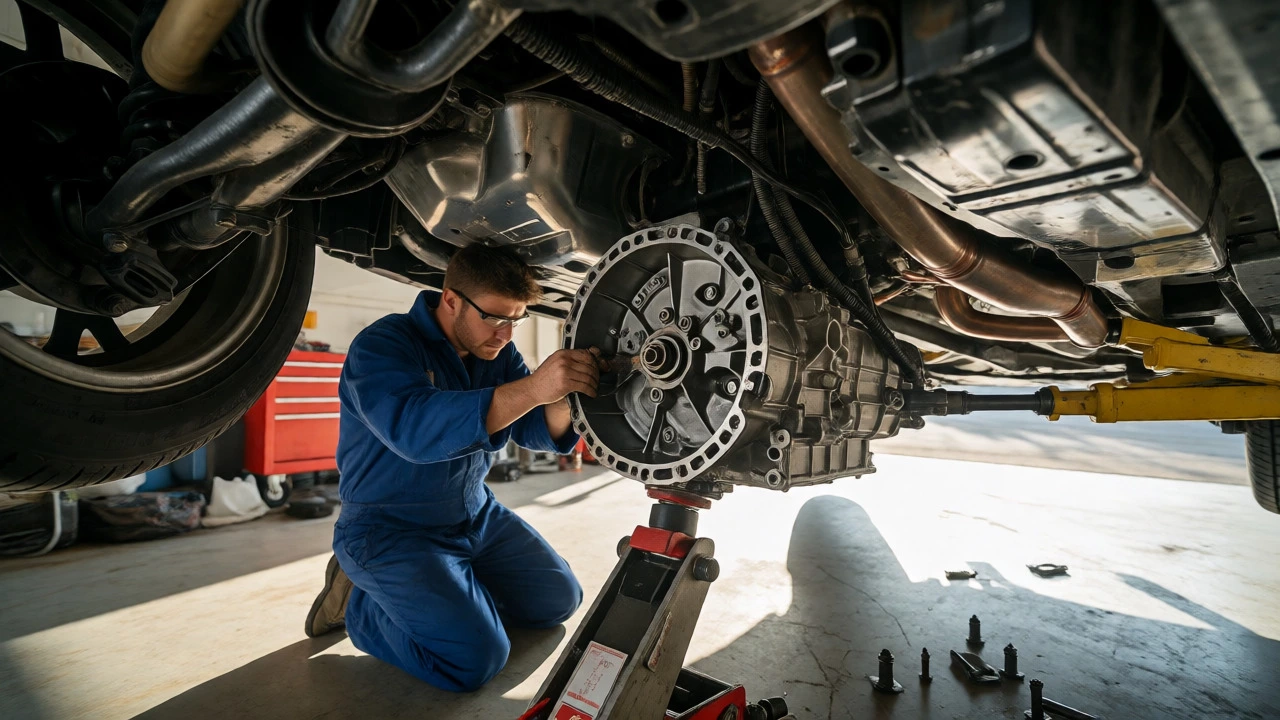
Should you tackle this yourself? It depends on your garage setup and confidence level. Replacing a clutch is one of the most labor-intensive jobs on a front-wheel-drive car. Why? Because the transmission sits transversely. To get it out, you often have to remove the subframe, exhaust system, and sometimes the radiator support.
Go DIY if:
- You have a sturdy jack stand setup and a transmission jack.
- You possess basic socket sets, torque wrenches, and alignment tools.
- You have space to work comfortably for 6-10 hours.
- Your car is accessible (rear-wheel-drive cars are generally easier).
Hire a Pro if:
- You lack specialized tools (like a clutch alignment tool).
- The job requires dropping the subframe (common in modern FWD hatchbacks).
- You suspect dual-mass flywheel complications.
- You value your weekend more than saving $200-$400 in labor.
Labor rates vary by region. In Manchester, expect to pay £150-£250 per hour. A typical clutch replacement takes 4-6 hours. Add the cost of parts (£150-£400 depending on brand and car model), and the total bill ranges from £600 to £1,200. Doing it yourself cuts the labor cost entirely, but mistakes can be costly. For example, cross-threading bell housing bolts or damaging the input shaft seal can lead to immediate re-repair needs.
Preventing Future Burnouts
Once you’ve fixed the clutch, change your habits to make it last. The average lifespan of a healthy clutch is 50,000 to 100,000 miles. Abuse cuts that in half.
First, keep your foot off the pedal when not shifting. Use the dead pedal or floorboard for rest. Second, engage the clutch smoothly. Avoid dumping it unless necessary. Third, address leaks promptly. Check for oil around the bell housing join. Even small drips contaminate the new disc. Fourth, use the correct grade of transmission fluid if your car uses a wet clutch (rare in passenger cars, common in some trucks). Finally, don’t ignore early warning signs. Slight slipping is cheap to monitor; total failure is expensive to fix.
Can I drive with a burned out clutch?
You can drive briefly, but it’s risky. Severe slipping causes extreme heat that can warp the flywheel or damage the transmission input shaft bearings. If the clutch slips completely, you may lose power to the wheels, leaving you stranded in traffic. Limit distance and avoid hills.
How much does it cost to replace a clutch kit?
Parts typically range from £100 to £400 depending on the vehicle. Labor adds £300 to £600. Total professional costs usually fall between £500 and £1,000. Luxury or performance cars with complex transmissions can exceed £1,500.
Does a burned clutch smell always mean replacement?
Not always. New clutches emit a slight odor during break-in. However, if the smell is strong, persistent, and accompanied by slipping or high RPMs, replacement is necessary. If there’s no slipping, check for external sources like leaking oil hitting the exhaust manifold.
Can low clutch fluid cause slipping?
Low fluid usually causes difficulty disengaging (grinding gears) rather than slipping. Slipping is primarily a friction surface issue. However, air in the hydraulic line can reduce clamping force, mimicking slip. Bleeding the system is a cheap first step.
How long does a clutch replacement take?
For a mechanic, 4 to 6 hours is standard. For a DIYer, expect 8 to 12 hours including breaks and troubleshooting. Front-wheel-drive vehicles often take longer due to subframe removal requirements compared to rear-wheel-drive trucks.