Oil Change Diagnostic Tool
Enter your current vehicle status below to get a personalized recommendation on whether you need an oil change immediately, soon, or not yet.
Mileage & Oil Type
Physical & Digital Signs
Recommendation
You’re driving along, the radio is playing, and everything feels normal. Then a small orange light pops up on your dashboard, or maybe you just notice the oil looks weird when you check it. Suddenly, panic sets in. Do you need to stop right now? Can you drive another week? The truth is, knowing when your car needs an oil changed isn’t about guessing-it’s about reading the signs your vehicle gives you.
Modern cars are smarter than they used to be, but they still rely on physical cues and digital alerts to tell you what’s going on under the hood. Ignoring these signals can lead to expensive engine repairs down the road. Let’s break down exactly how to spot the difference between "good to go" and "get to the shop," so you never have to wonder again.
The Dashboard Warning Lights Are Not Suggestions
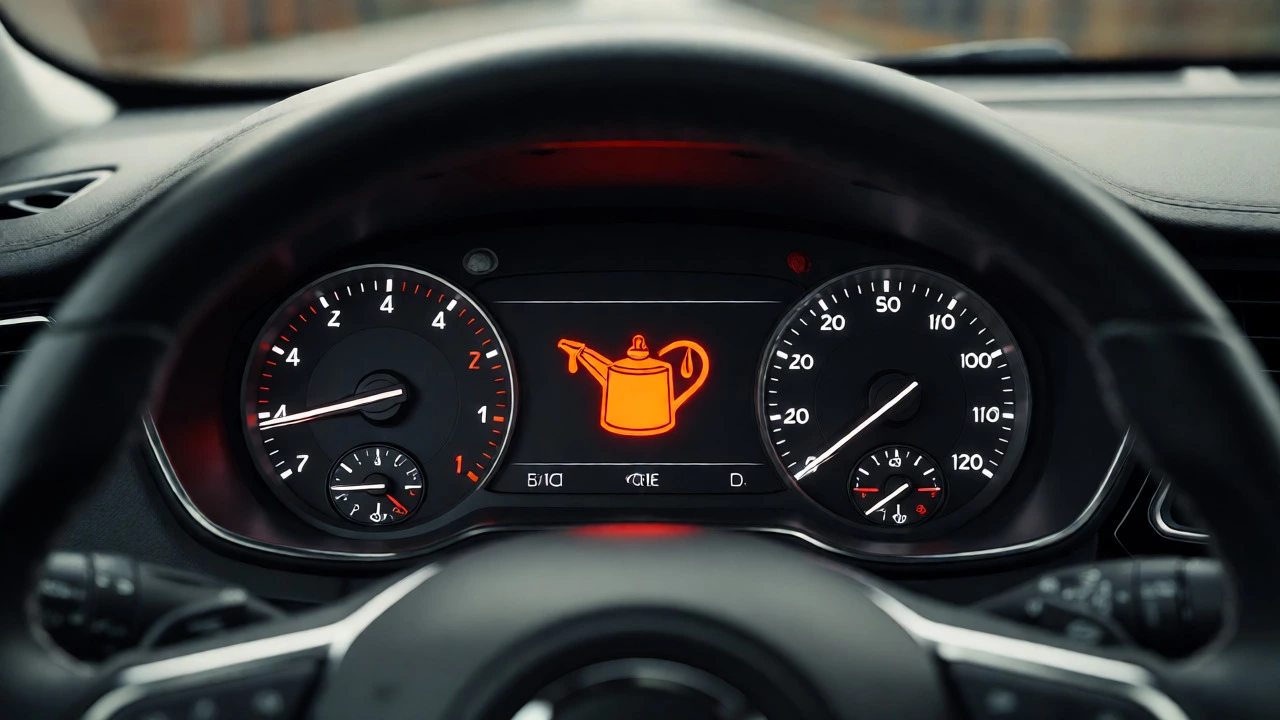
The most obvious indicator is right in front of you: the dashboard. Most modern vehicles come equipped with an Oil Life Monitor or an Oil Pressure Light. These aren't decorative features; they are critical safety systems. But here’s the catch-they mean different things.
If you see a light that looks like an old-fashioned oil can dripping, that’s usually the Oil Pressure Warning Light. This is serious. It means oil isn’t circulating properly, which can destroy your engine in minutes. If this light comes on while driving, pull over safely and shut off the engine immediately. Do not keep driving.
On the other hand, many newer cars (like those from Ford, GM, or Toyota) use a percentage-based system called the Intelligent Oil Life Monitor. This system calculates remaining oil life based on driving conditions, temperature, and engine load, not just mileage. If it hits 5% or lower, you’re due for a change soon. If it hits 0%, you’ve already missed the window, but you likely won’t damage the engine if you get it done within a few hundred miles.
Check the Dipstick: Color and Texture Matter
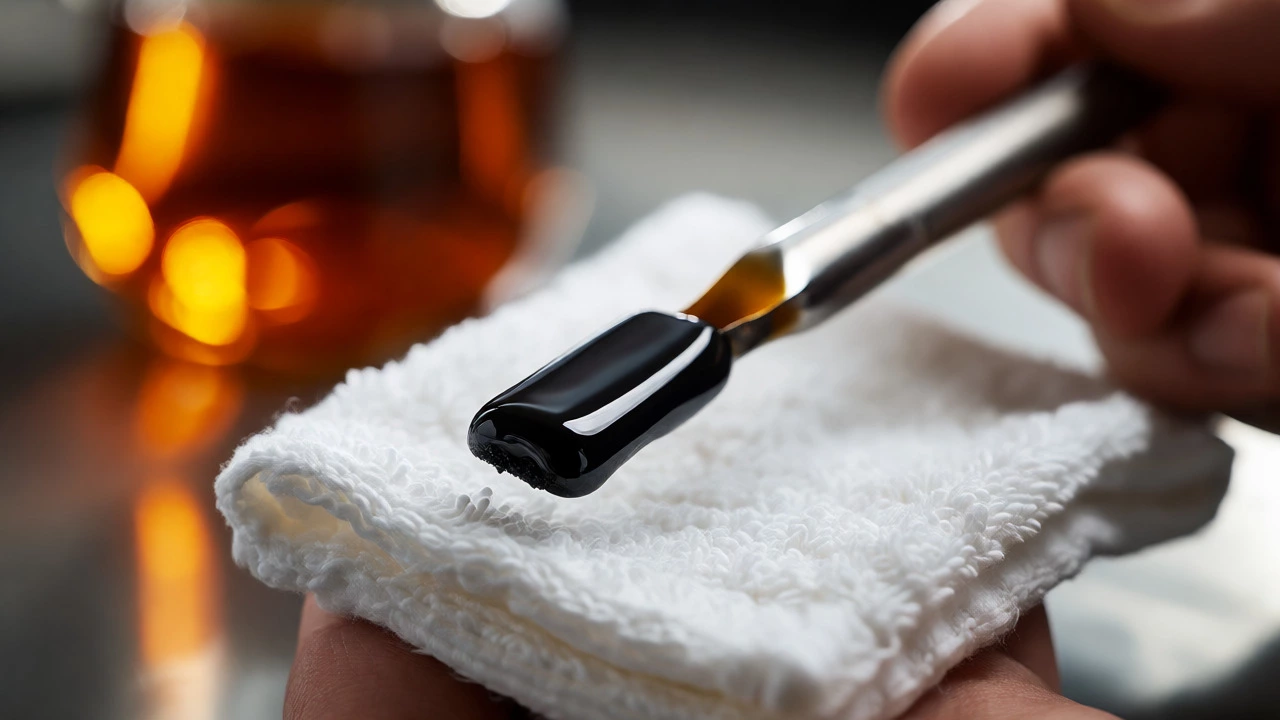
Digital sensors are great, but nothing beats a manual check. Pulling out the dipstick is the gold standard for verifying oil health. Here is how to do it correctly: ensure the engine is cool or has been off for at least 10 minutes, pull the dipstick, wipe it clean, reinsert it fully, and pull it out again to read the level and condition.
Color: Fresh oil is typically amber or honey-colored. As it works, it turns dark brown or black. Black oil doesn’t always mean it’s bad-some oils contain detergents that turn dark quickly as they suspend contaminants. However, if the oil is jet black and gritty, it’s time for a change. If it looks milky or creamy, that’s a red flag for a coolant leak, which requires immediate mechanic attention.
Texture: Rub a drop between your fingers. Good oil feels slippery and smooth. If it feels gritty, sandy, or thick like molasses, contaminants are building up. Gritty oil indicates metal shavings or dirt entering the system, which accelerates wear on engine components.
Sounds and Smells That Signal Trouble
Your ears and nose are powerful diagnostic tools. A healthy engine hums smoothly. An engine running on low-quality or low-level oil sounds different.
- Ticking or Knocking: Low oil levels cause hydraulic lifters to lose pressure, leading to a ticking sound from the top of the engine. If you hear knocking from deeper inside, bearings may be starving for lubrication. This is urgent.
- Burning Smell: If you smell burning oil inside the cabin, it might be leaking onto hot exhaust parts. Alternatively, if the oil itself smells acrid or burnt, it has broken down thermally and lost its protective properties.
Don’t ignore subtle changes in engine noise. We often tune out background hums, but a new rattle or increased volume when accelerating is a clear signal that friction is increasing because the oil film is too thin.
Mileage Intervals: Is 3,000 Miles Still the Rule?
Your grandfather probably told you to change oil every 3,000 miles. That was true for older engines and conventional oils. Today, technology has changed the game. Check your owner’s manual-it is the ultimate authority for your specific vehicle.
| Oil Type | Typical Interval | Best For |
|---|---|---|
| Conventional | 3,000 - 5,000 miles | Older cars, severe driving conditions |
| Synthetic Blend | 5,000 - 7,500 miles | Standard daily drivers, moderate climates |
| Full Synthetic | 7,500 - 10,000+ miles | Newer cars, turbocharged engines, extreme temps |
Driving habits matter more than the odometer. If you frequently make short trips where the engine doesn’t reach full operating temperature, or you drive in heavy traffic, dust, or towing loads, you fall into "severe service." In these cases, cut the recommended interval in half. Short trips prevent moisture from evaporating out of the oil, leading to sludge buildup faster than highway driving does.
Visual Signs Outside the Engine Bay
Sometimes the problem isn’t just the oil quality, but the quantity. You don’t need a dipstick to spot a major leak. Look under your parked car after it’s been sitting overnight. Small drops are common in older cars, but puddles or large drips indicate a seal failure or drain plug issue.
Also, inspect the area around the oil cap. If there’s a white, frothy substance under the cap, it suggests condensation or coolant mixing with oil. While a tiny bit of foam in cold weather can be normal, significant accumulation means water is getting into your crankcase, which compromises lubrication.
What Happens If You Wait Too Long?
Procrastinating on an oil change isn’t just about saving $50 today; it’s about protecting a $5,000+ engine. Old oil loses viscosity, meaning it becomes too thin to protect moving parts or too thick to flow through narrow passages. This leads to increased friction, heat, and eventually, component failure.
Common consequences of neglected oil changes include:
- Sludge Buildup: Thick, tar-like deposits that block oil passages, starving parts of lubrication.
- Overheating: Oil helps dissipate heat. Bad oil makes the engine run hotter.
- Reduced Fuel Efficiency: Increased internal friction forces the engine to work harder, burning more gas.
- Catastrophic Failure: Seized pistons or spun bearings, requiring a complete engine replacement.
Frequently Asked Questions
Can I change my oil myself?
Yes, if you have basic mechanical skills and the right tools. You’ll need a wrench, an oil filter wrench, a drain pan, and the correct type and amount of oil. Just remember to dispose of the old oil properly at an auto parts store or recycling center; never pour it down the drain.
Is synthetic oil worth the extra cost?
For most modern vehicles, yes. Synthetic oil lasts longer, flows better in cold starts, and resists breakdown at high temperatures better than conventional oil. While the upfront cost is higher, fewer oil changes per year can offset the price, and it provides superior protection for tight-tolerance engines.
Why is my oil light on even though I just changed it?
This could happen for two reasons. First, the technician may have forgotten to reset the oil life monitor. Second, there might be an actual issue, such as a faulty sensor, low oil level, or a problem with the oil pump. Check your oil level manually first. If the level is fine, have the sensor checked.
Does driving slowly save oil?
Not necessarily. Stop-and-go city driving is actually harder on oil than steady highway cruising because the engine runs longer without reaching optimal temperatures, allowing moisture and acids to accumulate. Highway driving allows the oil to burn off contaminants, extending its life slightly compared to short urban trips.
How often should I check my oil level?
At least once a month. Checking regularly helps you catch leaks early before they become emergencies. It also ensures you don’t top off incorrectly, which can cause foaming and reduced lubrication effectiveness.