UK Exhaust Modification Risk Calculator
Configuration
Analysis Result
Calculating acoustics...
There is a specific moment when you turn the key in your ignition and hear that deep, throaty rumble from under the hood. It’s satisfying. It feels powerful. But if you live in the United Kingdom, that feeling can quickly turn into anxiety when you realize you might have just broken the law. The gap between "sporty" and "illegal" in the UK is narrower than most drivers think.
Modifying your car’s sound isn’t inherently illegal, but doing it without understanding the regulations set by the Department for Transport (DfT) and the DVSA (Driver and Vehicle Standards Agency) can lead to hefty fines, penalty points, and failing your MOT. In 2026, enforcement has become stricter, with police using handheld decibel meters more frequently during traffic stops and roadside checks.
You don’t have to drive a silent car to stay legal. You just need to know how to modify your exhaust system correctly. This guide breaks down exactly what you can change, what you must keep, and how to ensure your modifications pass inspection while still giving you that extra auditory punch.
Understanding the Legal Framework: What Actually Counts as Illegal?
The first step is separating myth from reality. Many people believe that any aftermarket exhaust is illegal. This is false. The law does not ban aftermarket parts; it bans excessive noise and modifications that alter the vehicle’s type approval specifications beyond acceptable limits.
In the UK, the primary regulation governing this is the Road Vehicles (Construction and Use) Regulations 1986. Specifically, Regulation 48 states that an exhaust device must be maintained in efficient working order to prevent unnecessary noise. The term "unnecessary noise" is subjective but legally defined by comparison to the vehicle’s original manufacturer specifications.
If your modified car sounds significantly different or louder than an identical unmodified model, you are at risk. Police officers do not need a specialized machine to issue a fixed penalty notice (FPN) on the spot if they deem the noise excessive. They use their judgment based on the "reasonable person" standard. However, if you are challenged, the burden of proof shifts to you to demonstrate that the noise levels are within legal limits.
The critical metric here is decibels (dB). While there is no single universal dB limit for all cars on public roads, the general benchmark used by authorities and MOT testers is that the noise should not exceed the manufacturer’s specification by more than a few decibels. For most modern cars, this means staying below approximately 75-80 dB(A) at idle and ensuring acceleration noise doesn’t spike dramatically above factory settings.
The MOT Test: The Real Gatekeeper
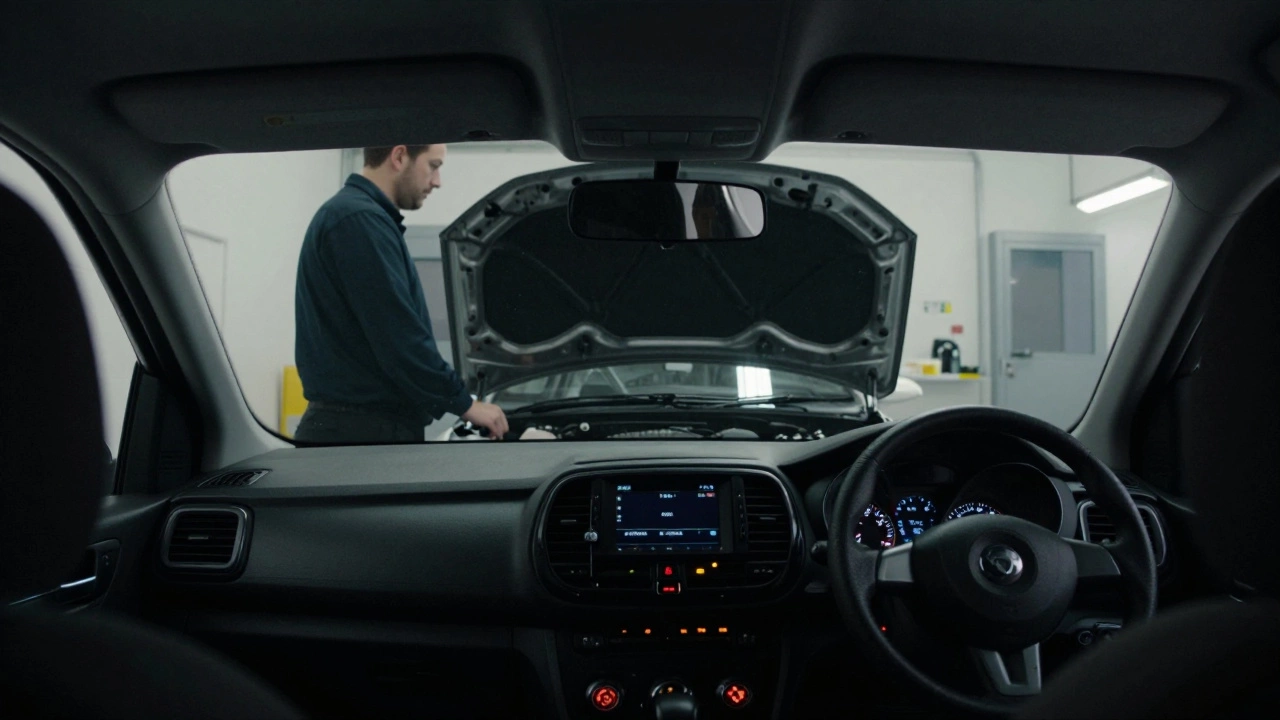
Even if you avoid police attention, the annual MOT test is where most illegal exhausts get caught. Since the changes introduced in recent years, the MOT tester has strict guidelines for exhaust emissions and noise.
During the visual inspection, the tester will check for leaks, loose clamps, and missing components. If your exhaust is hanging low enough to hit the ground or if there are visible holes, you fail immediately. This is unrelated to volume but crucial for legality.
The noise check is more nuanced. The tester will start the engine and let it idle. They will listen for abnormal noise. Then, they may perform a gentle acceleration test (usually up to 30 mph or until the engine reaches a specific RPM, depending on the vehicle type). If the exhaust note is described as "abnormal," "excessive," or "unusual" compared to the vehicle’s design, you will receive a Major Fault failure.
Key point: "Abnormal" includes rattling, popping, or backfiring sounds caused by poor tuning or damaged parts, not just high volume. A clean, loud tone might pass if it’s consistent, whereas a chaotic, loud tone will likely fail.
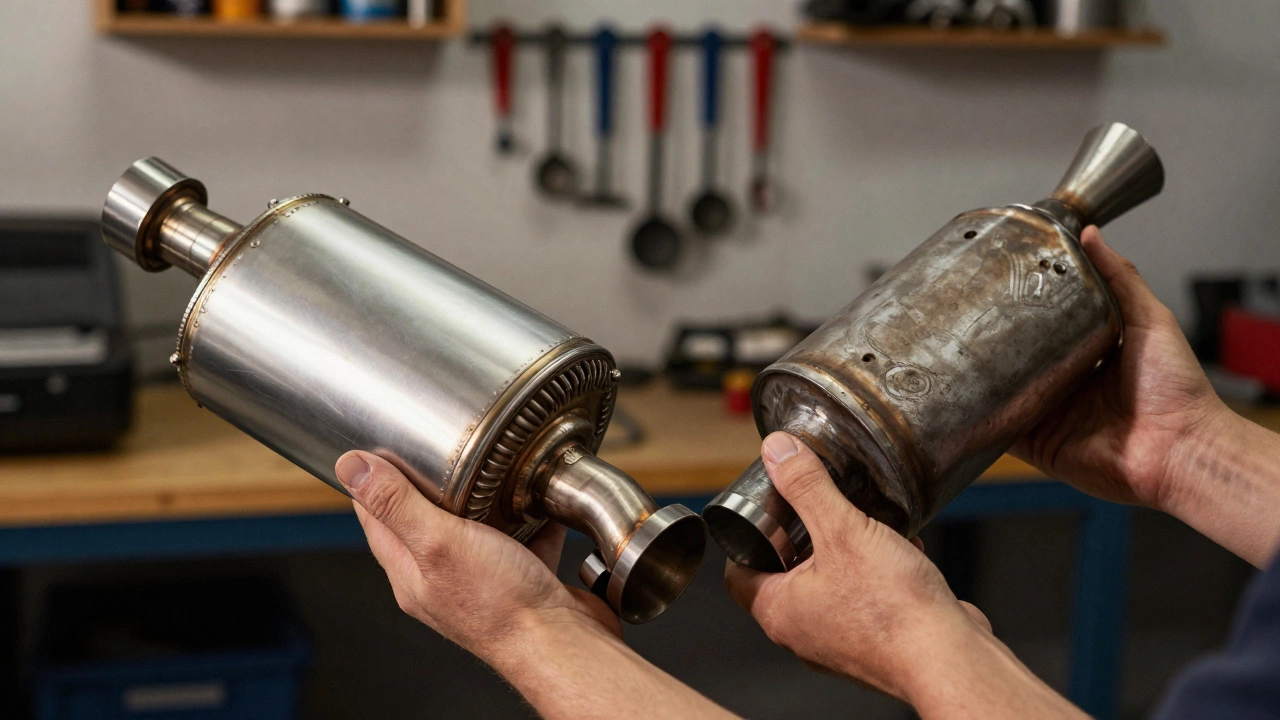
Safe Modifications: How to Increase Volume Without Breaking the Law
So, how do you make your car louder while staying on the right side of the law? The answer lies in choosing the right type of modification. Not all exhaust upgrades are created equal.
| Modification Type | Noise Increase | Legal Risk (UK) | Performance Gain |
|---|---|---|---|
| Full System Swap | High | Very High | High |
| Cat-Back System | Moderate | Low to Moderate | Moderate |
| Sport Muffler Only | Low | Low | Minimal |
| Resonator Delete | High | High | Low |
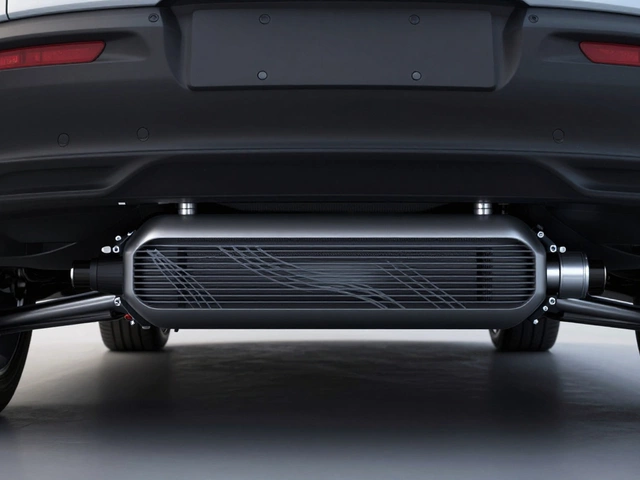
Cat-Back Systems: This is the safest route for most enthusiasts. A cat-back system replaces everything from the catalytic converter backwards. Because it leaves the front pipe, downpipe, and catalytic converter intact, it retains much of the factory emission control and noise-dampening structure. Reputable brands like Akrapovič, Borla, or MagnaFlow often design these systems to meet local noise regulations, including UK standards. Look for systems labeled as "street legal" or "MOT compliant."
Sport Mufflers: Swapping only the muffler (the silencer at the rear) is another low-risk option. These units reduce backpressure slightly and open up the sound without drastically changing the acoustic profile. They add a deeper tone rather than a raw roar. This is often the best choice for daily drivers who want a subtle improvement.
What to Avoid: Never remove the catalytic converter ("de-catting"). This is illegal in the UK regardless of noise levels because it increases harmful emissions. It will also trigger the check engine light and cause you to fail the MOT emissions test. Similarly, deleting resonators (small chambers designed to cancel out specific frequencies) often results in a harsh, buzzy sound that is easily flagged as "abnormal" by MOT testers.
Pro Tips for Staying Under the Radar
If you decide to proceed with a modification, follow these practical steps to minimize risk:
- Check for E-Mark Certification: Look for an "E-mark" label on the exhaust part. This indicates that the component meets European safety and environmental standards, including noise limits. While not a guarantee of MOT passage, it provides strong evidence of compliance if challenged.
- Use a Decibel Meter App: Before installing, measure your current car’s noise level using a reputable dB meter app on your phone. After installation, measure again. Aim for an increase of no more than 3-5 dB. Anything beyond that starts to draw attention.
- Avoid "Bullhorn" Tips: Large, straight-pipe exhaust tips look aggressive but often amplify high-frequency noise, which is more annoying to others and more likely to be deemed "unnecessary" by police. Opt for angled or baffled tips that direct sound away from pedestrians.
- Keep the Original Parts: Store your factory exhaust system safely. If you plan to sell the car or if you face a legal challenge, having the original parts proves that you can revert the vehicle to its approved state.
- Tune Your Engine: A louder exhaust can expose tuning issues. If your engine is running rich or lean, the exhaust will pop and bang. Ensure your ECU is properly mapped for the new exhaust flow to maintain a smooth, consistent tone.
Consequences of Getting Caught
Ignoring the rules carries real costs. If stopped by police for excessive noise, you could receive a Fixed Penalty Notice of £50 and three penalty points on your license. In serious cases, or if you refuse to silence the vehicle, the fine can rise to £500, and the vehicle may be prohibited from being driven until repaired.
Failing your MOT due to exhaust noise means you cannot legally drive the car on public roads except to a pre-booked repair shop. Repairing the issue often requires reinstalling the original exhaust or purchasing a compliant aftermarket system, costing hundreds of pounds.
Additionally, insurance companies may void your policy if they determine that illegal modifications contributed to an accident or increased risk. Always declare exhaust modifications to your insurer.
Conclusion: Balance Sound and Sense
Making your exhaust louder is about enhancing the driving experience, not disrupting your community. By sticking to cat-back systems, sport mufflers, and E-mark certified parts, you can enjoy a richer sound without risking your license or wallet. Remember, the goal is a refined growl, not a disruptive roar. When in doubt, consult with a specialist exhaust fitter who understands UK regulations and can help you find the perfect balance between performance and legality.
Is it illegal to have a loud exhaust in the UK?
It is not automatically illegal to have a louder exhaust, but it is illegal if the noise is deemed "unnecessary" or exceeds the manufacturer's specifications significantly. Police can issue fines for excessive noise, and you may fail your MOT if the sound is abnormal or too loud compared to the original design.
Can I remove the catalytic converter to make my car louder?
No, removing the catalytic converter (de-catting) is strictly illegal in the UK. It violates emissions laws and will cause your car to fail the MOT test. It also triggers the check engine light and reduces engine efficiency.
What is the maximum decibel limit for car exhausts in the UK?
There is no single fixed dB limit for all cars. Instead, the noise must not exceed the manufacturer's specification by a significant margin. Generally, staying within 3-5 dB of the factory setting is considered safe. Police and MOT testers use subjective judgment based on whether the noise is "unnecessary" or "abnormal."
Will a cat-back exhaust fail my MOT?
Not necessarily. A high-quality cat-back system that retains the catalytic converter and front piping is less likely to fail. However, if the sound is significantly louder or harsher than the original, an MOT tester may mark it as a Major Fault. Look for systems with E-mark certification to improve compliance chances.
How much can I be fined for a loud exhaust?
You can receive a Fixed Penalty Notice of £50 and three penalty points on your license. In more severe cases, or if you refuse to address the issue, fines can go up to £500, and your vehicle may be banned from the road until repaired.