Car Oil Health Diagnostic Tool
Select the signs you are experiencing with your vehicle to get an immediate assessment of your oil status.
Diagnostic Result
Recommended Actions:
You are driving down the M60, traffic is thick, and suddenly that little orange can icon lights up on your dashboard. Panic sets in. Is your engine about to seize? Or is it just a sensor glitch? Knowing how to tell if a car is low on oil saves you from expensive repairs and roadside nightmares. It’s not just about looking at a light; it’s about understanding what your engine is trying to tell you.
Most drivers ignore their oil until it’s too late. But oil is the lifeblood of your engine. It lubricates moving parts, cools components, and cleans out debris. When levels drop, friction increases, heat rises, and damage happens fast. This guide breaks down exactly how to spot low oil, how to check it properly, and when you need to act immediately.
The Dashboard Warning Light
The most obvious sign is the oil pressure warning light. This symbol looks like an old-fashioned oil can with a drip coming out of the spout. If this light illuminates while you are driving, stop as soon as it is safe to do so. Do not continue driving. This light usually indicates critically low oil pressure, which often means low oil volume, though it can also signal a pump failure or sensor issue.
Some modern cars have a separate oil level indicator, especially European models like BMWs, Audis, and Mercedes-Benzes. These systems use electronic sensors rather than just relying on pressure. If you see a message saying "Low Oil Level" or "Add Oil," you likely have time to top up before stopping, but you should still address it within a few days. However, if the pressure light (the oil can) comes on, treat it as an emergency.
Physical Symptoms You Can Feel and Hear
Your car talks to you through sound and vibration. If the oil level drops below the minimum mark on the dipstick, the oil pump might start sucking air instead of fluid. This creates distinct noises.
- Ticking or Tapping: Hydraulic lifters rely on oil pressure to stay quiet. When oil is low, these components lose cushioning, resulting in a rhythmic ticking sound from the engine bay.
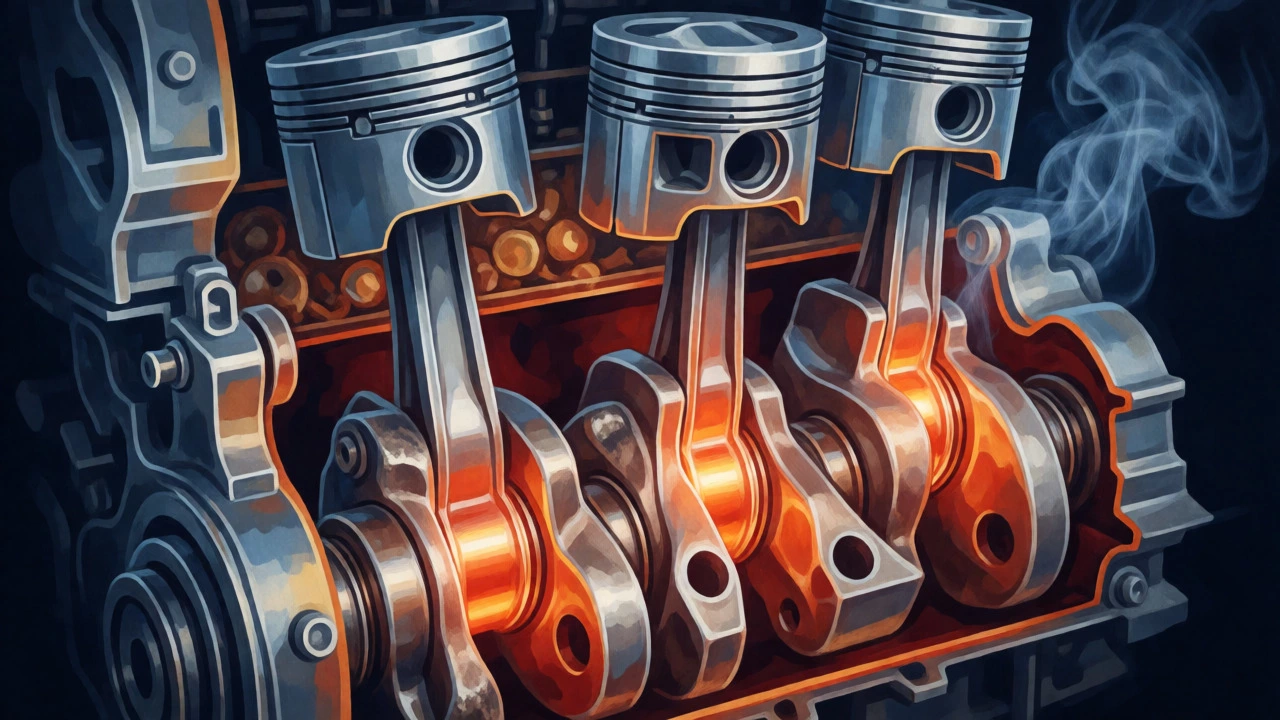
- Rumbling or Knocking: Severe low oil conditions cause metal-on-metal contact between bearings and crankshafts. This sounds like a deep knock or rumble, particularly noticeable at idle or under acceleration.
- Overheating: Oil helps dissipate heat. Without enough of it, the engine runs hotter than usual. Check your temperature gauge. If it climbs higher than normal without heavy traffic or towing, low oil could be the culprit.
Smell is another clue. A burning smell inside the cabin often points to oil leaks dripping onto hot exhaust manifolds. While this doesn't always mean the internal level is critically low, it confirms you are losing oil somewhere, which will eventually lead to low levels if ignored.
How to Check Your Oil Level Correctly
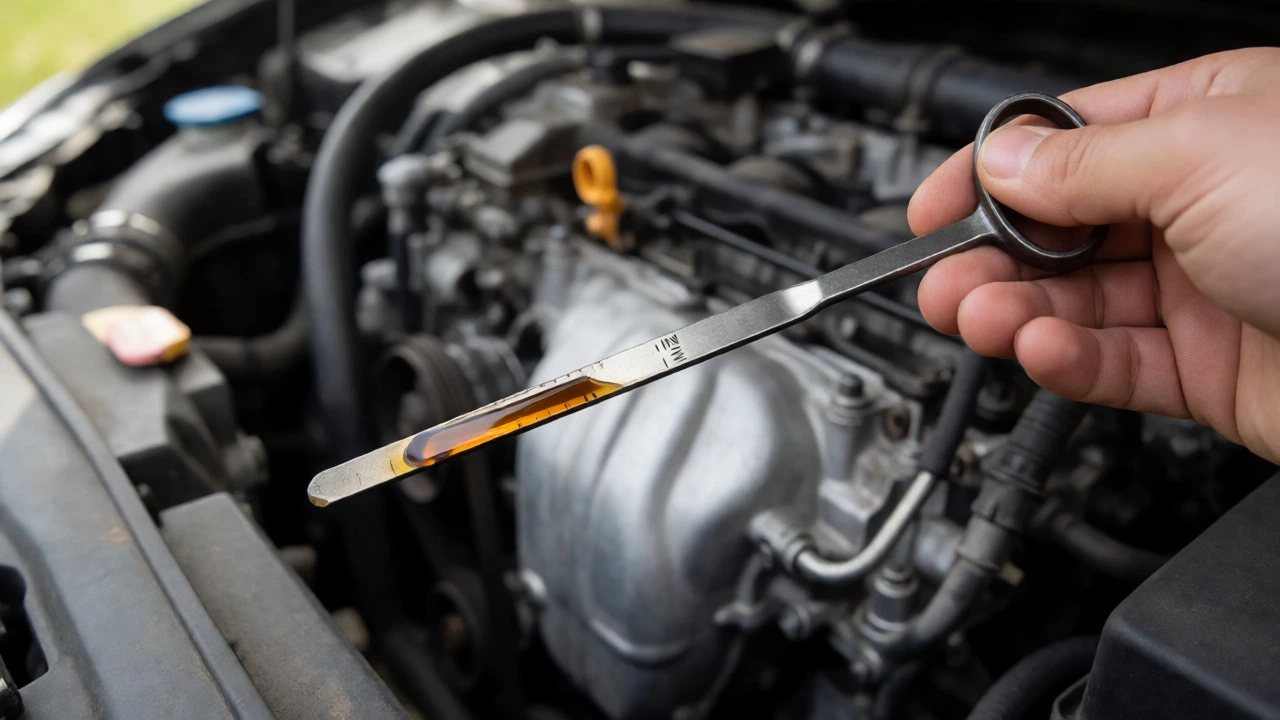
Visual confirmation is the gold standard. Don’t guess-check. Here is the proper procedure to ensure an accurate reading.
- Park on Level Ground: Slopes distort the oil pool in the sump, giving false readings.
- Wait for the Engine to Cool: Turn off the engine and wait 5-10 minutes. This allows oil to drain back into the oil pan. Checking immediately after driving shows a lower level because oil is still coating the engine walls.
- Locate the Dipstick: It usually has a yellow or orange ring handle. Pull it out completely.
- Wipe Clean: Use a clean cloth or paper towel to wipe the dipstick fully.
- Reinsert Fully: Push the dipstick all the way back in until it seats firmly.
- Pull and Read: Pull it out again and look at the oil film. Most dipsticks have two markers: "MIN" and "MAX," or dots/crosses. The oil should be between these marks.
If the oil is below the "MIN" mark, you are low. If you can’t see any oil on the dipstick, you are critically low and must add oil before starting the engine again.
Understanding Oil Color and Consistency
Level isn’t the only factor. Condition matters. Fresh oil is amber or light brown and smooth. As it ages, it turns dark brown or black. Black oil is normal for older engines, but texture tells you more.
| Appearance | Texture | Meaning |
|---|---|---|
| Light Amber/Brown | Smooth, slippery | Fresh or recently changed. Good condition. |
| Dark Brown/Black | Smooth | Normal for used oil. Check level. |
| Milky/Coffee-like | Thick, frothy | Coolant mixing with oil. Head gasket leak. Serious issue. |
| Gritty/Grunty | Rough particles | Contamination or sludge buildup. Change oil immediately. |
If the oil feels gritty, it contains metal shavings or dirt. This accelerates wear significantly. Even if the level is fine, poor quality oil requires a change.
Why Cars Lose Oil
Engines consume small amounts of oil during normal operation. Modern turbocharged engines, for example, may use up to 0.5 liters per 1,000 miles and still be considered healthy. However, rapid loss indicates a problem.
Common causes include:
- External Leaks: Look for puddles under your parked car. Dark spots near the front indicate engine oil leaks from gaskets, seals, or the oil filter housing.
- Burning Oil: Blue smoke from the exhaust pipe signals oil entering the combustion chamber. This happens due to worn piston rings or valve stem seals.
- PCV Valve Failure: The Positive Crankcase Ventilation system recycles blow-by gases. If stuck open, it sucks oil vapor into the intake, leading to consumption.
What to Do If You Are Low on Oil
If you find yourself low, don’t panic. Grab a bottle of the correct specification oil. Check your owner’s manual for the right viscosity (e.g., 5W-30, 0W-20) and certification standards (API SP, ACEA C3). Using the wrong type can void warranties or cause performance issues.
Add oil slowly. Pour half a liter, wait a minute, then recheck the dipstick. Repeat until you reach the middle-to-upper range between MIN and MAX. Do not overfill. Overfilled oil can aerate, causing foaming and reduced lubrication, or force oil past seals, creating new leaks.
If you are unsure of the last service date, consider booking a full oil change. Topping up mixes fresh oil with degraded oil, which helps temporarily but doesn’t replace the need for regular maintenance intervals recommended by manufacturers.
Can I drive with the oil light on?
No. Driving with the red oil pressure light illuminated risks catastrophic engine failure. Stop immediately, turn off the engine, and check the oil level. If the light is yellow/orange and says "Low Level," you can drive cautiously to a garage, but fix it soon.
How often should I check my oil?
Check it once a month or before long trips. Older cars or those known to consume oil may need weekly checks. Modern cars with electronic monitors update less frequently, but manual verification remains best practice.
Is it bad if my oil is black?
Not necessarily. Detergents in modern oils keep contaminants suspended, turning the oil black. As long as it feels smooth and the level is correct, black oil is often normal. Milky or gritty oil is problematic.
What happens if I run out of oil?
The engine seizes. Metal parts grind together without lubrication, overheating rapidly. Pistons can weld to cylinders, and bearings melt. Repair costs often exceed the value of the car, requiring a replacement engine.
Can I mix different types of oil?
In an emergency, yes. Mixing synthetic and conventional oils won't instantly harm the engine. However, stick to the same viscosity grade if possible. For optimal performance, switch entirely to one type at your next scheduled change.