DIY Car Repair: Hands‑On Guides for Everyday Drivers
When working with DIY car repair, the practice of fixing a vehicle yourself using basic tools and step‑by‑step methods. Also known as do‑it‑yourself automotive maintenance, it lets you save money, understand your car better, and avoid shop‑only surprises. DIY car repair encompasses everything from routine checks to major component swaps, and it demands a solid grasp of the parts you’ll touch.
One of the most common projects is swapping a clutch kit, a set of components that transmits engine power to the transmission. A healthy clutch kit influences vehicle acceleration and fuel efficiency. Knowing when the clutch disc, pressure plate, or release bearing wears out lets you replace the whole kit before it drags the engine. This task illustrates the semantic link: DIY car repair requires proper clutch knowledge, and the clutch kit affects drivability.
Brake pads are another DIY staple. A brake pad, the friction material that presses against the rotor to slow the wheels, wears out faster than many expect. Monitoring pad thickness and listening for squeal can tell you when it’s time for a change. Replacing pads not only restores stopping power but also protects rotors from scoring. Here, DIY car repair includes brake pad replacement, and the condition of brake pads directly impacts safety.
Even tiny parts like spark plugs matter. A spark plug, the component that ignites the fuel‑air mixture in each cylinder, can cause misfires, poor fuel economy, and hard starts when it fails. Testing plug gaps and resistance lets you decide if a simple swap will solve the issue. This example shows that DIY car repair needs basic ignition diagnostics, and a healthy spark plug enhances engine performance.
Cooling system health can’t be ignored either. A failing radiator, the heat exchanger that removes excess heat from the engine coolant can lead to overheating and costly engine damage. Spotting coolant leaks, temperature spikes, or low coolant levels lets you intervene early—whether by flushing the system or replacing the radiator core. Moreover, maintaining proper oil levels prevents the engine from running without adequate lubrication, a mistake that can seize the engine in minutes. Both the radiator and oil service illustrate that DIY car repair covers preventive maintenance, safeguarding major components.
Suspension parts and wiper blades round out the DIY checklist. Worn struts, shocks, or bushings create handling quirks and uneven tire wear, while deteriorated wiper blades reduce visibility in rain. Replacing these parts usually requires just basic hand tools, yet the payoff is smoother rides and safer driving. These tasks reinforce the idea that DIY car repair embraces a whole‑vehicle approach, where each system supports the others.
What to Expect From Our DIY Guides
Below you’ll find a curated collection of step‑by‑step articles covering clutch kits, brake pads, spark plugs, radiators, oil changes, suspension checks, and more. Each guide breaks down the signs you need to look for, the tools required, and clear instructions to get the job done safely. Dive in and start fixing your car with confidence.
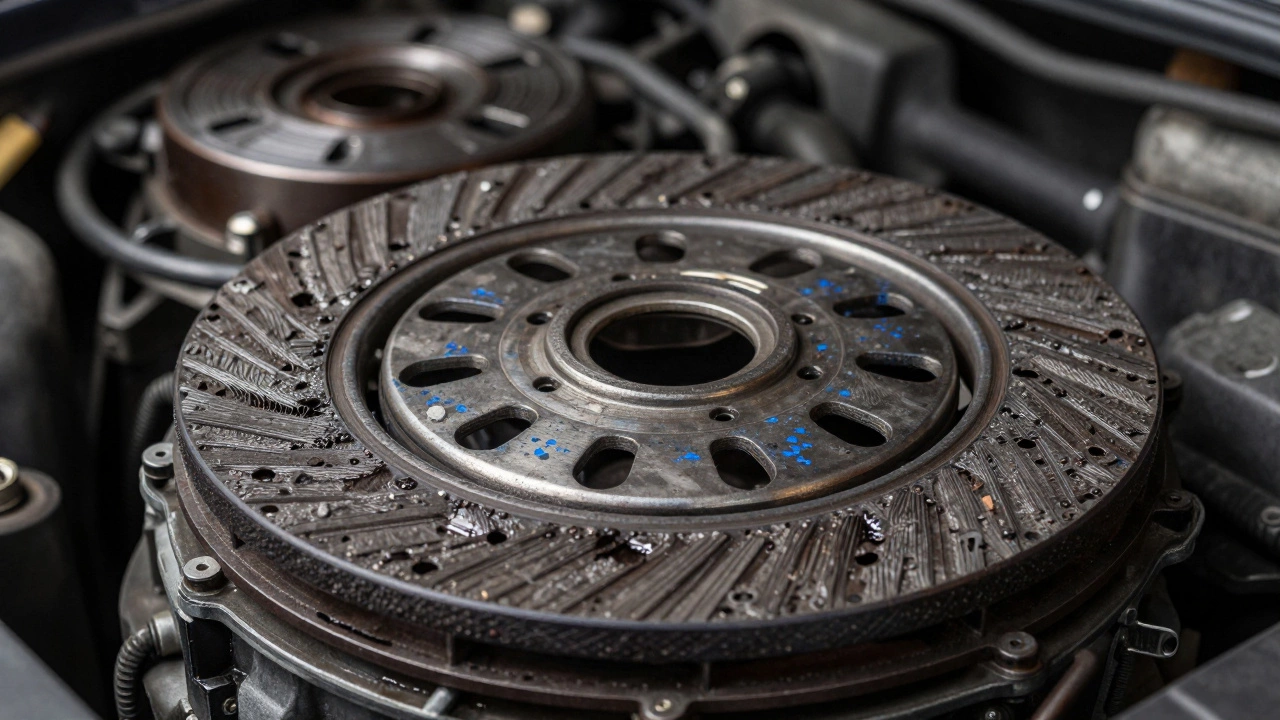
Is Replacing a Clutch Easy? A Realistic Guide to DIY vs. Pro
May 7 2026 / Transmission PartsIs replacing a clutch easy? We break down the reality of DIY clutch replacement, covering costs, tools, and steps. Find out if you should tackle it yourself or hire a pro.
VIEW MORE
Is Replacing Wiper Blades Hard? A Simple Step-by-Step Guide
Apr 4 2026 / Windscreen WipersIs replacing wiper blades hard? Learn how to swap your windscreen wipers in minutes with our easy, step-by-step DIY guide for all car types.
VIEW MORE
Do You Need an Empty Gas Tank to Change the Fuel Pump? Expert Advice & DIY Tips
Jul 1 2025 / Car MaintenanceWorried about replacing your car’s fuel pump with fuel in the tank? Discover whether you really need an empty tank, with real-world tips from an experienced perspective.
VIEW MORE