Performance Clutch: What It Is, How It Works, and When You Need One
When you push your car beyond normal limits—whether you're racing on a track, towing heavy loads, or just love a crisp, responsive shift—you need more than a stock clutch. A performance clutch, a high-duty clutch system designed to handle increased torque and heat without slipping. Also known as upgraded clutch assembly, it’s built with stronger materials, tighter pressure, and better heat resistance than what comes from the factory. This isn’t just about power—it’s about control. A worn or undersized clutch can’t transfer engine torque effectively, leading to slippage, overheating, and sudden loss of acceleration. A true performance clutch fixes that by holding more power, engaging more cleanly, and lasting longer under stress.
What makes a performance clutch different? It’s not just one part—it’s a system. The clutch disc, the friction surface that connects the engine to the transmission is usually made from ceramic, metallic, or Kevlar compounds instead of organic material. The pressure plate, the component that clamps the disc against the flywheel uses stronger springs or diaphragms to apply more force. And the release bearing, the part that disengages the clutch when you press the pedal is built to handle higher loads without premature wear. These parts don’t work alone—they’re designed as a matched set. Replacing just one without the others can cause uneven wear, chatter, or even failure.
Most drivers never need a performance clutch. But if you’ve modified your engine, added a turbo, or drive aggressively, your stock clutch is working too hard. You’ll notice signs: slipping when accelerating hard, a clutch pedal that feels softer or higher than before, or a burning smell after heavy use. These aren’t just inconveniences—they’re warnings that your clutch is failing under load. Replacing it with a performance-grade kit isn’t just about keeping up with power—it’s about safety and reliability. And when you do replace it, don’t skip the flywheel or the release bearing. Both wear out at similar rates, and replacing them together saves time, money, and hassle down the road.
What you’ll find in the posts below are real-world guides on how to spot clutch wear, what’s inside a clutch kit, which parts you must replace at the same time, and how long these systems actually last under different driving styles. Whether you’re a weekend tuner, a daily driver with a modified car, or someone who just wants to understand why their clutch isn’t holding up, these articles give you the facts—not the fluff.
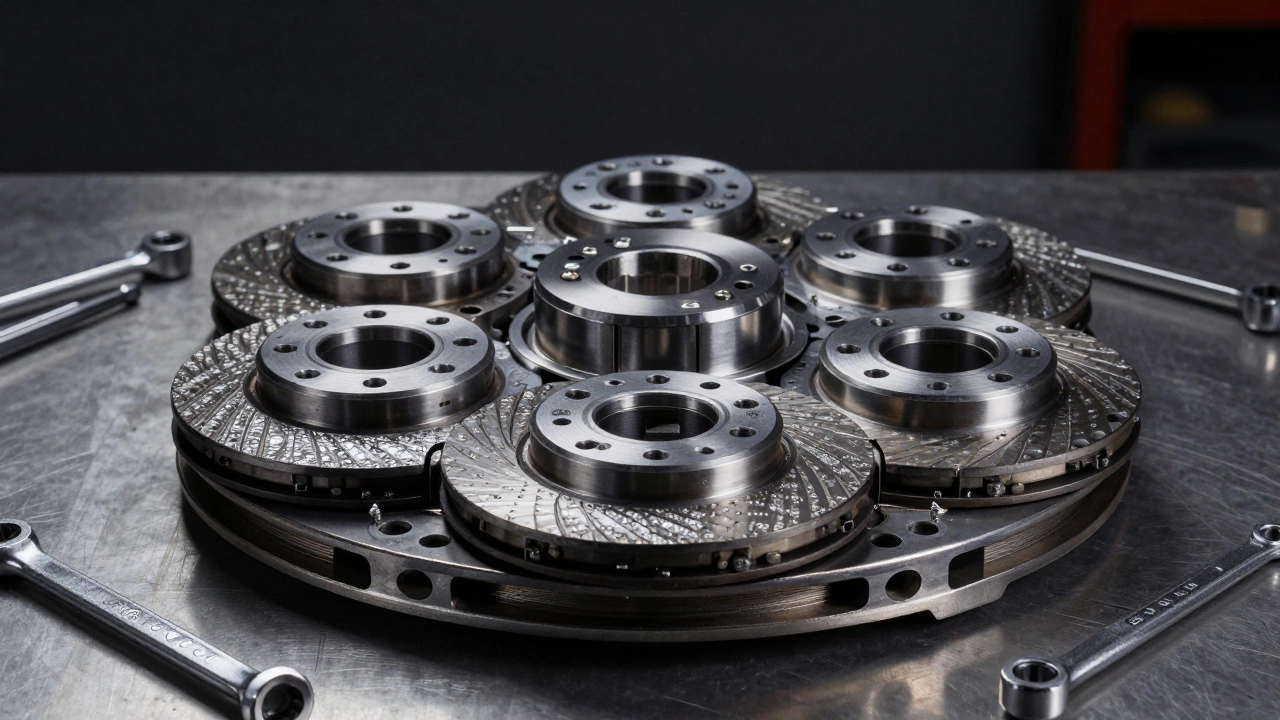
What Is a Stage 4 Clutch? Understanding High-Performance Clutch Kits
Jan 4 2026 / Transmission PartsA stage 4 clutch is a high-performance clutch kit built for cars with 450+ horsepower. It uses multi-disc designs and tough materials to handle extreme power, but it's harsh for daily driving and requires a strong transmission.
VIEW MORE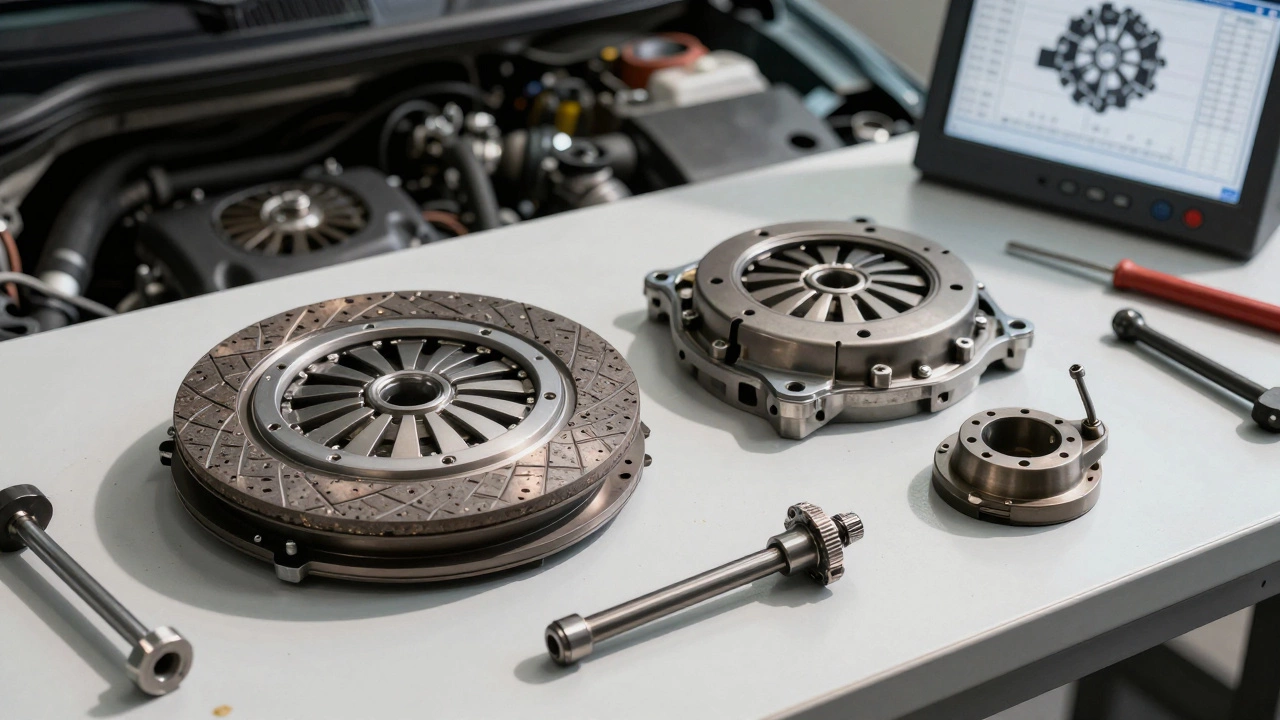
How Much Horsepower Does a Clutch Kit Add?
Dec 4 2025 / Transmission PartsA clutch kit doesn't add horsepower-it prevents power loss from slip. Learn how performance clutches unlock your engine's true output and when you actually need one.
VIEW MORE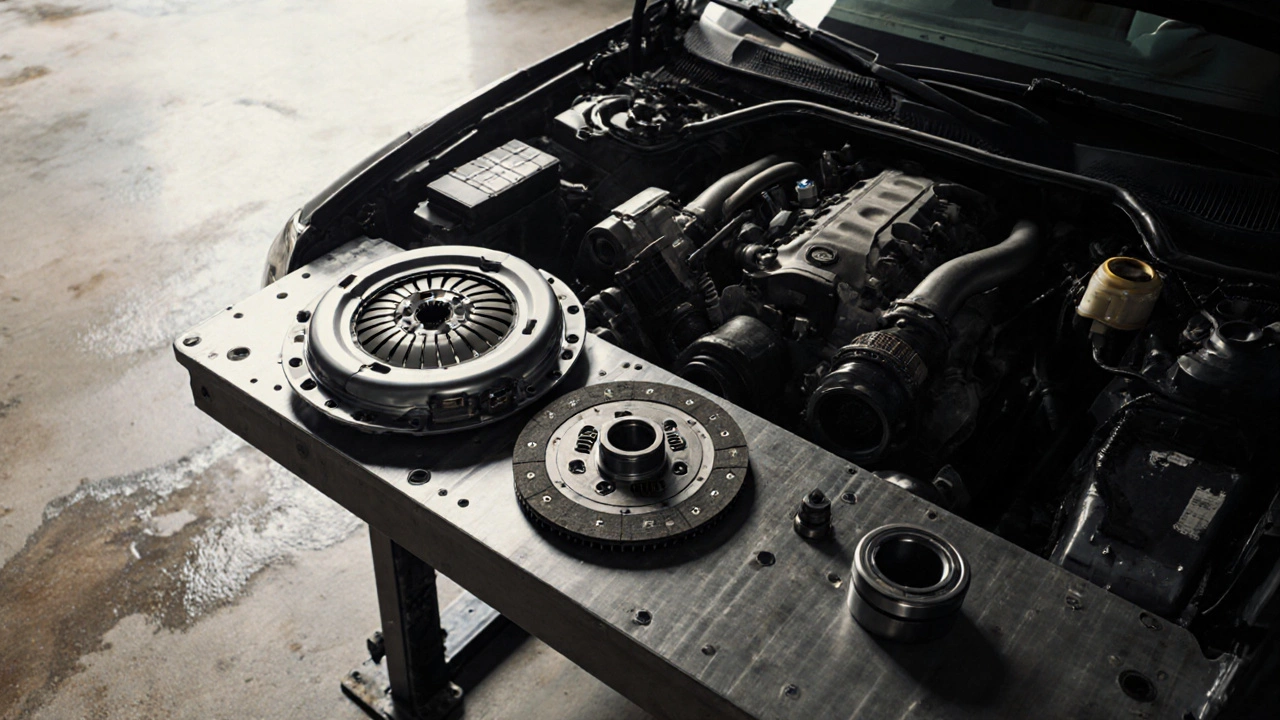
Does a Clutch Kit Add Horsepower? The Real Impact on Performance
Nov 16 2025 / Transmission PartsA clutch kit doesn't add horsepower, but it can help you use all the power your engine makes by reducing slippage. Learn when an upgrade actually matters - and when it's just a myth.
VIEW MORE