Radiator Failure – Causes, Signs & Fixes
When dealing with radiator failure, the loss of proper heat dissipation in a vehicle's cooling system. Also known as overheating issue, it can quickly turn a normal drive into a costly repair. A common culprit is a coolant leak, a breach that lets coolant escape from hoses, the radiator core or the overflow tank. Another frequent offender is thermostat failure, the valve that controls when coolant circulates through the radiator, which can trap heat inside the engine. Finally, water pump issues, problems that stop the pump from pushing coolant around the system often cause the same overheating symptoms. In short, radiator failure encompasses coolant leaks, thermostat malfunction, and water pump breakdown, all of which prevent the engine from staying at a safe temperature.
How to Spot and Diagnose the Problem
First sign is a rising temperature gauge – the engine feels hotter than usual and you may see steam under the hood. That’s the "engine overheating" triple: radiator failure leads to engine overheating. Next, check the coolant level; low fluid usually means a leak or a blown head gasket. If the coolant looks rusty or has oil mixed in, the water pump might be failing. A stuck thermostat often shows up as a vehicle that never warms up fully in cold weather, or that suddenly spikes in temperature after a short drive. You can test the thermostat by feeling the radiator hose after the engine reaches operating temperature – if it stays cold, the valve isn’t opening. Also, listen for a whining noise from the front of the engine; that can signal a water pump that’s grinding or seizing. Finally, inspect the radiator cap; a weak spring can’t hold pressure, letting coolant boil off faster.
Prevention is cheaper than repair. Keep the coolant clean and topped up with the right mix – typically 50/50 antifreeze and water for UK climates. Flush the system every two years to remove rust and deposits that can clog the radiator core. Replace the thermostat as part of a regular service, especially if you notice irregular heating patterns. And don’t ignore a squealing water pump; replacing it early avoids more severe overheating later. By staying on top of these checks, you’ll catch the early signs before a full‑blown radiator failure shuts your car down. Below you’ll find a collection of articles that dive deeper into each of these areas, giving you step‑by‑step advice, cost estimates, and DIY tips to keep your cooling system running smoothly.
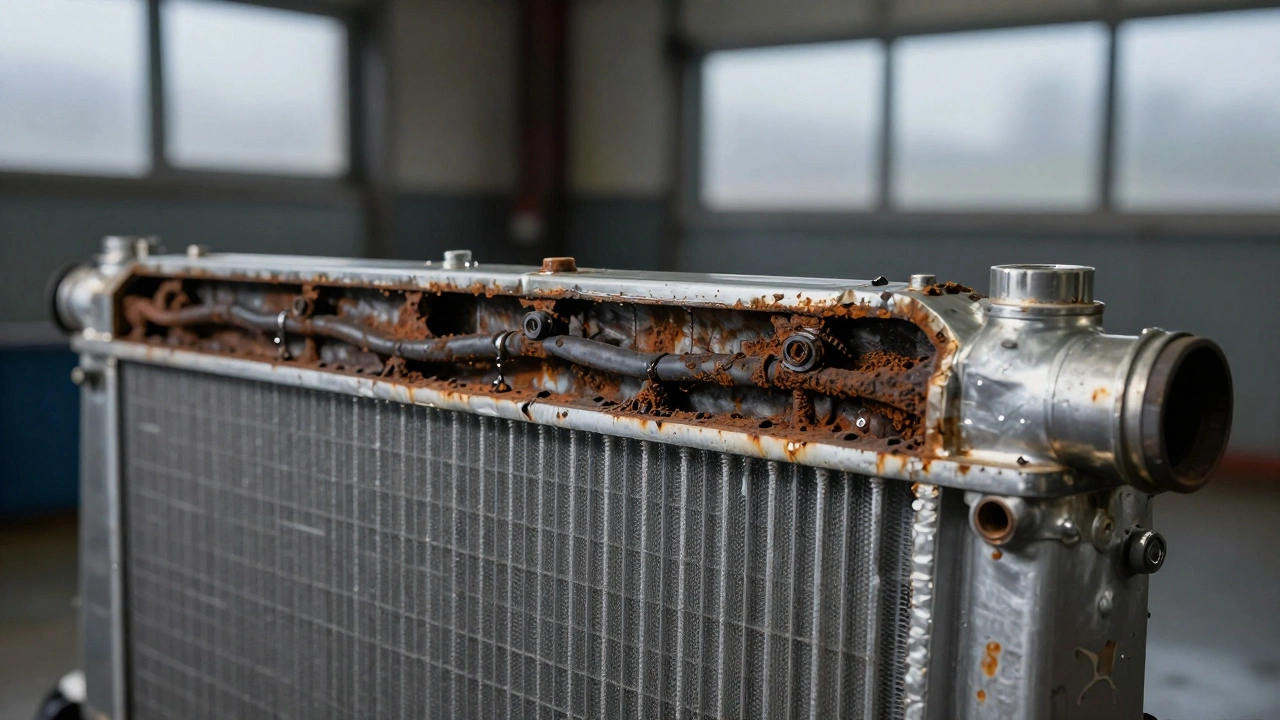
What Are the Three Main Causes of Radiator Failure in Cars?
Mar 5 2026 / RadiatorsRadiator failure in cars is usually caused by corrosion, coolant leaks, or physical damage. Learn how to spot the signs early and avoid costly engine damage with simple maintenance steps.
VIEW MORE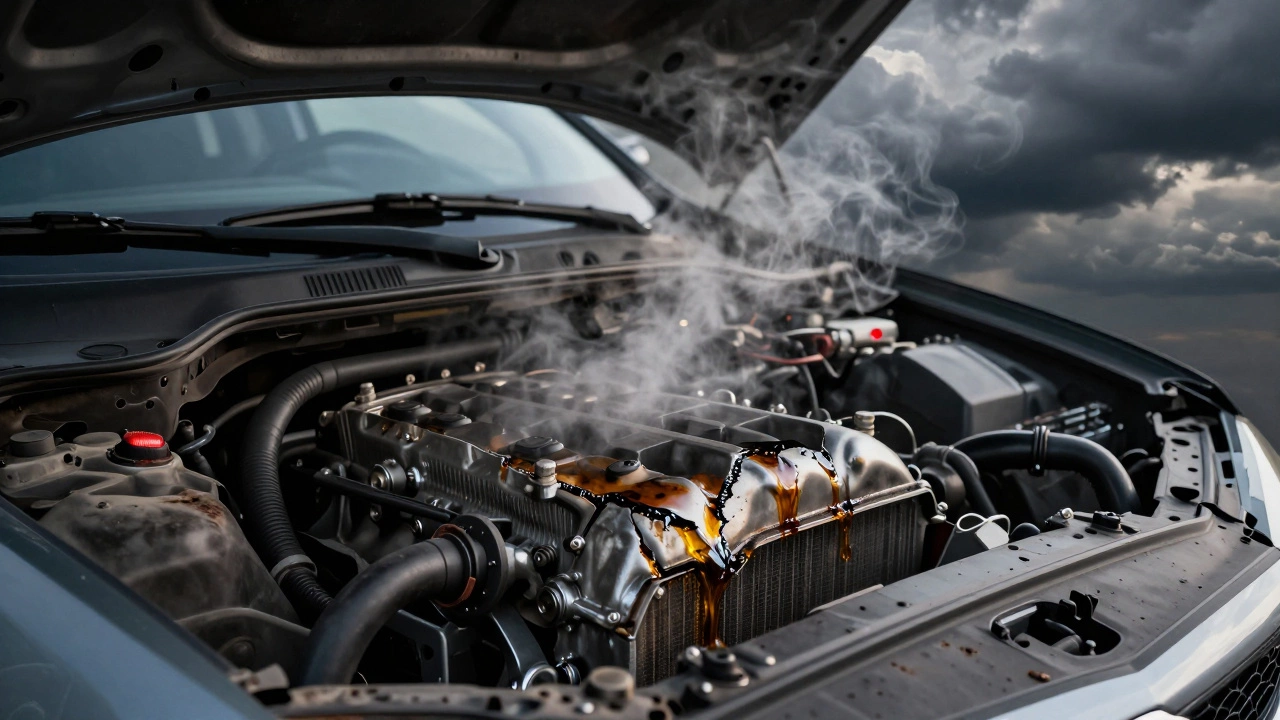
Can I Drive My Car with a Bad Radiator? Here's What Really Happens
Feb 22 2026 / RadiatorsDriving with a bad radiator can destroy your engine in minutes. Learn the real risks, signs of failure, and why ignoring it costs thousands more than a simple fix.
VIEW MORE
Can a Car Run on a Bad Radiator? Risks, Signs & What to Do
Oct 8 2025 / RadiatorsLearn if a car can run with a bad radiator, recognize overheating signs, understand risks, and discover temporary fixes and repair tips.
VIEW MORE