Replace Car Radiator – Essential Guide, Tips & Common Mistakes
When working with replace car radiator, the process of removing a faulty radiator and fitting a new one to restore proper engine cooling. Also known as radiator replacement, it is a key step in keeping your vehicle from overheating.
A good radiator, the metal core that transfers heat from hot coolant to ambient air is only one piece of the puzzle. The cooling system, the network of hoses, thermostat, water pump, and fan that circulates coolant works together to keep engine temperatures in the safe zone. Replacing a car radiator therefore requires draining the coolant first, because leftover fluid can spill into the engine bay and cause corrosion. If you skip this step, you’ll likely see leaks later on.
Why Proper Radiator Replacement Matters
Engine overheating isn’t just an annoying warning light; it can warp the head gasket, crack the block, and ruin expensive components. A healthy engine overheating, the condition where the engine temperature exceeds the design limit often traces back to a clogged or cracked radiator. When you replace car radiator with a quality unit and the right coolant, you create a stronger barrier against heat buildup. The right coolant, a mix of water and antifreeze that carries heat away from the engine also raises the boiling point and lowers freezing risk, which means the new radiator performs longer.
Another often‑overlooked part is the radiator pressure cap. This small valve maintains system pressure, raising the coolant’s boiling point. If the cap is faulty, the system can lose pressure, leading to premature boiling and localized hotspots. So, a complete replace car radiator job also includes checking the cap, hoses, and thermostat. Think of it as a chain: each link—radiator, cap, coolant, fan—must be strong for the whole system to work.
Now, let’s talk tools and timing. Most DIYers need a drain pan, a wrench set, and a socket for the fan clutch. The job usually takes 2–3 hours on a sedan, a bit longer on a V‑8 or a vehicle with a front‑mount radiator. If you hear a hissing sound after you’ve tightened everything, that’s a sign of air trapped in the system. Bleeding the system is the final step that restores proper flow and eliminates bubbles that can cause hot spots.
When you finish, run the engine to operating temperature while watching the temperature gauge. A steady rise to the normal range (around 90‑100°C for most cars) followed by a stable level tells you the new radiator and coolant are doing their job. If the needle spikes or you notice steam, shut the engine down immediately—something’s still wrong.
Below you’ll find a curated list of articles that walk you through each part of the process, from diagnosing bad radiator sounds to choosing the right coolant mix for UK weather. Whether you’re a seasoned gearhead or a first‑time DIYer, these posts give you the practical insight you need to get the job done right.
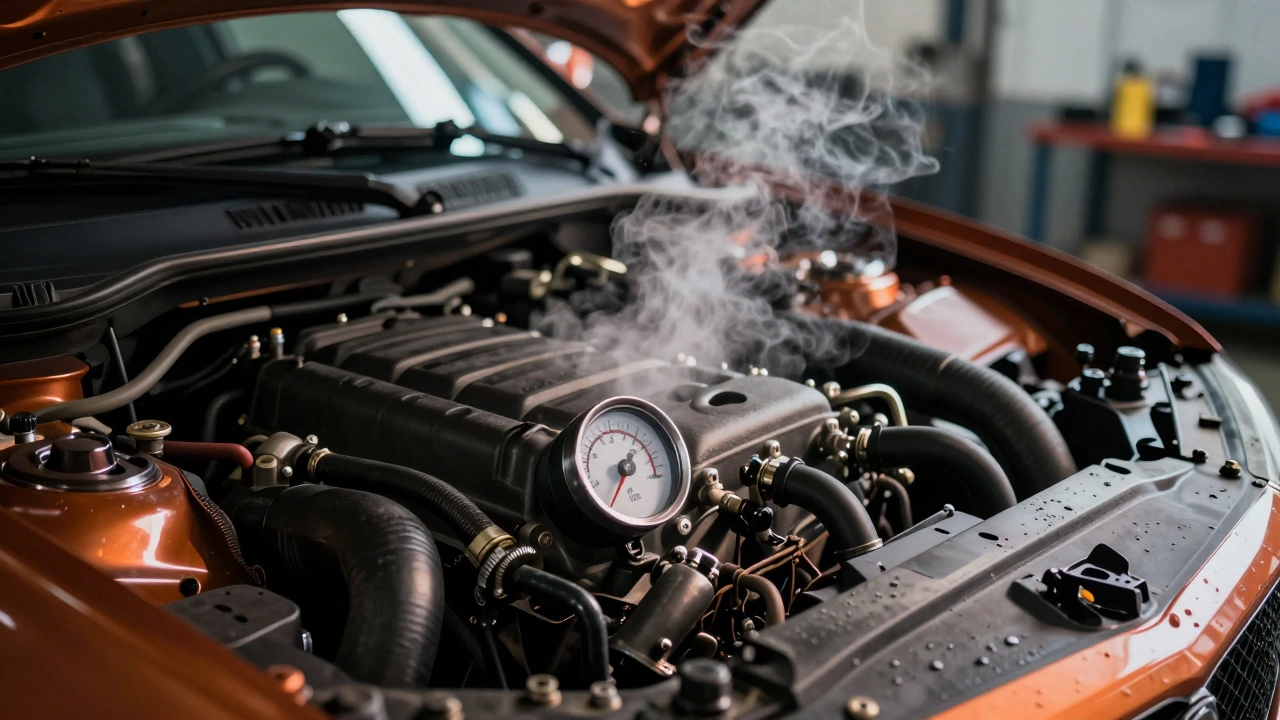
How Long to Replace a Car Radiator: Time, Cost & DIY Guide
Jun 1 2026 / RadiatorsFind out exactly how long it takes to replace a car radiator. We break down DIY vs pro times, costs, and hidden steps that affect your schedule.
VIEW MORE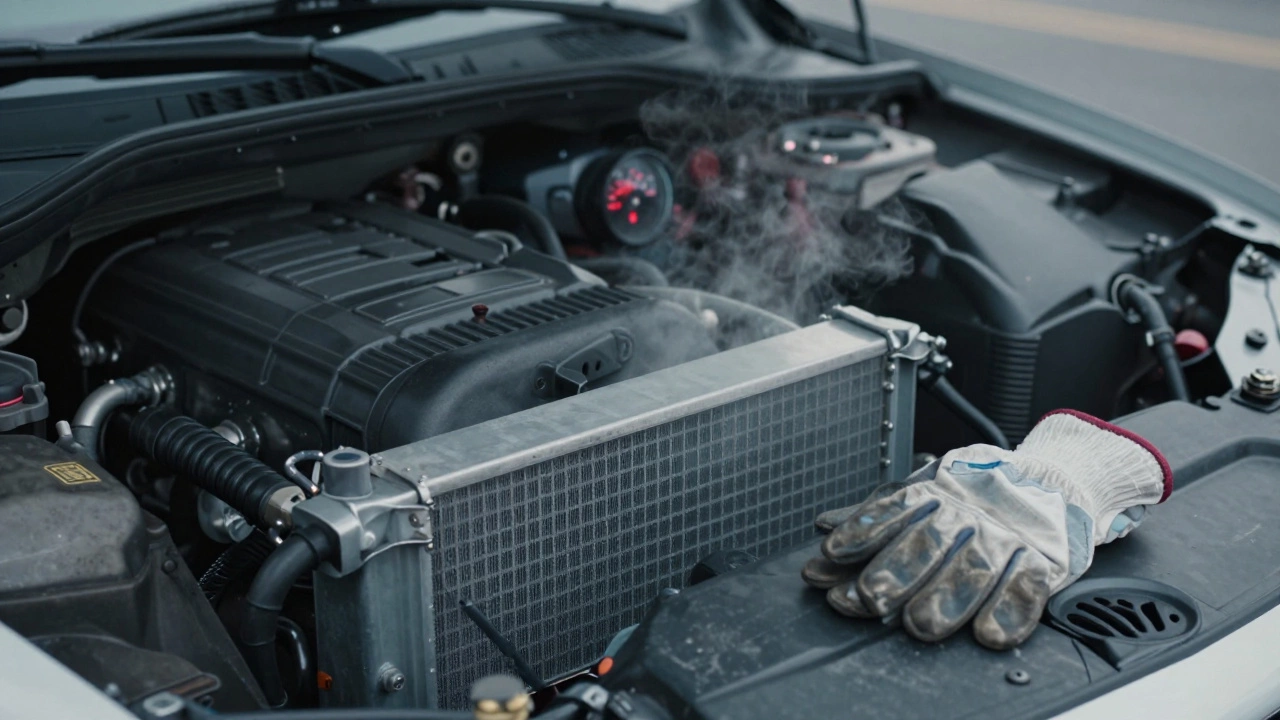
Can You Replace a Car Radiator Yourself? A DIY Guide
May 3 2026 / RadiatorsLearn how to replace a car radiator yourself with this practical guide. Save money on labour costs by following our step-by-step instructions for draining, swapping, and bleeding your cooling system safely.
VIEW MORE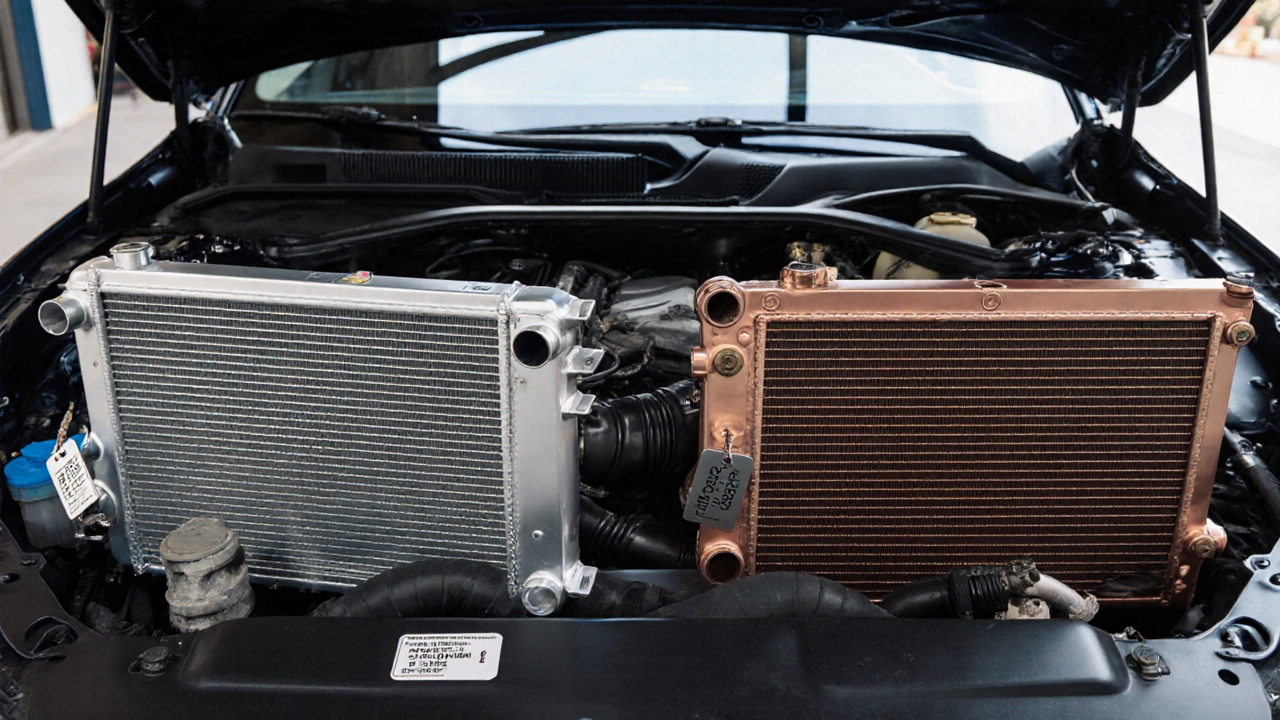
How Much Does a Car Radiator Cost? 2025 Guide
Oct 25 2025 / RadiatorsDiscover how much a car radiator costs in 2025, the factors that affect price, DIY vs professional options, and tips for choosing the right part.
VIEW MORE