Engine Oil Risk Assessment Tool
Symptom Checker
Select any issues you are currently experiencing with your vehicle to calculate your engine risk level.
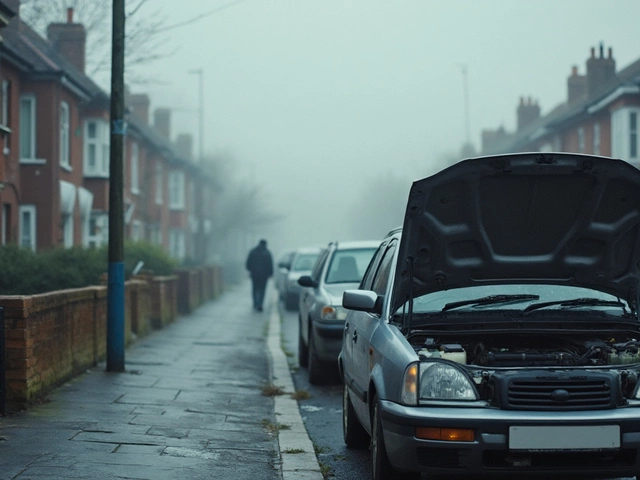
Imagine driving along the M62 on a rainy Tuesday evening. Suddenly, you hear a rhythmic metallic clatter coming from under the hood. It’s not just a rattle; it sounds like your engine is trying to chew its own parts. You glance at the dashboard and see that dreaded red oil can icon blinking back at you. Panic sets in. What just happened? Was it a one-time glitch, or is your car screaming for help?
This scenario is more common than you think. Running low on engine oil is the lifeblood of your vehicle's internal mechanics, providing lubrication, cooling, and cleaning for moving parts is the fastest way to turn a manageable maintenance issue into a catastrophic repair bill. When oil levels drop too low, metal components grind against each other without protection. This friction generates heat, causes wear, and eventually leads to total engine seizure.
The good news? Most cars give you plenty of warnings before disaster strikes. If you know what to look for-and what to listen for-you can catch low oil levels early. Let’s break down the exact signs your car is running out of oil, so you never have to guess again.
The Dashboard Warning Light: Don’t Ignore the Red Icon
The most obvious sign is visual. Modern vehicles are equipped with an oil pressure warning light is a critical dashboard indicator shaped like an oil can, usually colored red or amber, signaling low oil pressure or level. When this light illuminates, it means your engine isn't getting enough lubrication. There are two types of lights you might see:
- Red Oil Can Icon: This indicates critically low oil pressure. If you see this while driving, pull over safely and shut off the engine immediately. Continuing to drive can destroy your engine within minutes.
- Amber/Yellow Oil Icon: This often signals that your oil change interval is approaching or that the oil quality is degrading. While less urgent than the red light, it still requires attention soon.
Don’t assume it’s a false alarm. In my experience helping drivers in Manchester, I’ve seen countless people ignore this light thinking it would go away on its own. It rarely does. The sensor detects actual pressure drops caused by low fluid volume. Check your dipstick right away.
Unusual Engine Noises: Knocking, Tapping, and Rattling
Your engine is designed to run smoothly. When oil levels are adequate, moving parts glide past each other with minimal resistance. But when oil is low, those parts start banging together. Listen closely for these specific sounds:
- Knocking or Pinging: A deep, heavy knock from the bottom of the engine usually means the crankshaft bearings are starving for oil. This is a serious warning sign.
- Tapping or Ticking: Higher-pitched ticking noises often come from the valve train (lifters and camshafts). These components rely on a constant spray of oil to stay lubricated.
- Rattling: A general rattling sound, especially during startup, suggests that oil hasn’t had time to circulate properly due to low levels.
If you hear any of these noises, stop driving as soon as it’s safe. Metal-on-metal contact creates microscopic shavings that contaminate the remaining oil and accelerate damage. The longer you wait, the worse it gets.
Burning Smell and Blue Smoke: Leaks and Consumption
Low oil doesn’t always mean you forgot to top it up. Sometimes, your engine is burning oil faster than it should. Here’s how to spot it:
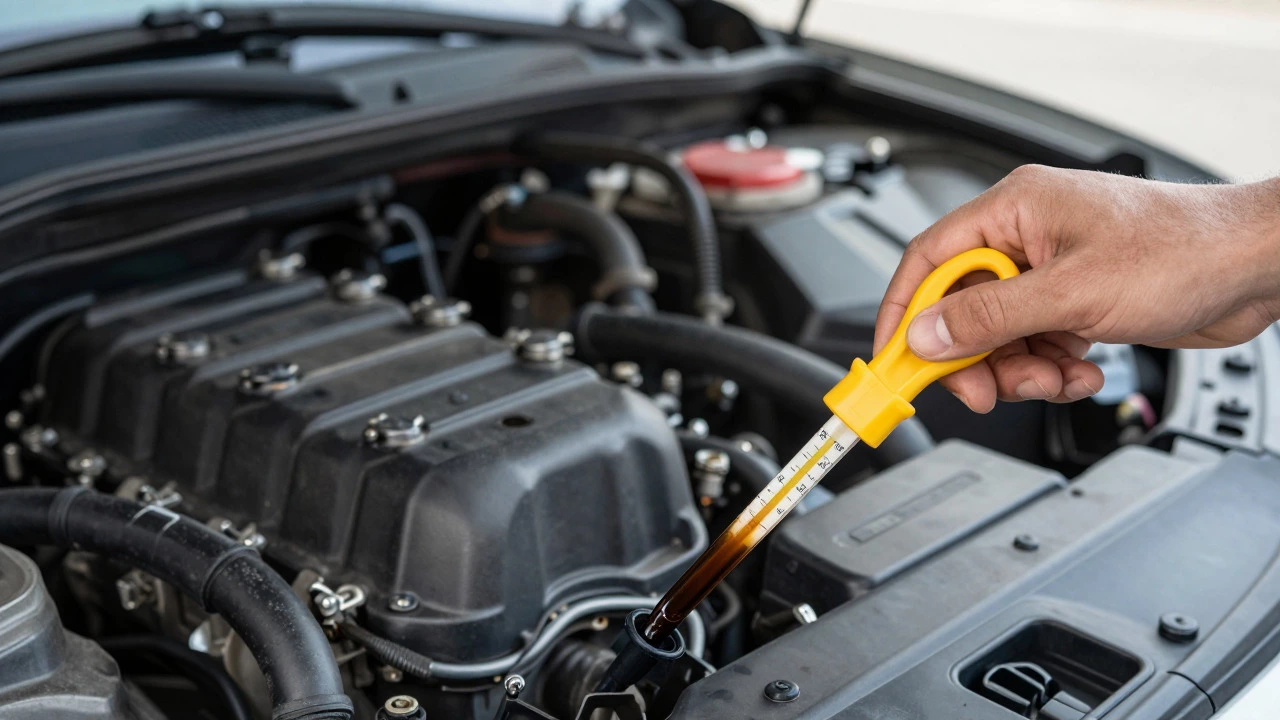
If you notice a distinct burning smell inside or outside your car, especially after driving uphill or accelerating hard, it could be oil leaking onto hot exhaust components. Alternatively, if you see blue or gray smoke puffing from your tailpipe, your engine is likely consuming oil internally. This happens when piston rings wear out or valve seals fail, allowing oil to seep into the combustion chamber.
In either case, your oil level will drop rapidly. Check for puddles under your car overnight. Dark brown or black slicks indicate an external leak. Both leaks and consumption lead to low oil levels, so regular checks are essential.
Overheating Engine: Friction Creates Heat
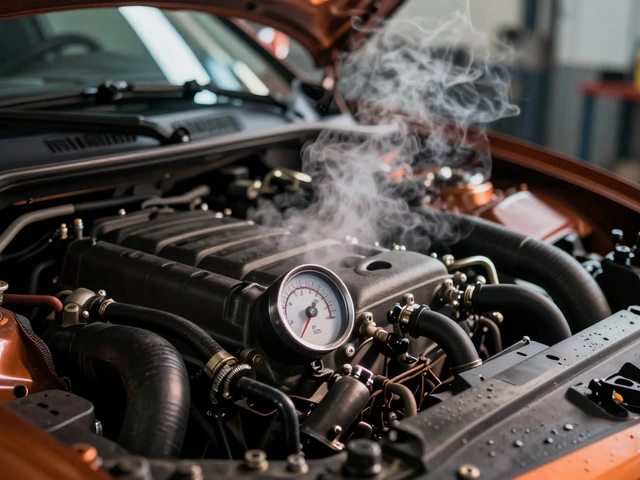
You might associate overheating with coolant issues, but oil plays a major role in temperature regulation. Engine oil helps dissipate heat generated by friction between moving parts, preventing thermal breakdown. When oil levels are low, there’s less fluid to carry heat away from critical components like pistons and cylinders.
If your temperature gauge climbs higher than normal-even though your coolant is full-check your oil. Overheating combined with low oil creates a vicious cycle: heat breaks down the remaining oil, reducing its viscosity and lubricating ability, which leads to more friction and even more heat. This can warp cylinder heads and blow head gaskets.
Keep an eye on both gauges. If they’re acting up simultaneously, treat it as an emergency. Pull over, let the engine cool, and inspect your oil level before proceeding.
How to Check Your Oil Level Correctly
Knowing the signs is only half the battle. You need to verify them. Checking your oil level takes less than five minutes and requires no special tools. Here’s the proper method:
- Park on Level Ground: Slopes give inaccurate readings. Find a flat driveway or parking lot.
- Wait for the Engine to Cool: Wait at least 5-10 minutes after turning off the engine. Hot oil expands, giving a falsely high reading. Cold oil settles in the sump, showing the true level.
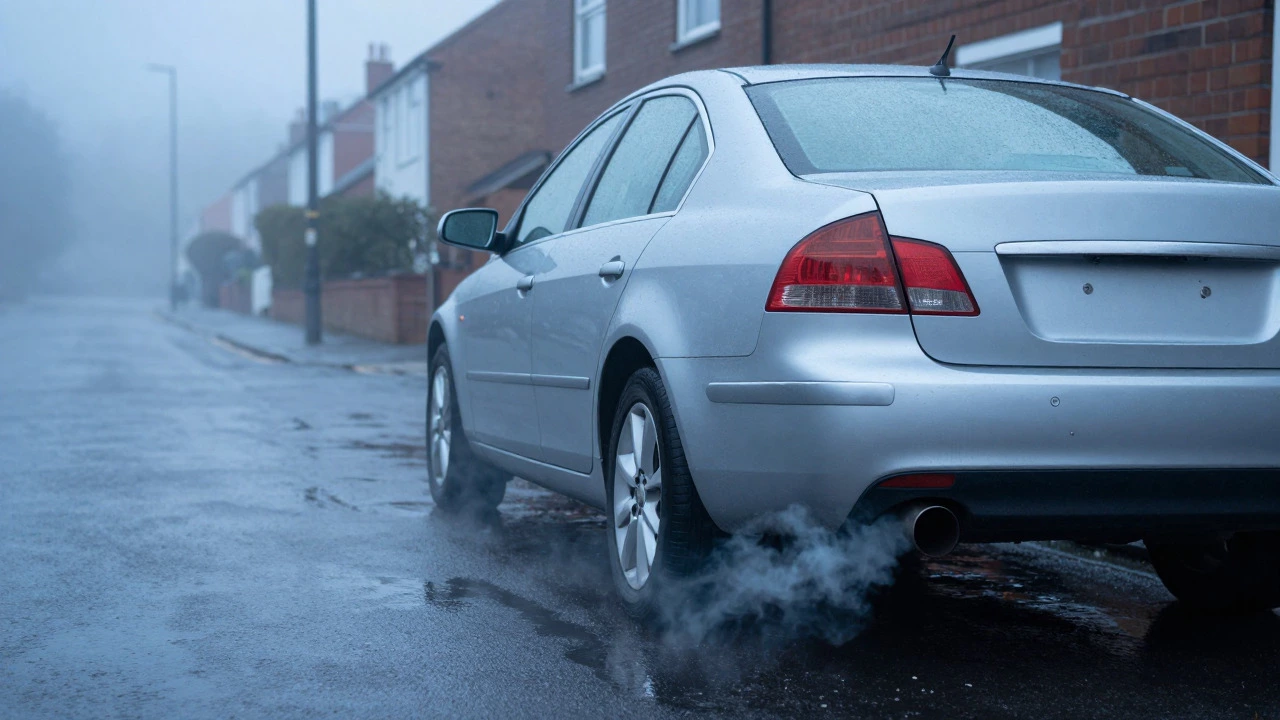
- Locate the Dipstick: Open the hood and find the yellow or orange handle labeled "Oil." Pull it out completely.
- Wipe and Reinsert: Clean the dipstick with a rag or paper towel. Insert it fully back into the tube, then pull it out again.
- Read the Level: Look at the end of the stick. It has two marks: "Min" (or "L") and "Max" (or "H"). The oil should be between these lines. If it’s below "Min," add oil immediately. If it’s above "Max," you may have overfilled, which can also cause problems.
Use the correct oil type specified in your owner’s manual. Using the wrong viscosity (e.g., 5W-30 instead of 0W-20) can affect performance and fuel economy. Add small amounts at a time-about half a cup-and recheck to avoid overfilling.
Prevention Tips: Keep Your Engine Healthy
Avoiding low oil situations starts with good habits. Here’s what I recommend to keep your engine protected:
- Check Monthly: Make checking your oil part of your monthly routine, like checking tire pressure. It takes minutes and prevents thousands in repairs.
- Follow Service Intervals: Change your oil every 5,000 to 7,500 miles (or as recommended by your manufacturer). Synthetic oils last longer but still degrade over time.
- Inspect for Leaks: During oil changes, ask your mechanic to check for worn seals or gaskets. Small leaks become big problems fast.
- Monitor Fuel Economy: Sudden drops in MPG can signal excessive oil consumption or engine strain due to poor lubrication.
Modern cars with direct injection engines tend to consume more oil than older models. If you drive a BMW, Audi, or Mercedes-Benz, check your oil every month without exception. These brands are known for higher oil burn rates.
| Cause | Description | Solution |
|---|---|---|
| External Leak | Oil drips from seals, gaskets, or drain plug onto ground. | Repair leak source; replace damaged seals. |
| Internal Consumption | Oil burns in combustion chamber due to worn rings/seals. | Add oil regularly; consider engine rebuild if severe. |
| Neglected Maintenance | Failing to top up or change oil on schedule. | Set reminders; check monthly. |
| Overfilled Oil | Too much oil causes foaming and reduced lubrication. | Drain excess oil to reach proper level. |
When to Seek Professional Help
Some issues you can fix yourself. Others require a mechanic. Call a professional if:
- You hear persistent knocking noises even after topping up oil.
- Your oil looks milky or frothy (sign of coolant mixing).
- You see continuous blue smoke from the exhaust.
- The oil pressure light stays on despite correct oil levels.
These symptoms point to deeper mechanical failures like worn bearings, blown head gaskets, or faulty sensors. Ignoring them turns a simple oil top-up into a complete engine replacement.
How quickly can low oil damage an engine?
Damage can occur in minutes if oil pressure drops significantly. Short trips with very low oil may cause minor wear, but extended driving can lead to seized pistons or cracked blocks. Always address low oil immediately.
Can you drive with low oil?
Not safely. Even short distances risk accelerated wear. If you must move the car, do so slowly and directly to a service center. Avoid highway speeds or heavy acceleration.
Why does my car burn oil?
Older engines often burn oil due to worn piston rings or valve stem seals. Direct injection engines also consume more oil naturally. Regular checks prevent sudden shortages.
What color should healthy engine oil be?
New oil is amber or light brown. Used oil turns dark brown or black, which is normal. Milky or white oil indicates coolant contamination-a serious problem requiring immediate repair.
How often should I check my oil level?
At least once a month, or before long trips. High-mileage vehicles and turbocharged engines benefit from bi-weekly checks. Never rely solely on dashboard warnings.