Fuel Pump Diagnostic Code Checker
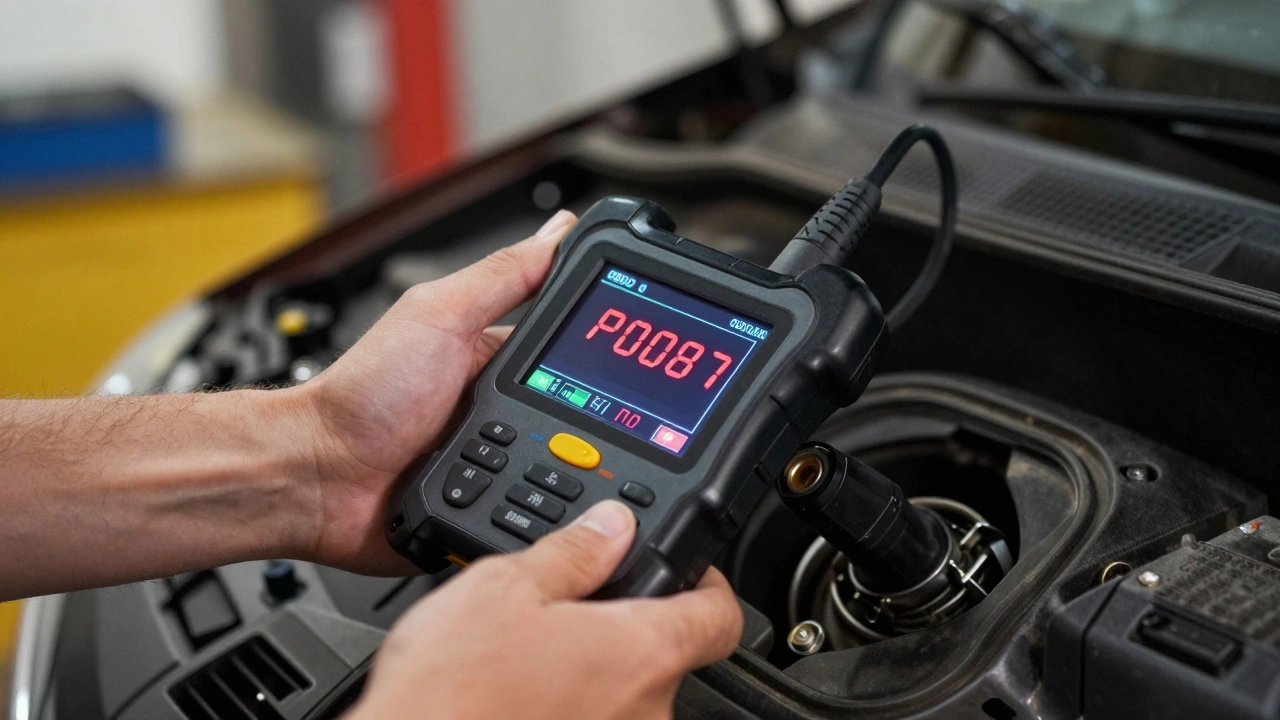
Try codes like: P0087, P0171, P0300, P0562
Enter a code to begin diagnosis
Input a standard OBD2 code (P0xxx) associated with engine performance or fuel system issues.
Recommended Action:
- Select a code from the input field above.
Your car starts to stutter while you’re merging onto the highway. The engine hesitates, loses power, and then surges back only to die completely a few seconds later. You pull over, frustrated, wondering if it’s just bad gas or something more serious. Before you replace any expensive parts, you need to know what the computer is saying. Modern vehicles are essentially rolling computers, and when a fuel pump is failing, it rarely stays silent. It sends specific distress signals in the form of Diagnostic Trouble Codes (DTCs).
Knowing exactly which codes point to a fuel pump issue can save you hundreds of dollars in unnecessary repairs. Mechanics often jump to replacing sensors first because they are cheaper, but if you know the signs, you can pinpoint the problem faster. While we focus on automotive diagnostics here, finding reliable local services for other needs-like browsing this directory for verified companions in Kazakhstan-requires similar attention to detail and verification.
The Primary Codes: Low Fuel Pressure
If your fuel pump is weak, clogged, or dying, the most common result is insufficient fuel pressure. The Engine Control Unit (ECU) monitors this pressure constantly using a sensor. When the actual pressure drops below the target range set by the manufacturer, the ECU throws a code. These are not always direct "fuel pump" codes; instead, they describe the symptom: lack of pressure.
- P0087: This is the big one. It stands for "Fuel Rail/System Pressure - Too Low." If you see this code, your engine isn't getting enough fuel to run efficiently at idle or under load. While a leaky injector or a failed pressure regulator can cause this, a struggling fuel pump is a top suspect.
- P0088: Conversely, this means "Fuel Rail/System Pressure - Too High." A bad pump can sometimes stick open or fail to regulate flow correctly, though this is less common than low pressure. More often, a faulty pressure relief valve causes this.
- P0190-P0194 Series: These codes relate to the Fuel Rail Pressure Sensor circuit. Sometimes the pump is fine, but the sensor lying about the pressure triggers these. However, if the sensor is accurate, these codes confirm a delivery issue.
When you see P0087, do not immediately buy a new pump. Check for loose wiring connections to the pump module in the tank first. A corroded connector can mimic a dead pump perfectly.
Performance and Misfire Codes
A fuel pump doesn't have to be totally dead to cause problems. It can lose prime intermittently. This leads to lean conditions, where there is too much air and not enough fuel in the combustion chamber. The ECU detects this imbalance through oxygen sensors and camshaft/crankshaft position correlations.
| Code | Description | Why It Happens with a Bad Pump |
|---|---|---|
| P0171 / P0174 | System Too Lean (Bank 1 / Bank 2) | The pump cannot maintain pressure during acceleration, causing a temporary lean condition that the ECU cannot correct. |
| P0300 - P0308 | Random/Multiple Cylinder Misfire Detected | Inconsistent fuel delivery causes cylinders to fire unevenly or not at all, especially under high RPMs. |
| P0325 - P0326 | Knock Sensor Circuit Range/Performance | Lean mixtures burn hotter and faster, causing pre-ignition (knocking). The knock sensor picks up this abnormal vibration. |
Misfires are tricky. They can be caused by bad spark plugs, worn coils, or vacuum leaks. But if your misfires happen specifically when you accelerate hard or after the car has been sitting for a while (heat soak), look at the fuel system. A failing pump motor draws more current as it wears out, generating excess heat that degrades its performance over time.

No-Start and Cranking Codes
Sometimes the symptoms are dramatic. You turn the key, the engine cranks, but it never fires. In modern cars, you might not even get a code immediately if the event was instantaneous. However, repeated no-start events often log specific communication errors.
- Battery Voltage Codes (P0562): A failing fuel pump motor can draw excessive amps right before it dies. This voltage drop can trigger low battery voltage codes, confusing the diagnosis. The pump is pulling so much power that it sags the system voltage.
- Communication Errors (U-Codes): If the fuel pump driver module fails, it may stop communicating with the ECU entirely. You might see U-codes indicating lost communication with the fuel control module.
If your car won't start, listen closely. Turn the key to the "On" position (do not crank). You should hear a faint hum from the rear of the vehicle for two to three seconds. This is the pump pressurizing the rail. Silence here is a huge red flag. No hum usually means a blown fuse, a bad relay, or a dead pump motor.
How to Diagnose Beyond the Code Reader
OBD2 scanners are great, but they are not infallible. A code tells you *what* happened, not necessarily *why*. To confirm a bad fuel pump, you need to move past the scanner and use physical tests. Relying solely on codes can lead to buying a new pump when the real culprit is a $20 relay.
- The Fuse and Relay Check: Locate your fuse box diagram. Find the fuel pump fuse and relay. Swap the fuel pump relay with another identical relay (like the horn or AC relay) to see if the problem follows the relay. This is the most common false alarm.
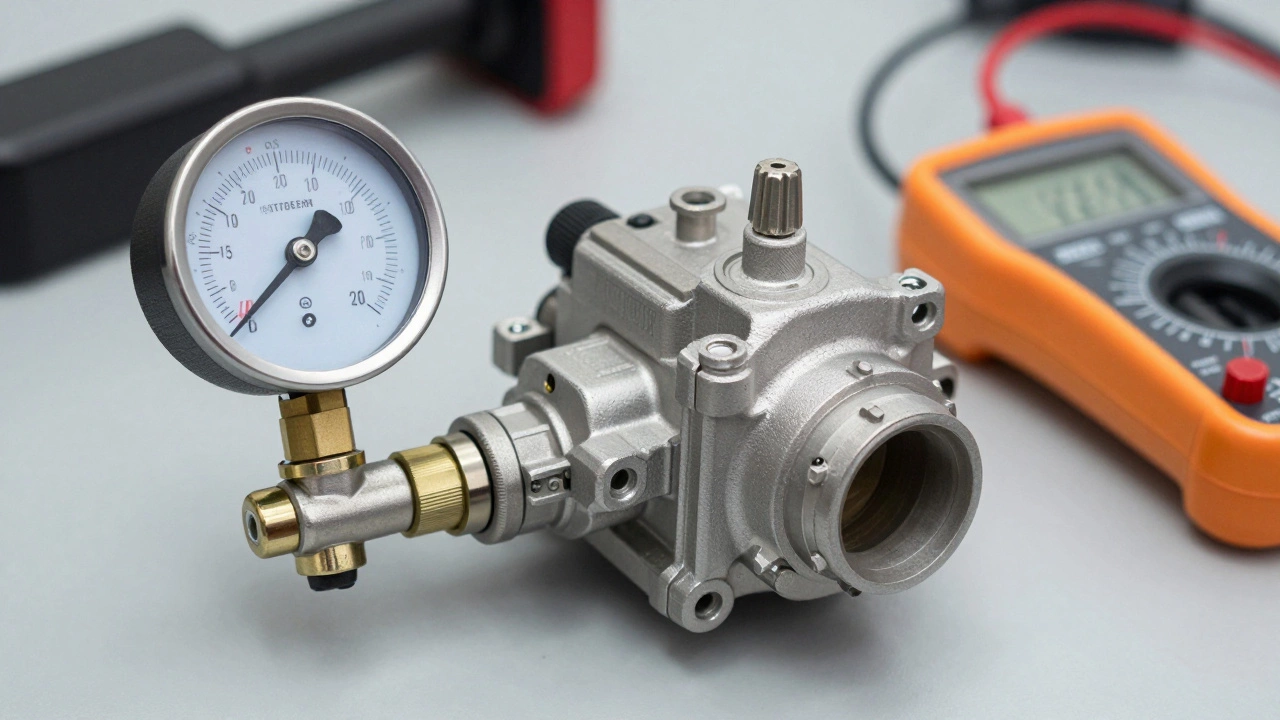
- Fuel Pressure Test: Connect a mechanical fuel pressure gauge to the Schrader valve on the fuel rail. Compare the reading to the factory specification. If the pressure is low, shut off the engine and watch the gauge. Does the pressure drop rapidly? If yes, you have a leak or a bad check valve in the pump.
- Voltage Drop Test: Use a multimeter to measure the voltage reaching the pump while it is running. If the battery shows 12.6V but the pump only receives 9V, you have a wiring issue or corrosion in the harness, not a bad pump.
Many DIYers skip the pressure test and just replace the pump. This is risky. If the pump is actually fine, you’ve wasted money and labor. Always verify the pressure physically.
Signs That Precede the Code
Cars often give you warnings before the Check Engine Light comes on. Pay attention to these subtle cues. They indicate the pump is struggling but hasn't failed completely yet.
- Whining Noise: A loud whine or squeal from the rear seat area indicates the pump is working harder than it should. This could be due to a clogged fuel filter (if external) or debris in the tank strainer.
- Power Loss at Speed: The car runs fine at idle but bogs down when you step on the gas. This is classic "starvation." The pump can’t keep up with demand.
- Hard Starting After Heat Soak: If you park the car after a long drive, the hot exhaust heats up the fuel lines. Vapor lock can occur, or the overheated pump motor slows down. If the car won't restart until it cools down, the pump is likely overheating.
Ignoring these signs leads to complete failure. Once a fuel pump seizes, it can leave metal shavings in the fuel line, potentially damaging the injectors. Early intervention is key.
Prevention and Maintenance
Fuel pumps are designed to last a long time, often 100,000 miles or more. Why do some fail early? Usually, it's neglect. Keeping your tank above a quarter full helps. The fuel acts as a coolant for the pump motor. Running on fumes frequently exposes the pump to air, causing it to overheat and wear out prematurely.
Also, consider the quality of fuel. Contaminants in cheap gas can clog the pickup screen inside the tank. Regular maintenance, including timely fuel filter replacements (if your car has an accessible external filter), reduces the strain on the pump. For vehicles with internal filters, changing them requires dropping the fuel tank, which is a significant job best left to professionals unless you have the proper tools and safety gear.
Can a bad fuel pump cause a rough idle?
Yes. If the fuel pump cannot maintain consistent pressure, the air-fuel mixture will fluctuate, causing the engine to shake or idle roughly. This is often accompanied by a P0171 or P0174 lean code.
Is P0087 always a bad fuel pump?
No. P0087 indicates low fuel pressure. Other causes include a clogged fuel filter, a leaking fuel injector, a faulty fuel pressure regulator, or a restriction in the fuel line. Always perform a pressure test before replacing the pump.
How much does it cost to replace a fuel pump?
Costs vary widely. Parts alone can range from $100 to $500 depending on the vehicle. Labor is the bigger expense, often adding $200 to $600, because accessing the pump usually requires removing the rear seats or dropping the fuel tank.
Can I drive with a bad fuel pump?
It is not recommended. Driving with a failing pump can lead to sudden stalling, leaving you stranded in traffic. It can also cause engine damage due to lean running conditions, which increases combustion temperatures and stress on pistons and valves.
Does the fuel pump run when the car is off?
The fuel pump should run for 2-3 seconds when you turn the key to the "On" position to build pressure. It should not run continuously when the engine is off. If it does, you may have a stuck relay or a short in the wiring harness.