Clutch Replacement: What You Need to Know
When working with clutch replacement, the removal of a worn clutch assembly and installation of a fresh one in a vehicle’s transmission. Also known as clutch swap, it restores the link between engine and wheels. A smooth swap depends on understanding clutch lifespan, how many miles or years a clutch typically lasts before wear becomes critical, knowing what’s inside a clutch kit, the collection of disc, pressure plate, release bearing and related hardware supplied for a replacement, and following solid clutch maintenance, regular checks and adjustments that keep wear in check. These ideas form the backbone of any reliable repair plan.
First, let’s clear up a common mix‑up: clutch replacement is not the same as a quick clutch adjustment. Replacement means you take out the whole assembly – disc, pressure plate, release bearing, and sometimes the pilot bearing – and fit a brand‑new set. Adjustment only tweaks the hydraulic or cable linkage to change pedal feel. Because the entire unit is replaced, you also get a chance to inspect related parts like the flywheel and transmission input shaft. That inspection often reveals whether the clutch lifespan you’ve heard about (usually 60‑100k miles for everyday drivers) matches the real wear on your vehicle.
Key Parts and How They Interact
Every clutch kit revolves around a few core components. The clutch disc, the friction plate that grabs the flywheel when you press the clutch sits between the flywheel and the pressure plate, the spring‑loaded cover that squeezes the disc onto the flywheel. When you lift the pedal, the release bearing, the bearing that lets the pressure plate move back and free the disc slides along a splined hub. These three pieces work together to transfer power. If any one wears unevenly, the whole system can slip, chatter, or refuse to engage – classic signs that a replacement is overdue.
Understanding this relationship creates a clear semantic triple: clutch replacement encompasses clutch kit components. Another triple: clutch lifespan influences replacement interval. And a third: proper clutch maintenance reduces wear. When you keep these connections in mind, you can diagnose problems faster and avoid unnecessary part purchases.
Next up is the practical side of timing. Many drivers wait for a loud squeal or a sudden loss of acceleration before they act. In reality, regular clutch wear factors, such as city driving, hill climbs, and aggressive shifting can shave years off the expected lifespan. A driver who frequents stop‑and‑go traffic may need a new clutch at 40k miles, while a highway cruiser can stretch past 100k. By tracking mileage, driving style, and any odd noises, you create a personal “replacement clock” that’s more reliable than a generic figure.
When the clock ticks, the actual swap isn’t as daunting as it sounds. You’ll need a few basic tools – a socket set, a clutch alignment tool, and a torque wrench. The alignment tool ensures the pressure plate sits perfectly centered on the flywheel, preventing uneven pressure that could cause premature wear. Once the old kit is out, inspect the flywheel for hot spots or cracks; a damaged flywheel often shows up as vibration after the swap. If you spot issues, it’s cheaper to fix them now than to replace the clutch again months later.
One area that trips up DIYers is the hydraulic or cable system. A leaking clutch master cylinder or a frayed cable can mimic a worn clutch, making the replacement feel pointless. Before you break the bolts, bleed the hydraulic line and check for fluid leaks. If you’re using a cable‑operated clutch, make sure the adjuster is set correctly – too much slack causes the disc to stay partially engaged, leading to heat buildup.
After the new kit is bolted in, a short break‑in period helps the friction material settle. Drive gently for the first 10‑15 minutes, avoid high revs, and avoid heavy loads. This procedure lets the clutch disc lay down a thin, even wear layer, which translates to smoother engagement later on. Skipping the break‑in can cause early chatter, especially with performance‑grade discs that need a “bedding‑in” phase.
If you’re not comfortable tackling the job yourself, a professional shop can handle the swap quickly. Still, knowing the basics lets you ask the right questions – “Will you check the flywheel?”, “Do you use the correct torque settings for the pressure plate bolts?”, “How will you bleed the hydraulic line?” – and ensures you get value for the money spent.
So, what’s the takeaway? Whether you’re a daily commuter, a weekend racer, or a boat owner who uses a marine transmission, clutch replacement follows the same core principles: know your clutch’s expected lifespan, understand the kit components, perform routine maintenance, and respect the break‑in process. Armed with this knowledge, you’ll spot the warning signs early and avoid costly surprises.
Below you’ll find a curated set of articles that dive deeper into each of these topics – from how long a clutch really lasts, to detailed explanations of clutch kit parts, and step‑by‑step maintenance guides. Explore the collection and pick the piece that fits your current question best.
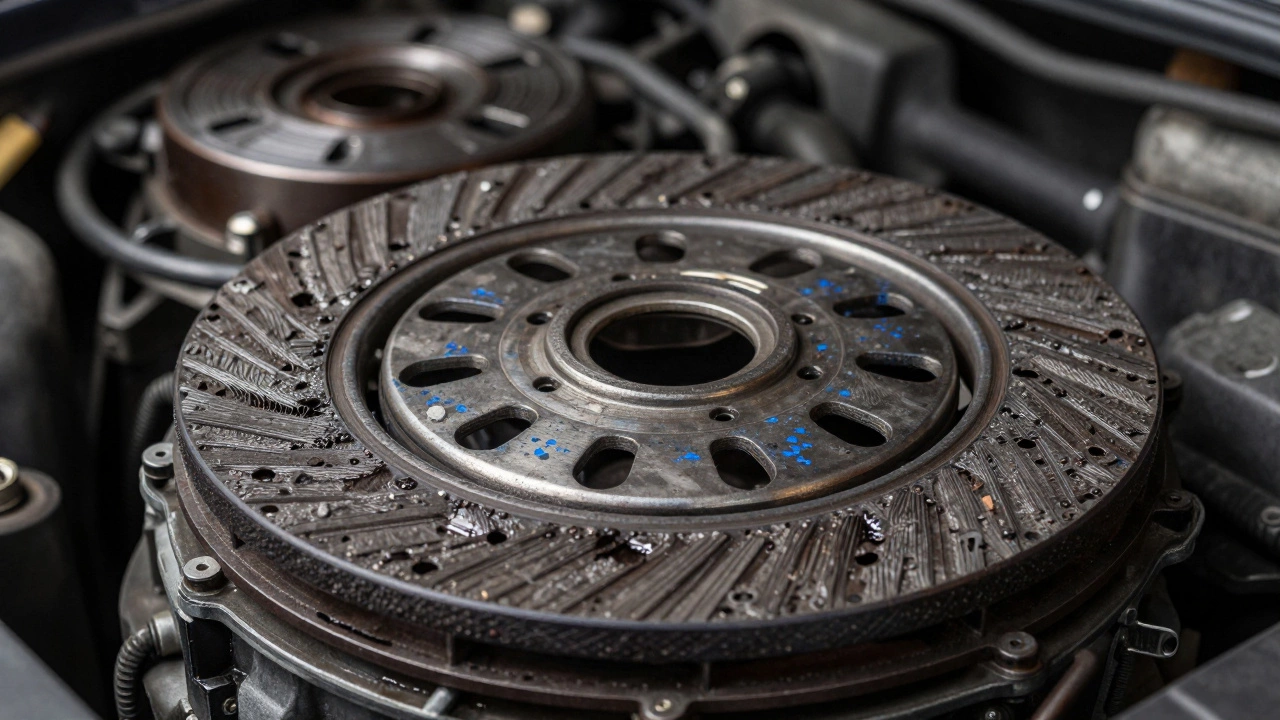
Is Replacing a Clutch Easy? A Realistic Guide to DIY vs. Pro
May 7 2026 / Transmission PartsIs replacing a clutch easy? We break down the reality of DIY clutch replacement, covering costs, tools, and steps. Find out if you should tackle it yourself or hire a pro.
VIEW MORE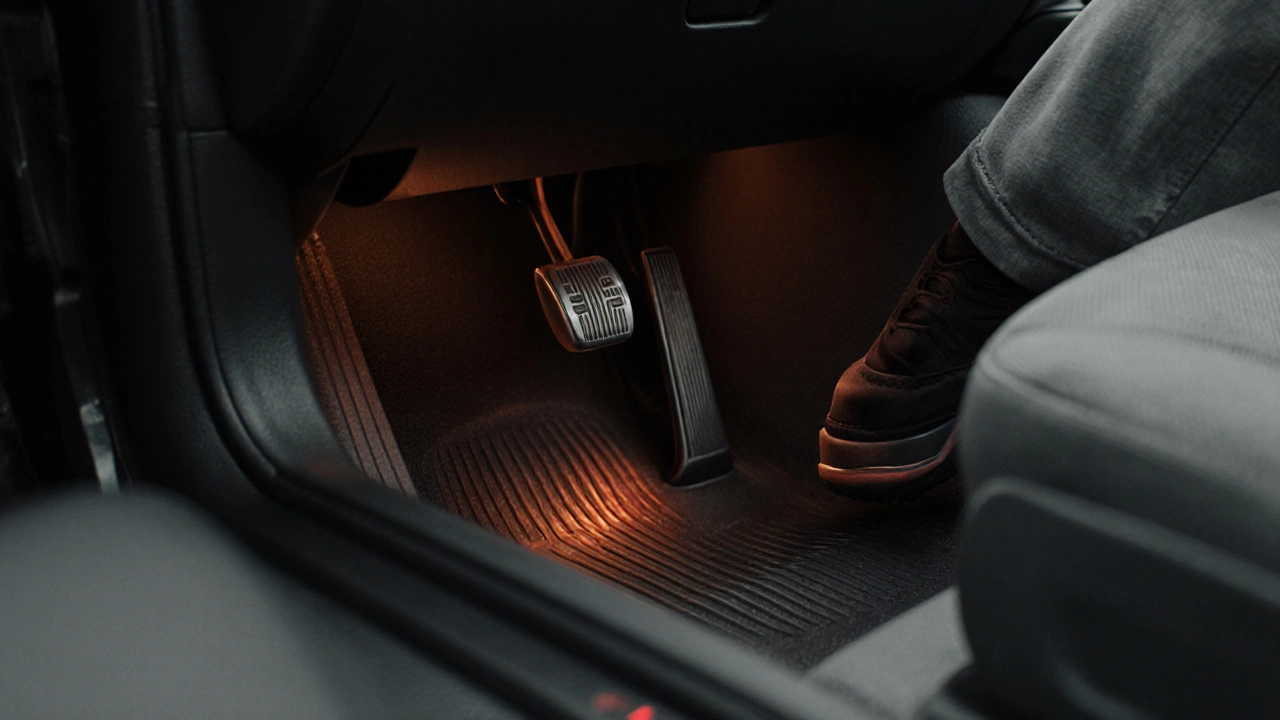
What Damages a Clutch Kit? Common Causes and How to Avoid Them
Nov 20 2025 / Transmission PartsLearn the real reasons clutch kits fail - from bad driving habits to ignored warning signs - and how to make yours last longer without expensive repairs.
VIEW MORE
When to Replace Your Clutch Kit: Signs, Mileage & Costs
Oct 13 2025 / Transmission PartsLearn the key signs, mileage limits, and cost factors that tell you when to replace your clutch kit. Get practical tips for DIY or professional replacement.
VIEW MORE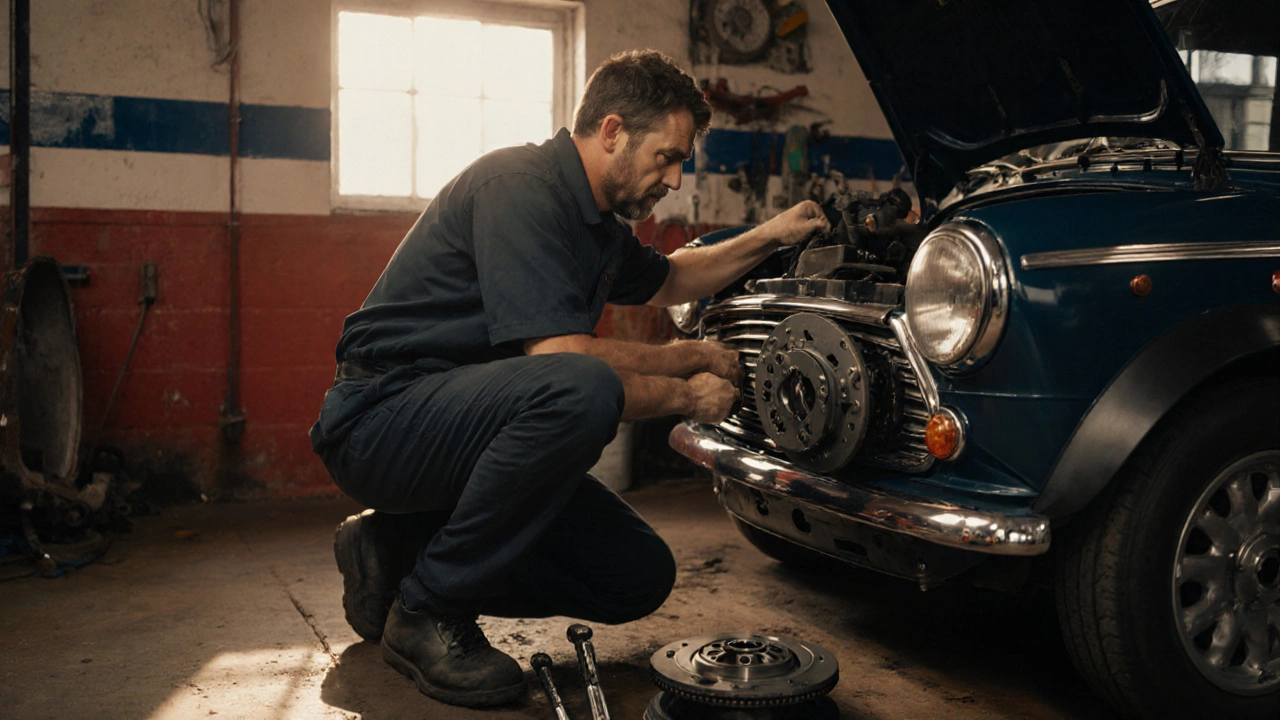
What else to replace when you replace a clutch? Essential parts & tips
Sep 26 2025 / Transmission PartsDiscover the key components you should replace alongside a clutch, learn their lifespans, costs, and get practical tips to avoid common pitfalls.
VIEW MORE
Clutch Replacement Labor Hours: What Really Goes Into the Job
May 25 2025 / Transmission PartsWondering how many labor hours go into replacing a clutch? This guide breaks down what to expect for different vehicles, why replacement times can vary, and how you can save money on labor. Get real numbers, practical tips, and the inside scoop from the shop. Take the guesswork out of budgeting for your clutch job.
VIEW MORE
Clutch Replacement Labor Hours: What to Expect
May 25 2025 / Transmission PartsThinking about replacing your clutch but worried about labor hours? This article breaks down how long it actually takes, what affects the timeline, and real-world tips to help you save time and money. We'll cover what to expect whether you’re heading to a professional or tackling the job yourself. You’ll also get a sense of why some cars take longer than others and how to avoid common mistakes. Perfect for anyone budgeting repair costs or planning a DIY weekend.
VIEW MORE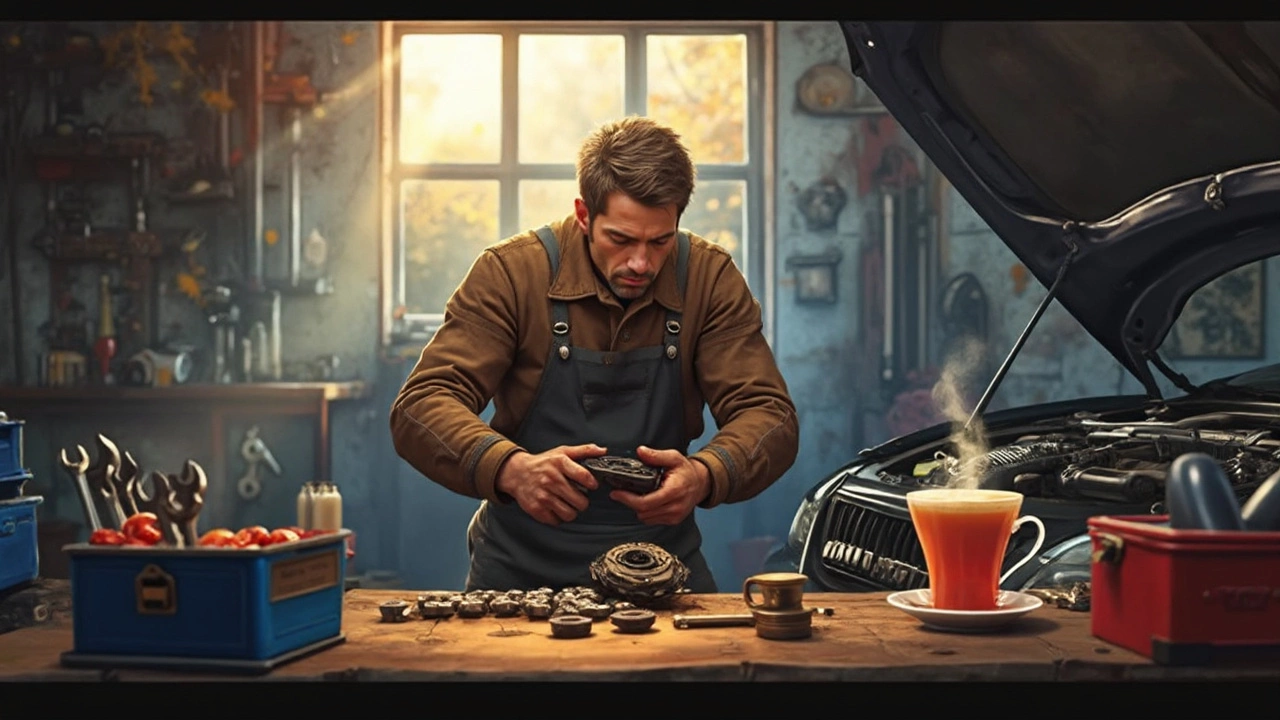
How Hard is it to Replace a Clutch?
Mar 19 2025 / Transmission PartsReplacing a clutch might seem daunting, but with the right tools and knowledge, it's a task many car owners can handle. Understand the signs of a failing clutch, the necessary tools, and step-by-step guidance on how to replace it. Explore tips for successful replacement and consider when professional help might be a smarter choice. This article breaks down the process in simple terms, helping you save money and gain confidence in car maintenance.
VIEW MORE