Ignition System: How It Works and Why It Matters
When dealing with Ignition System, the set of components that creates and delivers the spark needed to fire each cylinder in a gasoline engine. Also known as starting system, it turns fuel into motion every time you turn the key. The heart of this system is the spark plug, a small insulated device that ignites the air‑fuel mixture at just the right moment. Working hand‑in‑hand with the plug is the ignition coil, an electromagnetic transformer that boosts battery voltage to thousands of volts for the spark. Together they form the core of the ignition process.
The ignition system doesn’t operate in isolation. It needs a reliable battery, the primary power source that supplies the low‑voltage current to the coil and other control modules, and a healthy fuel pump, which delivers pressurised fuel to the engine so the spark can do its job. If any of these pieces falter, the whole chain breaks – you might hear a click, feel a rough idle, or the engine simply won’t start. That’s why understanding the relationships helps you diagnose issues faster: Spark plug ↔ Ignition coil, Battery → Ignition coil, Fuel pump → Combustion.
Common Ignition Problems and How to Spot Them
One of the most frequent culprits is a worn spark plug. Symptoms include mis‑fires, a drop in fuel economy and a noticeable lack of power. A failing ignition coil often shows up as random engine stalls or a check‑engine light with codes related to coil performance. A weak battery will struggle to provide the initial surge, leading to slow cranking or intermittent starting. Finally, a clogged fuel pump can starve the engine of fuel, making even a perfect spark feel useless. Each problem influences the next, so fixing the root cause prevents a cascade of repairs.
Keeping the system in top shape is mostly about timing and regular checks. Replace spark plugs according to the manufacturer’s mileage guide – usually every 30,000‑60,000 miles for copper plugs, longer for iridium or platinum. Inspect the ignition coil for cracks or corrosion and test its primary resistance before symptoms get severe. Test battery voltage with a multimeter; a healthy 12.6 V at rest is a good sign. Finally, listen for a humming fuel pump when you turn the key on; silence may indicate an issue. These simple steps let you stay ahead of costly breakdowns.
Below you’ll find a curated collection of articles that dive deeper into each of these components. From spotting a bad spark plug before it leaves you stranded to understanding how often you should swap out your ignition coil, the guides give you actionable advice you can use right away. Browse the list to find the exact fix you need and keep your engine firing smoothly.
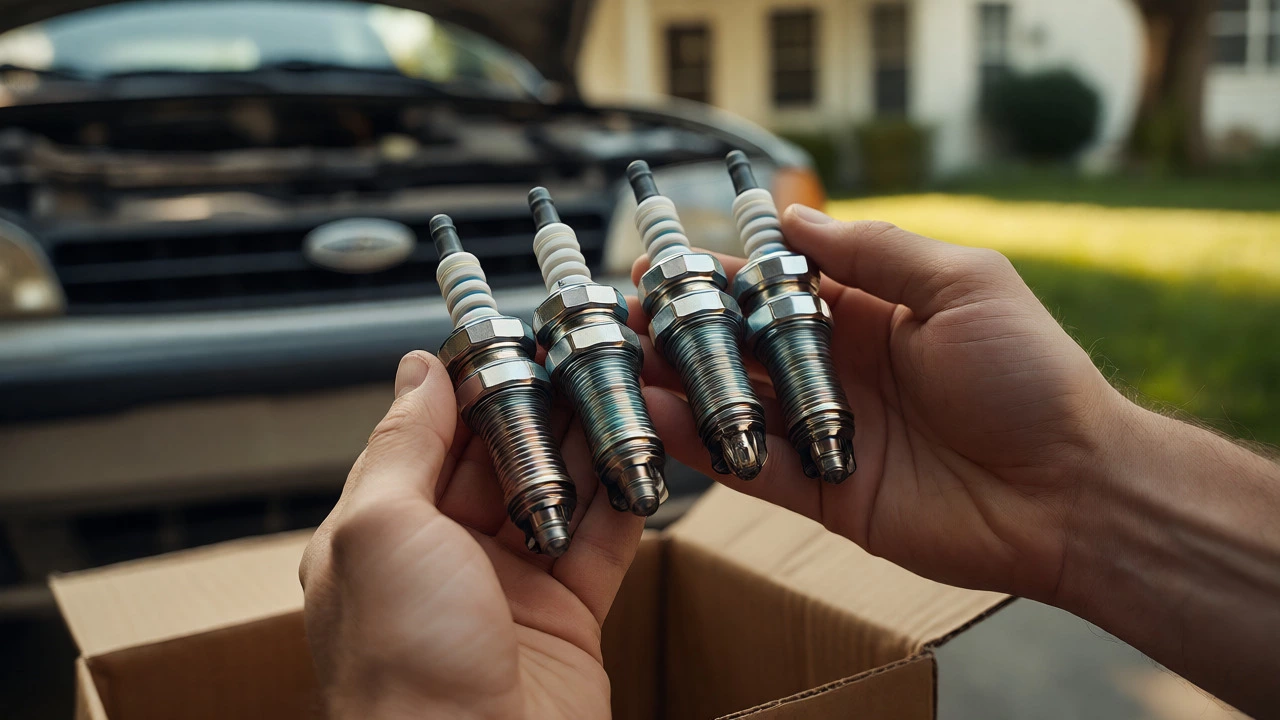
How Many Spark Plugs Are in a Car? A Simple Guide
Sep 24 2026 / Ignition PartsDiscover exactly how many spark plugs your car needs. Learn why most engines use one per cylinder, when you need two, and why diesels use none.
VIEW MORE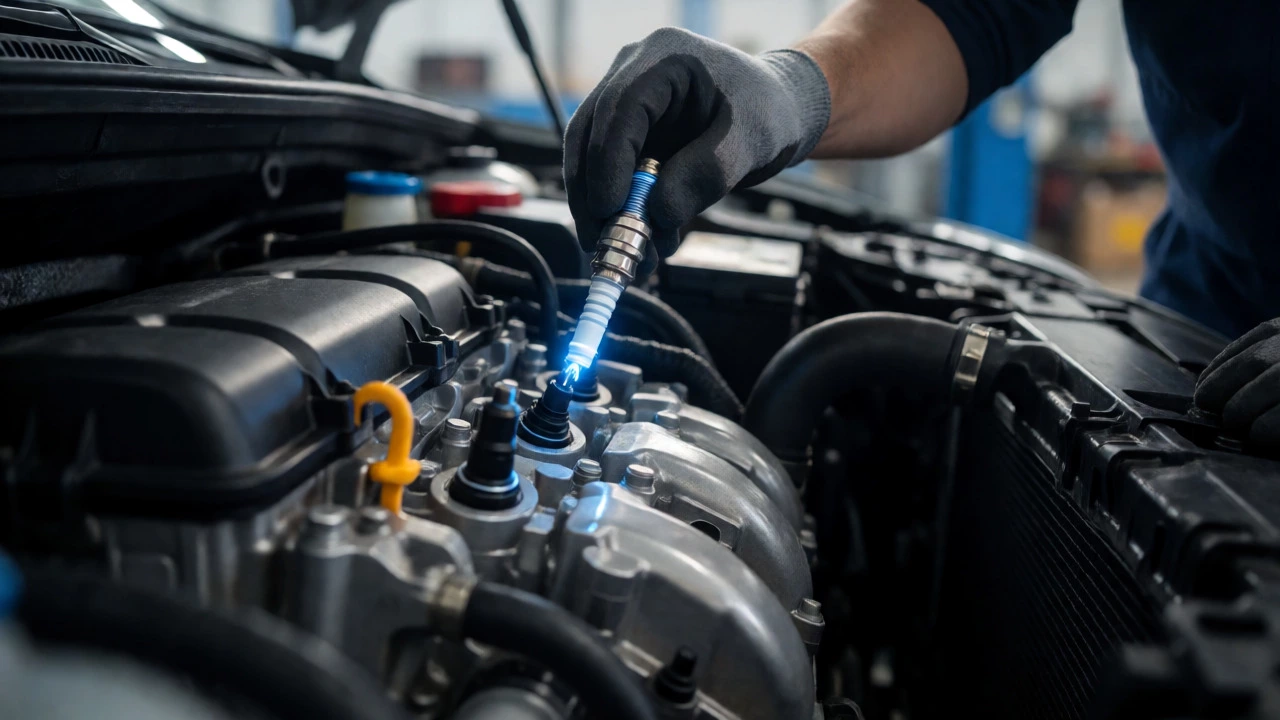
Do I Really Need Spark Plugs? Signs, Myths, and Maintenance
Sep 7 2026 / Ignition PartsWondering if you really need spark plugs? Discover why they're critical for engine health, signs of failure, and why ignoring them costs more.
VIEW MORE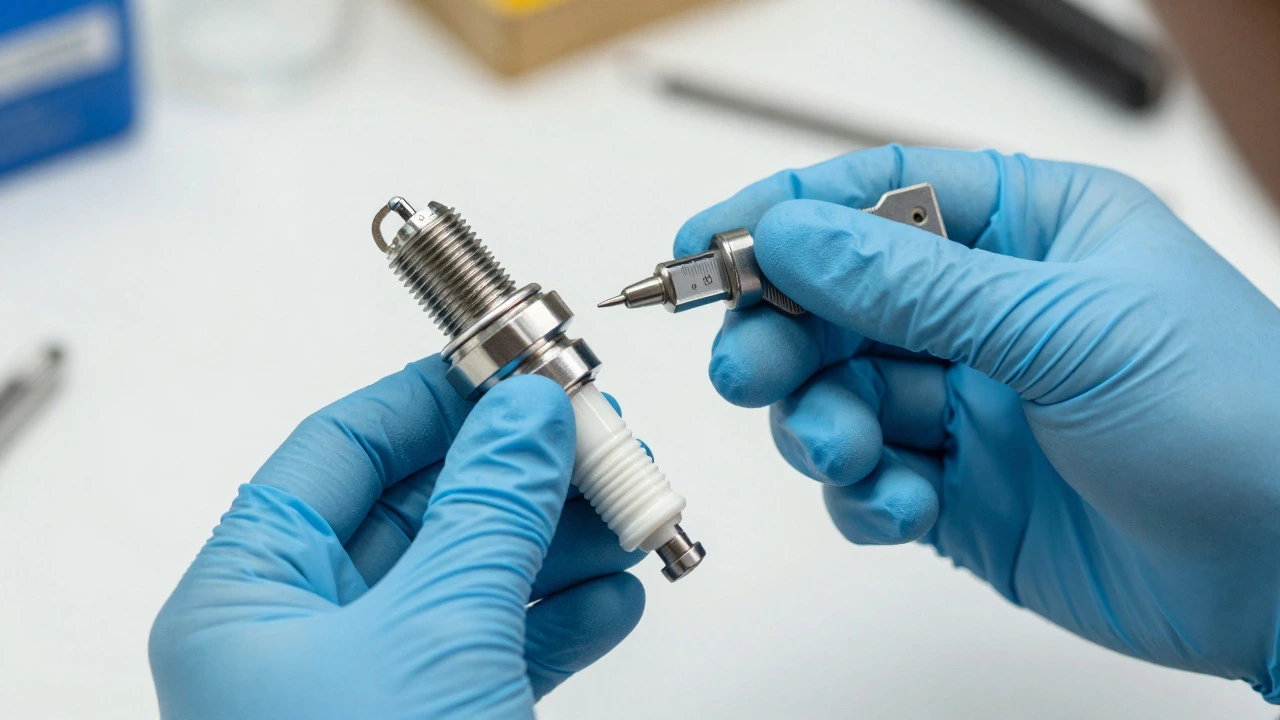
Are Spark Plugs Easy to Change? A Realistic DIY Guide
Aug 20 2026 / Ignition PartsIs changing spark plugs really easy? We break down the difficulty factors, essential tools, and step-by-step process to help you decide if DIY is right for your car.
VIEW MORE
What Happens If You Ignore Your Spark Plugs? Risks and Warning Signs
Apr 6 2026 / Ignition PartsIgnoring spark plug replacement can lead to engine misfires, ruined catalytic converters, and poor fuel economy. Learn the warning signs and risks here.
VIEW MORE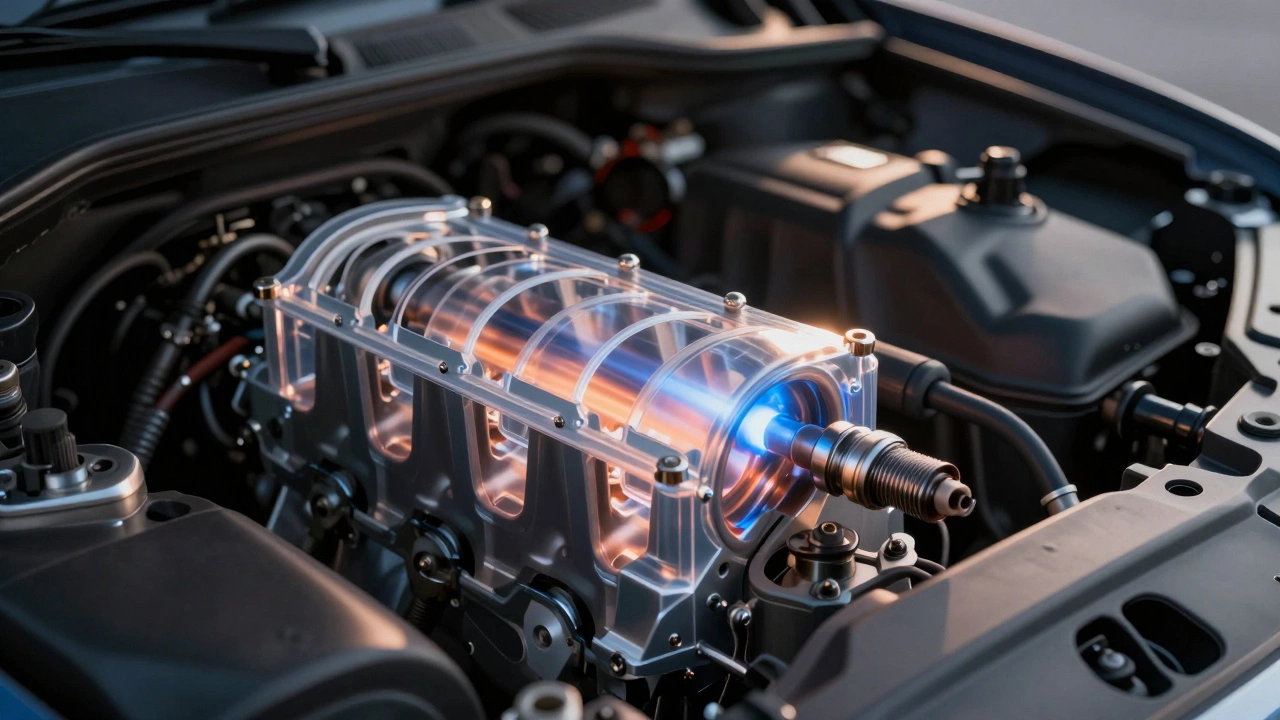
Are Spark Plugs Only Used for Starting? What They Really Do in Your Engine
Feb 26 2026 / Ignition PartsSpark plugs aren't just for starting your car-they fire thousands of times per minute to keep your engine running smoothly. Learn how they work, when they fail, and why replacing them on schedule matters for performance and fuel economy.
VIEW MORE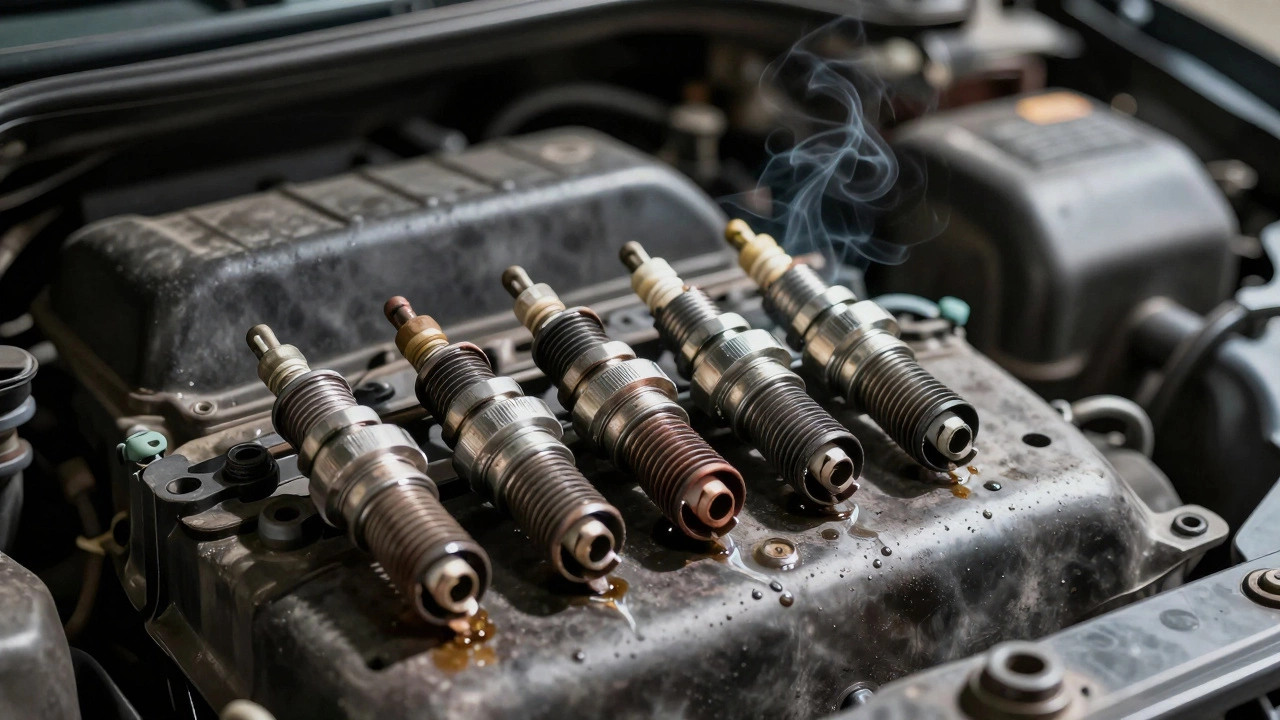
Is It OK to Change Only Some Spark Plugs? What Mechanics Really Say
Dec 28 2025 / Ignition PartsReplacing only some spark plugs may seem like a cost-saving trick, but it risks engine damage, poor fuel economy, and costly repairs. Mechanics recommend replacing all spark plugs at once for smooth performance and long-term savings.
VIEW MORE
Will New Spark Plugs Improve Starting? Here’s What Actually Happens
Dec 4 2025 / Ignition PartsNew spark plugs can improve car starting - but only if your old ones are worn or fouled. Learn the signs, when to replace them, and what else could be causing hard starts.
VIEW MORE
Is It OK to Change Spark Plugs But Not Wires? Here's What Really Matters
Nov 27 2025 / Ignition PartsYou can replace spark plugs without changing wires-but only if the wires are truly in good condition. Learn how to check them, when to replace both, and why skipping wires can cost you more later.
VIEW MORE
What Does a Spark Plug Do? How It Works, Bad Symptoms, and Replacement (UK Guide)
Sep 19 2025 / Ignition PartsA clear, UK-focused guide to what a spark plug does, symptoms when it’s bad, how to test and replace it, costs, gaps, torque, and practical tips you can trust.
VIEW MORE