Car Radiator Replacement Cost Estimator
Estimated Total Cost
- Radiator Part £0
- Labor (2-4 hours) £0
- Coolant & Hoses £0
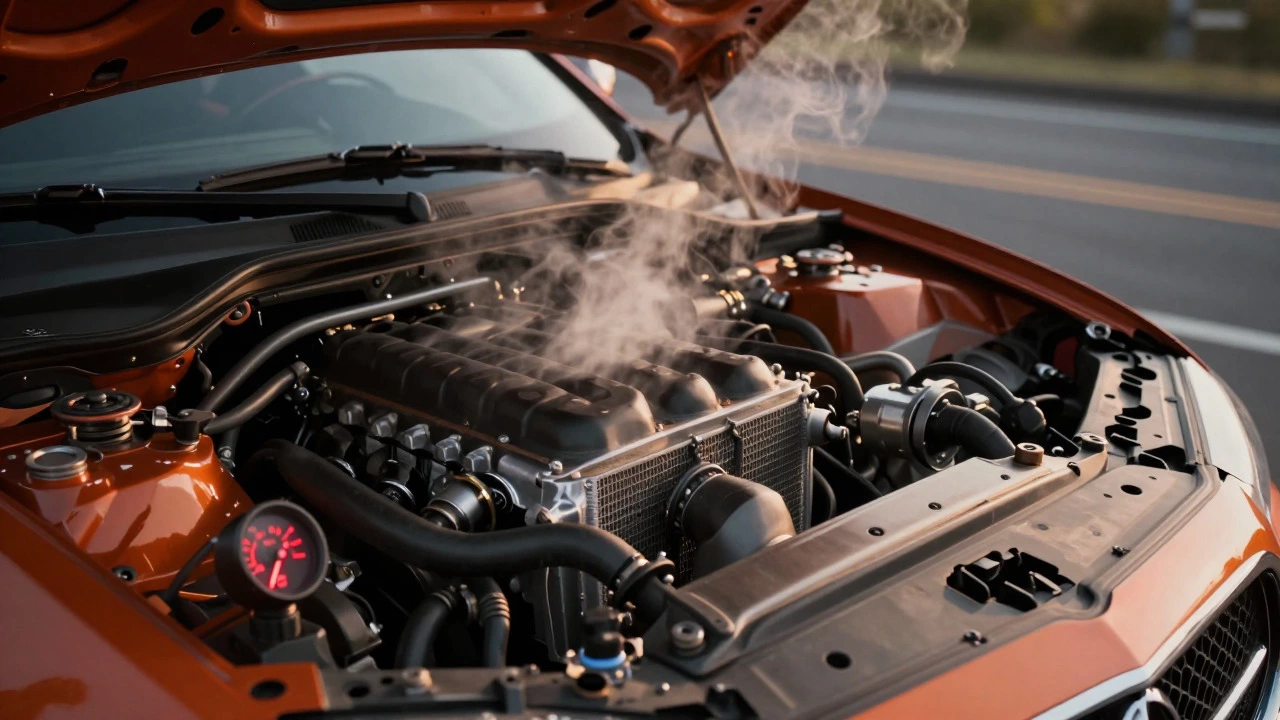
Imagine your car overheating on a busy highway. The temperature gauge spikes into the red, steam hisses from under the hood, and you’re forced to pull over. Once the mechanic diagnoses the problem, they hand you a bill for a new car radiator, which is the primary heat exchanger in a vehicle's cooling system that transfers thermal energy from the engine coolant to the air. But how much should you actually expect to pay? The short answer is: it depends. A budget option might set you back £80, while a premium unit for a luxury SUV could easily exceed £400. Understanding these price differences helps you avoid being overcharged and ensures you get the right part for your specific vehicle.
Quick Summary / Key Takeaways
- Radiator prices vary widely: Expect to pay between £80 and £450 for the part alone, depending on your car’s make, model, and material quality.
- Labor adds significant cost: Installation typically ranges from £100 to £300, making the total replacement job anywhere from £180 to £750+.
- OEM vs. Aftermarket: Original Equipment Manufacturer (OEM) parts are pricier but offer guaranteed fitment, while aftermarket options provide cheaper alternatives with varying quality levels.
- Material matters: Aluminum radiators are lighter and more efficient but often cost more than traditional copper-brass units, though brass is becoming rarer in modern vehicles.
- Don’t ignore ancillary costs: You’ll likely need new coolant, hoses, and possibly a thermostat, adding another £30-£60 to the final bill.
Why Do Radiator Prices Vary So Much?
The price tag on a radiator isn’t arbitrary. It’s driven by three main factors: the complexity of the vehicle, the materials used, and the brand reputation. A compact hatchback like a Ford Fiesta or Volkswagen Polo has a relatively simple cooling system. The radiator is smaller, uses less metal, and is easier to manufacture. Consequently, you can find replacements for these cars starting around £80-£120.
In contrast, larger vehicles like pickup trucks, SUVs, or high-performance sports cars require robust cooling solutions. These radiators must handle higher engine pressures and temperatures. They often feature multiple cores, thicker fins, and reinforced tanks. For example, a radiator for a Land Rover Defender or a BMW M3 can easily cost £300-£450 just for the part. Additionally, some modern cars integrate electric fans directly into the radiator assembly. If you’re replacing the entire module rather than just the core, the price jumps significantly because you’re paying for motors, wiring harnesses, and sensors along with the heat exchanger.
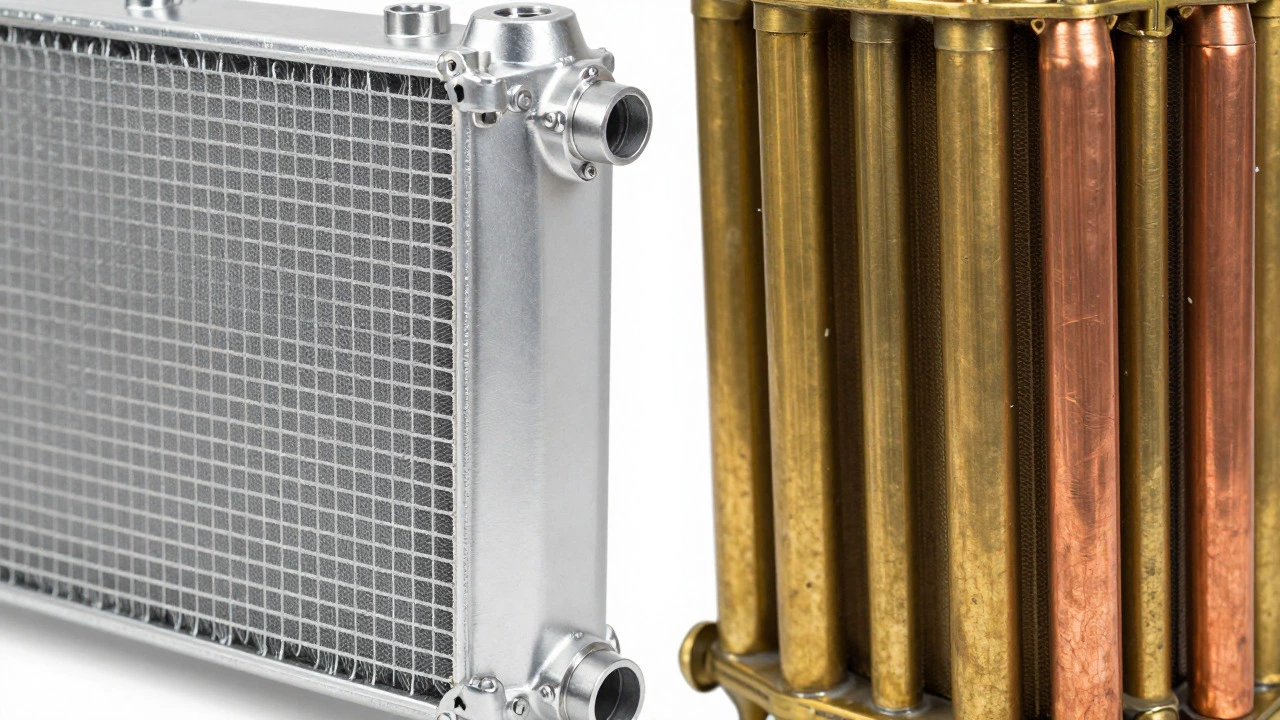
Another critical factor is the material composition. Most modern vehicles use aluminum radiators due to their lightweight nature and excellent heat dissipation properties. Aluminum is also more resistant to corrosion when paired with modern ethylene glycol-based coolants. However, older vehicles or certain heavy-duty applications may still use copper and brass. While copper-brass radiators are incredibly durable and easier to repair, they are heavier and more expensive to produce today due to raw material costs. This scarcity drives up the price for classic car owners looking for authentic replacements.
Breakdown of Costs: Parts vs. Labor
When calculating the total expense, it’s crucial to separate the cost of the part from the labor involved. Mechanics charge hourly rates that vary by location and shop type. In the UK, independent garages typically charge between £60 and £90 per hour, while main dealerships can charge £100 to £150 or more.
| Cost Component | Budget Estimate (£) | Premium Estimate (£) |
|---|---|---|
| Radiator Part Only | £80 - £150 | £250 - £450+ |
| Labor (2-4 hours) | £120 - £200 | £200 - £400+ |
| Coolant & Hoses | £20 - £40 | £40 - £80 |
| Total Job Cost | £220 - £390 | £490 - £930+ |
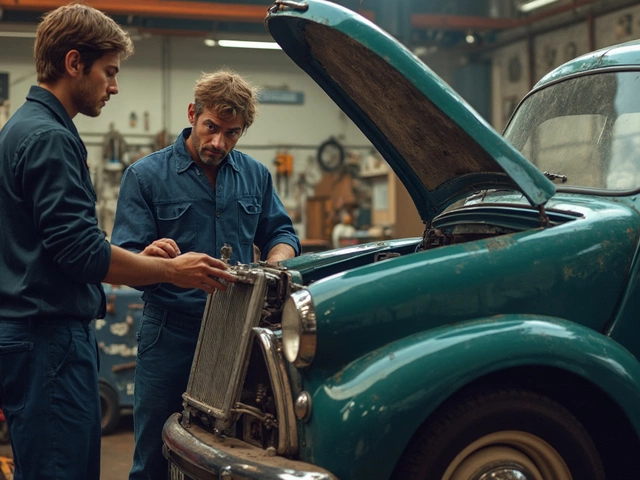
The labor cost depends heavily on how accessible the radiator is. In front-wheel-drive sedans, the radiator is usually easy to reach once the grille is removed. This might take a mechanic two hours. However, in some transverse-engine layouts or vehicles with complex front-end structures, removing the bumper, headlights, and intercoolers can be necessary. This extra disassembly time pushes the labor bill higher. Always ask your mechanic for a detailed quote that separates parts and labor so there are no surprises.
OEM vs. Aftermarket Radiators: Which Should You Choose?
This is one of the most common dilemmas for car owners. OEM (Original Equipment Manufacturer) radiators are made by the same companies that supplied the factory when your car was built. Brands like Denso, Valeo, and Behr/Hella dominate this space. An OEM radiator guarantees perfect fitment and performance specifications matching your engine’s original design. If you drive a newer car under warranty or a high-mileage vehicle where reliability is paramount, OEM is the safer bet. However, you pay a premium for this assurance.
Aftermarket radiators, on the other hand, are produced by third-party manufacturers. The quality spectrum here is vast. Some aftermarket brands produce units that meet or exceed OEM standards, often at a lower price point. These are ideal for older cars where saving money makes sense. Other cheap aftermarket options may use thinner metals or inferior soldering techniques, leading to premature leaks. When buying aftermarket, look for reputable brands with positive reviews and warranties. Avoid the cheapest option if it lacks any brand recognition or quality certifications.
Hidden Costs and Ancillary Parts
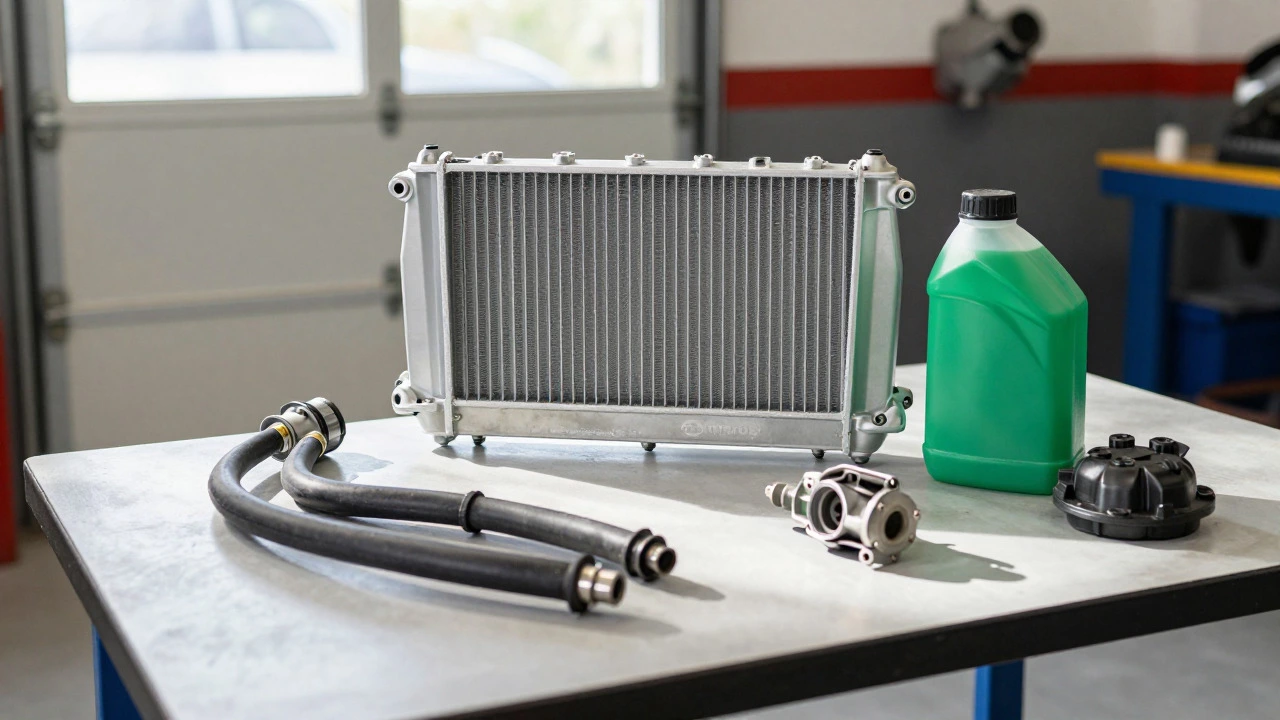
A radiator replacement is rarely just about swapping out the box. Your mechanic will likely recommend replacing several related components to prevent future issues. These "hidden" costs can add up quickly if not anticipated.
- Coolant/Antifreeze: You’ll need to flush the old coolant and refill the system. High-quality ethylene glycol or propylene glycol mixtures cost between £10 and £20 per liter. A typical car requires 5-10 liters.
- Hoses: Upper and lower radiator hoses degrade over time. If they’re cracked or brittle, replace them now to avoid another costly visit later. New hoses cost £10-£30 each.
- Thermostat: Since the cooling system is open during radiator replacement, it’s standard practice to replace the thermostat. It’s a small part (£10-£25) but critical for maintaining proper operating temperature.
- Radiator Cap: The cap maintains pressure in the system. If it’s worn, it won’t seal properly, causing overheating. Replacement caps cost £5-£15.
- Water Pump: While not always replaced simultaneously, if your water pump is nearing the end of its life, it’s wise to swap it now since labor overlaps. Water pumps range from £50 to £150.
Failing to address these components can lead to repeat failures. For instance, installing a brand-new radiator with old, contaminated coolant can cause corrosion within months, ruining your investment. Always opt for a complete cooling system service when replacing the radiator.
Repair vs. Replace: Is It Worth Fixing?
If your radiator has a small leak, especially in the plastic tank area, you might consider repair instead of replacement. Plastic welding kits or epoxy sealants can temporarily fix minor cracks for as little as £10-£20. However, these are stopgap measures. They work best for getting you home or to a garage, not as long-term solutions.
For core damage-where the internal tubes are corroded or blocked-repair is rarely viable. Flushing the radiator can remove sediment and restore flow, costing around £30-£50 for professional cleaning. But if the metal itself is compromised, no amount of flushing will help. In most cases, especially for modern aluminum radiators, replacement is more cost-effective than extensive repairs. Consider repair only for classic cars with rare copper-brass radiators where finding a replacement is difficult and expensive.
How to Save Money on Radiator Replacement
While you can’t change the market price of parts, there are strategies to reduce your overall bill. First, shop around. Online retailers like Amazon, eBay, or specialized auto parts sites often sell radiators at 20-30% less than local brick-and-mortar stores. Just ensure you buy from sellers with good return policies in case the part doesn’t fit.
Second, consider doing the installation yourself if you have basic mechanical skills. Radiator replacement is one of those jobs that sits in the middle of the difficulty curve. It requires patience and careful handling to avoid bending fins, but it doesn’t demand advanced expertise. Many online tutorials provide step-by-step guides for specific models. By saving on labor, you can cut the total cost by half. Just remember to bleed the cooling system properly afterward to remove air pockets, which can cause overheating.
Finally, check for warranty coverage. If your car is still under manufacturer warranty, the radiator replacement might be covered free of charge, provided the failure wasn’t caused by neglect (like running low on coolant). Even extended warranties sometimes cover major cooling system components. Always verify your coverage before paying out of pocket.
Signs You Need a New Radiator Soon
Don’t wait until your car breaks down to think about radiator costs. Early detection can save you money and stress. Watch for these warning signs:
- Visible Leaks: Puddles of green, orange, or pink fluid under your parked car indicate a leak. Check around the radiator corners and hoses.
- Overheating Engine: If the temperature gauge consistently reads high, even in mild weather, your radiator isn’t dissipating heat effectively.
- Discolored Coolant: Rusty or muddy coolant suggests internal corrosion. Healthy coolant should be clear and brightly colored.
- Damaged Fins: Inspect the front of the radiator. Bent or broken fins restrict airflow, reducing efficiency. Minor bends can be straightened with a comb tool, but severe damage requires replacement.
- Sweet Smell: A sweet, syrupy smell coming from the engine bay often means coolant is leaking onto hot surfaces and evaporating.
Addressing these issues early prevents secondary damage to the engine head gasket or cylinder heads, which can cost thousands to repair. Regular maintenance, including checking coolant levels and inspecting hoses annually, extends the life of your radiator and keeps replacement costs predictable.
How much does it cost to replace a radiator in the UK?
The total cost to replace a radiator in the UK typically ranges from £220 to £450 for average family cars. This includes the part (£80-£150), labor (£120-£200), and necessary fluids/hoses (£20-£40). Luxury vehicles or large SUVs can cost significantly more, often exceeding £600-£900 due to higher part prices and increased labor time.
Is an OEM radiator worth the extra cost?
Yes, if you prioritize reliability and perfect fitment. OEM radiators are manufactured to the exact specifications of your vehicle’s engine, ensuring optimal cooling performance. They are particularly worthwhile for newer cars under warranty or high-performance vehicles where overheating risks are costly. For older, high-mileage cars, a high-quality aftermarket radiator may offer better value.
Can I replace my car radiator myself?
Yes, many DIY enthusiasts successfully replace their own radiators. The process involves draining the coolant, removing the old unit, installing the new one, refilling with fresh coolant, and bleeding the system. It requires basic tools and careful attention to detail, especially when reconnecting hoses and electrical connectors. Always consult a repair manual for your specific model to ensure correct procedures.
How long does a car radiator last?
With proper maintenance, a car radiator can last between 8 to 10 years or approximately 100,000 to 150,000 miles. Factors affecting lifespan include coolant quality, driving conditions (heavy traffic vs. highway), and regular inspections. Using the correct coolant mixture and flushing the system every 2-3 years significantly extends radiator life.
What happens if I ignore a leaking radiator?
Ignoring a leaking radiator leads to coolant loss, which causes engine overheating. Prolonged overheating can warp the engine block, crack the cylinder head, or blow the head gasket. These repairs are far more expensive than a simple radiator replacement, potentially costing over £1,000. Immediate attention to leaks prevents catastrophic engine failure.