Brake Pad Lifespan Estimator
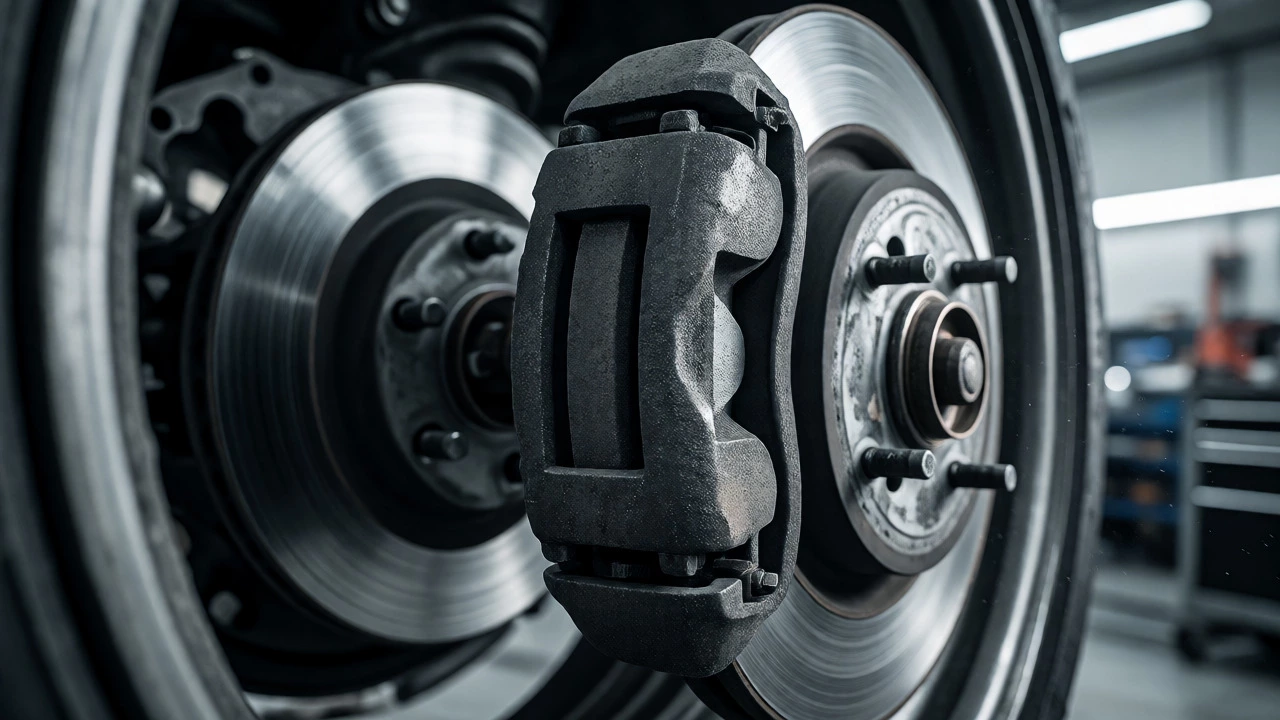
Front brakes typically handle 70-80% of stopping power due to weight transfer. Use this tool to estimate when you might need replacements based on your current mileage and driving style.
Estimated Remaining Life
Why is there a difference?
During braking, inertia shifts the vehicle's weight forward. This increases the normal force on the front tires, allowing them to generate more friction without locking up. Consequently, front pads work significantly harder than rear pads, which primarily provide stability.
You pull into the garage, hand over your keys, and ask for a brake check. The mechanic pops the wheels off and says, "Your front pads are nearly gone, but the rears look brand new." You might wonder: why does one end of your car work harder than the other? It’s not a manufacturing defect or bad luck. It’s physics.
Understanding which brakes wear out first is crucial for safe driving and smart budgeting. Knowing that front brake pads typically degrade significantly faster than rear pads due to weight transfer during deceleration helps you anticipate costs and avoid being stranded with a grinding noise on the motorway.
The Short Answer: Why Fronts Die Younger
In almost every modern passenger vehicle, the front brakes wear out first. On average, front brake pads last between 30,000 and 50,000 miles, while rear pads can stretch to 70,000 miles or more. This isn't arbitrary; it's dictated by how mass moves when you hit the stop pedal.
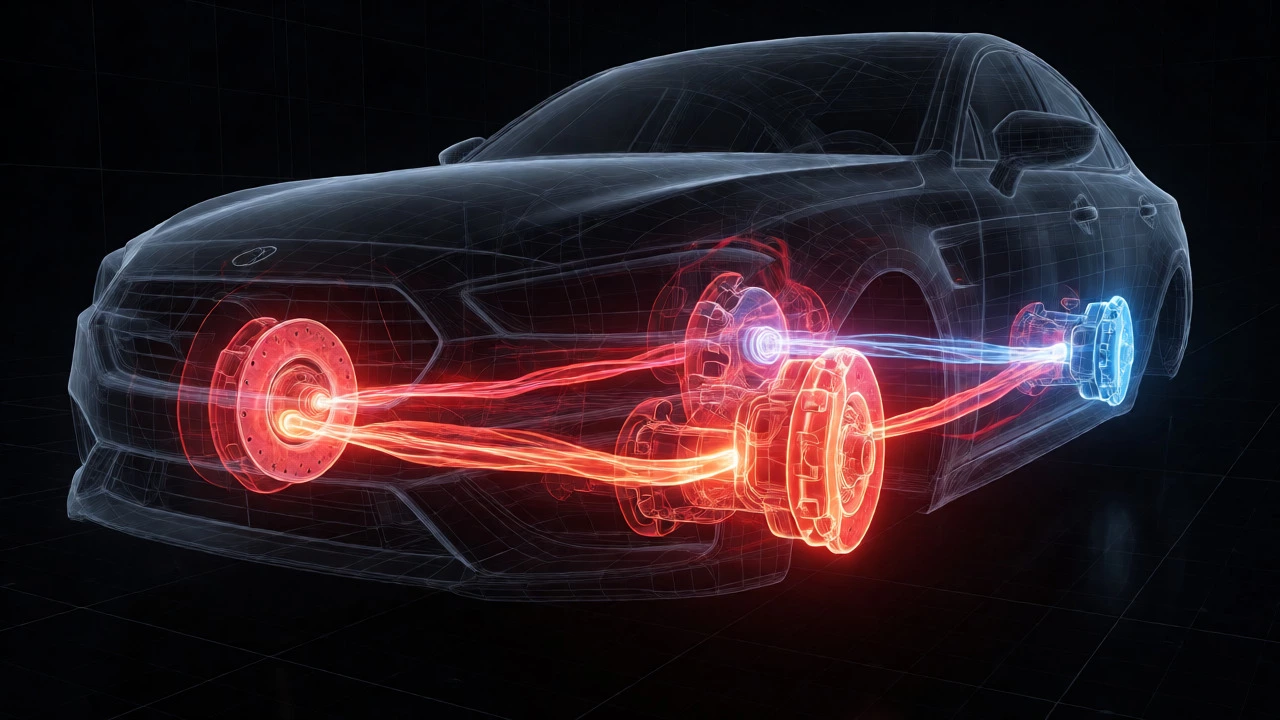
When you brake, inertia keeps your car moving forward. Your body lurches toward the dashboard, and so does the entire chassis. This phenomenon, known as weight transfer, shifts the vehicle's load onto the front axle. The front tires get squashed against the road, gaining grip, while the rear tires lighten up. Since friction requires pressure, the front brakes do the heavy lifting-literally handling about 70% to 80% of the stopping power.
| Component | Typical Lifespan (Miles) | Workload Percentage | Primary Function |
|---|---|---|---|
| Front Brake Pads | 30,000 - 50,000 | 70% - 80% | Primary Deceleration & Weight Support |
| Rear Brake Pads | 60,000 - 80,000+ | 20% - 30% | Stability & Emergency Backup |
The Physics Behind the Wear
To grasp why the front wears first, imagine pushing a shopping trolley. When you push from behind, the front wheels take the brunt of the resistance if you try to stop it quickly. Now scale that up to a 1,500kg hatchback traveling at 70mph. When you slam the brakes, the suspension compresses at the front and extends at the rear. This dive effect increases the normal force on the front rotors, allowing them to generate massive friction without locking up.
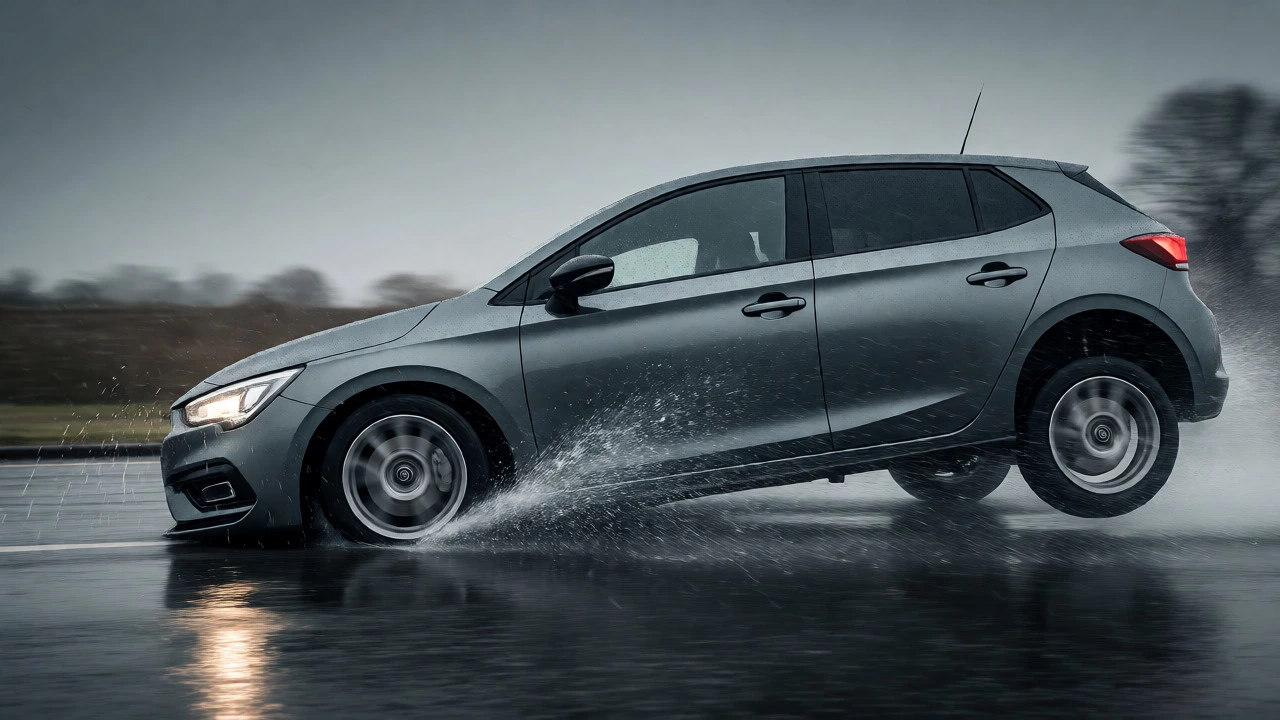
Conversely, the rear brakes often struggle for traction under hard braking because the weight has shifted away from them. If the rear brakes tried to apply the same clamping force as the fronts, the wheels would lock, causing the back end to slide sideways-a dangerous scenario called "lift-off oversteer." Therefore, manufacturers design the hydraulic system to send less pressure to the rear calipers, further reducing their workload and extending their life.
Exceptions: When Rear Brakes Wear Faster
While the rule of thumb is solid, there are notable exceptions. Not all cars follow the standard front-heavy wear pattern. If you drive a high-performance sports car or a heavily modified vehicle, you might see different results. Some track-focused setups bias braking force rearward to improve stability during cornering, though this is rare in daily drivers.
A more common exception involves electronic parking brakes (EPB). In many modern cars, the rear brake mechanism doubles as the parking brake. If you habitually rely on the foot brake to hold the car on a hill instead of using the handbrake or EPB, you're forcing the rear pads to handle static loads they aren't optimized for. Additionally, if the rear caliper slides seize due to rust or lack of lubrication, the pads will drag constantly, wearing out prematurely even if the car isn't moving.
How Driving Style Impacts Longevity
Your habits play a massive role in which components fail first. Aggressive city driving accelerates front pad wear dramatically. Stop-and-go traffic means constant low-speed braking, where heat builds up rapidly without enough airflow to cool the discs down. Overheated pads glaze over, losing effectiveness and requiring replacement sooner.
Highway driving is kinder to your brakes. At steady speeds, you use engine braking and coasting more than physical friction. However, sudden emergency stops from high speed put immense stress on the front pads. If you frequently tow trailers or carry heavy loads, the added mass amplifies weight transfer, shortening the lifespan of both axles but hitting the fronts hardest.
- City Commuter: Expect front pads to need changing every 25,000-35,000 miles.
- Motorway Driver: Front pads may last 50,000+ miles; rears could go untouched for years.
- Towing/Heavy Load: Check all four corners every 20,000 miles.
Signs Your Brakes Are Failing
Don't wait for the grinding noise-that usually means metal-on-metal contact, which damages the rotor too. Modern cars have sensors, but relying solely on the dashboard warning light can be risky. A sensor wire might break before the pad actually runs out, giving a false alarm, or it might be absent entirely on older models.
Watch for these physical cues:
- Vibration: A pulsating brake pedal indicates warped rotors, often caused by overheating from worn pads.
- Squealing: Most pads have a built-in wear indicator tab. When the pad gets thin, this metal tab scrapes the rotor, creating a high-pitched squeal.
- Pull to One Side: If the car pulls left or right when braking, one caliper might be sticking, causing uneven wear.
- Deep Grinding: This is the sound of the backing plate scraping the steel rotor. Immediate replacement is needed.
Maintenance Tips to Balance Wear
You can't change the laws of physics, but you can extend the life of your front pads. Engine braking is your best friend. Downshifting in a manual transmission or using lower gears in an automatic reduces reliance on the friction brakes. This keeps the pads cooler and saves material.
Regular inspections are vital. Have a mechanic check the thickness of the pads during tire rotations. While you're at it, ask them to clean and lubricate the caliper pins. Sticking calipers are a silent killer of brake pads. If a pin seizes, the pad stays partially engaged, dragging against the rotor and burning through material unnecessarily. This is particularly common in the UK, where road salt and damp weather accelerate corrosion.
Frequently Asked Questions
Can I replace just the front brake pads?
Yes, you should always replace brake pads in axle sets (both fronts together), but you rarely need to replace the rear pads at the same time unless they are also near the end of their life. Replacing only one side can cause uneven braking and pulling.
Why do my rear brakes wear out faster than expected?
This is often due to seized caliper slides or a faulty parking brake cable that doesn't fully release. It can also happen if the proportioning valve sends too much pressure to the rear, though this is less common in modern ABS-equipped vehicles.
Do electric cars wear brakes differently?
Electric vehicles (EVs) use regenerative braking to slow down, which recovers energy and reduces mechanical brake usage. As a result, EV brake pads often last much longer than those in internal combustion engines, sometimes exceeding 100,000 miles. However, they can corrode from disuse, so occasional firm braking is recommended to keep them clean.
Is it dangerous to drive with worn rear brakes?
Yes. While the fronts provide most of the stopping power, the rear brakes stabilize the car. Worn rears increase stopping distance and can cause the rear end to fishtail during hard braking or wet conditions, leading to loss of control.
How thick should brake pads be before replacing?
New pads are typically 10-12mm thick. Replace them when they reach 3mm. Below 3mm, the risk of damage to the rotor increases, and braking efficiency drops significantly. Many mechanics recommend replacing at 4mm for safety margin.