Exhaust System Diameter Calculator
Determine the ideal exhaust pipe diameter for your vehicle based on engine specifications. The right size improves performance, maintains torque, and ensures street legality.
Note This recommendation ensures optimal exhaust flow without sacrificing low-end torque and meets street legality standards.
Article Insight: "For most street cars, 2.25 to 2.5 inches is ideal. Performance cars over 300 horsepower might need 3 inches." - Exhaust System Buyer's Guide
Buying a new exhaust system isn’t just about making your car sound louder. It’s about performance, durability, legality, and even fuel efficiency. Too many people pick the shiniest or loudest option without checking the basics-and end up regretting it months later. Whether you’re upgrading for better flow, a deeper tone, or just replacing a rusted-out stock system, knowing what to look for saves you money and hassle.
Material Matters More Than You Think
The material of your exhaust determines how long it lasts. Most factory exhausts use mild steel because it’s cheap, but it rusts fast, especially in wet climates like Manchester. You’ll see rust spots in under two years if you drive in rain or salted roads.
Stainless steel is the smart upgrade. Grade 409 is common and resists corrosion better than mild steel. Grade 304 is even better-more resistant to rust, heat, and oxidation. It costs more upfront, but it can last the lifetime of your car. If you’re replacing a worn-out exhaust, go for 304 stainless. You won’t need to replace it again.
Aluminum and titanium are used in high-end racing exhausts, but they’re overkill for daily drivers. Titanium is light and strong, but it’s expensive and can be too brittle for rough roads. Skip it unless you’re track-focused.
Design Affects Performance
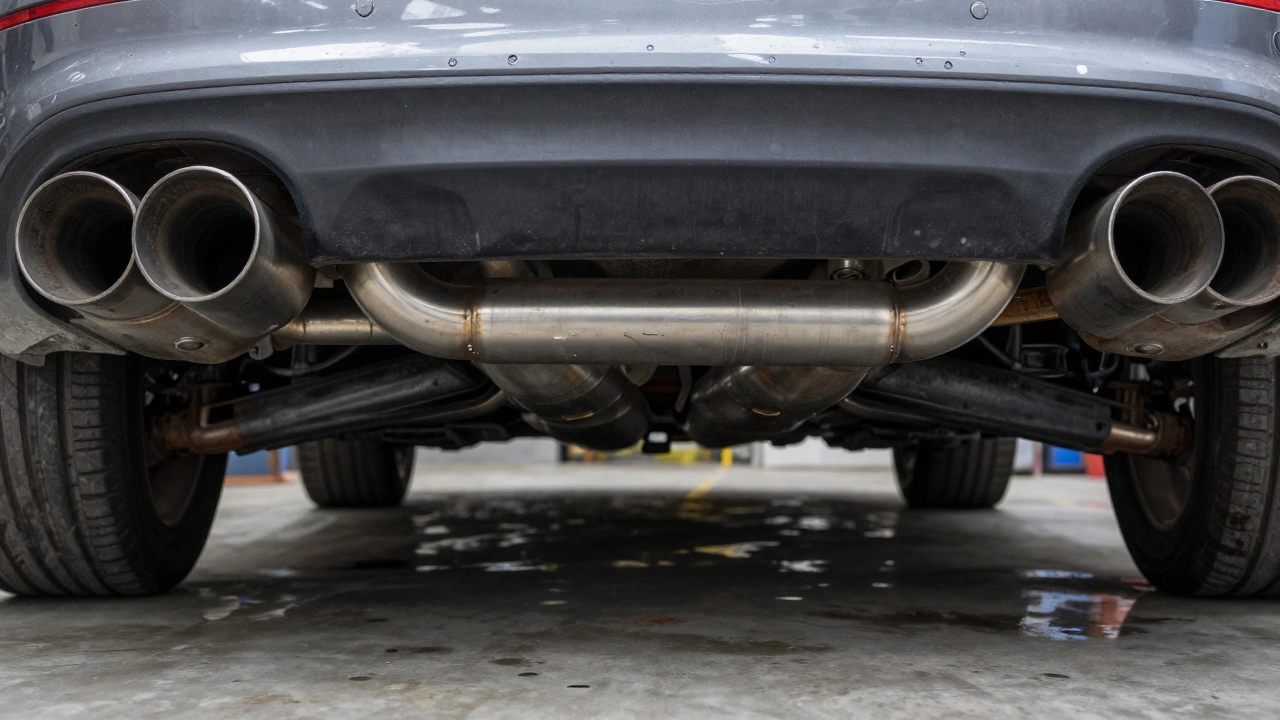
Not all exhausts are created equal just because they fit your car. The internal design impacts how well your engine breathes. A true dual exhaust system with separate pipes from each cylinder bank improves scavenging-helping exhaust gases exit faster. This lets fresh air and fuel enter more efficiently, boosting horsepower and torque.
Look for mandrel-bent tubing. This means the bends in the pipe are smoothly curved without crushing or pinching the walls. Cheap exhausts use crush-bent pipes that restrict flow. You can’t always see this, but reputable brands list it in the specs. If they don’t mention mandrel bending, assume it’s not there.
Also check the diameter. Too small, and you restrict flow. Too big, and you lose low-end torque. For most street cars, 2.25 to 2.5 inches is ideal. Performance cars over 300 horsepower might need 3 inches. Match it to your engine size and tune. A turbocharged 2.0L doesn’t need the same exhaust as a 5.0L V8.
Noise Level: Legal and Practical
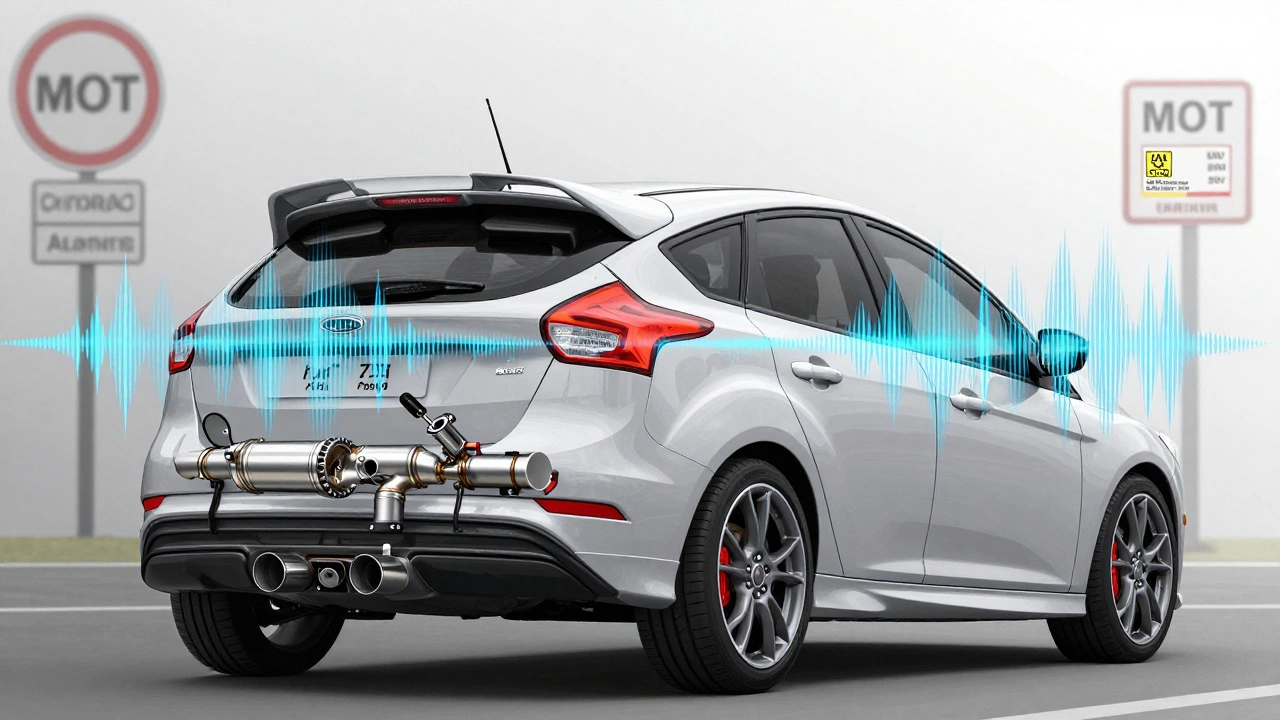
Loud doesn’t mean better. In the UK, exhaust noise is regulated under the Road Vehicles (Construction and Use) Regulations 1986. If your exhaust is louder than the original when the car was manufactured, you can fail an MOT. Inspectors don’t measure decibels with a meter-they listen. A rumbling, deep tone is fine. A buzzing, droning, or excessively loud rasp? That’s a red flag.
Some aftermarket systems come with removable baffles or valves. These let you switch between quiet and loud modes. That’s ideal if you want to cruise quietly to work and then open it up on the weekend. Look for systems with a valve-controlled design if you want flexibility.
Also, avoid systems that sound like a lawn mower. That’s usually a sign of poor tuning or cheap construction. A good exhaust should sound rich and resonant-not harsh or tinny.
Fitment Is Non-Negotiable
Just because an exhaust says it fits a Ford Focus doesn’t mean it fits your specific year and model. There are differences between trim levels, engine types, and even production dates. A 2018 Focus ST has a different rear bumper and suspension layout than a 2018 Focus Zetec. The exhaust might look similar, but the hangers, flanges, or catalytic converter placement could be off.
Always check the manufacturer’s fitment list. Reputable brands list exact model years, engine codes, and sometimes even trim levels. If the product page just says “fits Ford Focus,” walk away. Look for brands that specialize in your car’s make and model. Brands like Milltek, Akrapovič, or Supersprint usually have detailed fitment guides.
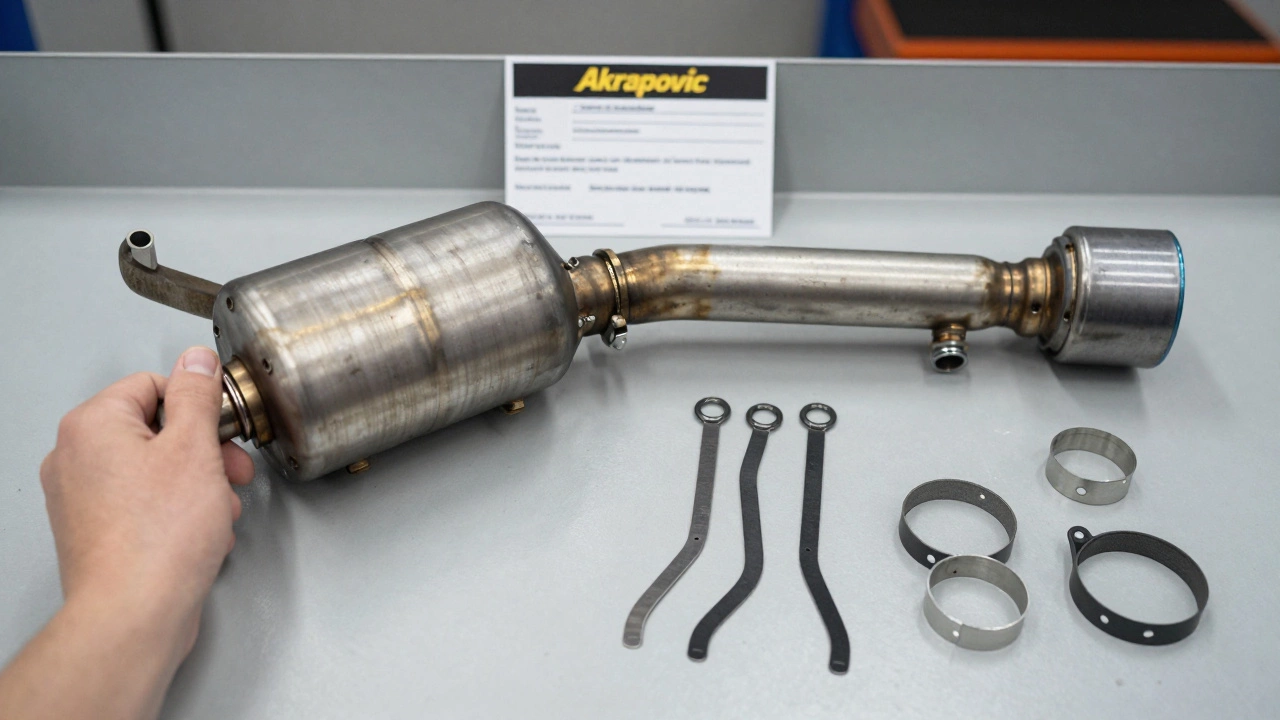
Also, check if the system includes all necessary hardware: hangers, clamps, gaskets, and mounting brackets. Missing parts mean extra trips to the auto shop. A complete kit saves time and avoids frustration.
Catalytic Converter and Emissions
If your car came with a catalytic converter (and almost all petrol cars since 1993 did), you can’t legally remove it. Even if you’re not in the UK anymore, replacing it with a catless pipe will cause your car to fail emissions tests and trigger a check engine light. The ECU monitors oxygen sensors before and after the cat. If the signal changes too much, it throws a fault.
Look for high-flow catalytic converters if you want better flow without breaking the law. These use a less restrictive honeycomb structure and can improve performance slightly while still passing emissions. Brands like GReddy and Remus make legal high-flow cats that are tested for road use.
Never buy a system that says “cat delete” unless you’re building a track car that’ll never see public roads. In the UK, tampering with emissions equipment can lead to fines and invalid insurance.
Warranty and Support
A good exhaust brand stands behind its product. Look for at least a 2-year warranty. Some premium brands offer lifetime warranties on stainless steel systems. That’s a sign they trust their build quality.
Also check if the company offers customer support. Can you email them with fitment questions? Do they have installation guides? If the website is bare-bones or the contact page says “email us if you have issues,” that’s a red flag. Brands like Remus and Akrapovič have detailed installation videos and even phone support for UK customers.
And don’t forget: installation matters. A poorly installed exhaust can rattle, leak, or even damage your car’s underbody. If you’re not confident doing it yourself, pay for professional installation. It’s worth the extra £50-£100.
Price vs Value
Exhaust systems range from £100 to over £2,000. The cheapest ones are usually made of mild steel, have crush bends, and come with no warranty. They might look okay at first, but they’ll rust, rattle, or leak within a year.
The sweet spot is £300-£700 for a stainless steel system with mandrel bends, proper fitment, and a solid warranty. That’s where you get real performance gains, durability, and peace of mind.
Don’t be fooled by flashy marketing. A system that says “race proven” doesn’t mean it’s street legal. A system that says “increases horsepower by 25%” is likely exaggerating. Real gains on a stock car are usually 5-15 hp, depending on the engine. Focus on build quality, not hype.
Final Checklist Before You Buy
- Material: Go for 304 stainless steel.
- Bends: Must be mandrel-bent, not crush-bent.
- Diameter: Match your engine size (2.25-2.5 inches for most cars).
- Noise: Should be deep and resonant, not buzzy or too loud.
- Fitment: Must list your exact car model, year, and engine code.
- Cat: Must include a legal catalytic converter if your car had one.
- Hardware: Comes with all hangers, clamps, and gaskets.
- Warranty: At least 2 years, preferably lifetime on stainless.
- Brand: Stick to known names with UK customer support.
Choosing the right exhaust isn’t about chasing sound or looks. It’s about matching the right components to your driving habits, climate, and legal requirements. Take the time to research, and you’ll drive with confidence-for years to come.