Suspension Health Diagnostic Tool
Select the symptoms or observations you have noticed with your vehicle to receive a preliminary diagnosis and severity assessment.
You’re driving along the M60, and suddenly your car feels like it’s floating. Or maybe you hit a pothole in Manchester that rattled your teeth, and now there’s a weird clunking noise every time you turn the wheel. It’s easy to ignore these things until they become expensive repairs. But how do you know if your suspension is actually damaged, or if you’re just being paranoid? The truth is, suspension components wear out gradually. By the time you notice a major issue, other parts might already be suffering. Catching it early saves money and keeps you safe.
| Symptom | Likely Part at Fault | Severity Level |
|---|---|---|
| Bouncing after bumps | Shock Absorbers / Struts | Medium - Handle with care |
| Clunking over speed bumps | Control Arm Bushings / Ball Joints | High - Inspect immediately |
| Car pulls to one side | Tie Rod Ends / Alignment | Medium - Affects steering |
| Uneven tire wear | Worn Springs / Misalignment | Low - Long-term cost issue |
| Steering wheel vibration | Loose Components / Worn Mounts | High - Safety risk |
The Bounce Test: Your First Line of Defense
Here’s a trick mechanics use all the time. Park your car on a flat surface. Go to one corner and press down firmly on the fender or bumper. Push hard enough to compress the spring, then let go instantly. Watch what happens. If the car bounces more than once or twice before settling, your shock absorbers are likely shot. Healthy shocks dampen movement; dead ones let the spring oscillate freely. Repeat this for all four corners. If one corner behaves differently than the others, you’ve found your problem area. This test works because it isolates the damping function from the spring support. It’s crude, but effective for a quick diagnostic.
Listen for Noises That Don’t Belong
Your car talks to you. You just have to listen. A healthy suspension is quiet. When things wear out, metal hits metal, or rubber tears. Listen for clunking, knocking, or creaking sounds when going over bumps or turning. A deep thud often points to worn control arm bushings. These rubber pieces isolate the metal arms from the chassis. When they dry out or crack, the metal-on-metal contact creates that heavy knock.
Creaking, especially when turning the steering wheel while stationary, usually signals bad strut mounts. These are the bearings and rubber pads at the top of your struts. They allow the strut to rotate as you steer. If they seize up, you’ll hear a groan or pop through the dashboard. Don’t confuse this with brake squeal. Brake noise happens when braking; suspension noise happens when moving over uneven surfaces.

Inspect Visual Clues Under the Hood and Wheel Well
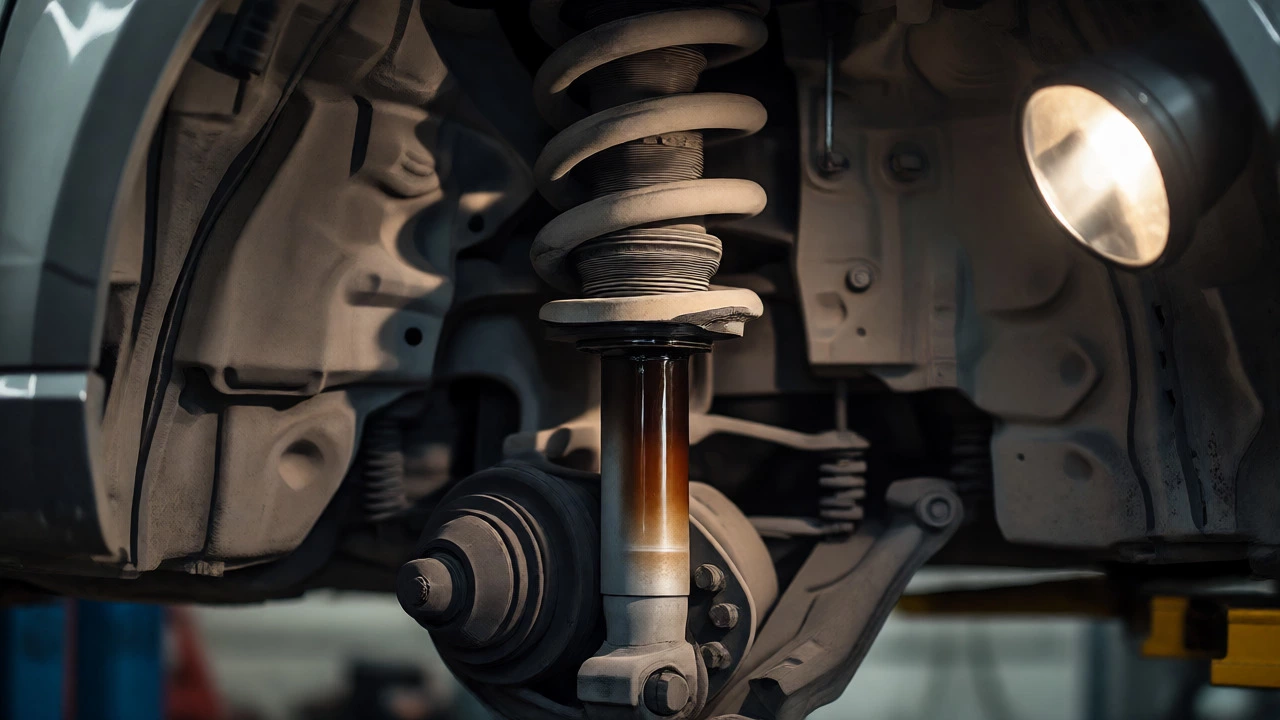
Get down low. Look behind the wheels. You’re looking for oil leaks on the shock absorber shafts. Shocks contain hydraulic fluid. If the seal fails, oil seeps out. A wet, oily rod means the damper is leaking and no longer working effectively. It’s not always dramatic-sometimes it’s just a light film of dust and grime stuck to the rod. But if it’s dripping, replace it.
Check the coil springs too. Rust is normal, but cracks aren’t. A broken spring coil can cause the car to sit lower on one side. It also changes the geometry of the suspension, leading to weird handling. If you see a gap where a coil should be, or if the spring looks snapped near the end, you need a replacement. Driving on a broken spring can puncture a tire or damage the strut housing.
Evaluate How the Car Handles and Brakes
Driving dynamics tell a huge story. Does your car feel floaty? Do you have to correct the steering constantly on straight roads? This suggests worn shocks or misaligned components. Poor suspension leads to excessive body roll when cornering. If you feel like you’re tipping over in a roundabout, your anti-roll bar links or bushings might be loose.
Braking performance drops too. Good suspension keeps the tires planted. Bad suspension causes nose dive during braking. If the front end plunges excessively, the rear tires lose grip, increasing stopping distance. You might also experience brake fade faster because the brakes work harder to compensate for unstable weight transfer. If your ABS kicks in unexpectedly on smooth pavement, suspect the suspension sensors or mounting points.
Check Tire Wear Patterns
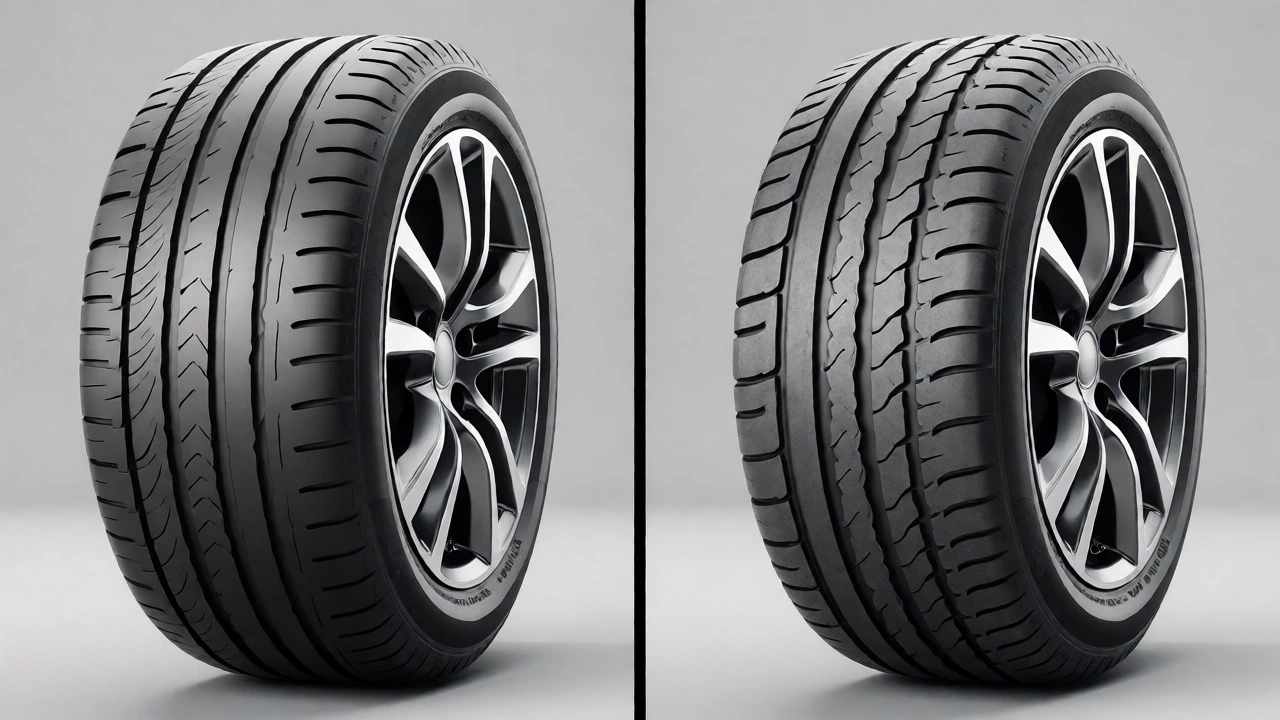
Tires are the footprint of your suspension health. Run your hand across the tread. Is it smooth in some spots and rough in others? Uneven wear is a smoking gun. Cupping or scalloping-where the tire has dips and hills around its circumference-is a classic sign of worn shocks. The tire isn’t staying flat against the road; it’s bouncing slightly, wearing in patches.
If the inside or outside edge is worn significantly more than the center, you likely have an alignment issue caused by bent control arms or worn ball joints. Don’t just buy new tires. Fix the suspension first. Otherwise, you’ll destroy the new set in a few thousand miles.
When to Call a Professional
Some checks are DIY-friendly. Others require a lift and torque wrench. If you suspect ball joint failure, stop driving. A failed ball joint can separate the wheel from the hub, causing loss of control. It’s rare, but catastrophic. Similarly, if you hear grinding noises from the wheel bearing area, get it checked. While not strictly suspension, bearings interact closely with the knuckle and hub assembly.
Also, consider the age of your car. In the UK, many cars run for 10+ years. Rubber components degrade over time regardless of mileage. Sunlight, ozone, and temperature cycles harden rubber. Even if your car has low miles, old bushings can fail. If your car is over 8-10 years old and feels harsh, budget for a full suspension refresh, including mounts and bushings.
Can I drive with a broken suspension part?
It depends on the part. A worn shock absorber makes the ride uncomfortable and less safe, but you can usually drive short distances carefully. However, a broken coil spring, torn control arm bushing, or failed ball joint poses immediate safety risks. Avoid high speeds and aggressive maneuvers. If you hear loud clunks or the car pulls violently, stop driving and call a tow truck.
How much does it cost to fix suspension damage?
Costs vary wildly based on the vehicle and labor rates. Replacing a pair of shock absorbers might cost £150-£400 including parts and labor. Control arm replacements can range from £200-£600 per side. Full strut assemblies are more expensive, often £300-£800 per corner. Always get multiple quotes. Independent garages often charge less than dealerships for suspension work.
Do bad shocks affect fuel economy?
Indirectly, yes. Worn shocks increase rolling resistance because the tires don’t maintain consistent contact with the road. The engine has to work harder to overcome this drag. Additionally, poor suspension leads to inefficient aerodynamics due to excessive body motion. While the impact isn’t massive, you might see a slight drop in MPG, especially on motorway drives.
Is it better to replace shocks in pairs?
Yes, always replace shocks or struts in axle pairs (both fronts or both rears). Mixing new and old components creates uneven damping characteristics. This can make the car unpredictable and unsafe, especially during emergency braking or cornering. Replacing them together ensures balanced handling and extends the life of the new parts.
What tools do I need for a basic suspension check?
For a visual and physical check, you only need a flashlight, gloves, and possibly a pry bar to test bushing play. For actual replacement, you’ll need jack stands, a floor jack, socket sets, torque wrenches, and potentially spring compressors if you’re replacing coils. Safety glasses are mandatory when working under cars.