Clutch Replacement Estimator & Diagnostic Tool
Use this tool to get a realistic estimate for your clutch job and check if your symptoms match common failure signs.
Select any symptoms you are experiencing:
You’re driving along, and suddenly the gears start grinding. The pedal feels spongy, or worse, you can’t get into second without your heart skipping a beat. Your mechanic says it’s time for a clutch replacement. Then they drop the quote: "It's a big job." You stare at them, wondering if that means an hour or a weekend. Does it really take that long? Is it worth doing yourself, or are you just asking for trouble?
The short answer is yes, it is a significant task. But "big" doesn't mean impossible, and it doesn't always mean expensive if you know what you're dealing with. Let’s break down why this specific part of your transmission system requires so much work, what actually goes into the clutch kit, and how to decide if you should tackle it in your driveway or hand over the keys.
Why Is It Considered a Major Repair?
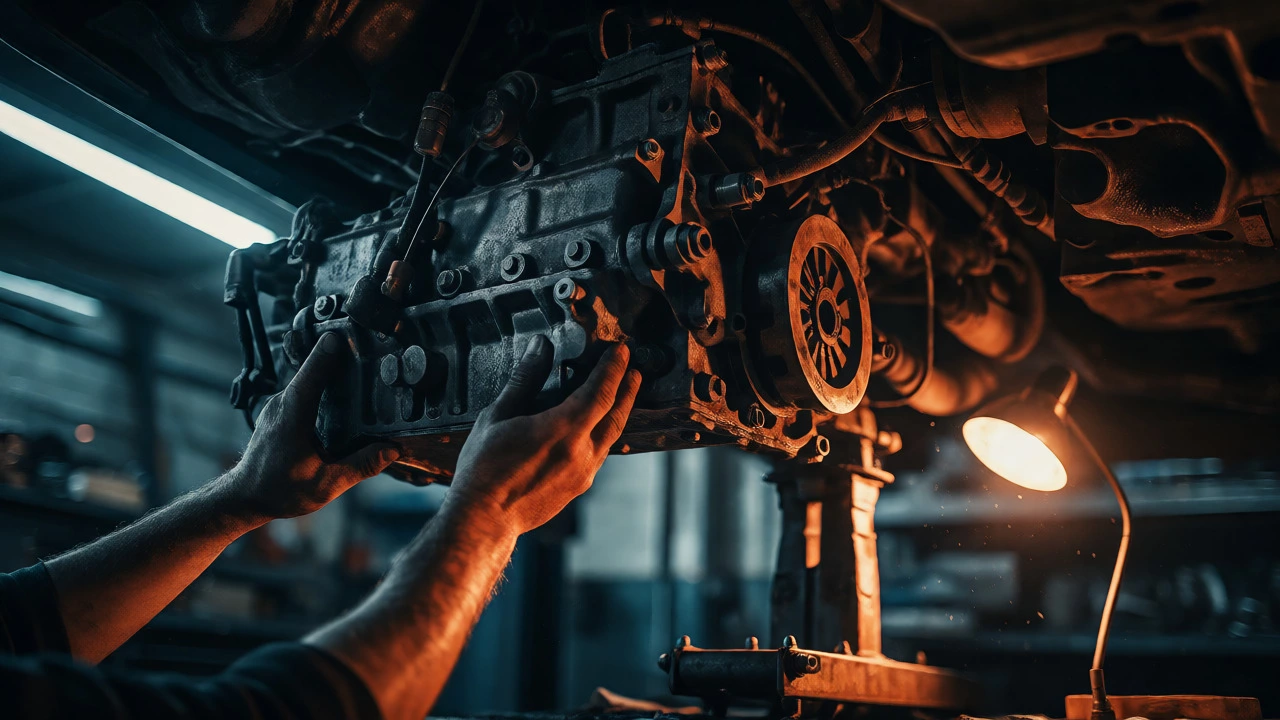
Here is the frustrating reality: the clutch itself isn't huge. In fact, the friction disc is about the size of a dinner plate. So why does it take four to eight hours of labor? Because of where it lives. To reach the clutch, you have to remove almost everything in front of the engine.
Think of it like changing a lightbulb behind a wall. You don't just unscrew the bulb; you have to tear down the drywall first. For most cars, especially front-wheel-drive vehicles common in the UK, the gearbox sits bolted directly to the engine. To separate them, you need to:
- Drain the transmission fluid.
- Disconnect the battery and various electrical harnesses.
- Remove the driveshafts (half-shafts) that send power to the wheels.
- Unbolt the exhaust system components near the catalytic converter.
- Support the engine with a jack stand because the mount underneath will be gone.
- Lower the entire gearbox onto a trolley.
This physical access issue is the primary reason labor costs skyrocket. If your car has a transverse engine layout (engine sideways), the gearbox often drops straight down. That’s the "easy" version. If you drive a rear-wheel-drive sports car or a truck with a longitudinal engine, the gearbox might slide backward out of a tunnel, which is slightly less chaotic but still heavy lifting.
What Exactly Is in a Clutch Kit?
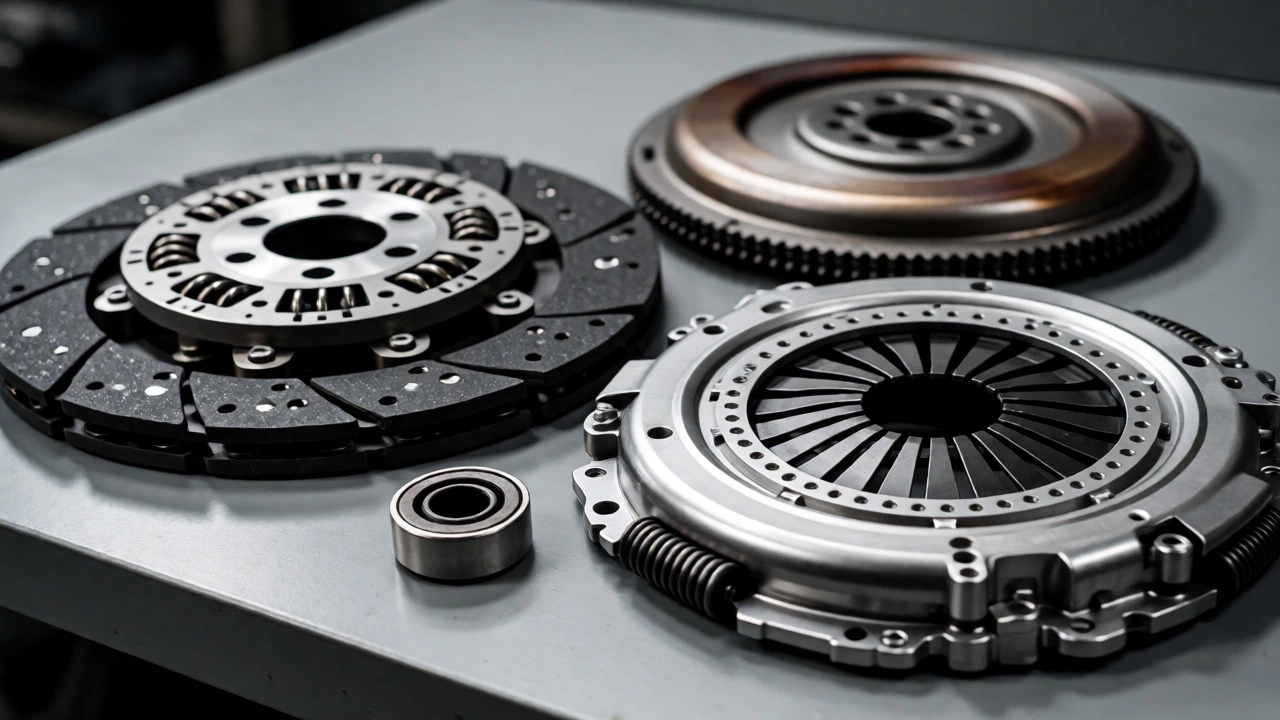
When people say they are replacing the clutch, they rarely replace just one part. They buy a clutch kit. This is a bundled set of components designed to wear together. Buying these separately often leads to mismatched wear rates and premature failure.
A standard high-quality kit from brands like LuK, Sachs, or Valeo typically includes three main parts:
- The Friction Disc: This is the part with the spring-loaded damper hubs. It grips the flywheel and spins the input shaft of the gearbox. When the springs inside it break, you get rattling noises.
- The Pressure Plate: This is the metal cover that clamps the friction disc against the flywheel. It uses a diaphragm spring (a giant washer-like spring) to apply pressure. If this warps or cracks, the clutch slips.
- The Release Bearing (Throw-out Bearing): This small bearing presses on the pressure plate when you step on the pedal. It’s cheap to buy but incredibly annoying to replace later if you skip it now. Always change it.
Some kits also include a pilot bearing or bushing, depending on your car model. Check your service manual. If you leave the old release bearing in, and it fails six months later, you’ll have to pay for another full gearbox removal. That’s a false economy.
DIY vs. Professional Mechanic: Who Should Do It?
Can you do it yourself? Yes, thousands of enthusiasts do every year. But should you? That depends on your tools, your space, and your tolerance for pain.
Let’s look at the trade-offs honestly.
| Factor | DIY Approach | Professional Mechanic |
|---|---|---|
| Time Required | 8-15 hours (if you have help) | 4-6 hours (labor charge) |
| Cost Savings | High (save £300-£600 in labor) | Low (you pay for expertise) |
| Tools Needed | Jack stands, transmission jack, torque wrench, specialty pullers | All included in shop rate |
| Risk Factor | High (dropping gearbox, stripped bolts) | Low (insured work) |
| Alignment Difficulty | Hard (requires centering tool) | Easy (standard procedure) |
If you live in Manchester, like many of us do, you might not have a heated garage. Working under a car in November rain while trying to align a splined shaft is miserable. Furthermore, modern cars have complex electronic sensors on the gearbox. A mistake here can trigger check-engine lights that cost extra to diagnose.
However, if you have a friend with a transmission jack (a hydraulic lift specifically for gearboxes), good lighting, and a day off, the satisfaction of saving that labor cost is real. Just be prepared for rusted bolts. On older cars, exhaust bolts seize solidly. You’ll need penetrating oil and patience, or a torch if you’re careful.
Signs You Actually Need a New Clutch
Don’t replace it just because the pedal feels weird. Diagnose it properly. Here are the concrete symptoms that point to a failing friction material:
- Slipping: Revs go up, but speed doesn’t match. Try accelerating in 3rd gear at low RPM. If the engine roars but the car barely moves, the clutch is slipping.
- Shuddering: When you let the clutch out slowly from a stop, does the whole car shake violently? That’s usually a warped flywheel or contaminated friction surface.
- Difficulty Shifting: Can you get into reverse easily? If not, the release bearing or hydraulic slave cylinder might be failing, preventing the clutch from fully disengaging.
- Squealing Noise: A high-pitched squeal when you press the pedal indicates the release bearing is dying. If you hear a growl when the pedal is pressed, it’s likely the input shaft bearing.
Note: If your car only has issues shifting when cold, check your transmission fluid level first. Low fluid can mimic clutch problems. Don’t buy a £200 kit until you’ve checked the basics.
The Hidden Costs: Flywheel Resurfacing
Here is the trap many people fall into. They buy a new clutch kit, install it, and then the new clutch slips after 5,000 miles. Why? Because they didn’t address the flywheel.
The flywheel is the heavy metal disc attached to the engine crankshaft. The clutch grabs onto it. Over time, heat creates hot spots, causing the flywheel surface to warp or crack. If you put a brand-new flat friction disc on a warped flywheel, they won’t make proper contact. You’ll lose grip immediately.
You have two options:
- Resurface (Skim): Take the flywheel to a machine shop. They grind off a thin layer of metal to create a perfectly flat surface. Cost: £40-£80. Good for mild wear.
- Replace: Buy a new dual-mass flywheel (common in diesel cars). Cost: £150-£400+. Essential if the internal dampers are broken (rattling noise).
Always ask your mechanic to measure the flywheel runout. If it’s more than 0.1mm, resurface it. Ignoring this step is the number one cause of premature clutch failure.
How to Extend Your New Clutch’s Life
Once you’ve paid for the job, keep it working. Modern clutches are durable, but bad habits kill them fast.
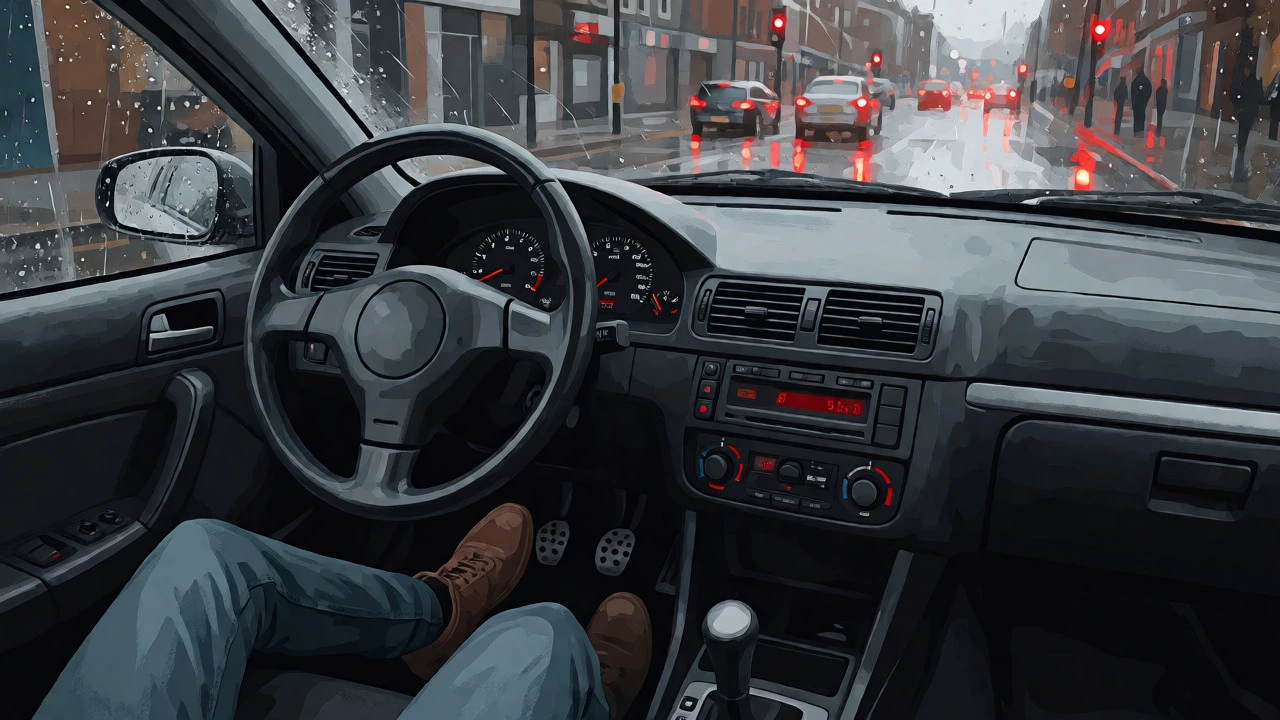
- Don’t Rest Your Foot: Keep your left foot off the pedal unless you are actively changing gears. Hovering your foot applies slight pressure, causing micro-slippage and heat buildup.
- Use the Handbrake: At traffic lights, use the handbrake instead of holding the clutch down. It saves the release bearing and reduces fatigue.
- Smooth Engagement: Avoid dumping the clutch (releasing it instantly) unless necessary. Smooth engagement reduces shock loads on the drivetrain.
- Check Fluid Leaks: Ensure no engine oil leaks onto the bell housing. Oil contamination destroys friction material rapidly.
If you treat it well, a quality OEM clutch kit can last 60,000 to 100,000 miles in mixed driving conditions. City driving wears them faster due to constant stop-start cycles.
Frequently Asked Questions
How much does it cost to replace a clutch in the UK?
Parts alone range from £150 to £400 depending on the vehicle. Labor typically adds £300 to £600. Total costs often sit between £500 and £900 for average cars. High-performance or luxury vehicles can exceed £1,500.
Can I drive with a bad clutch?
You can drive cautiously for a short time if it’s just slipping slightly. However, if the clutch fails completely, you may get stuck in one gear or unable to move. Driving with a slipping clutch accelerates damage to the flywheel, turning a simple repair into a major one.
Do I need to replace the flywheel every time?
Not always, but you must inspect it. If the surface is smooth and within tolerance, it can be reused. If it’s warped, cracked, or heavily scored, you must resurface or replace it. Many mechanics recommend replacing dual-mass flywheels with single-mass conversions for durability, though this increases vibration.
How long does a clutch replacement take?
For a professional, expect 4 to 6 hours of labor. For a DIYer, plan for a full weekend. Complexity varies by car model; some require removing subframes or cooling systems, adding significant time.
What tools are essential for DIY clutch replacement?
Beyond basic sockets, you need a transmission jack (or a sturdy floor jack with wood blocks), a clutch alignment tool, a torque wrench, and possibly a flywheel locking tool. Penetrating oil and safety glasses are mandatory.