Engine Damage – What It Is and How to Stop It
When dealing with Engine Damage, any condition that harms the internal components of a vehicle's power unit. Also known as engine failure, it can stem from many small problems that grow big if ignored.
One of the most common culprits is the spark plug, the device that ignites the air‑fuel mixture in each cylinder. When a spark plug misfires, it forces the engine to run lean, raising cylinder temperature and accelerating wear – a direct pathway to engine damage. Another frequent offender is the clutch, the mechanism that connects and disconnects engine power to the transmission. A slipping or burned clutch can cause sudden torque spikes, stressing pistons and bearings. Finally, oil overfill, adding more engine oil than the manufacturer specifies, creates excessive foaming, reduces lubrication, and can lead to bearing wear – all classic signs of engine damage.
How These Parts Interact and Why They Matter
Engine damage encompasses component wear, heat buildup, and lubrication loss. It requires proper maintenance of each part—spark plugs need the right gap and clean electrodes, clutches need regular fluid checks, and oil levels must stay within the dipstick marks. When a spark plug fails, it influences engine temperature, which in turn affects oil viscosity and clutch performance. Over‑filling oil changes the pressure dynamics inside the crankcase, making it harder for the clutch to engage smoothly. These relationships mean that a single neglected part can start a chain reaction, turning a minor glitch into a major engine repair bill.
Beyond the three highlighted parts, other systems often signal the same underlying issue. Worn brake rotors can cause vibration that travels through the drivetrain, masking the real source of a rough idle. A bad suspension will let the engine move excessively, stressing mounting points and seals. By looking at the whole picture—spark plug health, clutch condition, oil level, brake feel, and suspension tone—you can spot the early warning signs before they become expensive fixes.
The posts below dive deep into each of these topics. You’ll find practical advice on spotting a failing spark plug, checking clutch wear, fixing oil‑level mistakes, and even recognizing when brake or suspension cues point to engine trouble. Armed with this knowledge, you’ll be able to diagnose, prevent, and repair engine damage before it knocks you off the road.
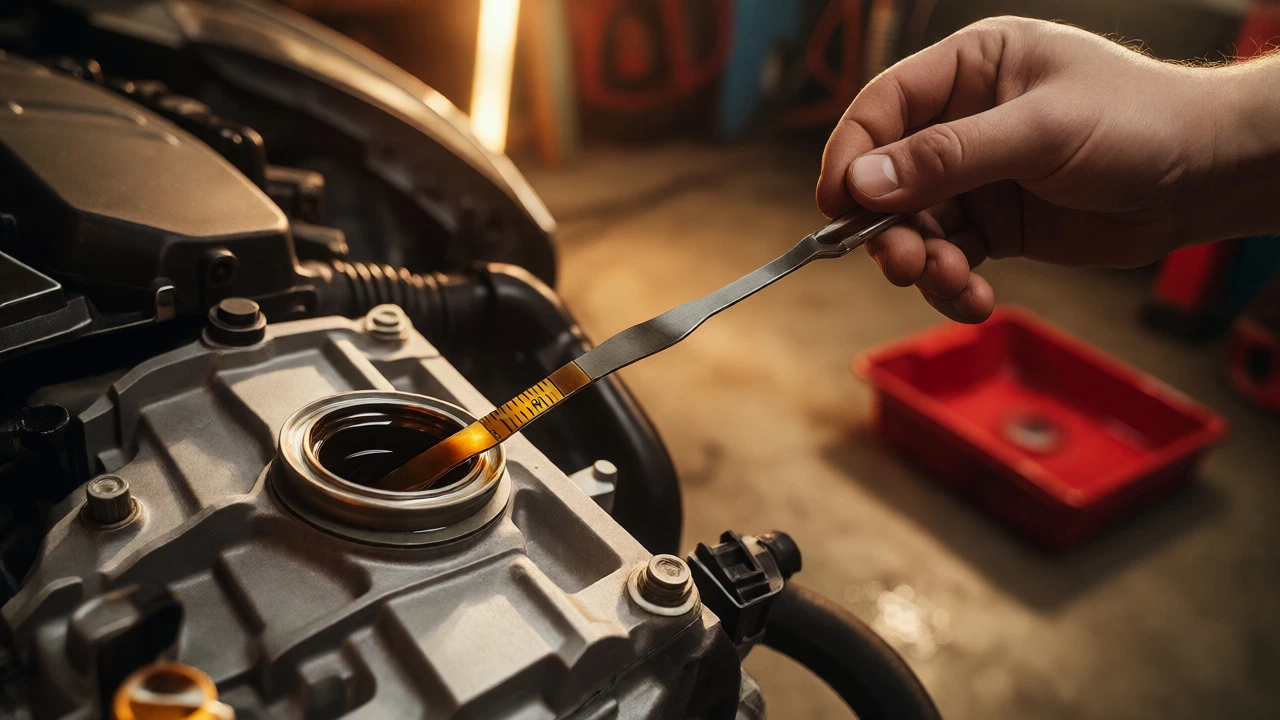
Is Slightly Overfilling Engine Oil Bad? Risks & Fixes
Oct 22 2026 / Engine OilAccidentally overfilled your engine oil? Learn when it's safe to drive, the risks of aeration and leaks, and how to fix it easily without draining the whole sump.
VIEW MORE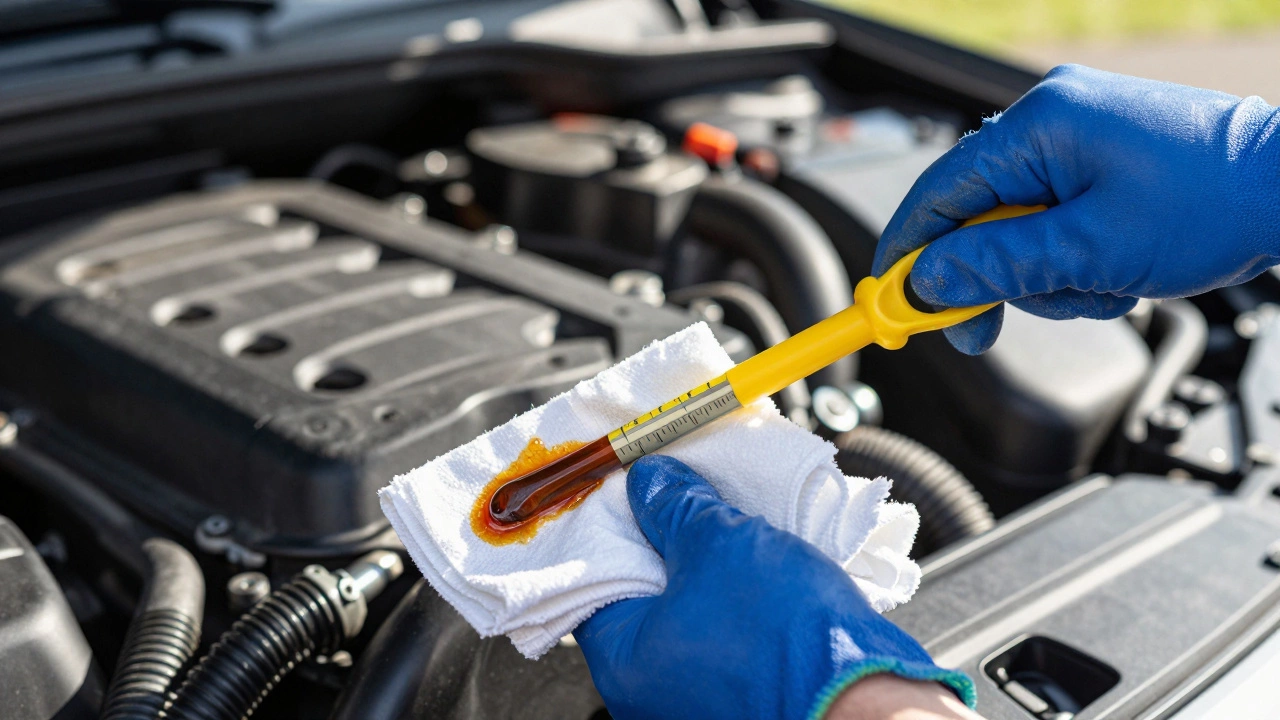
How Much Oil to Add When Low: Safe Top-Up Guide
May 31 2026 / Engine OilLearn exactly how much oil to add when your level is low. We explain how to read the dipstick, calculate the correct volume, and avoid the dangers of overfilling your engine.
VIEW MORE
Driving With Low Oil: Risks, Warning Signs, and Damage
Apr 13 2026 / Engine OilWondering what happens if you drive with low oil? Learn the risks of engine seizure, how to spot warning signs, and the cost of neglecting your engine oil.
VIEW MORE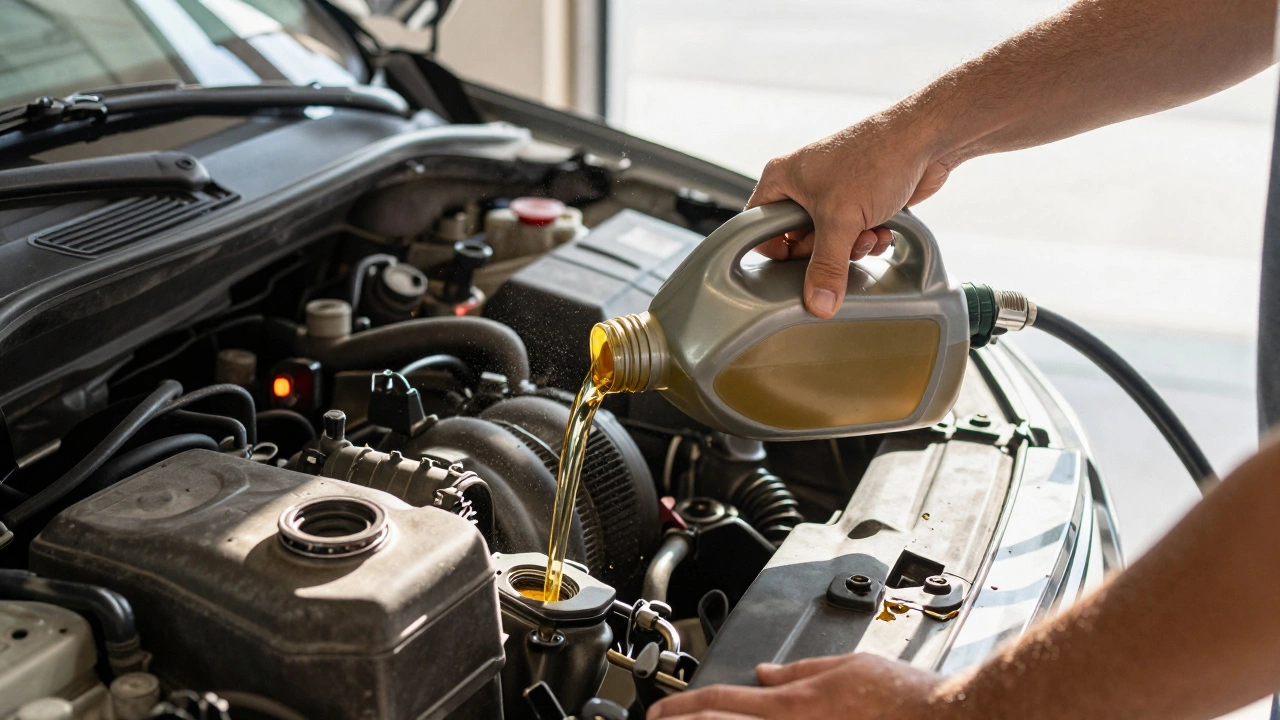
Can I Just Add More Oil? The Real Risk of Guessing Your Engine Oil Level
Mar 23 2026 / Engine OilAdding oil without diagnosing why it's low can cause serious engine damage. Learn why topping up isn't a fix, how overfilling harms your engine, and what to do instead to avoid costly repairs.
VIEW MORE
Can a Car Run on a Bad Radiator? Risks, Signs & What to Do
Oct 8 2025 / RadiatorsLearn if a car can run with a bad radiator, recognize overheating signs, understand risks, and discover temporary fixes and repair tips.
VIEW MORE
Skipping Engine Oil Changes: Risks, Damage & Costs Explained
Oct 8 2025 / Engine OilSkipping oil changes can cause sludge, bearing wear, overheating, and costly repairs. Learn the short‑term signs, long‑term damage and how to prevent them.
VIEW MORE
How Long Can a Car Engine Run Without Oil? Risks, Facts & Real-Life Failures
Jul 8 2025 / Car MaintenanceEver wondered how far your car could go without oil? Discover real numbers, shocking risks, and how to protect your engine for the long haul.
VIEW MORE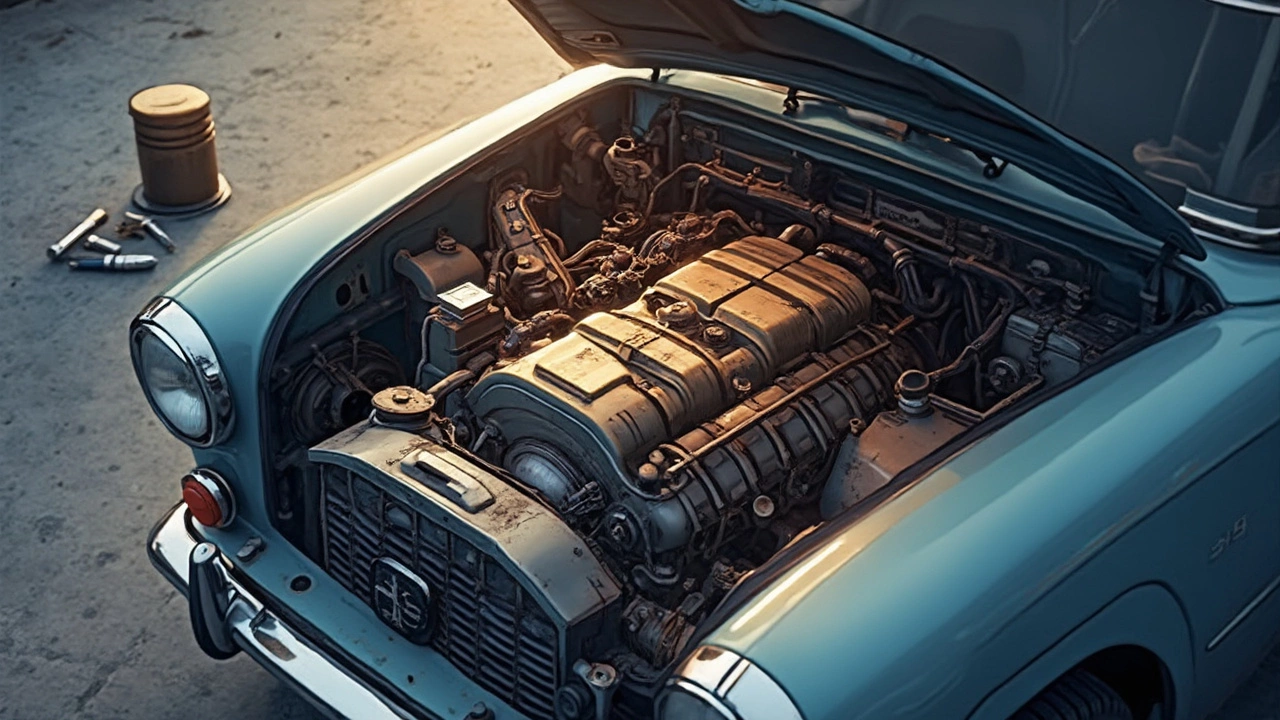
Engine Oil Low: What Really Happens to Your Car
May 18 2025 / Engine OilLow engine oil isn’t just a small problem—it can lead to big trouble if ignored. This article breaks down what actually happens inside your engine when oil runs low and how those changes can hurt your car. Find out the early warning signs, possible damage, and what you should do if you spot the issue. You’ll also get practical tips for keeping oil levels in check to avoid expensive repairs. Protect your engine and your wallet by knowing what’s at stake.
VIEW MORE