Spark Plug Replacement
When working with spark plug replacement, the process of removing worn plugs and fitting new ones to keep the engine firing correctly. Also known as plug change, it’s a core task for any car owner who wants a reliable ignition system. A healthy spark plug, the metal electrode that creates the spark for combustion works hand‑in‑hand with the ignition system, the network of coil, wires and distributor that sends voltage to each plug. Spark plug replacement therefore influences engine start‑up, fuel burn and emissions—all things that matter to everyday drivers.
Why You’ll Know It’s Time to Change
Most drivers notice the first clues when the engine starts to stumble. A classic engine misfire, a loss of power or uneven firing in one or more cylinders shows up as a rough idle, hesitation during acceleration, or a sudden drop in fuel economy. Those symptoms are direct results of a weak or fouled plug failing to spark at the right moment. In the UK, a drop of even 5 mpg can add up to extra fuel costs of several pounds a month, so catching the issue early saves money and keeps the car smooth.
Another tell‑tale sign is the check‑engine light flashing a code related to the ignition coil or misfire (P0300‑P0304). When that happens, the car’s computer has already logged the problem, and ignoring it can damage the catalytic converter. A fresh plug restores the correct spark gap, which brings the combustion process back into balance and protects downstream components.
Beyond performance, the environmental angle matters. Faulty plugs cause unburnt fuel to pass through the exhaust, raising emissions and potentially failing an MOT test. Replacing them keeps the exhaust cleaner and helps the vehicle meet legal standards.
What You Need Before You Start
Preparing for a plug swap doesn’t require a full workshop. The essential tools are a socket or spark plug wrench, a torque wrench set to the manufacturer’s spec (usually around 13–20 Nm), and a gap gauge to check the new plug’s electrode distance. Some kits also include anti‑seize compound for the threads, but many modern plugs have a coating that makes extra grease unnecessary.
Before you pull the old plug, disconnect the battery to avoid accidental short‑circuits. Then, label each wire or coil lead if the engine has a multi‑cylinder layout—this saves time when you reinstall the new parts. A quick visual inspection of the old plug can also tell you a lot: black carbon deposits suggest a rich fuel mixture, oily residue points to oil leaks, and a white chalky build‑up means the engine is running too lean.
Step‑by‑Step Replacement Process
1. Remove the ignition coil or spark plug wire by gently twisting and pulling it straight out.
2. Use the spark plug socket to turn the old plug counter‑clockwise until it comes free.
3. Check the new plug’s gap with a feeler gauge; adjust if needed by gently bending the electrode.
4. Apply a light coat of anti‑seize (if recommended) and screw the new plug in by hand to avoid cross‑threading.
5. Tighten with a torque wrench to the spec, then re‑attach the coil or wire.
6. Reconnect the battery and start the engine; you should hear a smoother idle and see the check‑engine light go off.
Following these steps ensures the plug sits at the correct depth and gap, which directly affects combustion efficiency. Proper torque prevents the plug from cracking under heat, and the right gap guarantees a strong spark that ignites the air‑fuel mixture at exactly the right moment.
When to Call a Professional
If you encounter a seized plug, stripped threads, or an engine that still runs rough after replacement, it’s wise to seek a qualified mechanic. Some modern cars have plug‑on coil packs that require specialized tools to remove without damaging the sensor wiring. A pro can also perform a full ignition system diagnostic, checking coil health, ECU settings, and fuel trim values that DIY tools can’t read.
Professional services typically charge between £30 and £70 for a basic replacement, depending on labour rates and vehicle make. Many garages include a complimentary ignition test, which can catch hidden issues before they become costly failures.
Whether you choose the DIY route or let a specialist handle it, keeping your plugs fresh is a small investment that pays off in smoother power delivery, better fuel economy, and a longer‑lasting engine. Below you’ll find articles that dive deeper into each of these topics—signs of wear, cost breakdowns, testing methods, and more—so you can decide the best approach for your car.
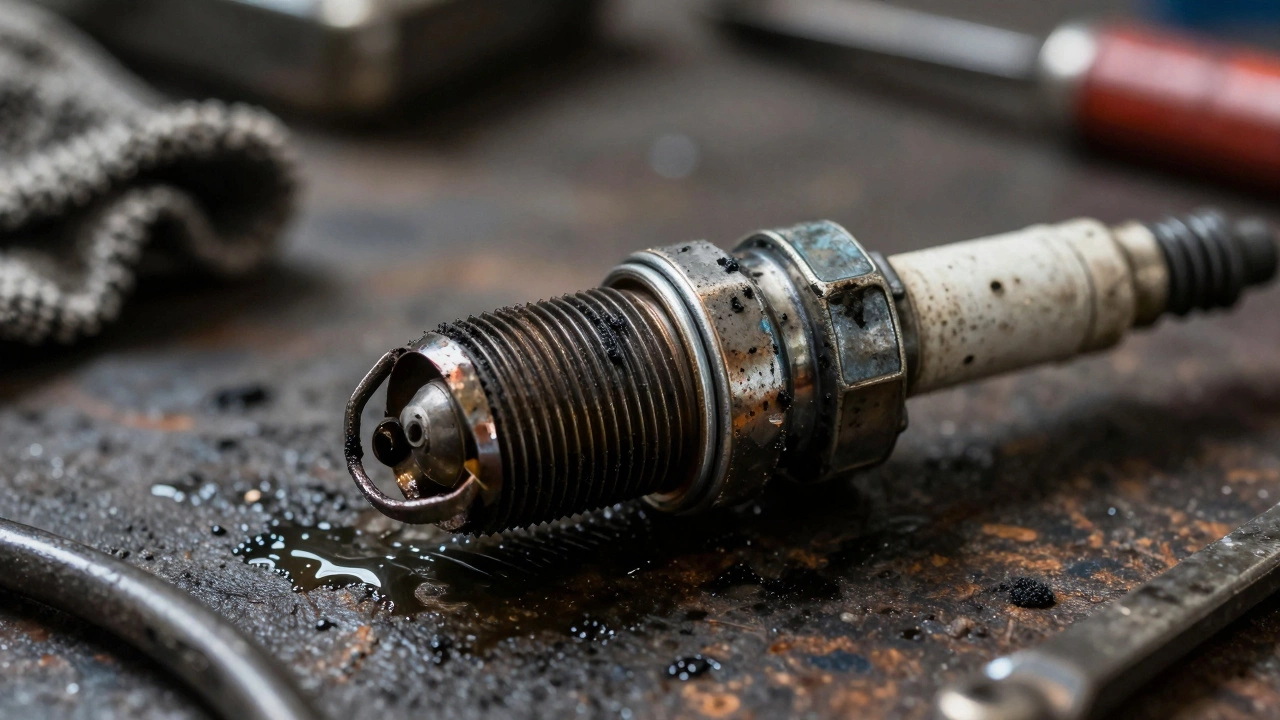
What Are the Symptoms of Bad Spark Plugs? Signs Your Engine Is Struggling
Mar 12 2026 / Ignition PartsBad spark plugs can cause misfires, poor fuel economy, hard starts, and engine damage. Learn the key symptoms and what happens if you ignore them.
VIEW MORE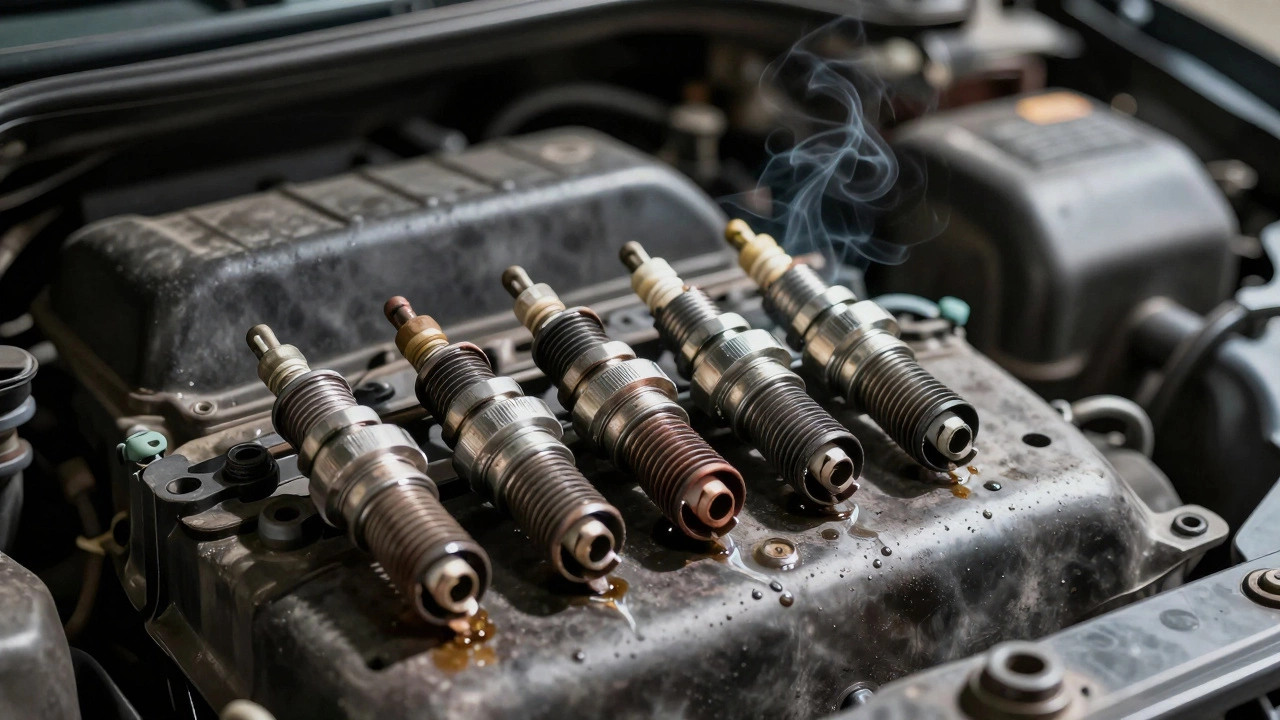
Is It OK to Change Only Some Spark Plugs? What Mechanics Really Say
Dec 28 2025 / Ignition PartsReplacing only some spark plugs may seem like a cost-saving trick, but it risks engine damage, poor fuel economy, and costly repairs. Mechanics recommend replacing all spark plugs at once for smooth performance and long-term savings.
VIEW MORE
Will New Spark Plugs Improve Starting? Here’s What Actually Happens
Dec 4 2025 / Ignition PartsNew spark plugs can improve car starting - but only if your old ones are worn or fouled. Learn the signs, when to replace them, and what else could be causing hard starts.
VIEW MORE
Is It OK to Change Spark Plugs But Not Wires? Here's What Really Matters
Nov 27 2025 / Ignition PartsYou can replace spark plugs without changing wires-but only if the wires are truly in good condition. Learn how to check them, when to replace both, and why skipping wires can cost you more later.
VIEW MORE
How Often Should You Replace Spark Plugs? Car Spark Plug Replacement Guide
Aug 5 2025 / Ignition PartsWondering when it's time to replace your spark plugs? Find out how often to change them, signs you need new ones, and tips for longer engine life.
VIEW MORE