Clutch Health Checker
Answer the following questions honestly to estimate the condition of your clutch. This tool helps identify if you need an adjustment, a replacement, or immediate professional attention.
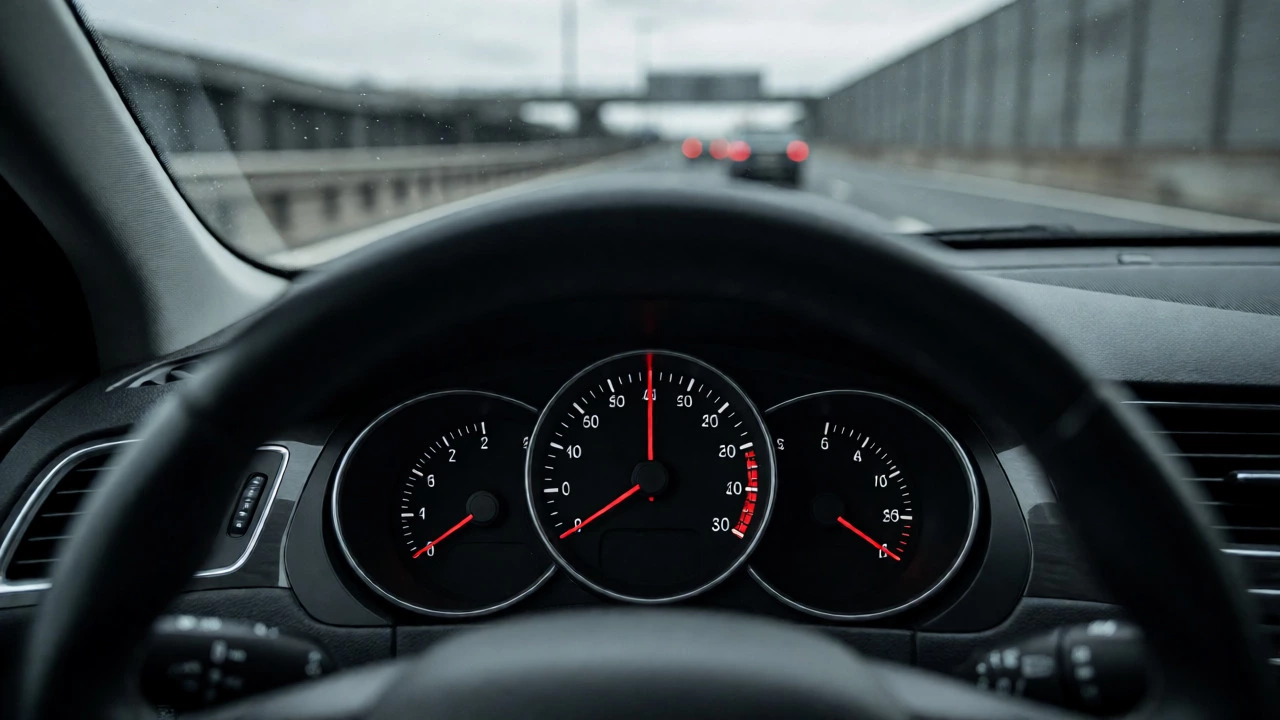
You're cruising down the M60, pushing for a merge, and you floor the accelerator. The engine roars, the RPM needle jumps toward the red line, but your speed barely changes. That sinking feeling in your gut? It’s likely not just the traffic or your driving skills-it’s your clutch telling you it’s on its last legs.
For anyone driving a manual, the clutch is the unsung hero that lets you change gears without grinding metal against metal. But unlike brake pads, which wear out predictably, a clutch can fail gradually, tricking you into thinking everything is fine until you’re stranded at a junction. Knowing what are the signs of a bad clutch early enough can save you from a hefty bill later. A simple adjustment might cost £50, while ignoring the symptoms could lead to a full clutch kit replacement costing £400-£800, depending on the vehicle.
The High-RPM, Low-Speed Disconnect
The most obvious sign-and often the first one drivers notice-is slipping. If you press the gas pedal and the engine revs up quickly but the car doesn’t accelerate proportionally, the friction material on your clutch disc is wearing thin. Think of it like trying to hold onto a wet bar of soap; no matter how hard you squeeze, it slides away.
This usually happens under load, such as climbing a steep hill or overtaking on a motorway. In a healthy system, the engine speed and wheel speed are locked together when the clutch is engaged. When slipping occurs, they decouple. You might notice this more clearly if you try to drive in a higher gear than usual (like 3rd gear at 30 mph) and gently apply throttle. If the RPMs climb without a corresponding increase in speed, the clutch isn’t gripping properly. This is critical because a slipping clutch generates excessive heat, which accelerates wear and can eventually damage the flywheel.
A Pedal That Feels Wrong
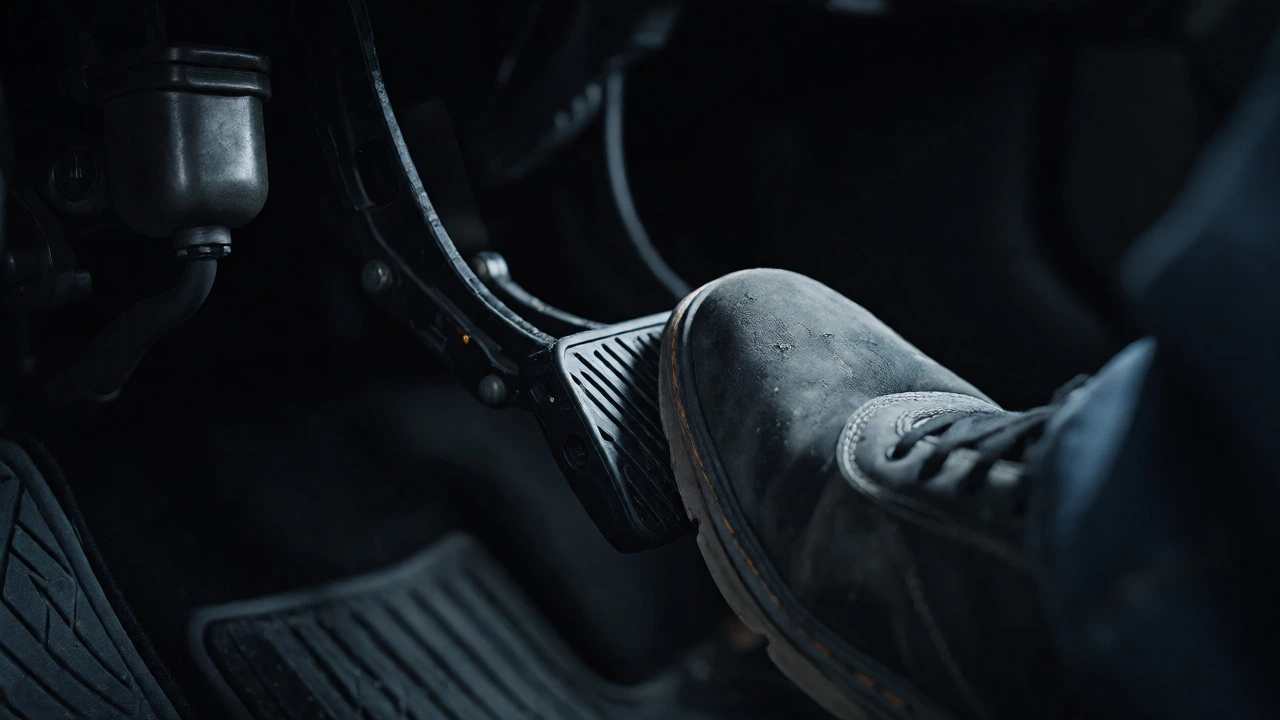
Your foot knows more about your car’s health than you think. Pay attention to how the clutch pedal feels during operation. Three specific sensations point to trouble:
- Sponginess or Softness: If the pedal feels mushy or sinks to the floor with little resistance, you likely have air in the hydraulic lines or a leaking master/slave cylinder. Hydraulics rely on fluid pressure; air compresses, but fluid doesn’t. This means your foot movement isn’t translating fully to the release bearing.
- Hardness: Conversely, a pedal that requires significant force to depress can indicate a failing release bearing or a stiff linkage mechanism. While some heavy-duty trucks naturally have stiff pedals, a sudden change in resistance on a standard hatchback is a red flag.
- Vibration: Feeling a shudder or vibration through the pedal when engaging the clutch, especially from a standstill, often points to a warped flywheel or uneven wear on the clutch disc surface.
If the pedal stays stuck to the floor even after you take your foot off, the hydraulic system has failed completely. You won’t be able to disengage the clutch, making gear changes impossible.
Gears Grinding or Refusing to Engage
Have you ever tried to shift into first or reverse, only to hear a horrible crunching noise? Or perhaps the lever resists moving into position entirely? This is often misdiagnosed as a gearbox issue, but it’s frequently the clutch not fully disengaging.
When you press the pedal, the release bearing pushes against the pressure plate diaphragm spring, separating the clutch disc from the flywheel. If this separation isn’t complete-due to a worn bearing, low fluid, or a broken cable-the input shaft to the gearbox keeps spinning. Trying to mesh stationary gears with spinning ones causes that grinding sound. Over time, forcing these shifts will chip the teeth on your synchronizers, turning a cheap clutch repair into an expensive transmission rebuild.
Strange Noises: Chirps, Whines, and Rattles
Sound is a powerful diagnostic tool. Different noises indicate different failing components within the clutch assembly.
| Noise Type | When It Happens | Likely Cause |
|---|---|---|
| High-pitched squeal/chirp | Pedal pressed halfway | Failing pilot bearing or throw-out bearing |
| Rattling/clattering | Engine idling, pedal released | Worn dampener springs on clutch disc |
| Whining | Pedal pressed | Release bearing running dry or damaged |
| Grinding | Shifting gears | Incomplete disengagement (hydraulic/linkage fault) |
The release bearing is a common culprit here. It spins whenever the pedal is pressed. If its lubrication dries out or the bearings wear, it emits a distinct whine or chirp that disappears when you let the pedal out. Don’t ignore this; a seized release bearing can destroy the pressure plate fingers, necessitating a full clutch kit replacement.
Burning Smell and Heavy Footwork
Clutch discs use friction materials similar to brake pads. When they slip excessively, they generate intense heat. If you smell something acrid or burnt coming from the cabin or engine bay, particularly after stop-and-go traffic or aggressive launches, you’ve overheated the clutch.
This smell is distinct from burning oil or exhaust leaks. It smells sharp and chemical. Once the friction material glazes over due to overheating, it loses grip permanently. At this stage, adjusting the cable won’t help; the disc needs replacing. Continued driving with a burnt clutch can warp the flywheel, adding another component to the replacement list.
Why Delaying Repair Costs More
Many drivers wait until the clutch fails completely before visiting a mechanic. This is risky. A slipping clutch creates debris from the worn friction material. This dust can contaminate the bell housing and potentially enter the gearbox oil, damaging internal gears and bearings. Furthermore, if the pressure plate breaks apart due to fatigue, fragments can jam the transmission, requiring a major teardown.
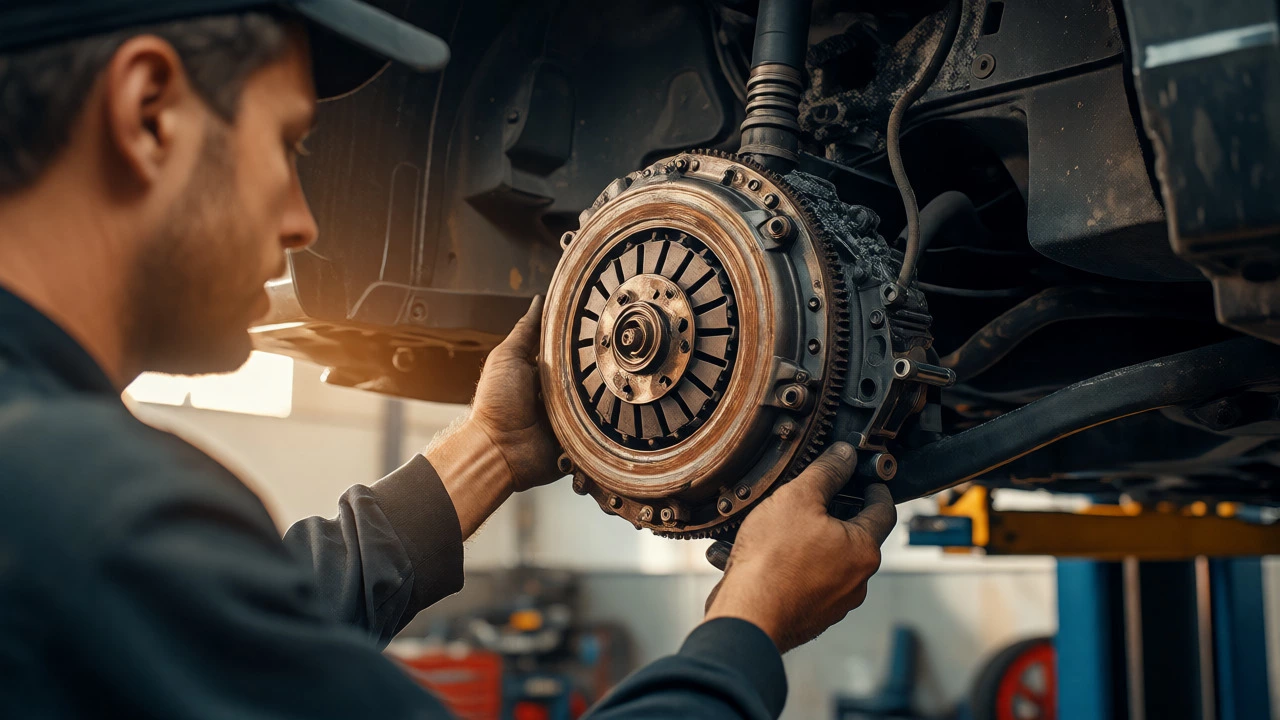
Consider the labor involved. Replacing a clutch is a big job because the transmission must be removed to access the assembly. If you’re already paying for that labor, it makes sense to replace the entire clutch kit (disc, pressure plate, and release bearing) simultaneously. Skipping the flywheel inspection is also a false economy; if it’s scored or warped, a new disc won’t seat correctly.
DIY Checks vs. Professional Diagnosis
You can perform basic checks yourself, but some require professional equipment. Here’s a quick checklist:
- The Handbrake Test: Start the engine in neutral with the handbrake firmly applied. Try to engage 1st or 2nd gear and slowly release the clutch. The engine should stall immediately. If it doesn’t, the clutch is slipping significantly.
- The Hill Hold: Find a safe, quiet hill. Stop facing uphill. Use the clutch and throttle to hold the car stationary without using the brakes. If the car rolls back despite steady throttle application, the clutch cannot transmit torque effectively.
- Pedal Height Check: Measure the distance from the floor to the top of the pedal. Compare it to your owner’s manual specs. A lower height indicates wear or hydraulic loss.
If any of these tests raise concerns, get a quote from a trusted garage. Ask them to check the flywheel condition and whether the dual-mass flywheel (common in modern diesels) needs replacement too, as this can double the parts cost.
How long does a clutch typically last?
Most clutches last between 50,000 and 100,000 miles. However, aggressive driving, frequent city traffic, and poor habits like riding the clutch can reduce this lifespan to under 30,000 miles.
Can I drive with a bad clutch?
You can drive short distances with a slipping clutch, but avoid high loads like towing or steep hills. If the clutch is stuck or making loud noises, stop driving immediately to prevent catastrophic transmission damage.
Is it cheaper to adjust or replace a clutch?
Adjustments are cheap (£30-£60) and fix minor cable slack or hydraulic issues. Replacement costs £400-£800+ including labor. Adjustment only works if there is still sufficient friction material on the disc.
What does a clutch feel like when it's going?
It often feels "high" (engages near the top of the pedal stroke), spongy, or vibrates. You may also notice the engine revving without gaining speed, especially when accelerating uphill.
Does a bad clutch affect fuel economy?
Yes. A slipping clutch wastes energy as heat instead of moving the wheels. To maintain speed, you press the throttle harder, increasing fuel consumption significantly.