Fuel Pump Health Diagnostic Tool
Select the symptoms you are experiencing with your vehicle to assess the likelihood of a fuel pump issue.
Common Symptoms
Contextual Factors
Diagnostic Assessment
Low RiskPlease select symptoms above and click Analyze.
Imagine you're cruising down the M60, engine humming smoothly, when suddenly the car jerks like it's having a seizure. You ease off the throttle, and it recovers. Ten minutes later, it happens again. Is it the spark plugs? The transmission? Or is your fuel pump an electromechanical device that delivers fuel from the tank to the engine at the correct pressure finally giving up the ghost? Most drivers panic because they don't know what to listen for. But here’s the truth: a dying fuel pump doesn’t just stop working overnight. It sends out distress signals long before it leaves you stranded on the shoulder.
The High-Pitched Whine That Won’t Go Away
Modern cars are quiet. That’s why any new noise stands out. A healthy electric fuel pump operates submerged in gasoline which cools and lubricates its internal components usually makes a faint hum when you turn the key to "on," right before the engine starts. This sound lasts about two seconds as the system primes itself. If you hear a loud whining, buzzing, or groaning coming from the rear seat area (where most pumps live), pay attention. This isn't normal background noise; it’s the sound of a struggling motor.
Why does this happen? As the pump wears out, the bearings inside degrade. Friction increases, and the motor works harder to push fuel through the lines. This increased effort creates audible vibration. In older vehicles with mechanical pumps, you might hear a ticking or tapping sound instead. Regardless of the type, if the noise changes pitch or volume while driving-especially under acceleration-it’s a clear indicator that the pump is failing. Don't ignore it. A noisy pump is often a precursor to complete failure within weeks or months.
Sputtering and Hesitation Under Load
You’re merging onto the motorway. You press the gas pedal firmly to overtake a truck. Instead of surging forward, the engine coughs, stumbles, and loses power. Then, once you ease off, it smooths out. This intermittent loss of power is one of the most common fuel pump failure symptoms. It happens because the pump can’t maintain consistent pressure when the engine demands more fuel.
Think of it like trying to drink a thick milkshake through a thin straw. At first, it flows fine. But if you suck too hard (high demand), the straw collapses, and flow stops. Similarly, a weak pump struggles to keep up with high-demand situations like climbing hills, towing trailers, or accelerating rapidly. The engine control unit (ECU) detects the lean condition (too much air, not enough fuel) and may trigger a check engine light. If your car feels sluggish specifically when you ask for power, but runs fine at idle, suspect the fuel delivery system.
Hard Starting or No Start
You turn the key. The starter cranks the engine vigorously. You smell fuel. But the engine won’t catch. Or maybe it takes five or six tries before it finally fires up. This is a classic sign of low fuel pressure. When the ignition is switched on, the fuel pump should build up pressure immediately. If the pump’s check valve is leaking, or if the motor is too weak to prime the system, the injectors don’t get enough fuel to start combustion.
In severe cases, the car won’t start at all. The engine turns over endlessly but remains dead. Before blaming the battery or alternator, listen closely near the fuel tank. Do you hear that initial priming buzz? If there’s silence, the pump might be completely dead. However, sometimes the pump still spins but doesn’t move fuel. This requires a pressure test to confirm, but the symptom-cranking without firing-is unmistakable.

Engine Stalling at High Temperatures
Here’s a tricky one: your car runs perfectly in the morning, but stalls after sitting in traffic on a hot day. Why? Heat soak. Electric fuel pumps rely on gasoline to cool them down. If the fuel level in your tank gets very low, the pump draws in air along with fuel. Air bubbles cause cavitation, which damages the pump and reduces efficiency. Additionally, extreme heat can cause electrical resistance in the pump’s wiring to increase, reducing current flow and weakening the motor.
If your vehicle consistently stalls when the engine bay is hot, but restarts after cooling down for an hour, the fuel pump is likely overheating. This is particularly common in older cars where the insulation around the pump’s electrical connections has degraded. Keeping your tank at least half full during summer months can actually help extend the life of your pump by ensuring it stays submerged and cooled.
Decreased Fuel Efficiency Without Explanation
You haven’t changed your driving habits. You’re not idling longer. Yet, your miles per gallon have dropped noticeably. While many things affect fuel economy, a failing fuel pump can disrupt the air-fuel ratio. If the pump delivers inconsistent pressure, the ECU compensates by injecting more fuel than necessary to prevent lean misfires. This results in wasted gasoline.
Monitor your consumption carefully. If you notice a sudden 10-15% drop in MPG, rule out simple issues like under-inflated tires or dirty air filters first. If those are fine, a faulty fuel pressure regulator or a weakening pump could be the culprit. The system is essentially "guessing" how much fuel to give you, and it’s guessing wrong.
| Symptom | Likely Cause | Quick Check | |
|---|---|---|---|
| Loud whining from rear | Failing electric pump bearings | Listen for change in pitch during acceleration | |
| Car sputters at high speed | Weak pump cannot meet demand | Test fuel pressure under load | |
| Hard cold start | Leaking check valve or weak priming | Check if pump primes when key is turned ON | |
| Stalls when hot | Pump overheating due to low fuel/heat soak | Refill tank and see if issue resolves | |
| Loss of power uphill | Restricted filter or failing pump | Inspect fuel filter for debris |
How to Confirm It’s Really the Pump
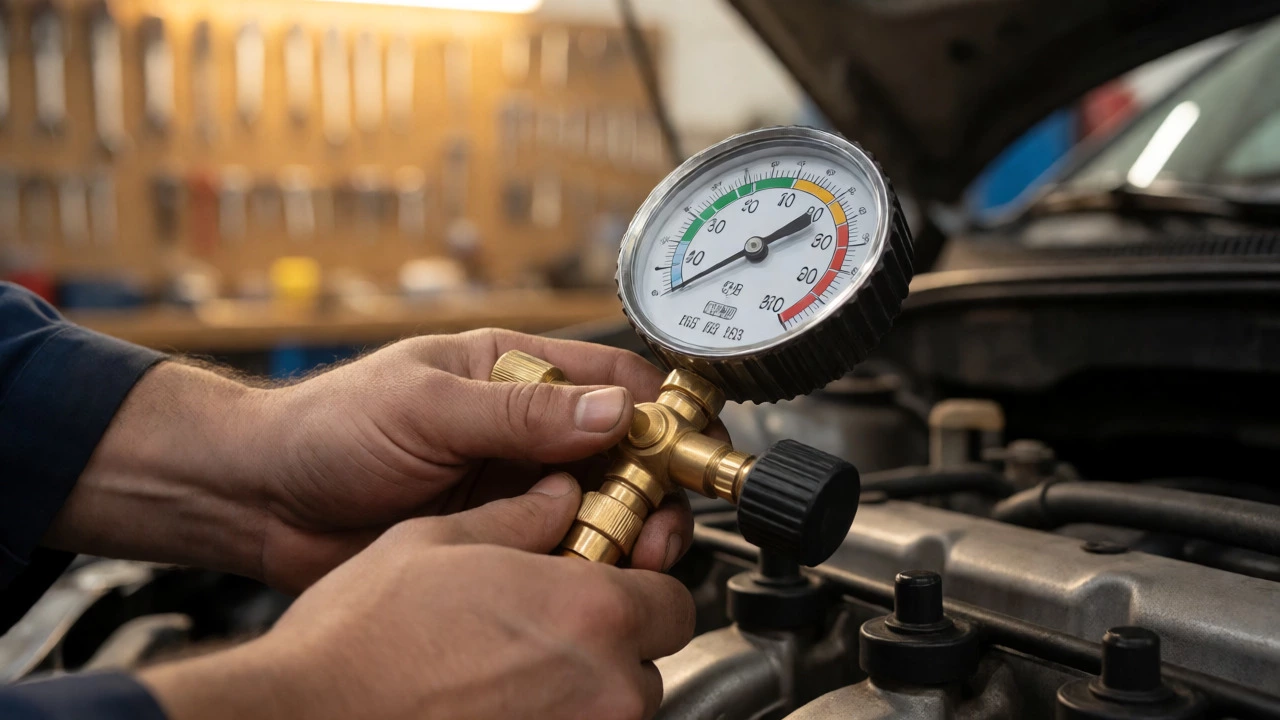
Before you spend hundreds on a replacement part, verify the diagnosis. A professional mechanic uses a fuel pressure gauge attached to the fuel rail. This tool measures the exact pressure delivered to the injectors. Every car has specific pressure requirements (e.g., 43-58 PSI for many Ford models). If the reading is below spec, or if the pressure drops rapidly when you shut off the engine, the pump or its check valve is faulty.
You can also perform a basic voltage test. Using a multimeter, check the voltage reaching the pump connector while the engine is running. Low voltage indicates wiring or relay issues, not necessarily the pump itself. Conversely, if voltage is good but pressure is low, the pump is mechanically worn out. Always check the fuel filter first, though. A clogged filter mimics pump failure symptoms and costs pennies compared to a new pump.
Preventing Premature Failure
Most fuel pumps fail prematurely because drivers treat their tanks like empty cups. Running on reserve regularly allows sediment at the bottom of the tank to enter the pump intake. This abrasive dirt grinds down the internal gears. Furthermore, letting the tank run dry exposes the pump to air, causing it to overheat and burn out.
To extend the life of your in-tank fuel pump a submersible pump located inside the fuel reservoir, follow these rules:
- Keep the tank above 1/4 full. This ensures the pump remains submerged and cooled.
- Use quality fuel. Cheap gas often contains higher levels of ethanol and contaminants that accelerate wear.
- Replace the fuel filter on schedule. A clean filter protects the pump from debris.
- Avoid aggressive acceleration from cold. Let the oil and fuel systems warm up slightly before demanding peak performance.
If you suspect your pump is dying, don’t wait until it fails completely. A stranded vehicle costs significantly more in towing fees and lost time than a proactive repair. Catching the symptoms early saves money and stress.
Can I drive with a bad fuel pump?
You can drive short distances if the car still runs, but it’s risky. A failing pump can cut out suddenly, leaving you stranded in traffic. Additionally, running a weak pump puts extra strain on other engine components due to inconsistent fuel delivery. Limit driving until repaired.
How much does it cost to replace a fuel pump?
In the UK, parts typically range from £80 to £250 depending on the vehicle make. Labour adds another £100-£200 because accessing the pump often requires dropping the fuel tank. Total costs usually fall between £200 and £450.
Does a bad fuel pump cause rough idling?
Yes, but less commonly than other issues. Rough idling is more often caused by dirty injectors, vacuum leaks, or ignition problems. However, if the pump cannot maintain minimum pressure at idle, the engine will shake or stall. Check spark plugs first before assuming it’s the pump.
Is a fuel pump covered under warranty?
If your car is under manufacturer warranty, yes. Many extended warranties also cover fuel pumps as part of the fuel system. Check your policy documents. Wear-and-tear items are sometimes excluded, so read the fine print.
Can a clogged fuel filter mimic pump failure?
Absolutely. A blocked filter restricts flow, causing low pressure and similar symptoms like sputtering and hard starting. Always replace the fuel filter before condemning the pump. It’s a cheap fix that solves the problem in many cases.